Let's cut to the chase. You've heard the news—bees are in trouble, butterflies are declining, and our food system is on shaky ground. You want to help. You plant some flowers, maybe put up a bee hotel, and feel good about it. But here's the uncomfortable truth I've learned after years of working with conservation groups like the Xerces Society: most well-intentioned efforts are surface-level. They look nice but often miss what pollinators actually need to survive and thrive. This isn't about guilt; it's about impact. Protecting pollinators is less about grand gestures and more about a series of smart, informed choices in your own backyard, balcony, or community space.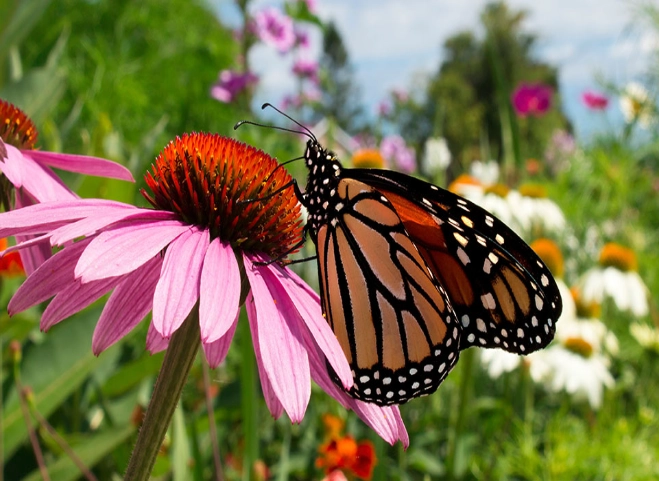
What's Inside This Guide?
Why Are Pollinators in Trouble? It's More Than Just Pesticides
Everyone points to pesticides, and neonicotinoids are a huge problem—they're systemic, meaning the poison is in every part of the plant, including the pollen and nectar. But fixation on a single villain lets other critical issues off the hook. The crisis is a perfect storm.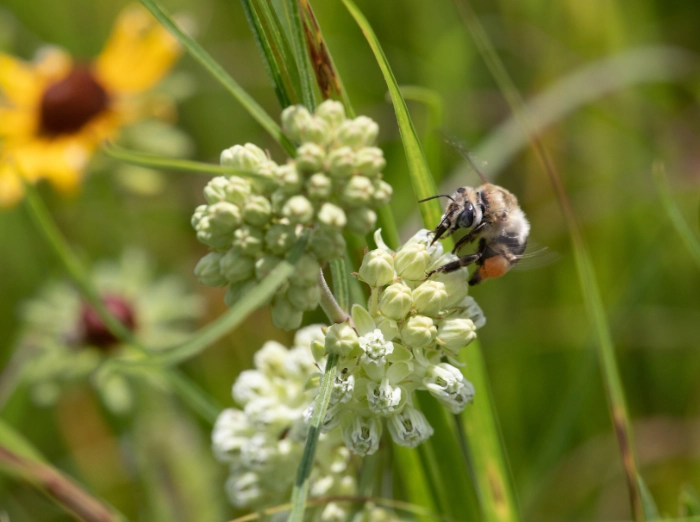
Habitat loss isn't just about bulldozers. It's the conversion of a diverse meadow into a monoculture lawn. It's the "tidying up" of gardens where every fallen leaf and dead stem is removed, eliminating crucial overwintering sites for insects. According to a UN-backed report, land-use change is a primary driver of pollinator decline.
Then there's nutritional poverty. Imagine eating only iceberg lettuce every day for every meal. That's what it's like for a bee in a suburb planted with nothing but petunias and geraniums—pretty, but often sterile and useless. They need diverse, pollen-rich native plants to get a full range of nutrients.
Disease and climate change pile on, stressing populations already weakened by the other factors. The point is, solving one piece isn't enough. Our protection efforts need to be holistic.
The 3 Most Common Backyard Pollinator Mistakes (And How to Fix Them)
I've seen these errors repeated in countless gardens, including my own early attempts.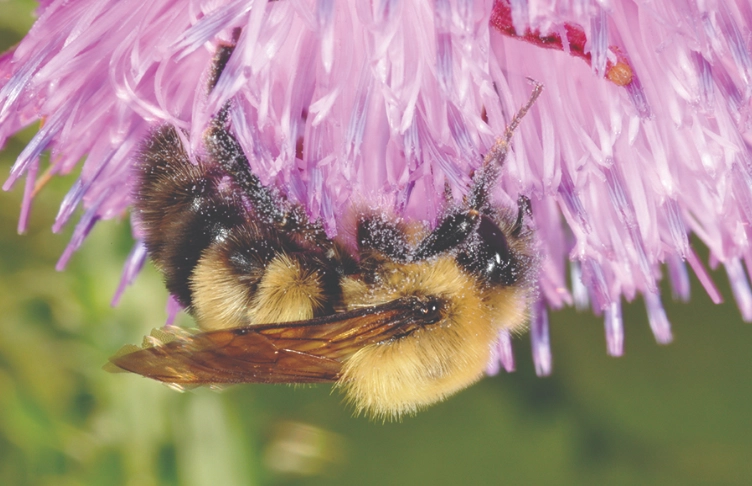
1. Planting for Show, Not for Sustenance
Many popular nursery plants are bred for double blooms—extra petals that make them look lush. The trade-off? These mutations often come at the expense of pollen and nectar production. The reproductive parts are turned into petals, leaving nothing for pollinators. Fix: Prioritize single-flowered, open-center varieties. Choose heirloom or species plants over highly hybridized ones.
2. The "Clean Garden" Fallacy
We're taught that a good garden is neat. But to most pollinators, a pristine garden is a desert. Bare soil, manicured lawns, and no debris means no place to nest, hide, or spend the winter. 70% of native bees are ground-nesters. Fix: Leave some bare, undisturbed patches of soil. Pile up some sticks or rocks in a sunny corner. Delay cutting back dead plant stems until late spring.
3. Reaching for the Spray Bottel
Even "organic" pesticides like pyrethrin or spinosad are broad-spectrum insecticides. They kill pests, but they also kill every other insect in the vicinity, including pollinators and their larvae. Fix: Embrace a bit of pest damage. Encourage natural predators like ladybugs and birds. Use physical barriers like row covers. If you must intervene, use targeted methods like soapy water applied directly to the pest, never as a broadcast spray on blooming plants.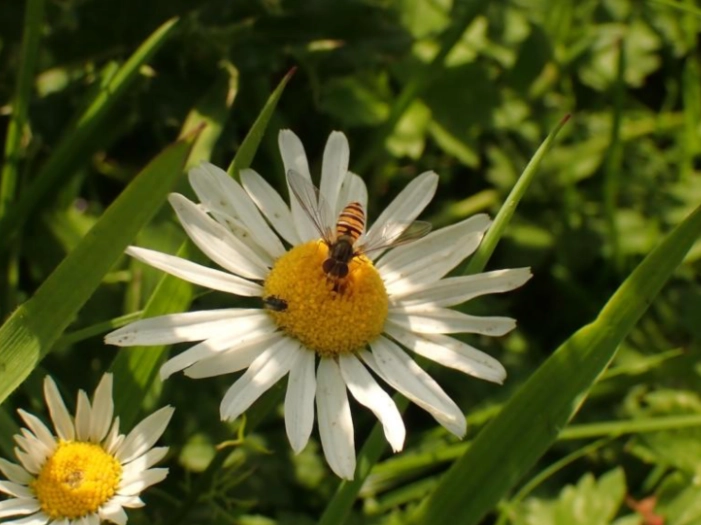
A quick story: I once planted a beautiful bed of hybridized marigolds, proud of their vibrant colors. For weeks, not a single bee visited. I swapped them out for a patch of native coneflowers and mountain mint. Within two days, the area was buzzing with activity. The lesson was stark—my aesthetic preference meant nothing to the local ecosystem.
How to Create a Pollinator Sanctuary in 5 Steps
Forget complicated designs. Focus on these core functions.
Step 1: Audit Your Space. How much sun do you have? What's your soil like? Observe for a week. Where does the sun hit longest? That's your prime real estate.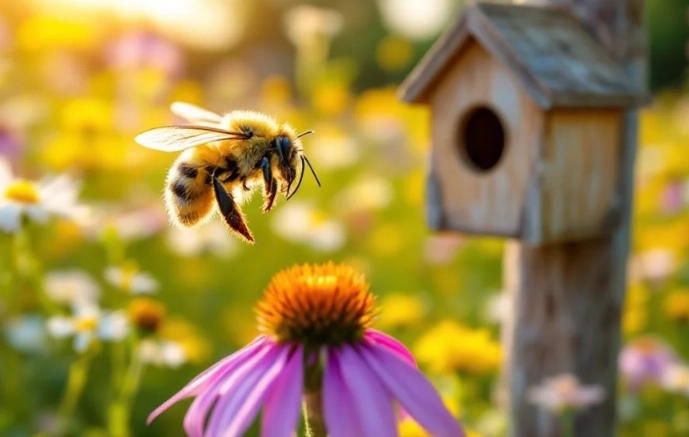
Step 2: Plant in Clumps, Not Singles. A single bee balm plant is hard for a pollinator to find. A cluster of three or five is a neon sign advertising a great meal. Group the same plants together.
Step 3: Ensure a Continuous Bloom. Your goal is to have something flowering from early spring to late fall. Early bloomers like willow and crocus provide critical food for bees emerging from hibernation. Late bloomers like goldenrod and asters fuel them for winter.
Step 4: Provide Water. A shallow birdbath with stones or marbles for landing pads works perfectly. Change the water every few days to prevent mosquitoes.
Step 5: Build in Shelter. This can be a simple pile of logs, a bundle of hollow stems (like bamboo) tied together, or that patch of bare ground we talked about.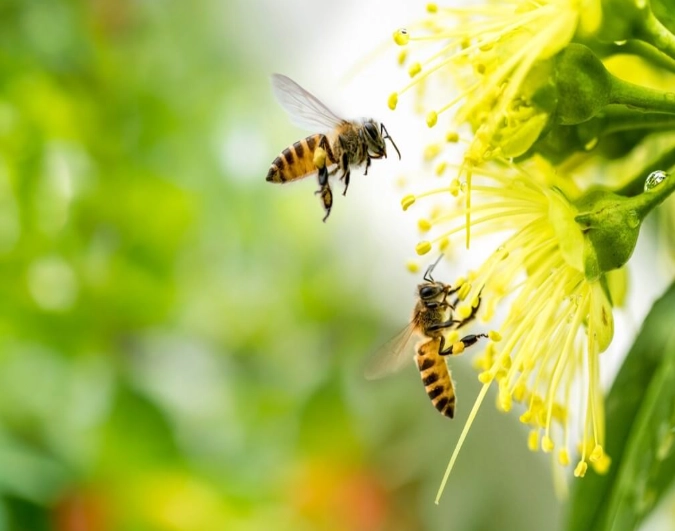
| Plant Type | Pollinator Superstars (Examples) | Bloom Time | Special Notes |
|---|---|---|---|
| Early Spring | Pussy Willow, Crocus, Lungwort | March - May | Critical for queen bumblebees starting new colonies. |
| Mid-Summer | Bee Balm, Purple Coneflower, Lavender | June - August | Butterfly magnets. Let coneflower heads stand for winter bird food. |
| Late Fall | Goldenrod, New England Aster, Sedum | September - Frost | Goldenrod is NOT a cause of hay fever (that's ragweed). It's a vital late-season fuel source. |
| Host Plants | Milkweed (for Monarchs), Parsley/Dill (for Black Swallowtails) | Varies | Essential for butterfly caterpillars. Plant these and accept they will get eaten. |
Think Beyond Honey Bees: Supporting Native Pollinators
Honey bees get all the press, but they're managed livestock, introduced from Europe. Our native pollinators—over 4,000 species of bees in North America alone, plus flies, beetles, moths, and bats—are the unsung heroes and often more efficient. A squash bee is better at pollinating pumpkins than a honey bee. Mason bees are powerhouses for fruit trees.
Supporting them means understanding their needs are different. Most native bees are solitary, not social. They don't live in hives. A female might lay her eggs in a tunnel in wood or in the ground, provision each cell with pollen, and then die. Her offspring emerge the next year.
Your job is to protect that lifecycle. Avoid disturbing nesting sites. Provide nesting materials—untreated wood blocks with holes drilled, or simply leave the ground undisturbed. Plant their specific host plants. When you cater to natives, you're building resilience into your local ecosystem.
Taking Action Beyond Your Garden
Your backyard is a powerful start, but the fight needs to be wider.
Talk to your local nursery. Ask for pesticide-free plants and native species. Demand drives supply. Many nurseries treat plants with systemic neonics, so you might be unknowingly bringing poison into your garden.
Engage with your town or city. Advocate for reduced mowing schedules on road verges to let wildflowers grow. Push for bans on cosmetic pesticides in public spaces. These policies have huge cumulative impacts.
Support regenerative farmers. Seek out farmers at your market who use pollinator-friendly practices. They're creating habitat on a scale no backyard can match.
Protecting pollinators isn't a hobby. It's a necessary adjustment in how we coexist with the natural systems that feed us. It starts with seeing your outdoor space not as a decoration, but as a living, breathing piece of that system.
Your Pollinator Protection Questions, Answered
What's the single biggest mistake people make when trying to attract pollinators?
Assuming all flowers are equal. Planting modern, double-bloom hybrids that produce little to no pollen or nectar is like setting up a restaurant with no food. Focus on flower function over fashion. Native plants and old-fashioned single blooms are almost always the better choice.
I have a small balcony. Can I still make a difference?
Absolutely. A container with a native flowering plant like salvia or a compact butterfly weed is a vital pit stop. Add a small dish of water with pebbles. For tiny spaces, think of yourself as providing a rest area on a long highway—it's still crucial. Every pollen and nectar source counts in an urban environment.
Are "pollinator seed mixes" from the store any good?
It's a minefield. Many contain invasive species or non-native plants that aren't as beneficial. Some even contain annuals that won't come back, offering only temporary help. Your best bet is to buy a seed mix from a reputable native plant nursery or conservation organization in your specific region. They'll have mixes tailored to your local soil and pollinators.
I see a lot of wasps around my flowers. Should I be worried?
Most wasps are either neutral or beneficial. Many are pollinators themselves. Others are vital predators, controlling caterpillar and aphid populations that can damage plants. Paper wasps, for example, are generally docile unless their nest is threatened. Observe before you react. They're part of the ecosystem you're trying to support.
How do I deal with mosquitoes without harming pollinators?
Never use broadcast mosquito sprays or foggers—they are ecological disasters. Focus on eliminating standing water where mosquitoes breed (old tires, clogged gutters, empty pots). For personal protection, use fans on patios (mosquitoes are weak fliers), wear long sleeves at dusk, or use targeted topical repellents. Encouraging bats and dragonflies by providing habitat is a fantastic long-term, natural solution.
Reader Comments