You see a bee on a flower, a ladybug on a leaf. Maybe you swat a fly. Most of us don't think much about the tiny lives buzzing and crawling around us. But here's the uncomfortable truth: they're vanishing. Not slowly, not quietly for scientists, but at a rate that's frankly alarming. We're in the middle of a massive insect decline, often called the 'insect apocalypse,' and it's a crisis that directly impacts our food, our gardens, and the health of the entire planet. Insect conservation isn't just about saving pretty butterflies; it's about preserving the fundamental cogs in the machine that keeps life on Earth running. The good news? You don't need a PhD or a huge tract of land to help. This guide cuts through the noise and gives you the real picture of why insects are in trouble and, more importantly, what you can actually do about it, starting today.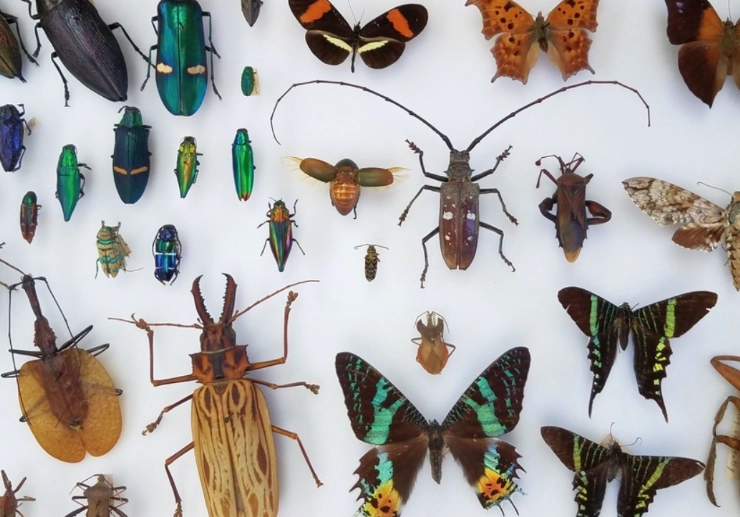
What's Inside This Guide
Why We Absolutely Need to Conserve Insects
Let's get past the "ick" factor. Imagine your supermarket with half the produce section empty. No apples, no almonds, fewer blueberries, no coffee. That's a world with severely diminished insect pollinators. Over 75% of our leading global food crops rely to some degree on animal pollination, primarily by insects like bees, flies, and beetles. The Xerces Society for Invertebrate Conservation drives this point home in much of their advocacy work.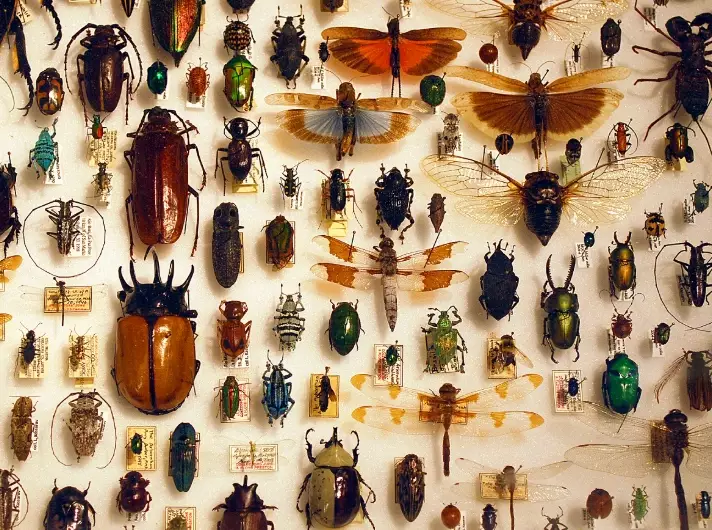
But their job doesn't stop at pollination.
Insects are nature's ultimate cleanup crew and soil engineers. Dung beetles recycle waste, burying it and enriching soil. Carrion beetles and flies decompose dead animals, preventing disease. Countless species aerate soil and break down fallen leaves and wood, releasing nutrients back into the ecosystem. Without them, we'd be literally buried in waste and dead stuff.
They're also the foundation of the food web. Birds, bats, frogs, fish, and many small mammals feed primarily on insects. A decline in bugs means a decline in the animals that eat them. I've watched the bird feeders in my own garden. The years with fewer flying insects around are the years the chickadees and warblers seem more desperate, working harder for less food.
The Biggest Threats to Insects (It's Not Just Pesticides)
Everyone points to pesticides first, and they are a huge problem, particularly systemic neonicotinoids that poison entire plants. But focusing solely on chemicals lets other, equally destructive forces off the hook. If we want effective insect conservation, we need to tackle the whole problem.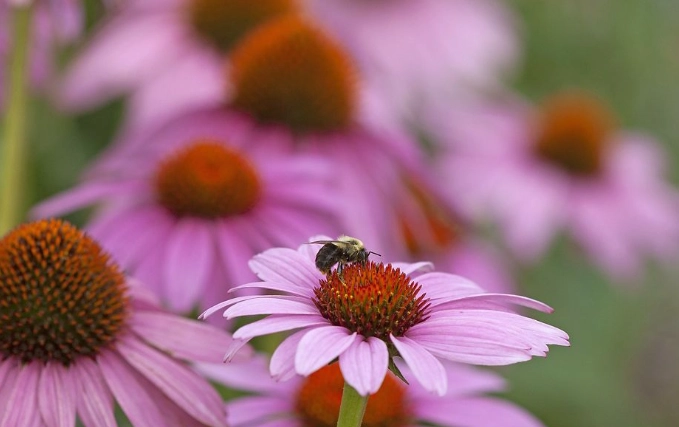
Habitat Loss and Fragmentation
This is the number one driver, in my view. We've turned diverse landscapes into monoculture farms, manicured lawns, and paved surfaces. A tidy lawn is a green desert for most insects. They need native plants they co-evolved with for food, and messy, undisturbed places to nest, overwinter, and complete their life cycles. A common mistake is thinking any flower will do. For many specialist insects, only specific native plants will work. The Monarch butterfly's reliance on milkweed is the famous example, but hundreds of less charismatic species have similar tight relationships.
Light Pollution
This one gets overlooked constantly. Artificial light at night is devastating. It disorients nocturnal insects like moths, disrupting their navigation and mating. They circle lights until they die of exhaustion or get eaten. It pulls them away from their jobs as pollinators of night-blooming plants. Turning off unnecessary outdoor lights, especially from dusk to midnight during key flight seasons, is a simple but massively helpful act.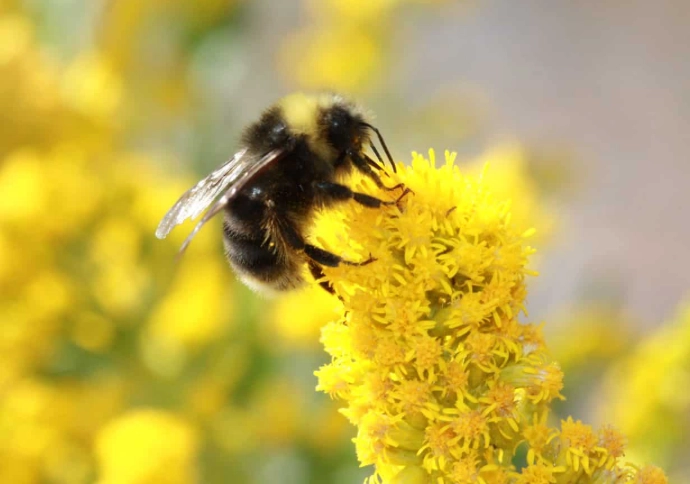
Climate Change
Shifting temperatures and erratic weather patterns desynchronize life cycles. A butterfly may emerge before its host plant is ready, or a pollinator may be active when the flowers it depends on aren't blooming. Extreme droughts and floods wipe out local populations.
Pesticides are the toxin in this cocktail, but habitat loss, light, and climate are the stressors that make insects more vulnerable to it.
Actionable Steps for Insect Conservation
Feeling overwhelmed? Don't. Effective insect conservation starts small and scales up. You can make a tangible difference right where you are.
1. Rethink Your Green Space
Whether you have a balcony, a backyard, or a community garden plot, this is your conservation zone.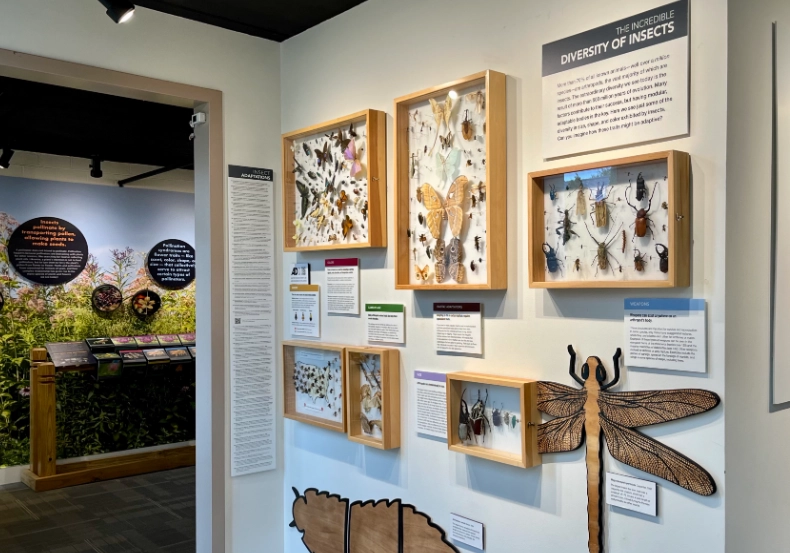
Plant Native: This is the single most effective thing you can do. Native oaks, willows, goldenrod, asters, and milkweeds support hundreds more insect species than non-native ornamentals. Check with your local native plant society or university extension service for a list of powerhouse plants for your area.
Embrace the Mess: Leave leaf litter under shrubs. Let a corner of your yard go wild with stems and dead wood. This provides crucial overwintering habitat. An immaculate garden is a dead zone.
Provide Water: A shallow dish with pebbles and water gives bees and butterflies a safe place to drink.
2. Change Your Chemical Habits
Stop using broad-spectrum insecticides. Just stop. If you have a pest problem, identify it first. Often, the solution is mechanical (picking bugs off) or biological (encouraging predators). If you must use something, choose targeted, organic options like insecticidal soap or neem oil, and apply them at dusk when pollinators are less active.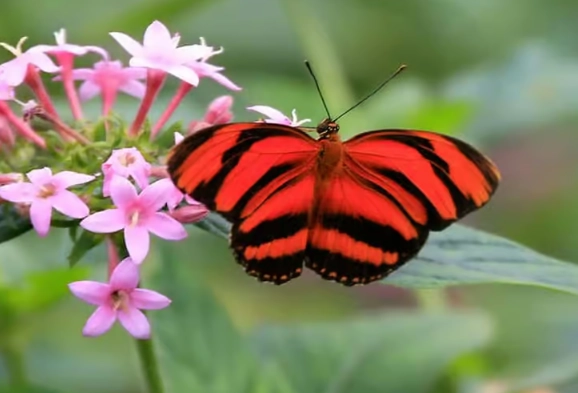
3. Advocate and Educate
Talk to your neighbors about why you're letting the leaves stay. Petition your town to reduce mowing on road verges and plant them with native wildflowers. Support local farmers who use integrated pest management. Buy organic food when you can to vote with your wallet for farming practices that are less harmful to insects.
Common Mistakes & Non-Consensus Advice
After years of talking to gardeners and conservationists, I see the same well-intentioned errors.
Mistake #1: The "Bee Hotel" Fallacy. People buy or make beautiful bee hotels, hang them in full sun, and wonder why nothing uses them or why the nests get moldy. Most native bees are solitary ground nesters. A hotel only helps a few cavity-nesting species, and it must be meticulously maintained—cleaned yearly, placed in partial shade, with the right size holes. For most people, leaving bare, undisturbed patches of soil in sunny spots does far more good.
Mistake #2: Planting "Pollinator Mixes" from Big Box Stores. These often contain non-native, even invasive species, and flowers bred for showiness that sometimes lack nectar or pollen. They might help generalists like honeybees but do little for the native specialists struggling the most. Seek out local native seed companies.
My non-consensus take: We focus too much on saving individual, charismatic insects (like moving a caterpillar) and not enough on saving the habitat that sustains entire populations. A single milkweed plant in a mulched bed is a trap for a Monarch. It will lay eggs, but the caterpillars have nowhere to go, are exposed to predators, and likely won't survive. Plant milkweed in clusters, among other native plants that provide shelter. Think in terms of creating functional ecosystems, not just food souvenirs.
Your Insect Conservation Questions Answered
The path forward for insect conservation is clear, and it's paved with native plants, darker nights, and a little more tolerance for nature's chaos. It doesn't require perfection. Start with one action—plant one native shrub, turn off one porch light, leave one pile of leaves. Multiply that by thousands of people, and it becomes a movement. The insects, and everything that depends on them, are counting on us to pay attention.
Reader Comments