Let's be honest. My first instinct when a fly buzzes around my kitchen or an ant trail marches across the patio is rarely one of gratitude. For most of us, insects are pests, annoyances, or at best, something we don't think about at all. But that's a huge mistake. I've spent years studying ecology, and the more I learn, the more I realize we're looking at this entire kingdom of life backwards. The truth is, insects are the silent, tireless workforce that keeps our world running. If they vanished tomorrow, our ecosystems would collapse, our food systems would fail, and life as we know it would be thrown into chaos. This isn't hyperbole; it's ecology 101. So, let's flip the script and dive into the real reasons why insects are so critically important.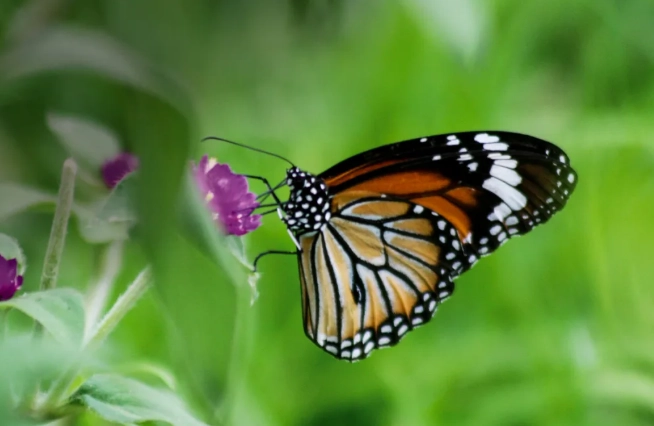
What You'll Discover
- Pollination Powerhouse: Your Food Depends on Them
- Nature's Cleanup Crew: The Ultimate Recyclers
- The Foundation of the Food Web
- Beyond the Basics: Medicine, Materials, and Soil Health
- The Silent Alarm: Why Are Insects Declining?
- What You Can Actually Do to Help Insects
- Your Questions on Insect Importance Answered
Pollination Powerhouse: Your Food Depends on Them
When you think of pollinators, you probably picture a fuzzy bumblebee on a flower. That's a great start, but the story is much bigger. Bees (honeybees and over 20,000 species of wild bees) are the stars, but they're supported by a massive cast of flies, beetles, butterflies, moths, and even wasps. This insect workforce is responsible for pollinating about 75% of our leading global food crops and nearly 90% of all wild flowering plants.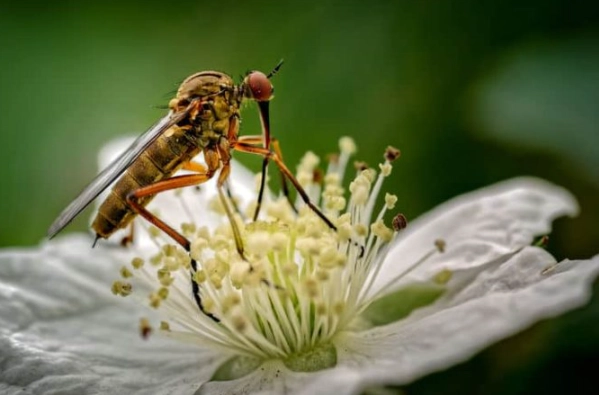
Here's a concrete example that changed how I shop. I used to just grab almonds. Now I think about the fact that California's almond industry, which supplies over 80% of the world's almonds, requires the annual labor of roughly two-thirds of all managed honeybee hives in the United States for just a few weeks of pollination. That's an insane logistical operation, and it's incredibly vulnerable. It shows how our most intensive agriculture has become disconnected from natural processes, relying on shipping insects like machinery. A report from the UN's Food and Agriculture Organization highlights that the annual value of global crops directly reliant on pollinators is between $235 billion and $577 billion. This isn't just about honey; it's about the diversity on your plate—apples, berries, cucumbers, coffee, cocoa, and so much more.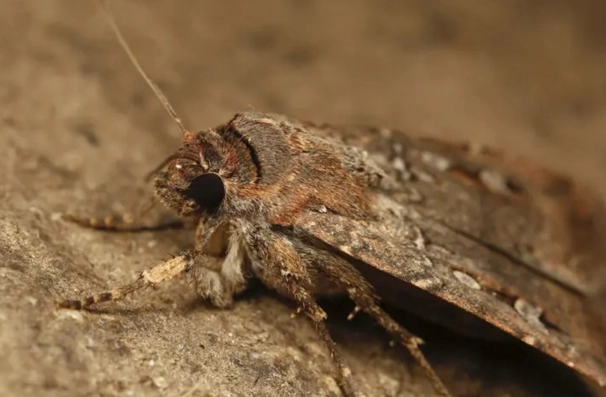
The Wild Pollinator Advantage
This is where a common misconception trips people up. Many think saving the honeybee solves the pollination problem. Not quite. Honeybees are a managed, semi-domesticated species. The real resilience comes from wild pollinators. Studies, like those cited by the Xerces Society for Invertebrate Conservation, show that farms with diverse habitats nearby have higher and more stable crop yields. Why? Because wild bees often pollinate more effectively than honeybees, they fly in different weather, and they visit different crops. Putting all our eggs in the honeybee basket is a risky agricultural strategy.
Nature's Cleanup Crew: The Ultimate Recyclers
If pollination is the glamorous job, this is the gritty, essential one. Imagine a world where nothing decayed. Fallen trees, dead animals, animal dung, and leaf litter would simply pile up, locking away nutrients and creating a hygienic nightmare. Insects are planet Earth's primary decomposition crew.
Dung beetles are my favorite example. In parts of the world where cattle ranching is common, a single pile of cow dung can attract thousands of beetles. They rapidly bury and consume the dung, which does several miraculous things at once: it returns nutrients to the soil, it destroys pest fly larvae that would breed in the dung, and it aerates the soil with their tunneling. The USDA has documented how introducing dung beetles to pastures can significantly reduce pest fly populations and improve pasture quality. Without them, pastures would be fouled, nutrient-poor, and buzzing with pests.
Then there are the detritivores—the termites, wood-boring beetles, and countless larvae in the soil and leaf litter. They break down tough cellulose and lignin, turning dead wood and plant matter into rich humus. This process is the engine of the nutrient cycle. The carbon, nitrogen, and minerals locked in dead organisms are released back into the ecosystem, fueling new plant growth. No insects, no cycle. It's that simple.
The Foundation of the Food Web
Insects are the protein bars of the natural world. Think of them as the crucial middle managers in the economy of life. They convert plant material (leaves, nectar, wood) into insect biomass, which then becomes food for almost everything else.
- Birds: The vast majority of terrestrial bird species rely on insects to feed their young. Even seed-eating birds need insects for protein during the breeding season. No caterpillars, no baby chickadees.
- Freshwater Fish: Trout, salmon, and countless other fish species depend on aquatic insect larvae like mayflies, caddisflies, and stoneflies. A healthy stream teems with these insects.
- Amphibians & Reptiles: Frogs, toads, lizards, and many snakes are primarily insectivorous.
- Even Other Insects: Praying mantises, ladybugs, and dragonflies are voracious predators of other insects, providing natural pest control.
The decline of insects doesn't just mean fewer bugs; it means silent forests, empty streams, and collapsing populations of the animals we love to watch and conserve.
A Personal Observation: I used to live near a meadow that was "tidied up"—mowed short and treated for weeds. The birdlife vanished. A few years later, a portion was left to grow wild with native plants. The insect buzz returned almost immediately, and within a season, so did the birds. It was a perfect, small-scale demonstration of this food web principle in action.
Beyond the Basics: Medicine, Materials, and Soil Health
The benefits of insects extend into surprising areas. Their chemical compounds are a frontier for medicine. For instance, maggot debridement therapy (using sterile maggots to clean non-healing wounds) is a FDA-approved medical treatment that saves limbs by removing dead tissue with precision no surgeon can match. Research into insect antimicrobial peptides is ongoing for new antibiotics.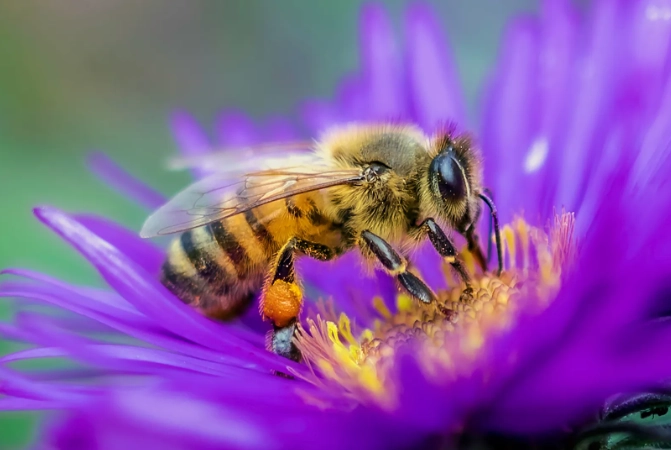
They are also bioindicators. Scientists study the diversity and health of insect communities in streams to gauge water pollution levels. If the sensitive mayfly larvae are gone, you know the water is in trouble long before fish die off.
And let's not forget soil health. All that tunneling by ants, beetles, and other insects creates pores for air and water, facilitating root growth and making soil a living, breathing ecosystem rather than just dirt.
The Silent Alarm: Why Are Insects Declining?
Studies from around the world, like the often-cited 2017 Krefeld study in Germany which showed a 76% decline in flying insect biomass over 27 years, point to a serious problem. The causes aren't a mystery, but a perfect storm of human activity:
- Habitat Loss & Fragmentation: This is the big one. Turning wild meadows, forests, and hedgerows into monoculture farms, lawns, and pavement destroys the homes and food sources insects need.
- Pesticide Use: Broad-spectrum insecticides don't discriminate. They kill pest and beneficial insect alike. Neonicotinoids, in particular, are systemic pesticides that persist in plants and soil, affecting insects long after application.
- Light Pollution: Night-flying moths and other insects are drawn to artificial lights, where they die from exhaustion or become easy prey, disrupting nocturnal ecosystems.
- Climate Change: Shifting temperatures and weather patterns can desynchronize insects from the plants they pollinate or the conditions they need to survive.
What You Can Actually Do to Help Insects
Feeling overwhelmed? Don't. The solutions start in your own backyard (or balcony). This isn't about grand gestures, but consistent, collective small actions.
- Plant Native: This is the single most effective thing you can do. Native plants and native insects evolved together. A native oak tree supports over 500 species of caterpillars, while a non-native ornamental tree might support fewer than 5. Choose plants that flower at different times to provide season-long food. Resources from organizations like the Xerces Society can guide you.
- Leave the Leaves and Stems: Don't be too tidy in fall. Leaf litter and dead plant stems are crucial overwintering habitat for countless insect eggs, pupae, and adults.
- Rethink Your Lawn: Can you reduce its size? Let a section grow longer? Replace it with a clover lawn or a meadow patch? Even a 10x10 foot native flower patch is a sanctuary.
- Limit or Eliminate Pesticides: Embrace a few chewed leaves. It's a sign of life. If you must control pests, use targeted methods like hand-picking or insecticidal soaps, and never apply pesticides to flowering plants.
- Provide Water: A shallow dish with stones and water gives insects a place to drink.
- Turn Off Unnecessary Lights: Use motion sensors or shields on outdoor lights to reduce light pollution.
Your Questions on Insect Importance Answered
Changing how we see insects isn't just an academic exercise. It's a necessary shift for our own survival and the health of the planet. They are not invaders in our world; we are co-inhabitants in theirs. By making space for them, we secure our own future—one full of color, fruit, songbirds, and healthy ecosystems. Start small. Plant one native flower. Leave a corner untidy. Watch what happens. You might just be surprised by the world of importance that buzzes to life.
Reader Comments