What You'll Discover in This Guide
You step into your garden, admire the plants, but rarely think about what's happening underground. That's a mistake I made for years. Soil isn't just dirt; it's a bustling city of organisms working non-stop. Life in the soil is the engine of your garden's health, and ignoring it is like trying to drive a car without an engine. Let's dive straight in: a thriving soil ecosystem means better plants, less work, and a healthier planet. I've spent over a decade gardening and researching this, and I'll share the nitty-gritty details that most guides gloss over.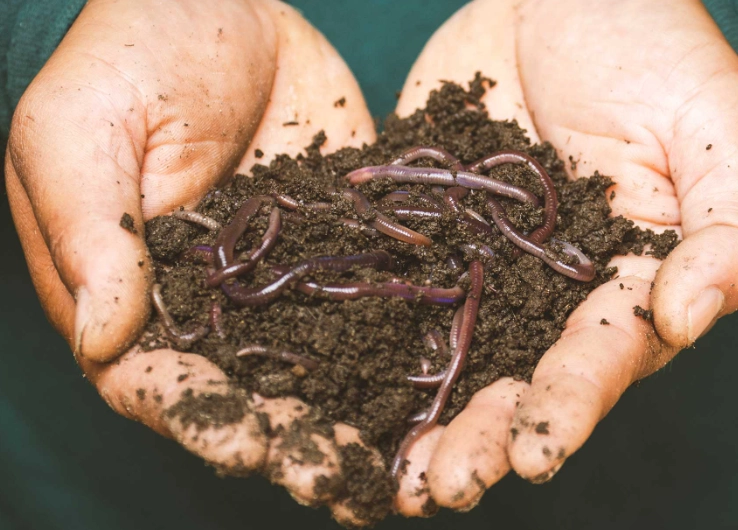
What Exactly is Life in the Soil?
When we say "life in the soil," we're talking about everything from tiny bacteria to fat earthworms. It's a whole ecosystem down there, often called the soil food web. Think of it as a complex network where each organism has a role. If you only focus on plants, you're missing half the story.
Key Players in the Soil Ecosystem
Here's a quick breakdown of who's who underground. I like to categorize them by size and function—it helps make sense of the chaos.
| Organism | Size | Role in Soil | Why It Matters |
|---|---|---|---|
| Bacteria | Microscopic | Decompose organic matter, fix nitrogen | They're the recyclers, turning dead stuff into plant food. Without them, nutrients get locked up. |
| Fungi | Micro to visible | Form networks (mycorrhizae), break down tough materials | Fungi act like internet cables, connecting plants and sharing resources. They're crucial for drought resistance. |
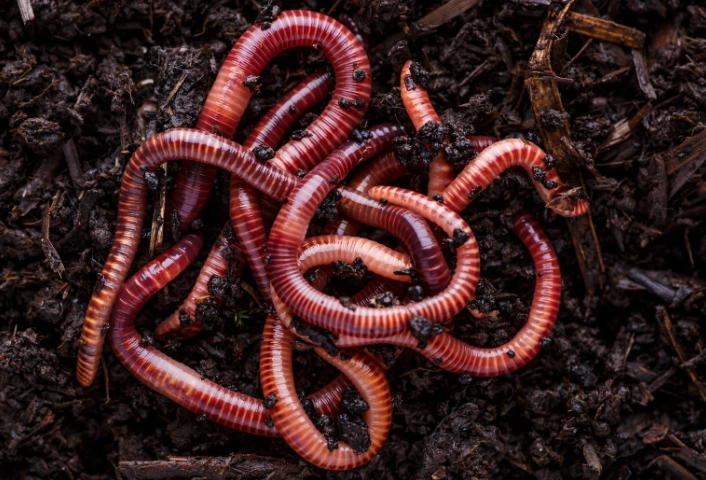
| Earthworms | Macro (1-12 inches) | Aerate soil, create castings (worm poop) | Worms are the tillers of nature. Their tunnels improve drainage and add rich fertilizer. |
| Nematodes | Microscopic worms | Predators or decomposers | Not all nematodes are bad! Many eat bacteria and fungi, cycling nutrients. The pest ones are a minority. |
| Arthropods (e.g., mites, springtails) | Small to tiny | Shred organic matter, prey on pests | They're the garbage disposals, breaking leaves into bits for microbes to handle. |
Most people fixate on earthworms, but bacteria and fungi do the heavy lifting. In fact, a teaspoon of healthy soil can contain billions of bacteria and miles of fungal hyphae. I learned this the hard way when my garden struggled despite adding worms—it was the microbial life that was lacking.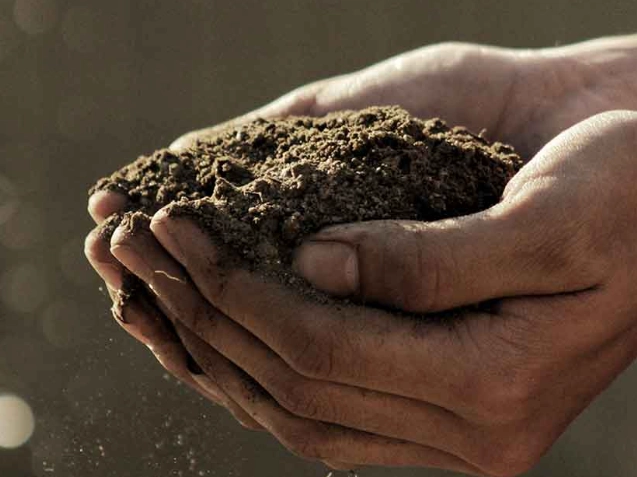
Personal story: A few years back, I had a patch of compacted clay soil where nothing grew. I dumped compost and worms, but plants still wilted. After testing, I found the microbial activity was near zero. Adding a fungal inoculant turned it around in months. The lesson? Don't just look for worms; test for invisible life too.
How to Improve Soil Life in Your Garden
Boosting soil life isn't rocket science, but it requires consistency. Here's a step-by-step approach I've refined over years. Skip the fancy products—start with basics.
Step 1: Add Organic Matter Regularly
This is non-negotiable. Organic matter is food for soil organisms. Use compost, leaf mold, or well-rotted manure. I aim for a 2-inch layer every spring and fall. Don't buy cheap bagged compost; make your own or source locally. The USDA Natural Resources Conservation Service recommends organic amendments to enhance soil biology.
Step 2: Reduce or Eliminate Tilling
Tilling might seem helpful, but it shreds fungal networks and disrupts habitats. Switch to no-till methods. Use a broadfork to aerate without turning soil upside down. In my garden, I stopped tilling five years ago, and earthworm populations tripled.
Step 3: Plant Cover Crops
Cover crops like clover or rye protect soil, add organic matter, and feed microbes. They're like a buffet for underground life. I plant clover in fall—it fixes nitrogen and keeps fungi happy through winter.
Step 4: Mulch Heavily
Mulch conserves moisture and provides a habitat for arthropods. Use straw, wood chips, or leaves. Avoid dyed mulches; they can harm microbes. I've seen mites and springtails thrive under a thick mulch layer.
Step 5: Avoid Synthetic Chemicals
Pesticides and synthetic fertilizers kill beneficial organisms. Switch to organic options. For example, neem oil for pests and compost tea for nutrients. It's a shift, but soil life rebounds quickly.
Let's say you have a small urban garden. Start with a compost bin and mulch. Within a season, you'll notice more earthworms and healthier plants. It's that straightforward.
Common Mistakes That Harm Soil Life
Even experienced gardeners slip up. Here are pitfalls I've seen—and fallen into myself.
Overwatering: Soggy soil suffocates aerobic microbes. They need air. Water deeply but infrequently. I killed off fungi by daily sprinkling; now I use a moisture meter.
Using Raw Manure: Fresh manure can burn plants and introduce pathogens. Always compost it first. A neighbor's tomato crop failed because of this.
Ignoring Soil Tests: pH imbalances can stifle microbial activity. Test soil every few years. Aim for a pH of 6.0-7.0 for most life. The Soil Science Society of America offers guides on this.
Compacting Soil: Walking on beds compresses pores, crushing habitats. Use raised beds or paths. I redesigned my garden with permanent beds, and diversity soared.
The biggest non-consensus point? Many think adding lime always helps, but if your soil is already alkaline, it can wipe out acid-loving fungi. Test before you amend.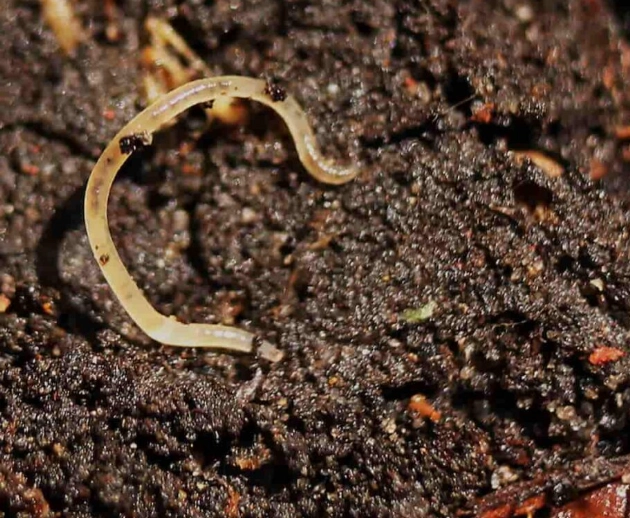
The Benefits of a Healthy Soil Ecosystem
Why bother? The perks are tangible.
Better Plant Health: Plants with robust soil life resist diseases and pests. My roses rarely get blackspot now.
Improved Water Retention: Fungal networks hold water like sponges. During a drought, my garden needed 30% less watering.
Carbon Sequestration: Healthy soil captures carbon, fighting climate change. It's a win-win.
Less Labor: Soil organisms do the tilling and fertilizing for you. I spend fewer hours weeding and feeding.
It's not just theory; studies from institutions like the Rodale Institute show regenerative practices boost soil life and yields.
Your Questions Answered
Soil life isn't a luxury; it's the foundation. Start small, observe changes, and let nature do the work. Your garden will thank you.
Reader Comments