Forget the flashy pollinators and the majestic trees for a second. The real, unsung heroes of every forest, field, and even your backyard are the decomposers. If life stopped with death, we'd be buried under mountains of fallen leaves, animal carcasses, and fallen logs. It's the decomposers—fungi, bacteria, earthworms, and a host of tiny critters—that work tirelessly to break it all down. They're nature's ultimate recyclers, taking what we call "waste" and transforming it back into the fundamental building blocks for new life. This isn't just poetic; it's the literal foundation of soil health and the entire nutrient cycle. Without them, the system grinds to a halt.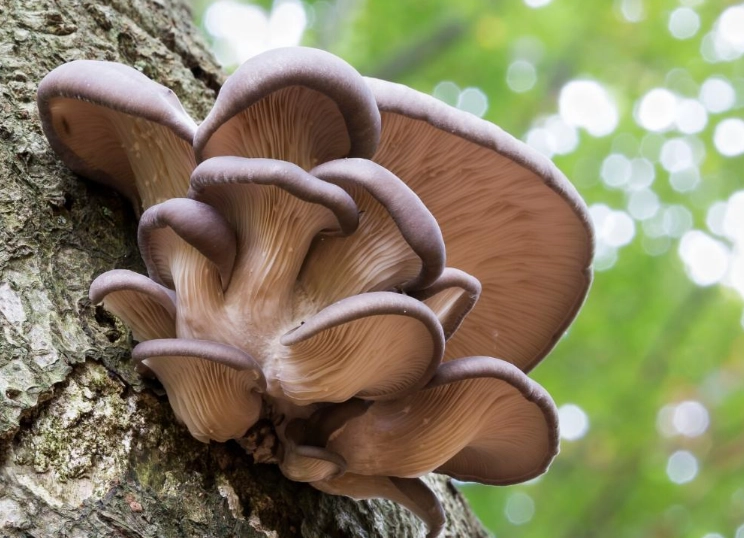
What You'll Discover in This Guide
Who (and What) Are the Decomposers?
It's not a single organism. Think of it as a coordinated demolition and recycling crew with different specialties. They work in stages, often in a specific order.
The Major Players
First come the physical decomposers—the shredders. Earthworms, millipedes, sowbugs, and certain beetles. They don't have the enzymes to digest tough cellulose or lignin. Their job is to chew, tear, and physically break organic matter into smaller pieces. This massively increases the surface area for the next team.
Then the chemical decomposers move in. This is where the magic happens.
Fun Fact: A single gram of healthy soil can contain over a billion bacterial cells and miles of fungal hyphae. The activity happening under your feet is mind-boggling.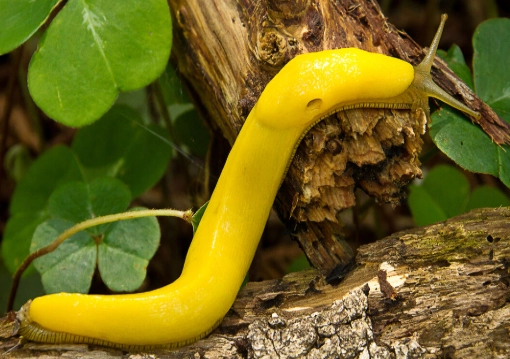
| Type of Decomposer | Examples | Primary Food/Function | Visible Sign of Activity |
|---|---|---|---|
| Fungi | Mushrooms, molds, yeasts | Break down tough lignin & cellulose (wood, leaves). Excel in cool, acidic, or dry conditions. | White thread-like mycelium in soil, mushrooms. |
| Bacteria | Actinobacteria, Pseudomonas | Rapidly decompose soft, nitrogen-rich materials (food scraps, manure). Thrive in warm, moist, neutral-pH conditions. | Heat in a compost pile, earthy smell. |
| Detritivores (Invertebrates) | Earthworms, springtails, mites, nematodes | Shred material, consume bacteria/fungi, aerate soil, create castings. | Presence of worms, frass (insect waste), improved soil structure. |
Notice how they complement each other? A fallen log is first invaded by fungi to soften it up. Beetle larvae bore through it. Bacteria work on the byproducts. Worms mix it all with mineral soil. It's a symphony, not a solo act.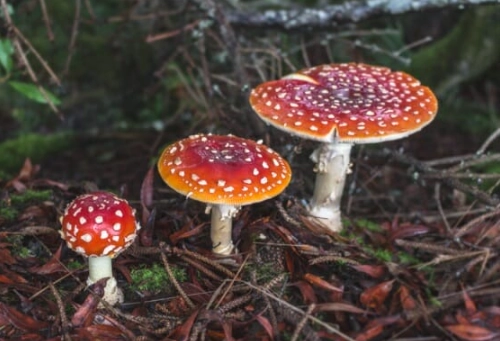
Decomposers as Soil Health Engineers
Calling them "recyclers" undersells their resume. They're also chief engineers of soil structure. Fungal hyphae act like a living glue, binding soil particles into stable aggregates. These aggregates create pore spaces—tiny air pockets and water channels. Earthworms are legendary for this, their tunnels acting as superhighways for air, water, and root growth.
The end product of all their digestion is humus. Not just compost, but that dark, crumbly, stable organic matter that's the gold standard for soil. Humus holds moisture like a sponge (reducing your watering needs) and acts as a slow-release nutrient bank, preventing fertilizer from washing away. Research from institutions like the USDA's Natural Resources Conservation Service consistently shows that soil organic matter content, directly driven by decomposer activity, is the single best indicator of long-term soil productivity.
Here's the kicker: most synthetic fertilizers and many pesticides are brutal on this microbial workforce. They're like dropping a bomb on your own construction crew. You might get a short-term nutrient hit for your plants, but you're degrading the very system that provides nutrients and resilience for free, season after season.
How to Harness Decomposer Power in Your Garden
You don't need a lab coat. You just need to think like a decomposer hotel manager. Your goal: create the perfect five-star accommodations.
1. Feed Them a Balanced Diet (The Carbon-Nitrogen Ratio)
This is the core concept. Microbes need carbon for energy and nitrogen for protein to build their bodies.
- "Browns" (High Carbon): Dry leaves, straw, wood chips, shredded paper. Energy source. Too much, and decomposition slows to a crawl.
- "Greens" (High Nitrogen): Grass clippings, vegetable scraps, coffee grounds, manure. Protein source. Too much, and you get a smelly, slimy, anaerobic mess.
A rough target is a 30:1 Carbon to Nitrogen (C:N) ratio. In practice, aim for a 2:1 or 3:1 volume mix of browns to greens when building a pile.
2. Provide the Right Environment
Moisture: Think of a wrung-out sponge. Damp, not soggy. Dry conditions put microbes to sleep; waterlogged conditions drown them and favor the wrong, smelly bacteria.
Aeration: Oxygen is non-negotiable for the efficient decomposers you want. Turn your compost pile occasionally, or build it with bulky materials that create air pockets.
Size: Chop or shred larger materials. More surface area equals a faster, happier microbial party.
The One Decomposer Mistake Almost Every Gardener Makes
I've made it myself. You get excited, build a beautiful compost pile with perfect layers, then... you leave it alone. You assume it's "cooking." Weeks later, it's a cold, clumpy lump. The mistake? Not managing the moisture from the start.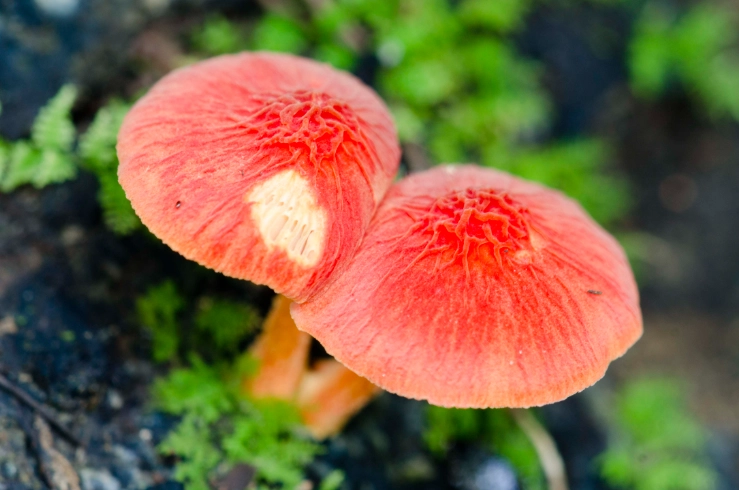
You build the pile, water it, and think you're done. But the initial greens (like fresh grass clippings) can release a torrent of water as they break down, pooling at the bottom and creating an anaerobic swamp. Meanwhile, the top dries out into a crust. The solution is proactive. After building and initial watering, check the core moisture in 24-48 hours. Dig a hand in. Is it dripping? Add more browns (like dry leaves) to soak it up. Is it dry? Add water as you turn it. That initial check-in is the difference between success and a stalled, smelly project.
Your Decomposer Questions, Answered
Temperature is a sign of microbial activity. No heat usually means one of three things: the pile is too small (needs at least 1 cubic meter to retain heat), it's too dry, or it's severely out of balance—almost always lacking nitrogen. Add a bucket of fresh grass clippings or a few shovels of manure, moisten it thoroughly, and mix it well. You should feel warmth within a day or two if the microbes have what they need.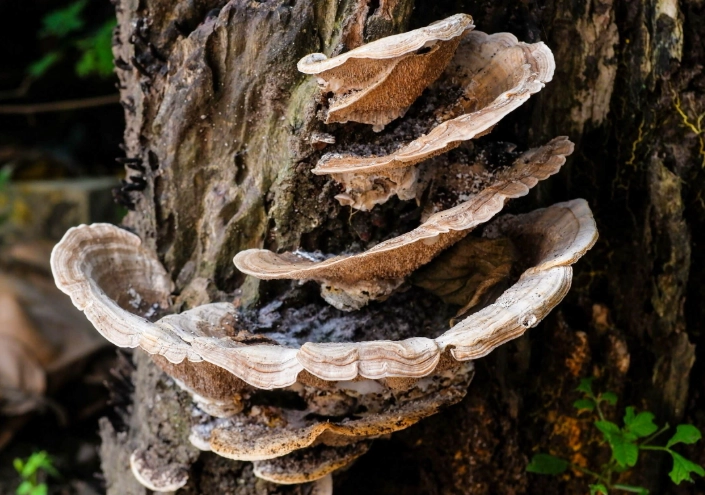
Not necessarily. Many maggots (like those from soldier flies) are powerful decomposers themselves, breaking down material quickly. However, a massive infestation of housefly maggots often indicates the pile is too wet, too high in nitrogen (like kitchen scraps), and not covered or turned enough. It's a sign to adjust your balance—add more browns, turn the pile to introduce air, and consider covering food scraps with a layer of leaves or soil.
In a natural garden or compost system, it's very rare. They self-regulate based on food and space. However, in a confined space like a small worm bin, overpopulation can occur if you overfeed. This leads to food rotting before they can process it. If your bin seems crowded, you can split the population into a second bin or share some with a fellow gardener—they're the best gift you can give!
This is a classic concern, and it's partially true but often misunderstood. When fresh, high-carbon wood chips are mixed into the soil, the decomposing microbes will indeed use available soil nitrogen, potentially competing with plants. That's why you till in compost, not raw wood. However, when wood chips are used as a surface mulch, the decomposition happens slowly at the soil-mulch interface. The nitrogen "robbery" is minimal and localized. The benefits—moisture retention, weed suppression, and fungal habitat—far outweigh this tiny, temporary draw. Just keep the mulch a few inches away from plant stems.
Stop tilling. Seriously. Constant tilling shreds fungal networks, exposes and kills microbes by drying them out, and burns up organic matter too fast. Switch to no-till or minimal-till practices. Add organic matter (compost, leaf mold) as a top dressing and let the earthworms and rain do the mixing. This protects the soil ecosystem you're trying to build. Resources from the Royal Horticultural Society on no-dig gardening back this up with solid, long-term trial data showing improved soil structure and yield.
Reader Comments