Let's talk about plant breeding. You might picture a lab with white coats, but it's far more hands-on and accessible than that. At its core, plant breeding is simply the art and science of changing plant traits to produce desired characteristics. It's how we got sweet corn from tough teosinte, and how your backyard tomato can resist that nasty blight. This process is the silent engine behind food security, the diversity in your garden center, and the future of farming in a changing climate. Forget the jargon for a minute. Whether you're a farmer eyeing a more drought-tolerant wheat or a gardener trying to save your favorite heirloom bean, the principles are the same: select, cross, evaluate, repeat.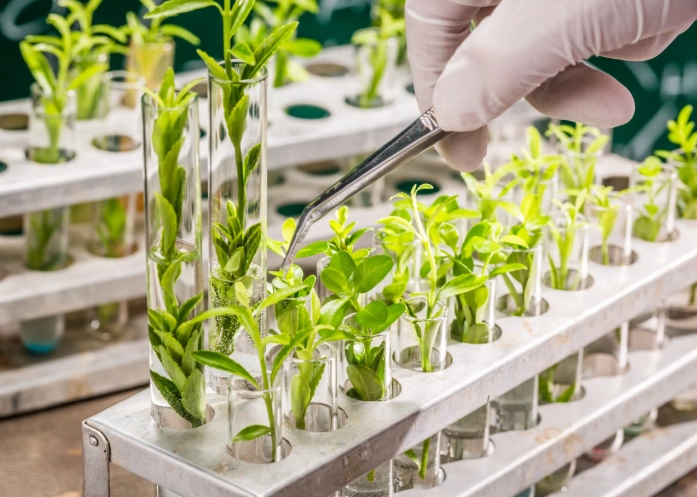
What You'll Learn Inside
The Foundational Methods: Selection & Hybridization
Before we get fancy, we have to master the basics. These methods built our agricultural world.
Mass Selection and Pure Line Selection
This is breeding in its simplest, most intuitive form. You walk through your field or garden, spot the plants that look the best—maybe they're taller, have more uniform pods, or didn't get sick—and you save seeds only from those stars. Do this year after year, and you slowly shift the population. It's incredibly effective for traits that are easy to see and highly heritable.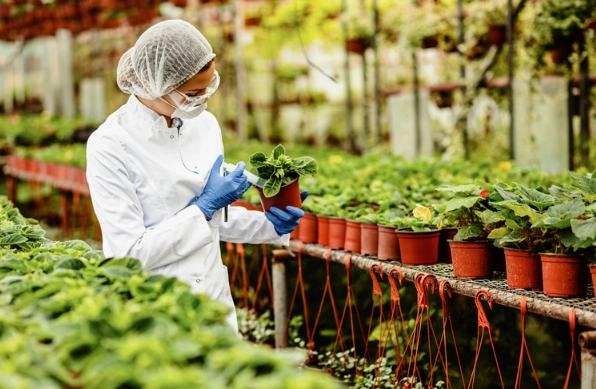
Here's the mistake I see all the time: people select for the wrong thing. You pick the biggest tomato from a plant that struggled all season. That plant's genes might code for "big fruit when stressed," but also for "weak constitution." You've just bred for weakness. Always select seeds from the healthiest, most vigorous plants, not just the one with the single best fruit.
Pure line selection takes it further. You find one exceptional plant, self-pollinate it for several generations until its offspring are genetically identical, and you've created a stable new variety. Many heirloom vegetables originated this way.
Hybridization: Making 1+1=3
This is where Mendel's pea experiments pay off. You cross two genetically distinct parents (Parent A x Parent B) to combine their best traits in the first generation (F1). The magic of F1 hybrid seeds is hybrid vigor—the kids often outperform both parents in yield, uniformity, and growth.
The downside? Developing a stable hybrid line is a long process of creating and inbreeding the parent lines before you can even make the commercial cross. It's a decade-long commitment for seed companies.
The Modern Revolution: From Markers to Gene Editing
Technology has turned the breeding timeline from decades to years. It's not about replacing traditional methods, but supercharging them.
Marker-Assisted Selection (MAS)
Think of this as a DNA test for baby plants. Instead of waiting years for a tree to bear fruit to see if it has disease resistance, we can test a seedling's DNA for specific genetic markers linked to that trait. It's like checking the blueprint instead of waiting for the house to be built. Organizations like the CGIAR consortium use MAS extensively to develop drought-tolerant maize and blast-resistant rice.
The catch? You need to know which markers matter, and that requires prior, extensive genetic research. It's a powerful tool for stacking known, complex traits like multiple disease resistances.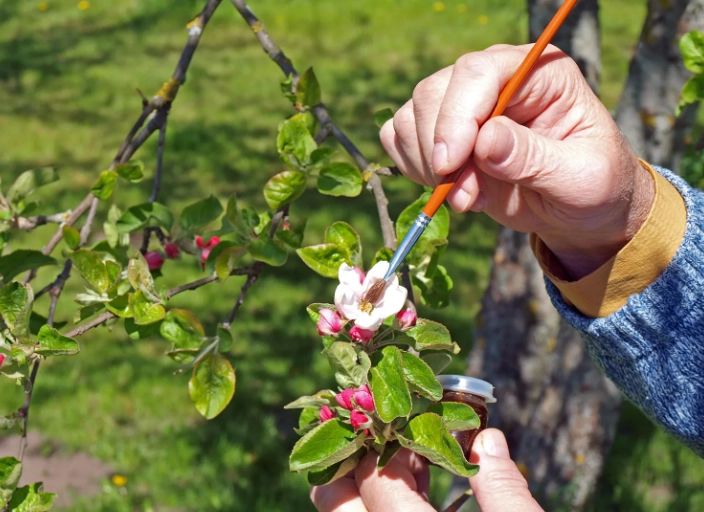
Genetic Modification (GM) and CRISPR-Cas9
This is the controversial one. GM involves transferring a gene from one species to another (like the Bt gene from bacteria into corn for insect resistance). It's precise in one way but random in another—you can't control where the new gene inserts.
Then came CRISPR-Cas9. This is the game-changer. It allows breeders to edit a plant's own DNA with incredible precision—turning a gene off, tweaking its expression, or making a tiny, targeted change. You're not adding foreign DNA; you're editing the existing script. Think of developing non-browning mushrooms or wheat with lower gluten content for sensitive individuals.
The potential is staggering for climate resilience. We're talking about engineering photosynthetic pathways in rice to be more efficient, or tweaking root architecture to seek water deeper in the soil.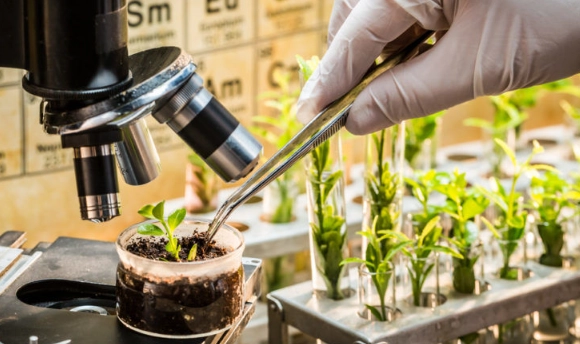
| Method | Best For | Timeframe | Key Limitation |
|---|---|---|---|
| Mass Selection | Improving landraces, simple traits (seed size, color) | 5-10+ years | Slow, ineffective for complex traits |
| Hybridization | Creating uniform, high-vigor commercial varieties | 7-12 years | Cannot save seeds, complex parent line development |
| Marker-Assisted Selection | Stacking multiple known resistances/qualities | 3-7 years | Requires prior genetic mapping of traits |
| Gene Editing (CRISPR) | Precise trait modification, novel qualities | 2-5 years | Regulatory uncertainty, public perception |
A Real-World Breeding Project: From Idea to Field
Let's make this concrete. Say you're a small-scale organic farmer named Maria. Your region is getting drier, and the market demands sweeter, red bell peppers. Your current variety cracks easily with sporadic watering. Here’s how a breeding project might unfold.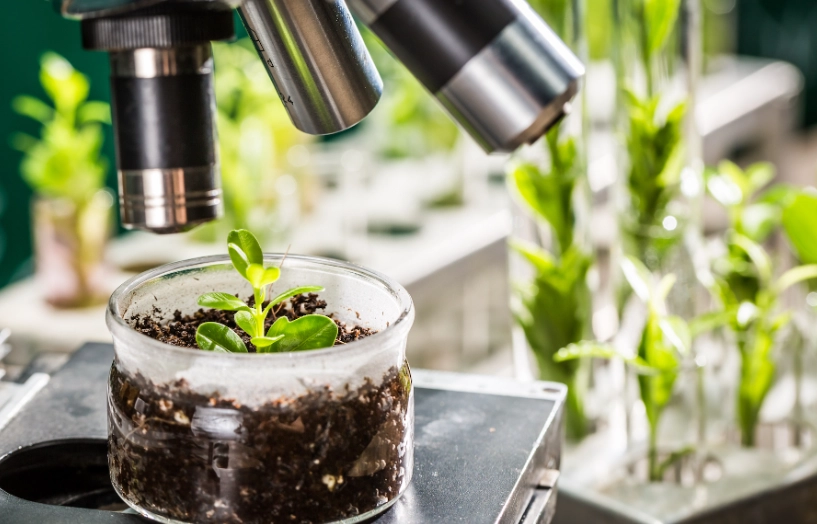
Year 1: The Search & First Cross. Maria sources 15 different pepper varieties known for drought tolerance or thick flesh. She grows them all, taking notes. She finds two: 'Sandia' is incredibly drought-hardy but the fruit is pale green. 'Crimson Star' has perfect, deep red, sweet fruit but wilts easily. She manually cross-pollinates them, tagging the flowers. She saves seeds from the resulting fruits. This is her F1 generation.
Years 2-4: The Shakeout. She plants the F1 seeds. All plants look vigorous (hybrid vigor!). She lets these plants self-pollinate to get F2 seeds. The F2 generation is the "big mess"—plants are all over the place. She walks the rows daily with a notepad, ruthlessly pulling any plant that shows early wilting or thin walls. She only saves seeds from plants that are robust, have thick-walled fruit, and show a deep red color. This intense phenotypic selection happens over several generations (F3, F4).
Years 5-6: Stability Trials. By now, she has several promising lines that breed true. She plants them in replicated plots, comparing them to her old variety and a commercial standard. She collects hard data: yield per plant, Brix (sugar) readings, days to maturity, and incidence of cracking after simulated drought stress.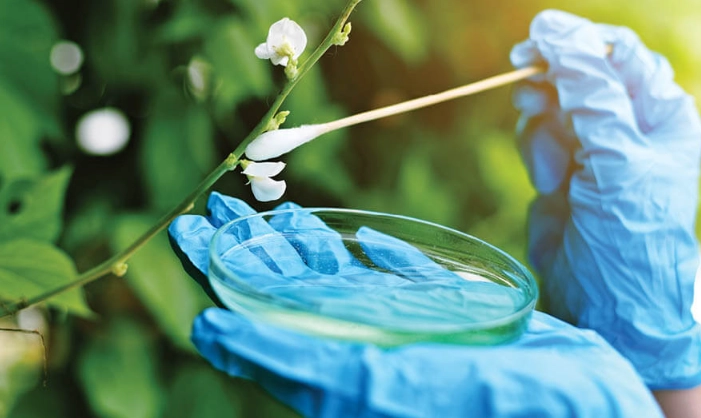
Year 7: Seed Increase & Release. The winning line is bulked up. Maria might name it 'Maria's Resilience Red'. She starts selling seeds and plants to neighboring farms. The entire process took seven years of focused work. A university or company using molecular markers might have shaved off a few years, but the core principle of selection under pressure remained.
Navigating Challenges and Ethical Questions
It's not all smoother, faster, better. Plant breeding sits at a crossroads of science, commerce, and ethics.
The loss of genetic diversity is the classic paradox. In our quest for uniform, high-yielding varieties, we abandon the wild relatives and landraces that carry the genetic keys to future disease resistance. The Svalbard Global Seed Vault exists for this reason. Every breeder has a responsibility to also support conservation efforts.
Then there's the patent and ownership debate. Should a gene sequence be patentable? When a company patents a seed variety, it controls its use. This can stifle innovation and put farmers in a bind. The open-source seed movement is a direct response to this, creating varieties protected by a pledge to keep them free for all to use and improve.
Public perception, especially of GM and gene-edited crops, is a massive hurdle. The communication failure here is historic. The conversation moved to "frankenfood" instead of "this rice could prevent childhood blindness." The future requires transparency, clear benefit communication, and perhaps differentiated regulatory paths for a gene-edited tomato (with a tweak to its own DNA) versus a transgenic soybean.
The goal isn't just more food. It's more nutritious food, grown with less water and fewer chemicals, on land facing new extremes. That's the real promise of modern plant breeding.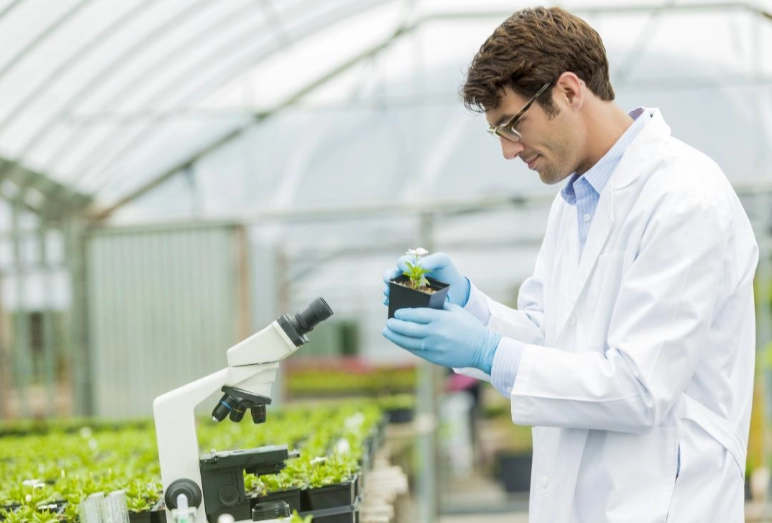
Your Plant Breeding Questions Answered
How long does it take to develop a new crop variety?
It entirely depends on the method and the crop. A simple selection project in a fast-cycling plant like lettuce might show results in 3-5 years. Developing a new apple variety through cross-breeding, waiting for trees to fruit, and evaluating the taste can take 15-20 years. Modern tools like marker-assisted selection can cut timelines by 30-50%, but good breeding still can't rush biology's basic cycles.
What's a common mistake home gardeners make when trying to save seeds?
Ignoring isolation distances. Peppers, brassicas, and squash are notorious for cross-pollinating via insects over long distances. If you're saving seeds from a sweet bell pepper, but your neighbor is growing a hot cayenne, your saved seeds might produce unexpectedly spicy fruit next year. For purity, you either need to isolate plants by several hundred feet, use bagging techniques, or stick to saving seeds from self-pollinating crops like tomatoes, beans, and peas.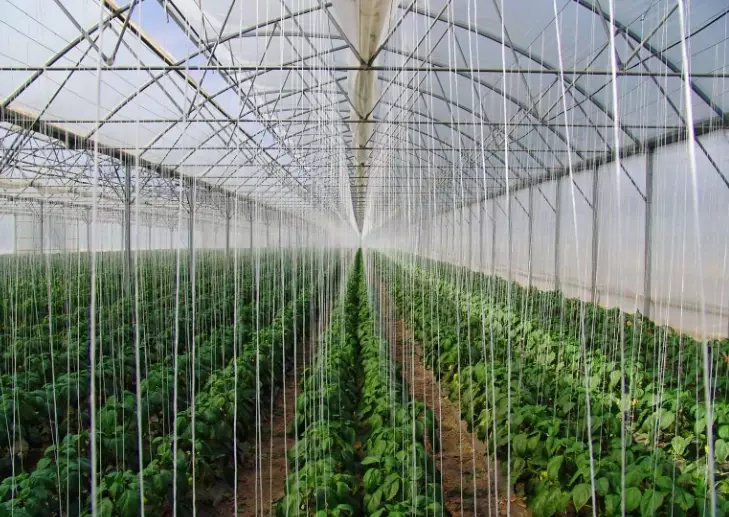
Is gene editing like CRISPR just "GMO 2.0," and will it face the same public resistance?
It's different technically, but the public may lump them together. The key distinction for regulators in some countries is that gene editing can make changes indistinguishable from natural mutations or traditional breeding, with no foreign DNA left behind. The challenge for the industry is to clearly explain tangible consumer benefits—like non-browning produce reducing food waste, or peanuts without the allergenic proteins—rather than just agronomic benefits for farmers, which failed to resonate last time.
Can plant breeding really help with climate change?
It's one of our most critical tools. We're not just talking about drought tolerance. We need varieties that can handle temperature swings during flowering, resist new pests migrating into new areas, and mature faster to fit changing growing seasons. The International Rice Research Institute is working on "scuba rice" that can survive prolonged flooding. This isn't speculative; it's happening now, and it's a race against time.
What's the first step if I want to start a small plant breeding project in my garden?
Start with clear, simple, single objective. Don't try to breed the perfect tomato that's early, huge, crack-resistant, disease-proof, and heirloom-tasting all at once. Pick one thing. Maybe it's "better flavor in a short-season climate." Then, grow as many different varieties as you can that have hints of that trait. Taste them all. Pick the two best. Cross them. And get a really good notebook. Record everything: weather, planting date, which flower you pollinated, what it looked like. The data is your guide. And be patient. Your first few years will be learning experiences, not product launches.