What You’ll Find Inside
Look out your window. What do you see? A strip of grass? A lone tree fighting for space between pavement? Maybe a few pigeons. For decades, that's been the standard for city planning – keep it tidy, keep it controlled. But what if I told you that the messier, wilder, and more diverse a city's natural spaces are, the healthier, safer, and more resilient the city becomes? That's the core idea behind urban biodiversity, and it's flipping the script on how we think about our concrete homes.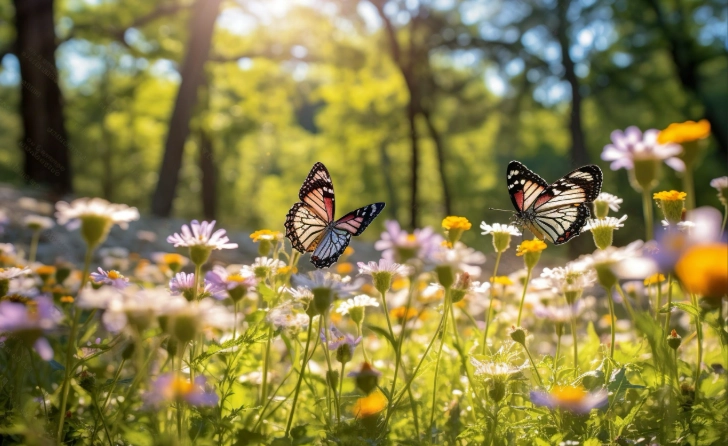
I used to think a "green city" just meant lots of manicured lawns and orderly flower beds. Then I spent a summer volunteering with a local conservation group, pulling up invasive species and planting natives. The difference was staggering. In the manicured park, it was quiet. In the rewilded patch we worked on, life exploded. Bees, butterflies, birds I'd never heard before. It felt alive. That's the power of urban biodiversity – it's not just about adding green, it's about adding life.
Why Bother? The Real, Tangible Benefits of Urban Biodiversity
This isn't just feel-good stuff for nature lovers. The science is crystal clear: investing in urban biodiversity pays massive dividends for human well-being. Let's break down the top ways it helps.
Your Mental and Physical Health Gets a Boost
Ever felt your stress melt away after a walk in a wooded park? That's not just in your head. Studies consistently show that access to biodiverse green spaces lowers cortisol (the stress hormone), reduces symptoms of anxiety and depression, and can even improve concentration and cognitive function in kids and adults. A monoculture lawn doesn't have the same effect. It's the complexity, the sounds, the sights of a functioning ecosystem that engages our brains in a restorative way. The UK's Royal Society for the Protection of Birds (RSPB) has tons of evidence on how birdwatching alone benefits mental health.
On the physical side, more biodiverse spaces encourage walking, cycling, and exploration. They also improve air quality more effectively. A diverse mix of trees and plants can trap a wider range of pollutants than a single species ever could.
A Powerful Buffer Against Climate Change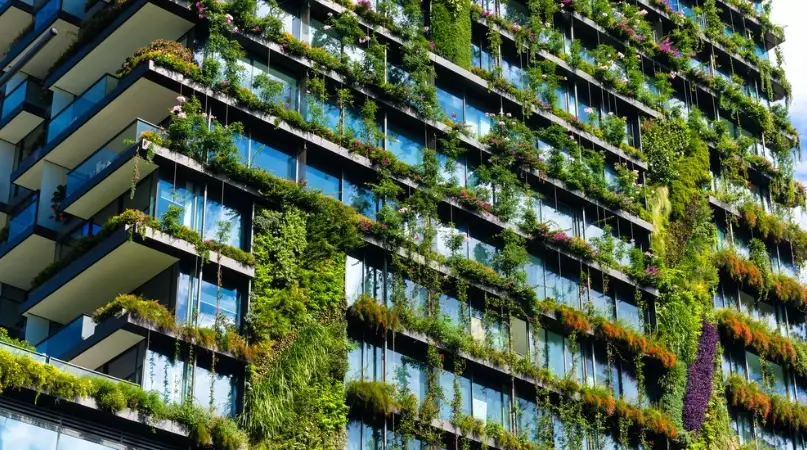
Cities are heat islands. All that concrete and asphalt absorbs and re-radiates heat, making urban areas significantly hotter than their surroundings. A rich urban biodiversity matrix is our best natural air conditioner. Trees provide shade. Plants release cooling water vapor through transpiration. Green roofs and walls insulate buildings, reducing the energy needed for heating and cooling. The Intergovernmental Science-Policy Platform on Biodiversity and Ecosystem Services (IPBES) explicitly links biodiversity loss with reduced resilience to climate change. By boosting urban biodiversity, we're directly fighting urban heating and making our cities more livable during heatwaves.
Then there's flooding. Paved surfaces send rainwater straight into overloaded drains. Natural, biodiverse landscapes with spongy soil, wetlands, and rain gardens absorb and slow down that water, preventing devastating floods. It's a far cheaper and more beautiful solution than just building bigger pipes.
The Ecosystem Services You Never Think About
This is the quiet, invisible workhorse benefit of urban biodiversity. Ecosystem services are the free jobs nature does for us. A diverse urban ecosystem is a master pollinator. It's not just honeybees; native wild bees, flies, butterflies, and even some beetles pollinate our urban gardens and street trees, ensuring fruits and seeds. It's a pest controller. Birds, bats, and predatory insects keep mosquito and aphid populations in check. It's a waste decomposer. Fungi and bacteria break down organic matter, enriching the soil.
When we simplify landscapes, we fire these essential workers. Relying on a single type of tree makes the whole population vulnerable to a single disease (like Dutch elm disease, which wiped out streets). A diverse urban forest is an insurance policy.
The Hidden Cost of Sterile Greenery
Let's be honest, the traditional approach to city landscaping often creates "green deserts." Expansive lawns that are mowed weekly, sprayed with herbicides, and planted with non-native ornamentals that offer zero food or habitat for local wildlife. They look tidy to us, but to the local ecosystem, they're a barren wasteland. They require huge inputs of water, fertilizer, and labor, while contributing very little to genuine urban biodiversity or ecosystem health. We're paying for the illusion of nature.
How Do We Actually Increase Urban Biodiversity? (A Practical Guide)
Okay, so it's important. But how do we actually do that? It's not about letting everything go to seed (though that helps in some spots!). It's about conscious, strategic choices at every level, from city hall to your backyard.
What Cities and Town Planners Can Do
The big moves happen at the policy level. Forward-thinking cities are already doing this. They're creating interconnected green corridors, not just isolated parks. They're rewriting zoning laws to require native plants and limit impervious surfaces. They're investing in green infrastructure – bioswales, green roofs, constructed wetlands – as standard practice, not an afterthought. The International Union for Conservation of Nature (IUCN) has a great Urban Alliance program showcasing global best practices.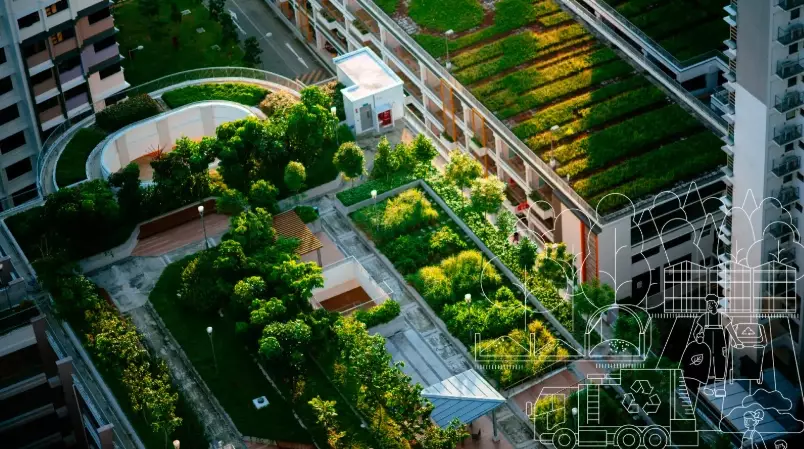
One of the most effective strategies is urban rewilding. This means deliberately reducing maintenance in certain areas to allow natural processes and native species to return. It's cheaper than constant landscaping and results in much higher biodiversity. It does require public education, though – people need to understand that the "messy" area is a designed habitat, not neglect.
| Traditional Urban Greening | Biodiversity-Focused Urban Greening |
|---|---|
| Monoculture lawns | Native wildflower meadows & perennial beds |
| Ornamental, non-native shrubs | Native shrubs that provide berries & nesting sites |
| Neatly edged, manicured parks | "Messy" corners with log piles, leaf litter, & unmown grass |
| Channelized, concrete-lined streams | Daylighted streams with natural, vegetated banks |
| Frequent mowing & chemical use | Reduced mowing schedules & organic management |
| Isolated green spaces | Connected wildlife corridors & green networks |
What You Can Do in Your Own Space
This is where it gets fun and personal. You don't need a big yard. A balcony, a windowsill, a shared driveway strip can become a biodiversity hotspot.
The Urban Biodiversity Starter Kit:
- Plant Native: This is rule number one. Native plants co-evolved with local insects, birds, and soil. They're the foundation of the local food web. A native oak tree supports hundreds of insect species; a non-native ginkgo might support a handful. Check with your local native plant society or extension service for lists.
- Go Vertical: Green walls and climbing plants on fences or walls add habitat without taking up floor space.
- Add Water: A birdbath, a small pond in a pot, or even a dish of water with stones for insects to land on is a magnet for wildlife.
- Build Habitat Hotels: Leave a patch of lawn unmown. Stack some logs or rocks in a corner. Install a bee hotel (make sure it's the right kind for solitary bees). Let autumn leaves lie under trees as winter shelter for insects.
- Ditch the Chemicals: Pesticides and herbicides are weapons of mass destruction in a micro-ecosystem. Embrace a few chewed leaves – it means your garden is feeding life.
- Light Pollution Matters: Use motion-sensor or shielded outdoor lights. Excess artificial light at night disorients moths, fireflies, and migrating birds.
I made the mistake of planting a beautiful but non-native butterfly bush early on. It attracted adult butterflies, sure, but their caterpillars couldn't eat it. When I swapped it for native milkweed and goldenrod, the whole lifecycle appeared. That's the difference.
Your Urban Biodiversity Questions, Answered
Let's tackle some of the common doubts and questions head-on.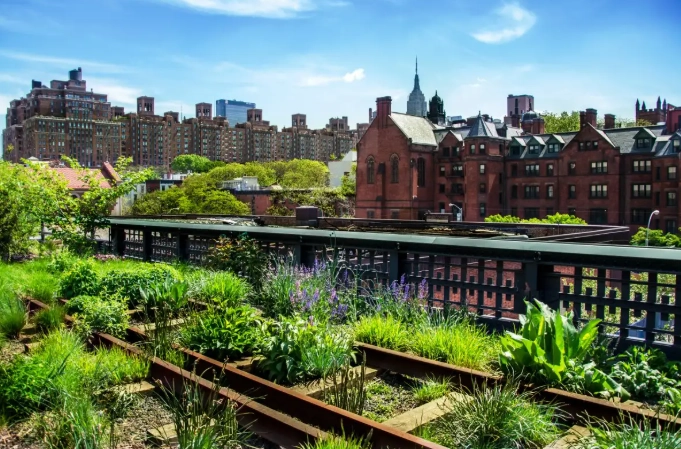
Doesn't more wildlife in cities mean more pests and danger?
This is the biggest fear, and it's mostly misplaced. A balanced, biodiverse ecosystem actually regulates itself. Encouraging birds and bats reduces mosquitoes. Encouraging ladybugs and lacewings reduces aphids. The "pests" we fear are often species that thrive in the simplified, disturbed environments we create. True urban biodiversity focuses on native species that have natural checks and balances. As for danger, the vast majority of urban wildlife wants nothing to do with us. The benefits of having predators like foxes or hawks (which control rodent populations) far, far outweigh any negligible risk.
Isn't this just too expensive for cities to implement?
Short-term, there might be upfront costs for redesign. Long-term, it's a massive money-saver. Natural stormwater management is cheaper than expanding concrete sewer systems. Green spaces that require less mowing, watering, and chemicals save on maintenance budgets. The public health benefits – reducing heatstroke, asthma, and stress-related illnesses – translate into lower healthcare costs. It's an investment that pays for itself many times over. The UN Convention on Biological Diversity has extensive resources on the economics of biodiversity.
I live in an apartment. What can I really do?
So much! Your window box can be a buffet for pollinators if planted with natives. You can put up a bird feeder (ensure it's kept clean to prevent disease). You can choose a potted native shrub instead of a generic ornamental. You can talk to your building management about converting unused roof space or a bare courtyard into a green zone. You can volunteer with or petition your local parks department to adopt more biodiversity-friendly practices. Your voice and your choices as a resident have power.
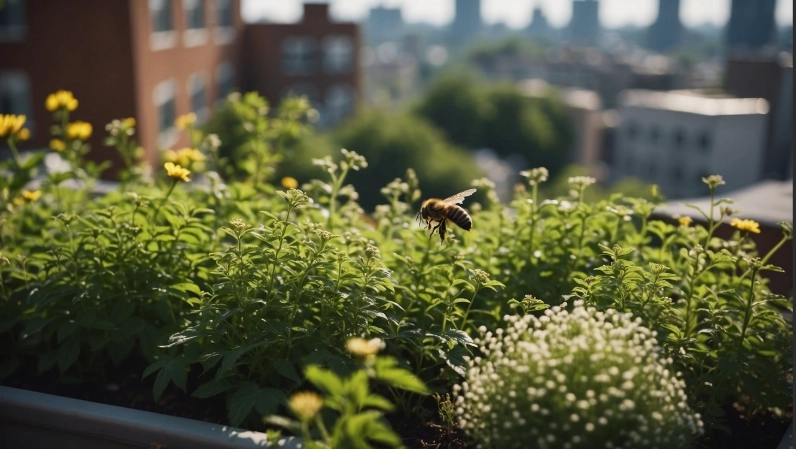
The Road Ahead: Making Biodiverse Cities the Norm
The movement for urban biodiversity is growing, but it's still fighting against a century of "clean and tidy" urban design dogma. The shift requires everyone: citizens demanding more from their parks, developers seeing green infrastructure as a selling point, and politicians having the courage to write better rules.
It also requires us to change our aesthetic. We need to learn to see the beauty in a seedhead standing through winter, in the complex tangle of a hedgerow, in the buzzing activity of a wild patch. It's a more sophisticated, dynamic beauty than a static lawn.
Ultimately, fostering urban biodiversity is an act of hope and resilience. It's about saying that our cities can be more than human storage units. They can be living, breathing, evolving ecosystems that sustain not just us, but thousands of other species we share this planet with. It's about building cities that are not just smarter, but truly wiser.
Start small. Plant one native plant. Leave one corner untidy. Watch what happens. You might be surprised by the life that was just waiting for an invitation.