Quick Navigation
I used to think you needed a lab coat and a PhD to do real science. Turns out, I was completely wrong. Some of the most important ecological research happening right now is being powered by people just like you and me, sitting in our backyards, local parks, or even just looking out our apartment windows. We're talking about citizen science insects projects, and they are quietly changing how we understand the natural world.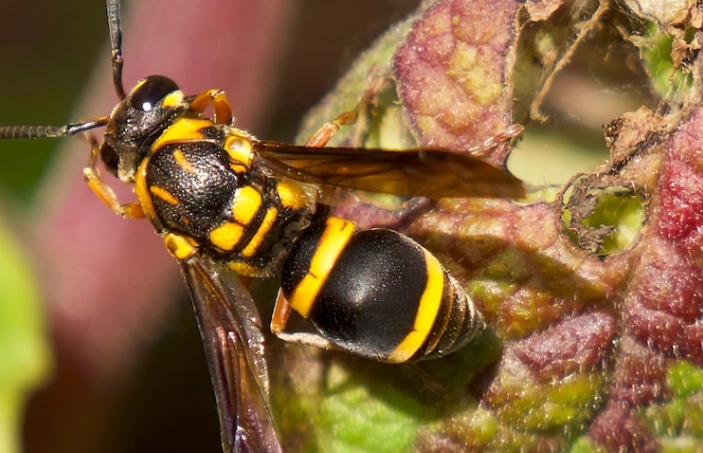
Think about it. Scientists are brilliant, but there are only so many of them. They can't be everywhere at once. But millions of us? We're already everywhere. We see the bees on the lavender, the butterflies fluttering past, the weird beetle on the porch light. What if we could turn those casual observations into real data? That's the whole magic of citizen science.
In a nutshell, citizen science is public participation in scientific research. For insects, this means regular folks (that's us) collecting data on bug populations, distributions, and behaviors. We upload photos, log sightings, or even set up simple traps. Professional scientists then use this massive, geographically widespread data to track trends, study climate change impacts, and guide conservation efforts.
It's a win-win. We get to connect with nature in a meaningful way and learn cool stuff. Science gets a treasure trove of data it could never afford to collect otherwise. And the bugs? They get a better shot at survival because we understand their struggles.
Why Bother Counting Bugs? The Real Impact of Your Backyard Data
Okay, so you snap a picture of a moth. Big deal, right? Actually, it can be. Let's break down why this isn't just a hobby—it's critical.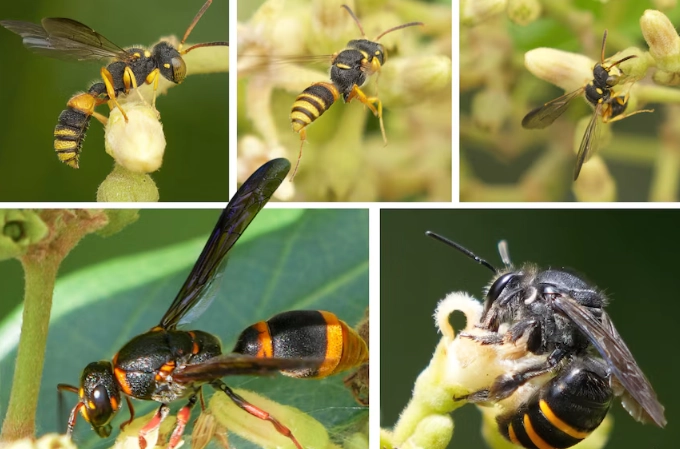
Insect populations are sending us distress signals. Studies point to worrying declines, especially among pollinators like bees and butterflies. But the full picture is incredibly patchy. Official monitoring schemes are sparse. Did the fireflies disappear from your childhood field, or did you just stop looking? Anecdotes aren't data. But thousands of anecdotes, systematically collected? That's a powerful dataset.
By joining a citizen science insects project, your single data point joins a river of others. Scientists can see, for the first time, real-time changes at a continental scale. They can answer questions like: Is the Monarch butterfly's migration route shifting? Are non-native ladybug species outcompeting native ones? How is an unusually warm winter affecting mosquito hatching times?
The strength of citizen science isn't in the precision of a single observation, but in the overwhelming power of thousands of observations across space and time. It turns local whispers into a global conversation about ecosystem health.
I remember sending in my first bumblebee photo to Bumble Bee Watch. It felt a bit silly. A week later, I got an email from a regional coordinator. They confirmed my ID and added that my sighting helped fill a gap in their county-level map for that species. That single bee now existed in a scientific database. It was a strangely powerful feeling.
Top Citizen Science Insects Projects You Can Join Today (No Experience Needed)
Ready to dive in? The best part is you can start right now, with whatever device you're using to read this. Here are some of the most established and user-friendly projects. I've tried most of them, and they all have different vibes.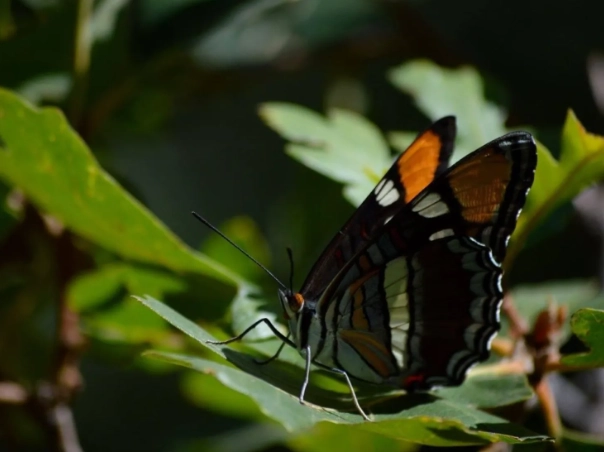
| Project Name | Focus | What You Do | Best For |
|---|---|---|---|
| iNaturalist | All wildlife, but insects are a huge part. | Take a photo, upload it. The community and AI help identify it. Becomes research-grade data when confirmed. | Absolute beginners. The gateway drug of citizen science. You'll learn a ton. |
| Monarch Watch | Monarch butterfly migration and conservation. | Tag migrating monarchs, report sightings, plant milkweed "waystations." | Anyone who loves butterflies. Very focused and impactful. |
| Lost Ladybug Project | Tracking native and invasive ladybug species in North America. | Find ladybugs, photograph them, upload with location data. | Great for kids and families. Ladybugs are easy to find and cute. |
| The Great Sunflower Project | Pollinator (bee) activity and abundance. | Watch a sunflower (or any plant) for 5-15 mins, count the bees that visit. | People who like simple, structured tasks. Minimal tech needed. |
| The Butterfly Network (e.g., Western Monarch Count) | Regional butterfly population counts. | Participate in organized annual or seasonal counts, often following a specific protocol. | Those wanting more structured, "event-style" participation. |
My personal favorite is iNaturalist. It's not just for insects, but that's where it shines. The AI suggestion is spookily good sometimes (and hilariously wrong others—it once thought my photo of a garden hose nozzle was a caterpillar). The community is fantastic. Experts from around the world will chime in to confirm or correct an ID. You're not just throwing data into a void; you're learning with every upload.
Getting Started: Your Simple Toolkit
You don't need fancy gear. Seriously.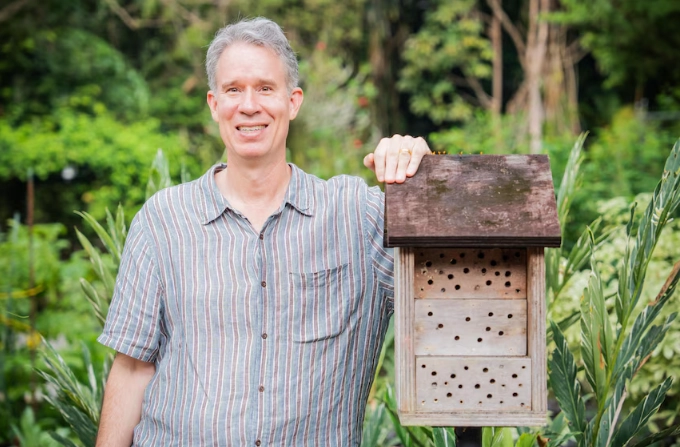
Essential Starter Pack: Your smartphone (camera), the iNaturalist app (free), and a healthy dose of curiosity. That's it. Go for a walk and take pictures of any bug you see. Upload. You've just done citizen science.
Want to level up a bit? Here’s what I added over time:
- A cheap macro lens clip for your phone: This lets you get those stunning close-ups of bee faces and butterfly wings. Game changer for ID and just for the wow factor.
- A small, white ceramic plate or index card: Sounds weird, but placing a bug on a plain white background makes for a much clearer photo for identification.
- A field guide specific to your region: I like the InsectIdentification.org website as a free online resource, but a physical book is great for flipping through. The USDA Forest Service pollinator pages are also an amazing, authoritative free resource.
- A notebook (digital or paper): Jot down the date, time, weather, and what flowers are around. This context is gold for scientists.
The Nitty-Gritty: How to Make Your Data Actually Useful
Let's be honest. A blurry photo of a dot in the distance labeled "bug" isn't helping anyone. The goal is research-grade data. That means observations good enough for scientists to use in published studies. Here's how to get there.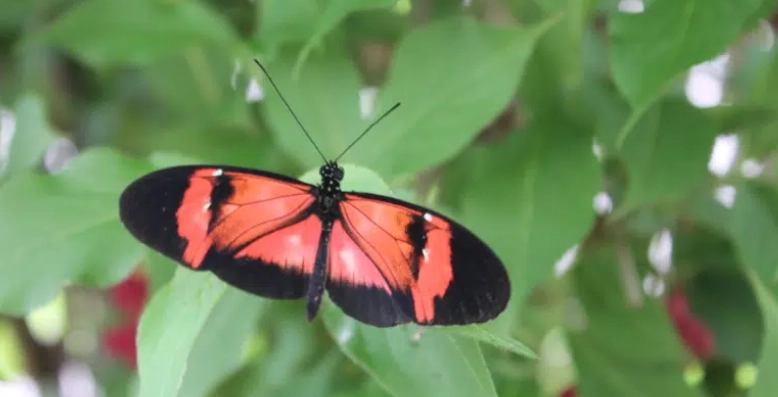
Photo Quality is King (or Queen): Get as close as you safely can. Multiple angles are magic—top, side, maybe the wing pattern. If it's a butterfly, a shot with wings open and closed is ideal. Good, natural light is your best friend. Flash often creates harsh shadows and scares the subject.
Location, Location, Location: Let your phone's GPS tag the photo. Accurate location is perhaps the most critical piece of data after the species itself. If you're privacy-conscious, you can obscure the exact location to a broader area in most apps.
Date and Time: This should auto-populate, but double-check it's correct. Phenology (the timing of natural events) is a huge research area. Knowing *when* that first firefly appeared is crucial.
The ID Challenge: Don't worry if you don't know a hawk from a handsaw fly. Start broad. "Insect," "beetle," "butterfly." The community and AI will narrow it down. The process of learning the ID is a big part of the fun. I spent an entire afternoon once learning how to tell miner bees from honey bees. Now I can't unsee it.
Common Questions (And My Frank Answers)
I had a ton of questions when I started. Here are the ones that really mattered.
The Bigger Picture: Your Role in a Global Movement
When you participate in a citizen science insect project, you're doing more than just sharing a photo. You're becoming a node in a global sensor network. You're helping to democratize science, making it something we all own and contribute to, not just something done to us or for us.
This data is informing real conservation policy. It helps land managers decide which fields to leave fallow, which highways need pollinator corridors, and which pesticides pose the greatest risk. It's empowering. You start to see your local patch not just as your yard, but as a tiny, vital piece of a continental ecosystem. You notice when the bees are late. You celebrate the first firefly. You become a better observer of the world.
I'll admit, it can feel slow. You upload for months and wonder if it matters. Then you get a notification that a researcher has added your observation to a project studying climate change impacts on dragonflies. Or you see the data map for your town fill in with dots where it was blank before. That's the payoff.
The goal isn't to make everyone an entomologist. It's to give everyone the tools to pay attention, to notice the small things that run the world, and to contribute that notice to a story much bigger than themselves.
So, what are you waiting for? Download an app. Look out the window. There's science waiting to be done, and it's crawling right outside your door.