In This Guide
- The Core of Plant Observation: What Are You Actually Looking For?
- Getting Started: Your Plant Observation Practice
- The Essential Toolkit for Plant Observation (No Lab Required)
- Your Plant Observation Questions Answered
- From Observation to Action: Solving Common Problems
- The Bigger Picture: Why This Practice Matters Beyond Your Windowsill
Let's be honest. Most of us just look at our plants. We see green, we see leaves, we hope for the best. But there's a world of difference between looking and truly observing. That's where the practice of plant observation comes in. It's not some high-level botanical science reserved for people with lab coats. It's about learning the language of your plants, noticing the tiny details that tell a story about their health, their happiness, and their needs.
I used to be the worst at this. I'd buy a beautiful fiddle leaf fig, put it in a corner that looked nice, and water it when I remembered. Surprise, surprise – it didn't last long. I was looking, but I wasn't seeing. I missed the early signs of distress, the subtle pleas for help. It wasn't until I started a simple plant observation routine that everything changed. My plants stopped being decorative objects and became living companions with clear, understandable needs.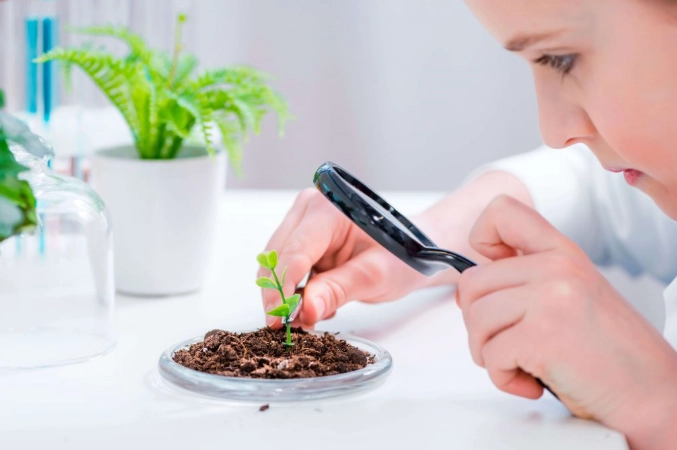
So, what exactly is plant observation? At its core, it's the intentional, systematic practice of examining your plants to gather information. You're a detective, and the plant is giving you clues. The color of a new leaf, the firmness of the soil, the angle at which the stems are reaching for light – it's all data. This guide is here to strip away the intimidation and show you how to start. No fancy degrees required, just a bit of curiosity and a few minutes of your time.
The Core of Plant Observation: What Are You Actually Looking For?
Jumping into plant observation can feel overwhelming if you don't know where to start. You're staring at this green thing and thinking, "Okay... now what?" Let's break it down into manageable chunks. Good plant observation isn't about knowing everything at once; it's about building a checklist in your mind.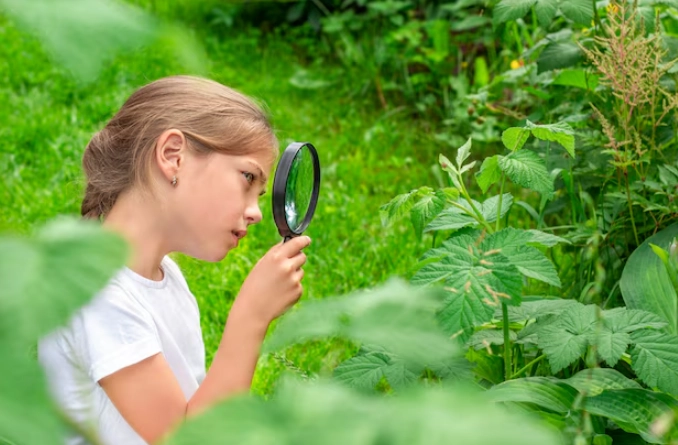
The Leaves: Your Plant's Primary Report Card
Leaves talk. A lot. They're the most obvious indicator of your plant's well-being, so your plant observation should always start here.
- Color: Is the green vibrant and uniform? New growth should be a brighter, lighter green, maturing into the plant's characteristic shade. Yellowing leaves (chlorosis) are a classic distress signal – but is it uniform yellowing or just at the edges? Browning tips often point to low humidity or salt buildup from fertilizer. Dark, almost black spots can indicate a fungal issue.
- Texture and Firmness: Gently feel the leaves. Are they firm and turgid, or soft and limp? Limp leaves often scream for water. Are they wrinkly (common in succulents when thirsty)? Is the surface dusty? Dust blocks sunlight, so wipe those leaves down!
- Orientation and Movement: Are the leaves perky and facing upwards or outwards? Are they drooping or curling inwards? Some plants, like prayer plants, have natural daily movements (nyctinasty), which is a fantastic sign of health. A lack of movement in a plant that usually has it can be a problem.
The Stems and Growth Pattern
Look past the leaves. The stems hold secrets about light and strength.
Is the stem thick and sturdy, or is it thin, elongated, and stretching desperately? That stretching is called etiolation. It's your plant's way of saying, "I am searching for more light!" It's a common issue with succulents and many houseplants placed in dim corners. Also, check where new growth is emerging from. Is it coming from the tips (apical growth) or from nodes along the stem (branching)? Understanding this helps you know where to prune if you want a bushier plant.
The Soil and Roots: The Hidden Half of the Story
This is where most casual plant owners fail. The soil surface can lie. The real story is an inch or two down.
Stick your finger into the soil. I know, it seems simple, but it's the single most effective plant observation technique for watering. Is it bone dry, slightly moist, or soggy wet? Each plant has a preference. Overwatering is the #1 killer of houseplants, and it happens because people water on a schedule instead of observing soil moisture. Every week or two, gently tip the plant out of its pot (if it's not too big) and check the root ball. Healthy roots are usually white or light brown and firm. Dark, mushy, slimy roots are a sign of root rot. A foul smell from the soil is another dead giveaway.
The best fertilizer is the gardener's shadow. But the most informative tool is the gardener's finger. Let your touch guide you.
Getting Started: Your Plant Observation Practice
Okay, you know what to look for. How do you turn this into a habit that doesn't feel like a chore? The goal is consistency, not perfection.
The Daily/Weekly Glance
This is your casual check-in. When you get your morning coffee or walk into the room, just take 30 seconds per plant. Scan it. Does anything look drastically different from yesterday? A sudden dramatic droop? A new pest visibly crawling around? This level of plant observation is about catching emergencies.
The Weekly Deep Dive
Set aside 10-15 minutes once a week. This is your dedicated plant observation session. Go plant by plant.
- Feel the Soil: Finger test, every time.
- Inspect Leaves (Top and Bottom): Turn leaves over. Pests like spider mites and mealybugs love the undersides.
- Check for New Growth: Celebrate it! A new leaf or stem is the ultimate sign you're doing things right.
- Rotate the Pot: A quarter turn each week promotes even growth and prevents your plant from leaning into the light.
- Wipe Leaves: Use a damp cloth to gently clean dust off large leaves. They'll photosynthesize better and look gorgeous.
This routine transforms plant care from reactive ("Oh no, it's dying!") to proactive ("Hmm, this leaf is a bit pale, maybe it needs a light feed").
The Essential Toolkit for Plant Observation (No Lab Required)
You don't need much. In fact, you can start with just your senses. But a few simple tools can elevate your plant observation game from guesswork to precision.
| Tool | Primary Use | Why It's Useful | My Honest Take |
|---|---|---|---|
| Your Finger | Soil moisture check | Free, always available, gives a direct feel. | Still the undefeated champion. Never leave home without it (on your hand). |
| A Notebook & Pen | Keeping a plant journal | Tracks changes over time, records watering/feeding, notes problems & solutions. | This was a game-changer for me. Memory is faulty; paper is truth. A simple dated note like "Jan 15 - Watered, new unfurling leaf on Monstera" works wonders. |
| Magnifying Glass / Phone Macro Lens | Inspecting for pests & tiny details | Reveals spider mites, thrips, eggs, and subtle leaf damage invisible to the naked eye. | I resisted this, thinking it was overkill. Then I found a colony of nearly invisible mealybugs. Now I'm a believer. A cheap 10x loupe or a phone clip-on lens is invaluable. |
| Moisture Meter | Measuring soil moisture at root level | Takes the guesswork out for deep pots; helpful for beginners unsure of the "finger feel." | Great for beginners or for large, deep pots. But don't become dependent on it. Learn to correlate its reading with how the soil actually feels to build your intuition. |
| Small Ruler or Measuring Tape | Tracking growth | Provides objective data on new leaf size, vine length, etc. Motivating! | More fun than essential. It's incredibly satisfying to measure a new leaf and see it's grown 2 inches in a week. |
| Your Phone Camera | Visual documentation | Take weekly photos from the same angle. The progression over months is astonishing and helps identify slow changes. | Probably the most powerful modern tool. A photo from a month ago doesn't lie. It shows growth, color changes, and problems you might have missed in the moment. |
See? Nothing crazy. You likely have most of this already. The notebook, I'll be honest, is the secret weapon. It turns your plant observation from a fleeting glance into a longitudinal study.
Your Plant Observation Questions Answered
When you start paying this much attention, questions pop up. Here are some of the most common ones I've wrestled with and asked other plant enthusiasts.
How often should I really be doing a deep plant observation?
For most common houseplants, that weekly deep dive is perfect. For succulents and cacti, which change slowly, you can stretch it to every two weeks. For a brand-new plant or one you're rehabilitating, you might check it every few days. Let the plant's behavior guide you. If it's growing rapidly in its season, check in more often. If it's dormant in winter, scale back. The key is regularity, not necessarily frequency.
My plant looks fine, but it's not growing. What am I missing in my observation?
Ah, the plateau. This is a great question. If a plant is alive but not growing, your plant observation needs to shift to environmental factors. You've checked the plant itself—now check its world.
- Light: Is it really getting enough? Download a free light meter app on your phone. The reading at noon might surprise you. The light in a north-facing window is vastly different from a south-facing one.
- Season: Is it winter? Most plants slow down or stop growing completely with shorter days and cooler temps. Don't force it with extra fertilizer; just water less and wait for spring.
- Pot Size: Gently check if roots are circling the bottom of the pot (root-bound). A plant that's out of room will often focus energy on survival, not new growth.
- Nutrients: Have you ever fertilized it? The nutrients in potting mix eventually deplete. A diluted, balanced fertilizer during the growing season can work wonders.
I see tiny bugs. What now? How do I observe pests correctly?
First, don't panic. Isolate the affected plant from others immediately. Then, use your magnifier. Identifying the pest is 90% of the battle.
Spider Mites: Look for fine, silky webbing, especially under leaves and at stem joints. The mites themselves are tiny, moving dots. Leaves may look stippled or dusty.
Mealybugs: Look like tiny bits of white cotton fluff tucked into leaf axils, under leaves, and on stems.
Scale: Appear as small, brown, bumpy shells stuck to stems and the undersides of leaves. They don't look like bugs at first.
Fungus Gnats: Tiny black flies buzzing around the soil surface. Their larvae live in the soil and munch on roots.
For reliable, science-based information on identifying and managing these pests, the University of Minnesota Extension website has fantastic, detailed guides with photos. Your local university's agricultural extension service is an incredible (and free) resource for this kind of practical info.
Once you've ID'd the culprit, you can choose the right treatment—whether it's a shower, insecticidal soap, neem oil, or sticky traps.
Is there a "best" time of day for plant observation?
Morning is generally ideal. Plants are rested, fully hydrated (if watered properly), and any distress from the previous day is visible. You'll also catch pests that are more active in the cooler hours. Evening observation is useful too, especially to see if a plant you thought was underwatered has perked up after a drink. The main thing is to be consistent with the time, so you're comparing similar states.
From Observation to Action: Solving Common Problems
The whole point of all this looking is to know what to do. Here’s how to translate your observations into action.
Observation: Leaves are yellowing, starting from the lower, older leaves. Soil feels moist.
Likely Cause: Overwatering / poor drainage.
Action: Stop watering immediately. Let the soil dry out thoroughly. Check for root rot. Ensure the pot has drainage holes. Consider a grittier soil mix.
Observation: Leaves are brown, crispy, and curling at the edges and tips.
Likely Cause: Low humidity or chemical burn from fertilizer/water.
Action: Increase humidity with a pebble tray or humidifier. Flush the soil with plain water to leach out salt buildup. Use filtered or distilled water if your tap water is very hard.
Observation: Plant is leaning heavily to one side, stems are long and space between leaves is wide.
Likely Cause: Insufficient light (etiolation).
Action: Gradually move the plant to a brighter location. Rotate the pot regularly. You can prune the leggy growth to encourage bushier new growth from the base.
Observation: New leaves are significantly smaller than older leaves.
Likely Cause: Lack of nutrients or insufficient light.
Action: Ensure adequate light first. If light is good, consider a light feeding with a balanced, diluted fertilizer during the growing season.
A plant's problem is rarely a single, simple answer. Your job as an observer is to gather all the clues—leaf condition, soil moisture, light exposure, season—and piece together the most likely story. Sometimes it's a process of elimination.
The Bigger Picture: Why This Practice Matters Beyond Your Windowsill
This might sound a bit deep for talking about a pothos, but stick with me. Consistent plant observation does something to you, not just for your plants.
It forces you to slow down. In a world of notifications and constant rush, spending ten quiet minutes with your plants is a form of meditation. You're focusing on slow, incremental change. You're practicing patience. You're learning that care is not a single heroic act, but a series of small, attentive gestures.
It also builds a deeper connection to the natural world, even inside your home. You start to understand seasons, light cycles, and biological processes on an intimate level. You begin to see the same patterns outside. That tree on your street? You'll notice when its buds swell. You'll understand why the grass looks different in October than in July.
For resources that connect your indoor observations to the broader botanical world, the USDA Plants Database is a phenomenal, authoritative source for plant information, native ranges, and characteristics. It can help you understand the natural habitat of your houseplant's wild cousins, which gives huge context to its care needs.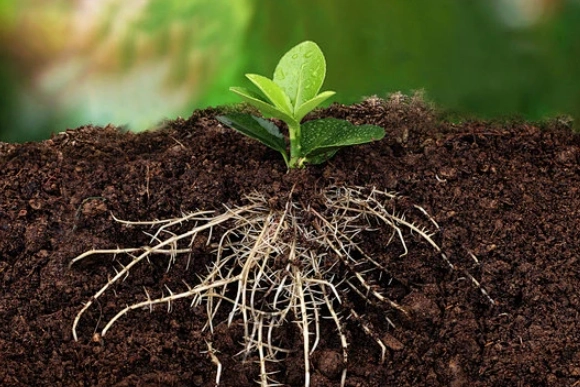
So, start simple. Pick one plant. Maybe the one you're most worried about. Get a notebook, or just open a note on your phone. Look at it—really look. Feel the soil. Note the date and one thing you see. Do it again next week.
You'll be amazed at what you start to see. And your plants will thank you for it, not with words, but with lush, resilient, vibrant growth. That's the real reward of dedicated plant observation.
Now go look at your plants. I mean, really look.