Quick Navigation
Let's be honest for a second. When you think of carnations, what comes to mind? For a lot of people, it's those slightly wilted bunches next to the cash register, dyed in neon colors that don't exist in nature. I used to think the same way. They seemed like the filler flower, the budget option, the thing you bought when you forgot an anniversary on the way home. But then I actually tried growing some in a sunny corner of my garden, and wow, was I wrong. The experience completely changed my perspective.
The truth is, carnations (or Dianthus caryophyllus if you want to get botanical) are some of the most resilient, fragrant, and historically rich flowers you can grow or gift. They've been around for over 2,000 years, weaving through Greek coronation ceremonies and Victorian love tokens. There's a depth here that most people totally miss. This guide is my attempt to fix that. We're going to dig into everything—from getting your hands dirty in the garden to understanding the secret language of their colors. Whether you're a beginner gardener wondering if you can keep one alive or someone looking for the perfect meaningful bouquet, you'll find your answers here.
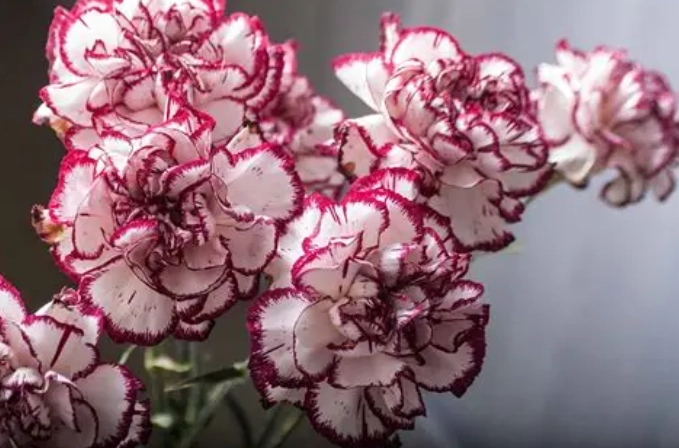 So, are carnations really that boring? Not even close.
Getting Your Hands Dirty: How to Grow Carnations That Actually Thrive
This is where most guides throw a textbook at you: full sun, well-drained soil, the end. But let's talk about what that really means for keeping your carnations happy. They're Mediterranean natives at heart, which tells you a lot. They love sunshine like a cat loves a warm windowsill—think at least 6 hours of direct, unfiltered light. Less than that, and they get leggy, floppy, and might just give up on flowering altogether. I learned this the hard way with a pot I tried on a partly shaded patio. It survived, but it never really lived.
The soil part is non-negotiable. "Well-drained" is the keyword. They absolutely despise wet feet. If your soil is heavy clay (like the lumpy stuff in my first garden), you've got to fix it. Mix in a generous amount of coarse sand or fine gravel and plenty of compost. You're aiming for a loose, almost crumbly texture that water runs through quickly. A raised bed is a fantastic solution if your ground is stubborn.
Watering is a delicate dance. The goal is to let the soil dry out slightly between waterings. Stick your finger in the soil up to the first knuckle. If it feels dry, it's time to water. Soak the soil deeply at the base of the plant, avoiding the leaves to prevent fungal diseases. In the peak of summer, they might need water every other day, but in spring and fall, once a week could be plenty. It's all about checking, not guessing.
The Big Decision: Annual vs. Perennial Carnations
This trips up a lot of new gardeners. Not all carnations are created equal, and their lifespan is the biggest difference.
- Border Carnations (Perennial): These are the tough guys. Plant them once, and with proper care, they'll come back year after year, developing woody stems at the base. They typically grow about 18-24 inches tall and produce one large, stunning bloom per stem. They're the classic choice for a cottage garden border.
- Florist's Carnations (Perennial, often grown as annuals): These are the ones you see in bouquets—tall, straight stems with a single, large, perfect bloom. Commercially, they're often grown in controlled environments. In a home garden, they can be perennial in very warm climates but are often treated as annuals elsewhere because they are fussier about conditions.
- Spray Carnations (Perennial): My personal favorites. A single stem produces a cluster of smaller, adorable blooms. They're incredibly prolific, last forever in a vase, and just look more natural and abundant in the garden. They tend to be more forgiving than the florist types.
For most home gardeners starting out, I'd point you straight to spray carnations or a hardy border variety. The success rate is higher, and the payoff is just as beautiful.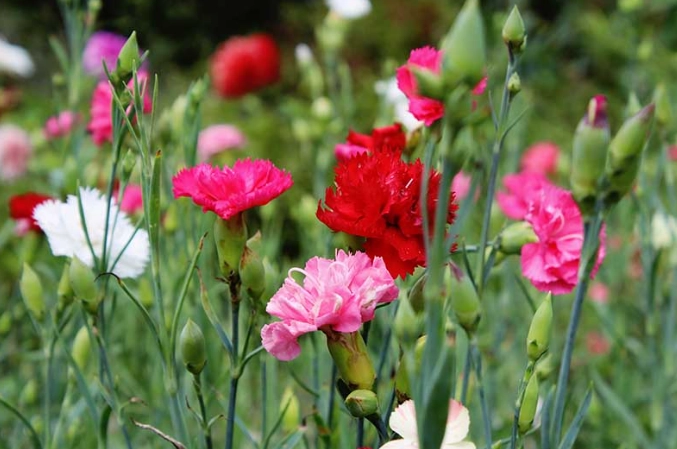
The Hidden Language of Carnation Colors
This is the fun part, steeped in that old-fashioned "language of flowers" called floriography. Victorians were masters of this, sending entire coded messages with bouquets. While we don't need to be that cryptic today, knowing the meanings adds a whole new layer of thoughtfulness to giving carnations.
It's not just "red means love." The shade and context matter.
| Color | Primary Meaning | Perfect For... | A Little Extra Context |
|---|---|---|---|
| Red Carnations | Deep love, admiration, affection | Romantic partners, mothers on Mother's Day | Darker reds signify deeper passion. Lighter reds or pinks are for admiration. |
| Pink Carnations | Gratitude, motherly love (especially light pink) | Mother's Day, thank you bouquets, showing appreciation | This is the quintessential Mother's Day flower. Legend says they first sprang from the Virgin Mary's tears. |
| White Carnations | Pure love, good luck, innocence | Weddings, christenings, get-well wishes | They can also symbolize remembrance, making them a respectful choice for sympathy. |
| Yellow Carnations | Disappointment, rejection (historically) | Caution! Best to mix with other colors or avoid unless you know the recipient understands the modern shift. | This is the big one! Historically, it meant "you have disappointed me." Today, many see it as cheerfulness and friendship, but it's a risky choice. |
| Purple Carnations | Capriciousness, unpredictability | Whimsical gifts, artistic friends | They can also symbolize dignity and success. A complex color! |
| Green Carnations | Luck, good fortune (especially on St. Patrick's Day) | St. Patrick's Day, celebrating new beginnings | Popularized by Oscar Wilde, they also became a subtle symbol of LGBTQ+ identity in the 19th century. |
See what I mean? Giving someone a bouquet of yellow carnations could send a very different message than you intend! When in doubt, you can't go wrong with a mixed bunch of pinks, whites, and reds. It covers all the good bases: love, gratitude, and purity.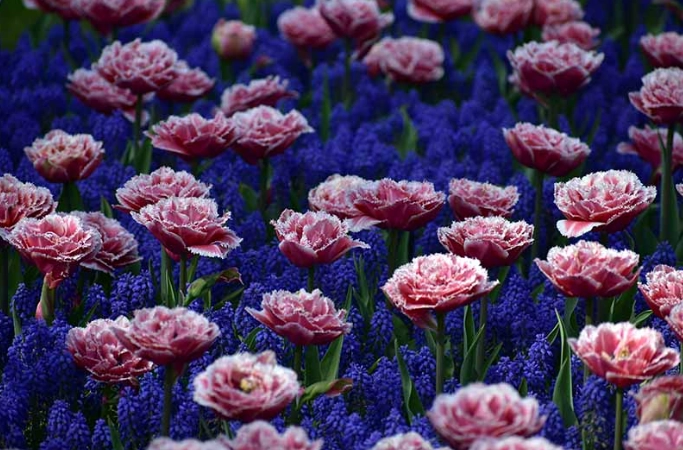
Beyond the Garden: Choosing, Buying, and Keeping Cut Carnations Fresh
Not everyone is a gardener, and that's perfectly fine. The magic of carnations is that they are arguably the longest-lasting cut flower you can buy at a supermarket or florist. Seriously, with a little care, they can look good for two to three weeks. That's incredible value.
So, how do you pick the best bunch? Avoid any bouquets where the flowers look tightly closed or where the petals have started to brown at the edges (called "sleepiness"). You want buds that are just beginning to crack open, showing a bit of color. The stems should be firm and green, not slimy or brown. Give the leaves a gentle tug; if a bunch of them fall off, the flowers are old.
Now, the secret to their marathon vase life:
- Recut the stems. As soon as you get home, take your shears and cut about an inch off the bottom of each stem at a 45-degree angle. Do this under running water or submerged in a bowl if you can. It prevents air bubbles from blocking the stem's water uptake.
- Strip the leaves. Any leaves that will sit below the waterline in your vase must be removed. They rot quickly and poison the water with bacteria.
- Use flower food. Seriously. That little packet that comes with bouquets is magic dust. It contains food to nourish the bloom, an acidifier to help water travel up the stem, and a biocide to fight bacteria. Use it. If you run out, a DIY mix of a drop of bleach, a teaspoon of sugar, and a few drops of lemon juice in a quart of water works in a pinch.
- Change the water. Every two or three days, dump out the old water, rinse the vase, recut the stems a tiny bit, and add fresh water and food. This one habit doubles their lifespan.
- Keep them cool. Don't put your vase next to a heater, stove, or in direct sunlight. A cool room is their best friend.
Why are they so long-lasting? Botanically, carnations have incredibly strong, woody calyxes (the green cup at the base of the bloom) that hold everything together. Other flowers, like tulips, are much more delicate. This sturdy structure is their superpower.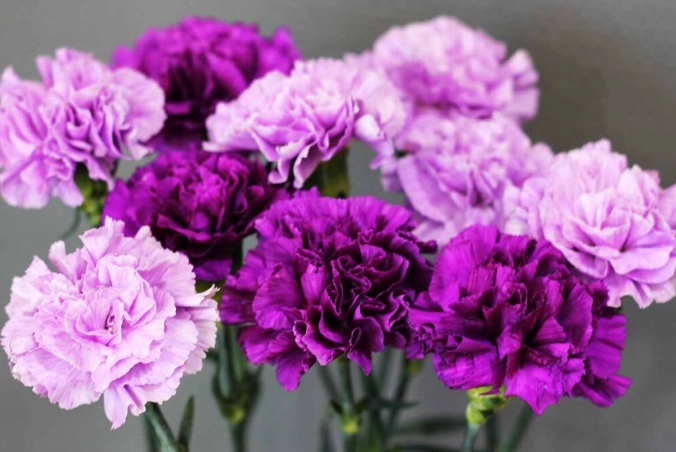
Answering Your Carnation Questions (The Stuff You Actually Google)
Let's tackle the real-world questions that pop up when you're dealing with these flowers.
Are carnations poisonous to pets?
This is a huge concern for pet owners, and rightly so. According to the ASPCA (American Society for the Prevention of Cruelty to Animals), carnations are listed as toxic to cats, dogs, and horses. However, it's important to note they classify the toxicity as mild. If your dog nibbles on a leaf or petal, it might cause some mild gastrointestinal upset—think drooling, vomiting, or diarrhea—but it's not considered life-threatening. Still, it's best to keep bouquets and garden plants out of reach of curious pets. Lilies are the real danger for cats; carnations are more of a mild irritant.
Why are my carnation leaves turning yellow?
Ah, the yellow leaf dilemma. It's usually a sign your plant is stressed, and the cause can be one of a few things:
- Overwatering: The most common culprit. Soggy soil suffocates the roots. Let the soil dry out more between waterings.
- Underwatering: Less common, but possible. The plant will look wilted and have yellow leaves.
- Nutrient Deficiency: A lack of nitrogen can cause yellowing, especially in older leaves. A balanced feed might help.
- Natural Aging: Older leaves at the bottom of the plant will yellow and die off as the plant grows. This is normal. Just pinch them off.
Start by checking your watering habits. That's usually where the problem lies.
Can you grow carnations from cuttings?
Absolutely! In fact, it's the primary way professional growers propagate specific varieties to ensure they stay true-to-type. It's easier than you think. In late spring or early summer, take a 4-6 inch cutting from a healthy, non-flowering shoot. Strip the leaves from the bottom half, dip the cut end in rooting hormone (this helps a lot), and stick it in a pot filled with a half-and-half mix of perlite and peat moss. Keep it moist and in a warm, bright spot (out of direct sun). In a few weeks, it should develop roots. It's a satisfying and free way to get more plants.
What's the difference between a carnation and a dianthus?
This is a taxonomy question. Think of it like this: All carnations are dianthus, but not all dianthus are carnations. "Dianthus" is the huge genus name that includes carnations (D. caryophyllus), sweet Williams (D. barbatus), and the low-growing, mat-forming pinks (D. plumarius and others). They're all cousins, sharing the signature fringed or ruffled petal edges and often that lovely, spicy-clove fragrance. The plant database at the Missouri Botanical Garden is a fantastic resource for untangling these botanical relationships.
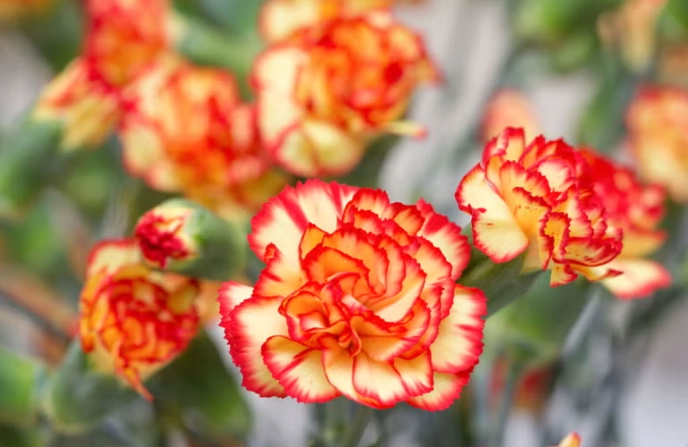 See? They're not so simple after all.
From My Garden to Your Home: Easy Carnation DIY Projects
If you grow them or even if you just have a leftover bunch that's past its prime, don't just toss them. Carnations are wonderfully versatile for crafts.
Drying Carnations: They dry beautifully, retaining their color and shape better than most flowers. Hang a bunch upside-down in a dark, dry, well-ventilated space (like a closet) for a few weeks. Use them in wreaths, potpourri, or framed dried flower art. The dried petals are also lovely scattered on tables for events.
Simple Pressed Flowers: Tuck a few blooms or individual petals between the pages of a heavy book for a month. They press flat and are perfect for card-making, bookmark laminating, or resin jewelry. The intricate details of their petals really shine when pressed.
Carnation-Infused Oil (for fragrance): This is a fun, mildly aromatic project. Fill a clean jar with pesticide-free carnation petals. Cover them with a neutral carrier oil like sweet almond or jojoba oil. Seal the jar and let it sit in a sunny window for 2-3 weeks, shaking gently every few days. Strain out the petals. The resulting oil will have a very subtle, spicy floral scent perfect for adding to homemade lotions or bath salts. It's more about the ritual and the subtle fragrance than a strong perfume.
Look, at the end of the day, gardening and flowers are supposed to bring joy, not stress. Carnations are a low-stress gateway into that world. They ask for little, forgive some mistakes, and give back so much in color, fragrance, and longevity.
They've gone from being a flower I overlooked to one of the mainstays in my garden and my vase. Give them a chance with the right knowledge, and I bet they'll surprise you too. Forget what you thought you knew about them being cheap or boring. A well-grown, fragrant carnation in a vibrant color is a thing of simple, enduring beauty. And isn't that what we all want from our gardens and our homes?