Quick Navigation
You've probably seen those pots labeled "Mosquito Plant" or "Citronella Plant" at the garden center. The promise is tempting: a beautiful, fragrant plant that keeps bugs away all summer long. I bought my first one years ago, full of hope, and plopped it on my patio table expecting a mosquito-free zone. The reality? Well, it's a bit more complicated than the tag makes it seem.
Let's talk about what a citronella plant really is, because there's a lot of confusion out there. The plant most of us bring home from the store isn't the true source of commercial citronella oil. That's a different plant entirely, a grass. The one sold as an ornamental is usually a scented geranium, specifically Pelargonium citrosum or something similar. It smells lemony, for sure. But does it really work as well as they say? We'll get into that.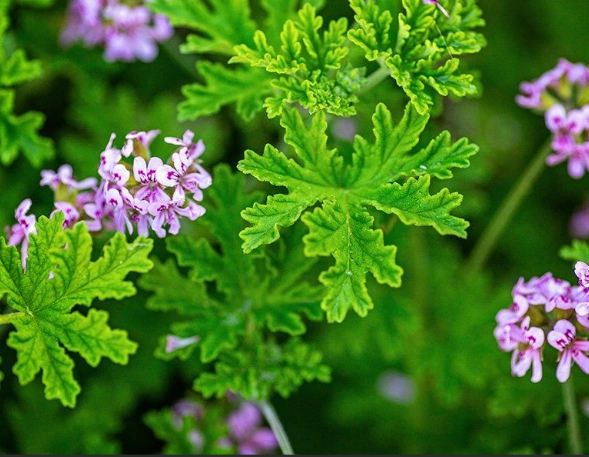
I've grown these plants for seasons now, both in pots and in the ground. I've seen them thrive and I've seen them struggle. This guide is everything I wish I knew before I started, pulled together with research from places like the Royal Horticultural Society and university agriculture extensions, plus my own trial and error (and a few dead plants along the way).
What Actually Is a Citronella Plant?
This is where everyone gets tripped up. The name "citronella" is used for two completely different plants, and knowing which one you have matters.
The Famous Scented Geranium (The Patio Plant)
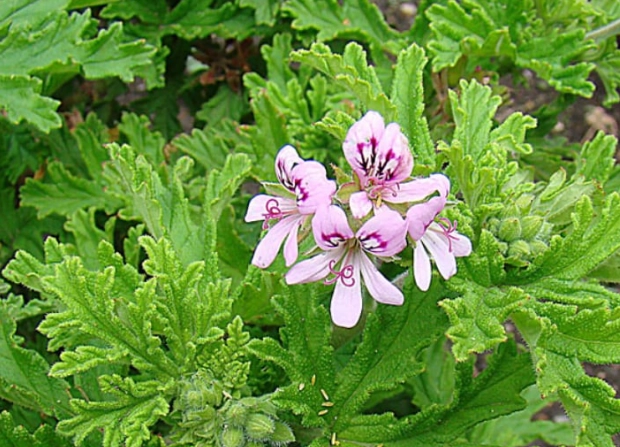
This is the guy in the decorative pot. Scientifically, it's often Pelargonium citrosum, sometimes called the "mosquito plant." It's a type of scented geranium with deeply lobed, fuzzy leaves that release a strong lemony fragrance when touched. This fragrance is due to citronellal and geraniol, compounds also found in the real citronella oil. Garden centers love it because it's pretty, easy to grow, and sells on a great idea.
I love the look of it. The leaves are interesting, and it sprouts cute little pinkish-purple flowers. But here's my honest take: the smell is strong and pleasant to me, but I've had friends say it's a bit medicinal. It's not a subtle scent.
The Real Deal: Citronella Grass
This is the source of the commercial citronella oil used in candles, torches, and sprays. It's Cymbopogon nardus or Cymbopogon winterianus, a clumping perennial grass that looks a lot like lemongrass. It's not typically sold as a decorative patio plant because it's, well, grassy. It can grow several feet tall and wide. The oil is extracted from its leaves. This grass contains a higher concentration of the effective compounds.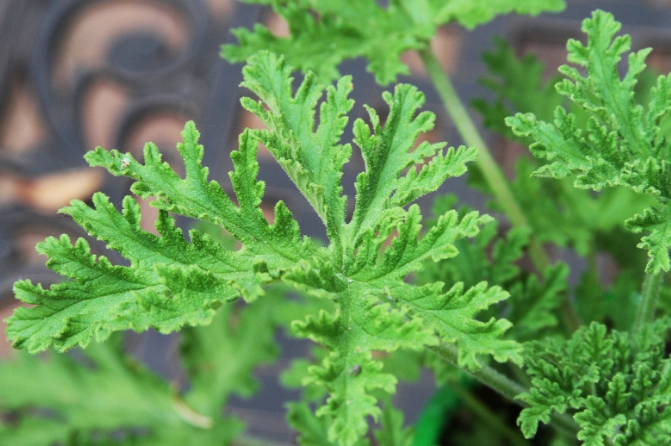
You might find it at specialty herb nurseries or online. It's a different beast to grow, needing more space and warmth.
| Feature | Citronella Scented Geranium (Pelargonium) | True Citronella Grass (Cymbopogon) |
|---|---|---|
| What You Usually Buy | Yes, at most garden centers. | Rarely; found at herb specialists. |
| Primary Use | Ornamental, fragrant patio plant. | Source of citronella oil. |
| Plant Type | Tender perennial, often grown as an annual. | Tender perennial grass. |
| Growth Habit | Mounding, bushy. Up to 2-3 ft. | Tall, arching clumps. Up to 5-6 ft. |
| Hardiness | Very frost-sensitive. Zones 9-11 as perennial. | Extremely frost-sensitive. Zones 10-12. |
| Effectiveness | Mild deterrent when leaves are crushed. | Stronger; oil is extracted for products. |
For the rest of this guide, when I say "citronella plant," I'm mainly talking about the scented geranium most of us can actually buy and grow in containers. It's the practical choice for most gardeners.
Why Bother Growing One?
Even with the mosquito debate, there are solid reasons to have one of these plants around.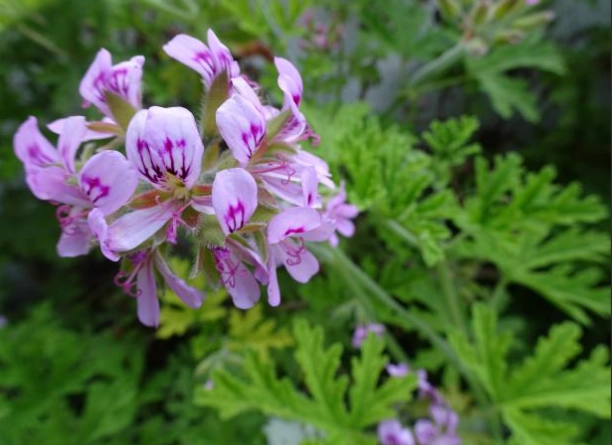
First, they're just incredibly easy for beginners. If you can keep a petunia alive, you can handle a citronella plant. They ask for so little: some sun, water when dry, that's about it. They give you a lot of visual bang for your buck with their textured foliage.
The fragrance is a real experience. Brushing past it on your way to the grill releases this clean, sharp lemon scent that, to me, screams "summer." It's a natural air freshener for your outdoor living space. Even if the mosquito effect is minimal, that smell alone can make you feel like the area is fresher and bug-free, which is a psychological win.
And yes, there is a pest-deterrent effect. It's not a force field. But mosquitoes and some other insects navigate by scent. The strong aroma of the citronella plant can mask the scents they're looking for (like the carbon dioxide we exhale). So, a plant right next to you on the table might make that immediate area slightly less appealing. I notice fewer bugs right around the pot, but they're still in the yard. It's a localized helper.
Finally, it's a conversation starter. "Does that thing really work?" You'll be an expert after reading this.
How to Grow Your Citronella Plant: From Store to Thrive
You brought one home. Now what? Let's get it settled.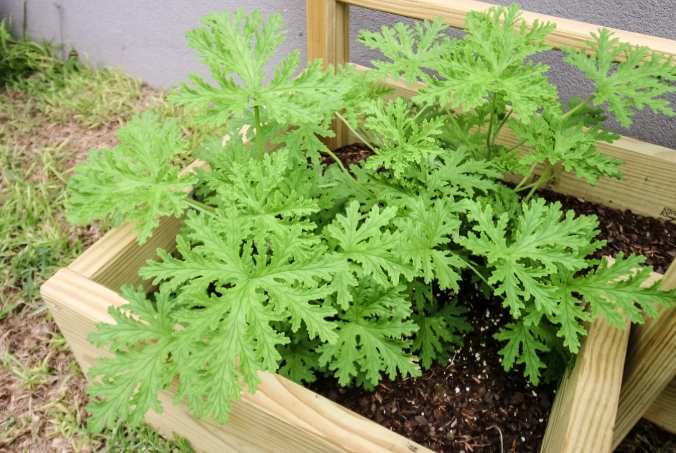
Light: The Non-Negotiable
This plant is a sun worshipper. It needs at least 6 hours of direct sunlight daily to stay compact, fragrant, and healthy. More is better. I made the mistake of putting one in a partly shaded spot one year. It got leggy—long, weak stems reaching for light—and the fragrance was barely there. The leaves were sparse. It looked sad.
South or west-facing exposure is ideal. If you're growing indoors (more on that later), a south-facing window is a must, and even then, you might need a grow light in winter.
Soil and Potting: Don't Overthink It
Good drainage is king. These plants hate soggy feet. Use a standard, high-quality potting mix. Don't use garden soil in a pot; it compacts and doesn't drain well. If you're a chronic over-waterer (guilty sometimes), mix in some perlite or coarse sand to make it even airier.
The pot needs drainage holes. No debate. Terra cotta pots are great because they breathe, helping soil dry out faster. Plastic is fine too, just be a little more careful with watering.
The Planting Process
It's simple. Gently loosen the root ball when you take it out of the nursery pot. Place it in its new home at the same depth it was growing before. Fill in with soil, water it in well to settle, and you're done. No need for special fertilizers at planting time.
Give it a good soak and find it a sunny spot. The hard part is over.
Ongoing Care: Keeping It Happy Season After Season
This is the easy part. Citronella plant care is straightforward.
Watering Wisdom
The best method? The finger test. Stick your finger into the soil up to the first knuckle. If it feels dry, water thoroughly until water runs out the bottom. Then, let it dry out again before the next watering. In the peak of summer heat, this might be every other day. In cooler weather, it might be once a week.
It's drought-tolerant to a point. It will wilt when very thirsty, which is a clear sign. It usually bounces back quickly with a drink. The bigger danger is overwatering, which leads to yellow leaves and root rot—a surefire plant killer.
To Feed or Not to Feed?
A light feeder is an understatement. You don't need to go crazy. I use a balanced, water-soluble fertilizer (like a 10-10-10) diluted to half-strength, once a month during the active growing season (spring through early fall). That's it. Too much fertilizer makes it grow weak, soft growth that's more attractive to pests and less fragrant.
In winter, if you're keeping it alive indoors, stop fertilizing entirely.
Pruning and Shaping
This is where you can have fun. Pinching or snipping off the growing tips encourages the plant to branch out and become bushier. If it starts getting tall and leggy, don't be afraid to cut it back by a third. It will respond with new growth. You can use the cuttings to propagate new plants!
Always use clean, sharp scissors or pruners. I just use my fingernails for pinching tips.
Overwintering: The Big Challenge
Unless you live in a frost-free climate, you'll need to bring your citronella plant indoors before the first frost. They will not survive a freeze.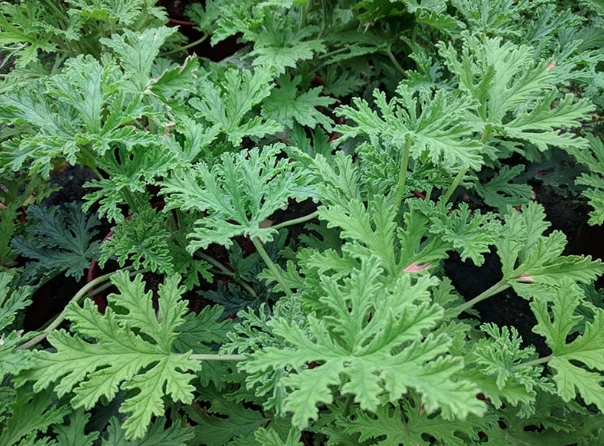
Here's the process:
- Bring it in early: Don't wait for the last minute. Move it inside when night temps consistently dip below 50°F (10°C).
- Check for bugs: Give it a good spray with water from the hose to dislodge any hitchhikers. Look closely under leaves.
- Find the brightest spot: A south-facing window is mandatory. It will likely drop some leaves and look unhappy as it adjusts to lower light. This is normal.
- Water sparingly: Indoors, with less light and cooler temps, it uses very little water. Let the soil dry out almost completely between waterings. This is the most common way people kill them indoors—by loving them too much with water.
You can also take cuttings in late summer to root small new plants indoors. Sometimes it's easier to start fresh in spring than to keep a large, leggy plant alive all winter.
The Mosquito Question: What Does Science Say?
This is the million-dollar question. Let's break down the science without the hype.
The compounds in the plant (citronellal, geraniol) are proven insect repellents. The EPA recognizes citronella oil as a biopesticide repellent. So, the potential is there.
But—and it's a big but—the plant itself doesn't release enough of these compounds into the air to create a protective zone. A study from the University of Kentucky Entomology Department found that while citronella oil in candles or applied topically can be effective, the living plant's impact is negligible in open air.
The main way it works is through contact. You have to crush a leaf and rub the oil on your skin. That can offer some short-term, localized protection. Some people toss crushed leaves into a campfire or fire pit to release the scent into the smoke.
So, is it useless? No. It's a deterrent, not a repellent. It can contribute to an integrated pest management strategy. Plant several around a patio, combine them with other fragrant herbs like lavender and rosemary, and you create a less appealing sensory environment for mosquitoes. It's part of the puzzle.
Think of it as a natural, fragrant part of your outdoor decor that has a nice side effect, not a silver bullet.
Common Problems (And How to Fix Them)
Even easy plants have issues. Here's what to watch for.
- Leggy Growth: This means not enough sun. The solution is simple: move it to a sunnier location. You can also prune it back to encourage bushiness.
- Yellowing Leaves: Usually a sign of overwatering. Check your watering habits and make sure the pot drains. Could also be a lack of nutrients if it's been in the same soil for years—a light feed might help.
- Brown, Crispy Leaf Edges: Often due to underwatering, low humidity, or wind burn. Give it a good drink and maybe move it out of harsh, drying winds.
- Pests: Aphids and spider mites can sometimes be a problem, especially indoors. A strong spray of water can knock them off. For persistent issues, insecticidal soap is effective and safe.
- Just Not Growing: If it's just sitting there, it might be root-bound (roots circling the pot), need more sun, or be too cold. Check all three.
Frequently Asked Questions (FAQs)
Let's tackle the stuff people are really searching for.
Is a citronella plant safe for my pets?
The ASPCA lists scented geraniums (Pelargonium spp.) as toxic to dogs and cats, causing symptoms like vomiting, depression, and dermatitis. True citronella grass (Cymbopogon) is generally considered non-toxic. To be safe, keep all plants out of reach of curious nibblers. If you suspect ingestion, contact your vet.
Can I make my own repellent from the leaves?
You can try, but homemade versions vary in strength and aren't as reliable or long-lasting as commercial products. A simple method is to steep a handful of crushed leaves in a carrier oil (like almond or olive oil) for a few weeks, then strain. This oil can be dabbed on the skin. Always do a patch test first to check for skin sensitivity. Its effectiveness will be short, maybe 30-60 minutes.
Why is my plant not smelling strong?
Three likely culprits: 1) Not enough sun. Full sun maximizes oil production. 2) It needs to be touched. The fragrance is released when the leaf's oil glands are bruised. Rub a leaf between your fingers. 3) Variety. Some cultivars are simply more fragrant than others.
Can I plant it in the ground?
Yes, but only if you live in USDA hardiness zones 9-11, where frost is rare. It will grow larger and fuller. In cooler climates, plant it in a pot so you can move it indoors. In the ground, ensure the soil is very well-draining.
How do I propagate to get more free plants?
It's super easy with stem cuttings. In spring or summer, take a 4-6 inch cutting from a healthy stem. Remove the lower leaves, dip the cut end in rooting hormone (optional but helpful), and stick it in a small pot of moist potting mix. Keep it in bright, indirect light and the soil lightly moist. In a few weeks, it should root. You've cloned your plant!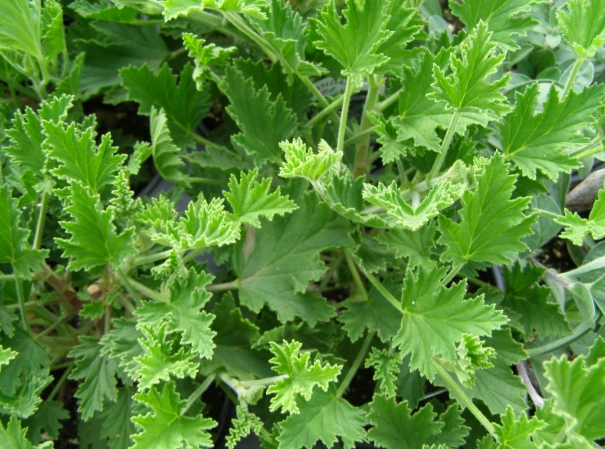
I hope this guide cuts through the marketing and gives you the real picture. They're great plants, worth having for a dozen reasons beyond just bug control. Now go enjoy your garden!