Quick Garden Guide
- Planting Your Mock Orange: More Than Just a Hole in the Ground
- The Real Work: Caring for Your Mock Orange Shrub
- The Big One: How and When to Prune Mock Orange
- Choosing Your Champion: A Guide to Mock Orange Varieties
- What's Wrong With My Mock Orange? Troubleshooting Common Problems
- Designing With Mock Orange: Beyond the Solitary Shrub
- Mock Orange Myths vs. Reality
- The Final Word: Is Mock Orange Right for You?
Let's talk about mock orange. You've probably caught its scent on a warm evening, that sweet, citrusy perfume that seems to hang in the air. Or maybe you've seen it in a neighbor's yard, a fountain of white blooms that looks effortlessly beautiful. The truth is, that effortless look often comes from knowing a few simple secrets. I've grown several varieties over the years, made my share of mistakes (like planting one in a soggy corner where it just sulked), and learned what really makes these shrubs sing.
Mock orange, or Philadelphus if we're being formal, isn't actually related to citrus at all. The name comes from the sweet scent of the flowers, which can remind you of orange blossoms. It's an old-fashioned favorite for a reason – it's tough, it's beautiful, and when it blooms, it's an absolute showstopper. But how do you actually care for it? Which variety should you choose? And why isn't yours blooming like the pictures?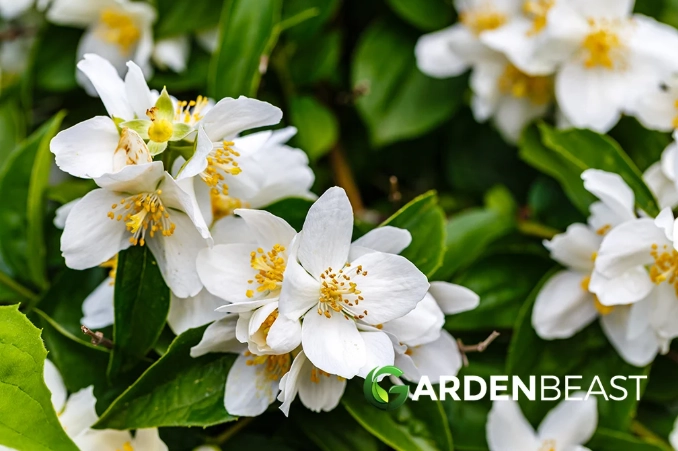
The Core of It: At its heart, a mock orange is a deciduous shrub, meaning it loses its leaves in winter. It's prized almost entirely for its late spring to early summer floral display. The foliage is usually a simple, clean green, which makes it a fantastic backdrop plant for the rest of the year. Its real magic is that scent and that cloud of white.
Planting Your Mock Orange: More Than Just a Hole in the Ground
Getting your mock orange off to a good start is the single most important thing you can do. A happy plant is a resilient plant. The first decision is location.
These shrubs love sun. I mean, they really thrive in it. Aim for a spot that gets at least six hours of direct sunlight a day. More is better. I tried one in partial shade once, and while it lived, it produced maybe a dozen pathetic little flowers. Full sun equals an avalanche of blooms. It's that simple.
Soil is next. Here's where I messed up early on. Mock orange prefers well-drained soil. It doesn't want to sit with wet feet. If your soil is heavy clay, you've got to amend it. Dig a hole that's two to three times wider than the root ball, but no deeper. Mix a good amount of compost or well-rotted manure into the native soil you dug out. This improves drainage and gives the roots a nice, fluffy environment to spread into.
Pro Tip from the Trenches: When you place the shrub in the hole, make sure the top of the root ball is level with or slightly above the surrounding soil grade. Planting too deep is a common killer. Backfill with your soil-compost mix, water it in deeply to settle the soil and eliminate air pockets, and then add a 2-3 inch layer of mulch (like wood chips) around the base. Keep the mulch away from the stem itself to prevent rot.
When is the best time to plant? Early fall is ideal. The soil is still warm, which encourages root growth, but the air is cooler, reducing stress on the plant. Spring is also perfectly fine, but you'll need to be more vigilant about watering through the first summer.
The Real Work: Caring for Your Mock Orange Shrub
Once established, mock orange care is pretty straightforward. It's not a diva. But ignoring it completely won't give you those magazine-cover results.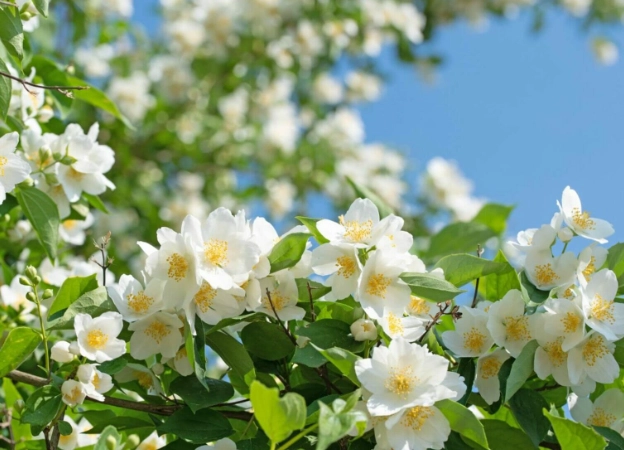
Watering: Finding the Sweet Spot
The first year is critical. Water deeply once or twice a week, depending on heat and rainfall. The goal is to encourage the roots to go deep, not stay shallow. After the first year, a mock orange is surprisingly drought-tolerant. I only water mine during extended dry spells in the summer. The sign of thirst? The leaves will start to look a bit limp or dull.
Overwatering is a bigger danger than underwatering for an established plant. Soggy soil leads to root rot, and that's a fast track to a dead shrub.
Feeding: Less is More
You don't need to fertilize heavily. In fact, too much nitrogen (the first number on a fertilizer bag) will give you lots of lush green leaves at the expense of flowers. If your soil is decent, an annual application of a balanced, slow-release fertilizer or a top-dressing of compost in early spring is plenty. I just use a shovelful of compost around the base of mine each March, and it seems perfectly happy.
The Big One: How and When to Prune Mock Orange
This is the question that causes the most anxiety. Pruning a mock orange isn't hard, but timing is everything. Get it wrong, and you'll cut off next year's blooms.
Critical Rule: Mock orange blooms on old wood. This means the flower buds for next summer are formed on the branches that grow this year. If you prune in late fall or early spring, you are cutting off those future flowers.
The right time to prune is immediately after the flowers fade, usually in early to mid-summer. This gives the plant plenty of time to grow new branches that will mature and set buds for the following year.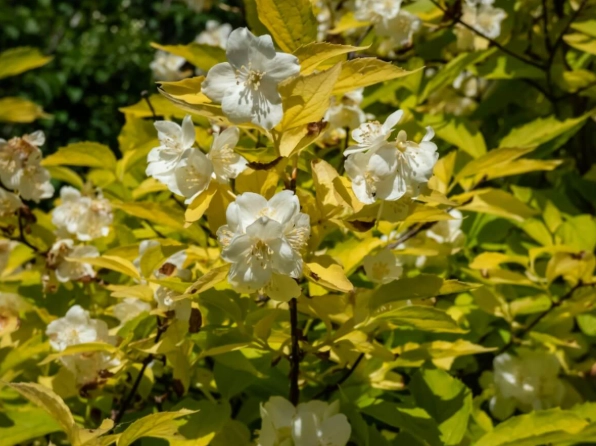
Here's my simple pruning routine:
- Deadhead: Snip off the spent flower clusters just below the base of the flower head. This cleans up the look.
- Thin Out: Look for the oldest, thickest canes coming from the base. Aim to remove about 1/3 of these oldest stems each year, cutting them right down to the ground. This promotes new, vigorous growth from the base and keeps the shrub from becoming a tangled, woody thicket.
- Shape & Size: Now, step back. Trim back any excessively long or awkward branches to a side shoot or a bud to maintain a pleasing shape. You can also reduce the overall height if needed.
Don't be scared. The plant is tougher than you think.
Choosing Your Champion: A Guide to Mock Orange Varieties
Not all mock oranges are created equal. Some are giants, some are compact. Some have single flowers, some have doubles that look like tiny roses. The scent intensity varies too. Picking the right one for your space is key.
Here’s a breakdown of some of the best and most available mock orange varieties to help you decide.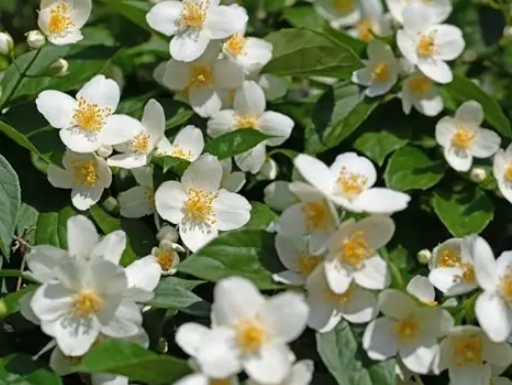
| Variety Name | Mature Size (H x W) | Flower Type & Key Feature | Best For | Scent Strength |
|---|---|---|---|---|
| Philadelphus coronarius (Sweet Mock Orange) | 10-12' x 10-12' | Single, creamy-white. The classic species. | Large hedges, back of borders, woodland gardens. | Very Strong |
| 'Aureus' | 6-8' x 6-8' | Single flowers, but grown for its brilliant golden-yellow spring foliage that fades to green-yellow. | Adding foliage color. A real standout. | Moderate |
| 'Belle Etoile' | 4-5' x 4-5' | Single flowers with a maroon-purple blotch at the center. Exceptionally graceful. | Smaller gardens. A connoisseur's choice. | Exceptionally Strong |
| 'Minnesota Snowflake' | 5-6' x 5-6' | Double, pure white flowers that look like snowflakes. Very hardy. | Colder climates (down to Zone 3). Formal look. | Strong |
| 'Virginal' | 8-10' x 8-10' | Double, rosette-like flowers in large clusters. A florist's favorite. | Making a big, bold statement. Cutting for vases. | Strong |
| Philadelphus microphyllus (Littleleaf Mock Orange) | 3-4' x 3-4' | Small, single flowers and tiny leaves. Delicate, fine-textured appearance. | Rock gardens, small spaces, containers. | Subtle, Almond-like |
My personal favorite is 'Belle Etoile'. The scent is intoxicating, and the purple center adds a layer of complexity that the plain white ones lack. But for sheer powerhouse performance and fragrance on a budget, you can't beat the straight species, Philadelphus coronarius. Just give it the room it needs.
What's Wrong With My Mock Orange? Troubleshooting Common Problems
Mock oranges are generally pest and disease resistant, but they're not invincible. Here are the issues you're most likely to encounter.
No Flowers or Few Flowers: This is the number one complaint. The causes are almost always:
- Incorrect Pruning: You pruned at the wrong time (late winter/early spring). Wait until after blooming.
- Not Enough Sun: Less than 6 hours of direct sun will drastically reduce blooming.
- Too Much Nitrogen: Are you fertilizing your lawn nearby? High-nitrogen runoff can push leaf growth over flowers.
- Plant is Too Young: Be patient. It can take 2-3 years for a new shrub to settle in and bloom profusely.
Leaf Issues (Yellowing, Spots):
- Chlorosis (Yellow leaves with green veins): Often a sign of iron deficiency in alkaline soils. Applying chelated iron can help.
- Powdery Mildew: A white, powdery coating on leaves, usually in late summer. It's more unsightly than deadly. Improve air circulation by thinning the shrub and avoid overhead watering. Most healthy mock oranges can shrug it off. The Missouri Botanical Garden has a good resource on managing powdery mildew organically.
Chewed Leaves: You might see caterpillars or some leaf miner damage. Seldom severe enough to require action. A strong spray of water from the hose can dislodge most pests.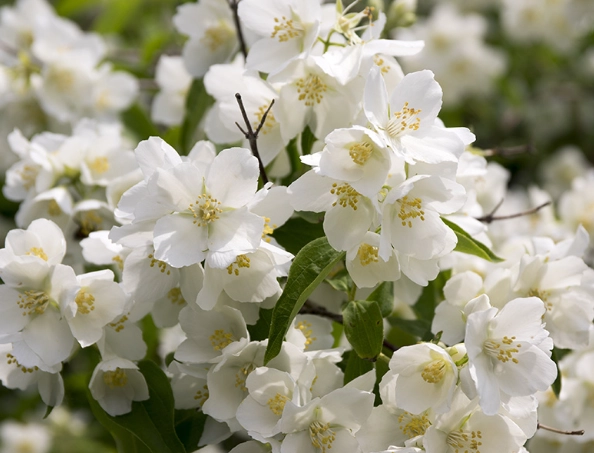
Designing With Mock Orange: Beyond the Solitary Shrub
Sure, you can plop one in the middle of the lawn. But mock orange is a fantastic team player. Here are some ideas.
The Fragrance Garden: Plant it near a patio, deck, or open window where you can enjoy the scent. Pair it with other fragrant plants that bloom at different times: lilacs for spring, roses and lavender for summer, and sweet autumn clematis for fall.
The Mixed Border Backbone: Use a larger variety like 'Virginal' as a backdrop. In front, plant mid-sized perennials like peonies, salvias, or hardy geraniums. The mock orange's green summer foliage is a perfect neutral canvas.
The Informal Hedge: The classic species makes a magnificent, fast-growing flowering hedge. Space plants about 5-6 feet apart. It won't be a tight, boxy hedge—think more of a loose, billowing, fragrant wall. The USDA Plants Database lists its native range and general characteristics, confirming its hardiness and adaptability for such uses.
Container Growing: Yes, you can! Choose a dwarf variety like 'Miniature Snowflake' or the Littleleaf Mock Orange. Use a large pot with excellent drainage and a quality potting mix. You'll need to water more frequently and may need to repot every few years.
Mock Orange Myths vs. Reality
Let's clear up some common misunderstandings.
Myth: Mock orange is invasive.
Reality: Most common garden varieties are not invasive. They do not spread aggressively by runners or seed like some shrubs (looking at you, burning bush). They stay where you plant them.
Myth: It needs constant pruning.
Reality: It needs correct pruning, but not constant. An annual tidy-up after flowering is sufficient. Neglected old shrubs can be rejuvenated by cutting the entire thing down to about a foot from the ground in late winter. It will look terrible for a year but will regrow vigorously.
Myth: All mock oranges smell amazing.
Reality: Some have very little scent. Always check the description before buying if fragrance is your main goal. The Royal Horticultural Society's guide to Philadelphus is a trustworthy source for checking the attributes of specific cultivars.
The Final Word: Is Mock Orange Right for You?
If you want a low-maintenance, deer-resistant shrub that delivers an unforgettable two to three weeks of sensory bliss each year, then absolutely. It asks for so little: a sunny spot, decent drainage, and a quick prune at the right time. In return, it gives you a performance that defines early summer.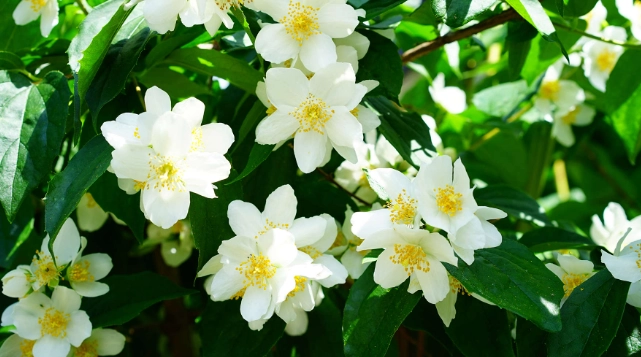
Its weaknesses? The bloom period is relatively short. After the flowers are gone, it's just a green shrub. And some of the larger varieties need significant space. But as part of a balanced garden plan, where other plants take up the floral relay, it's an indispensable classic.
I think every garden has room for at least one mock orange. Maybe tucked by the gate so you brush past it every evening, or as a sentinel by the sitting area. Start with a good variety, plant it well, and then just enjoy the show. It’s one of those plants that feels like a reward.