Quick Navigation
- Before You Dig: Picking the Perfect Lagerstroemia Variety
- The Right Way to Plant Lagerstroemia: A Step-by-Step Walkthrough
- Caring for Your Crape Myrtle: Water, Food, and the Big Pruning Talk
- Pests and Problems: What to Watch For
- Your Lagerstroemia Questions, Answered
- Final Thoughts: Is Planting Lagerstroemia Right for You?
Let's talk about Lagerstroemia. You probably know it as the crape myrtle. That tree you see everywhere in the South, covered in those crinkly, paper-like flowers from mid-summer right into fall when everything else is starting to look tired. It's a staple for a reason, but I think a lot of people get it wrong. They pick the wrong variety, stick it in the wrong spot, and then wonder why it looks scraggly or just... meh. I've been there. I planted my first one too close to the house, a variety that wanted to be a giant but I was hoping it'd stay small. Yeah, that was a lesson learned with a pruning saw and some regret.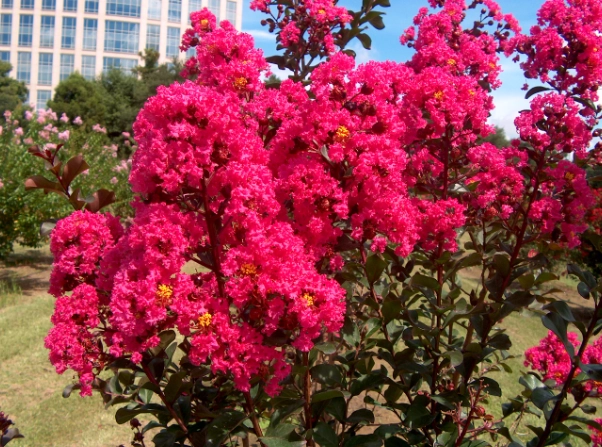
This guide is the one I wish I'd had. We're going to cut through the fluff and get into the real dirt on how to successfully plant Lagerstroemia. Not just stick it in the ground, but choose the right one, plant it so it thrives for decades, and care for it without making the common mistakes (like the infamous "crape murder" pruning). Whether you're a new gardener or just someone who's killed a few plants (join the club), this is for you.
Why even bother to plant Lagerstroemia? Good question. In a world full of flowering trees, why this one? For starters, it's tough as nails once established. Heat? Loves it. Humidity? No problem. Drought? It handles short periods pretty well. But the real show is the bloom time. While spring bloomers like dogwoods and redbuds are a distant memory, the crape myrtle is just getting started, putting on a fireworks display of pinks, purples, reds, and whites for 60 to 100 days. Plus, you get fantastic fall color and beautiful, exfoliating bark that adds winter interest. It's a three-season performer, and that's hard to beat.
Before You Dig: Picking the Perfect Lagerstroemia Variety
This is the most important step, hands down. You can't just grab any pot at the garden center. The single biggest mistake is ignoring the mature size. These plants range from petite, 3-foot shrubs to towering, 30-foot trees. Planting a giant where you wanted a dwarf means constant, brutal pruning, which ruins the natural shape and reduces flowering.
Here’s a breakdown of some of the best series and cultivars, categorized by size. This should be your shopping list.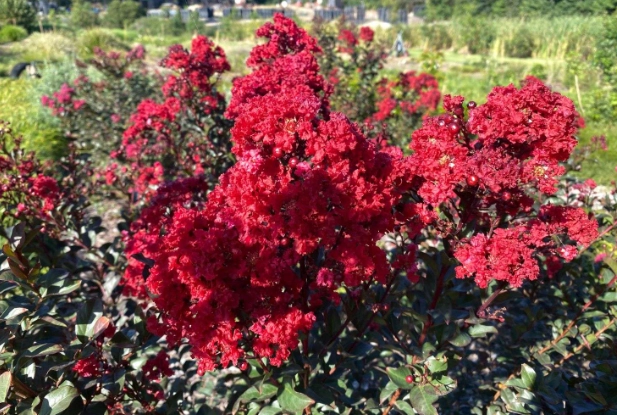
| Variety Name | Mature Height/Spread | Flower Color | Key Features & My Notes |
|---|---|---|---|
| Natchez | 20-30 ft / 15-25 ft | Pure White | The classic large tree. Stunning cinnamon-brown exfoliating bark. Fast grower, needs space. Can look majestic if you have the room. |
| Muskogee | 15-20 ft / 15-20 ft | Light Lavender | One of the most popular. Great mildew resistance. More of a large, multi-stemmed shrub form. Reliable and beautiful. |
| Tuscarora | 15-20 ft / 15-20 ft | Dark Coral Pink | Vibrant color. Good disease resistance. Bark is a nice gray-brown. A real stunner in mid-summer. |
| Sioux | 12-15 ft / 8-12 ft | Clear Pink | Medium size, perfect for many suburban yards. Upright, vase-shaped habit. One of my personal favorites for balanced form and color. |
| Acoma | 6-10 ft / 6-10 ft | White | Semi-dwarf, weeping or spreading habit. Fantastic for over walls or as a wide, low specimen. Very elegant. |
| Zuni | 6-10 ft / 6-10 ft | Medium Lavender | Another great semi-dwarf. Excellent mildew resistance. Purple-tinged new growth adds extra interest. |
| Pocomoke | 2-3 ft / 2-3 ft | Rose-Pink | A true dwarf. Perfect for containers, small borders, or as a miniature hedge. Blooms at a very young age. |
See what I mean? The range is huge. The U.S. National Arboretum was a game-changer when they introduced these disease-resistant, size-controlled varieties in the 1960s (like the 'Natchez', 'Muskogee', etc.). Always look for these named cultivars, not just a generic "pink crape myrtle."
Pro Tip: When selecting a plant Lagerstroemia project, pay close attention to the tag's listed mature size, not its size in the pot. Give it that much space to grow. Trust me, it's worth it for a low-maintenance plant.
The Right Way to Plant Lagerstroemia: A Step-by-Step Walkthrough
Okay, you've got your plant. Now, let's not mess up the planting. Timing and location are everything.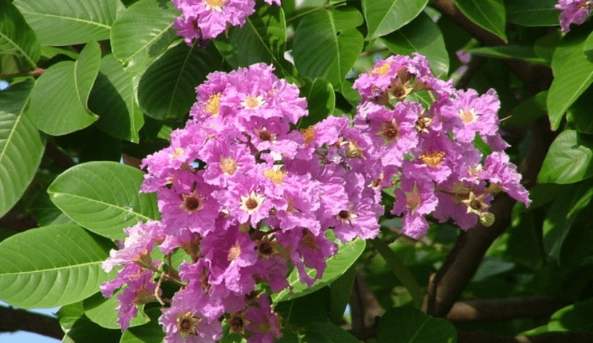
When to Plant: The absolute best time is in the late fall or early spring. This gives the roots time to establish without the stress of the brutal summer heat. You can plant in summer, but you'll be a slave to the watering can.
Where to Plant: Crape myrtles are sun worshippers. They need at least 6 hours of direct, unfiltered sunlight per day. More is better. Less sun equals fewer flowers, more disease, and a sad, leggy plant. Also, think about air circulation. A stuffy, crowded corner is a recipe for powdery mildew, even on resistant varieties.
Digging the Hole and Planting
This part is simple but critical.
- Dig a Hole: Make it 2-3 times wider than the root ball, but only as deep as the root ball itself. Planting too deep is a silent killer—it suffocates the roots. The top of the root ball should be level with or slightly above the surrounding soil.
- Check the Roots: If the plant is root-bound (a tangled mass circling the pot), gently tease some of the outer roots loose with your fingers. Don't go crazy, just break the pattern.
- Position and Backfill: Place the plant in the hole. Backfill with the native soil you dug out. There's a big debate about amending the soil. My take? Don't create a "pot in the ground" effect. If your soil is terrible, amend a wide area, not just the planting hole. Otherwise, just use the native dirt. Gently firm the soil as you go to remove air pockets.
- Water Deeply: Soak the entire area thoroughly. This settles the soil. You might see the soil level drop; add a bit more if needed.
- Mulch: Apply 2-3 inches of mulch (shredded bark, pine straw) in a wide circle around the plant. Keep the mulch a few inches away from the trunk itself to prevent rot.
Caring for Your Crape Myrtle: Water, Food, and the Big Pruning Talk
So your Lagerstroemia is in the ground. Now what?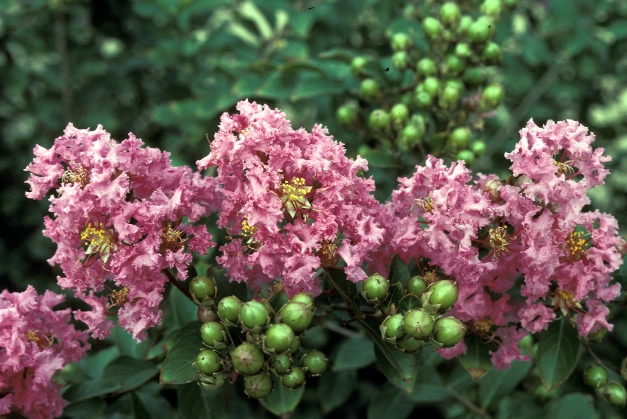
Watering
For the first growing season, this is your main job. Water deeply once or twice a week, depending on heat and rain. The goal is to encourage deep roots. After the first year, a well-sited crape myrtle is remarkably drought-tolerant. You'll only need to water during extended dry spells. Overwatering is a bigger risk than underwatering for an established plant.
Fertilizing
They aren't heavy feeders. In fact, too much fertilizer, especially high-nitrogen ones, can cause lots of leafy growth at the expense of flowers and make the plant more susceptible to disease. If your soil is decent, you might not need to fertilize at all. If you want to give it a boost, a light application of a balanced, slow-release fertilizer (like a 10-10-10) in early spring as new growth appears is plenty.
The Pruning Dilemma (How to Avoid "Crape Murder")
This is the most controversial topic. Drive through many neighborhoods in late winter, and you'll see them: crape myrtles chopped back to ugly, thick knuckles, often no more than 6 feet tall. This is called "crape murder," and it's a terrible practice.
Why it's bad: It ruins the natural, graceful shape of the tree. It forces a flush of weak, spindly growth that can't support the heavy flower clusters, often causing them to droop or break. It creates dense internal growth that reduces air circulation, inviting disease. And those ugly knuckles are entry points for insects and decay. Just don't do it.
So what should you do? Prune in late winter or very early spring, before new growth starts.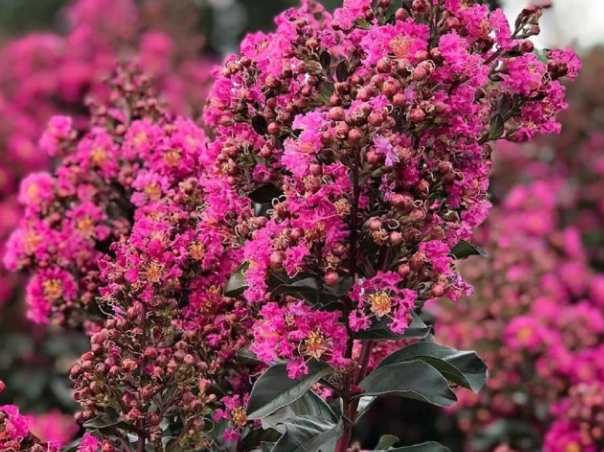
- Remove Suckers: Cut off any shoots coming up from the base of the plant.
- Thin Interior Growth: Remove any branches growing inward toward the center of the plant to open it up.
- Remove Crossing/Rubbing Branches: Take out one of any branches that are crossing or rubbing against each other.
- Shape Gently: If you need to control height or shape, make your cuts back to a side branch or a point where the branch is at least as thick as a pencil. Never just lop off the tops.
- Deadhead for Fun (Optional): You can snip off the spent flower clusters in late summer to encourage a second, smaller flush of blooms. It's not necessary, but it's satisfying.
The goal is to enhance the plant's natural form, not to control its size. If you're constantly fighting to keep a crape myrtle small, you planted the wrong variety.
Pests and Problems: What to Watch For
Lagerstroemia is generally tough, but it has a few enemies.
Powdery Mildew: The classic white, powdery coating on leaves, especially in shady or humid conditions. Solution: Plant resistant varieties (most modern ones are), ensure full sun and good air circulation. If it appears, a fungicide labeled for mildew can help. The University of Georgia Extension has excellent, detailed bulletins on managing this and other crape myrtle diseases.
Crape Myrtle Bark Scale: This is a newer, nasty pest. Look for white or gray felt-like patches on branches and trunks, often accompanied by black sooty mold. Solution: Dormant oil applications in winter can help. For active infestations, systemic insecticides may be needed. Your local cooperative extension office is the best source for current, effective control methods in your area.
Aphids: These tiny sap-suckers can be a problem, especially on new growth. They secrete honeydew, which leads to sooty mold. Solution: A strong blast of water from the hose often knocks them off. Insecticidal soap is also effective.
Really, the best defense is a healthy plant. Stress from poor planting, over/under watering, or bad pruning makes any plant more vulnerable.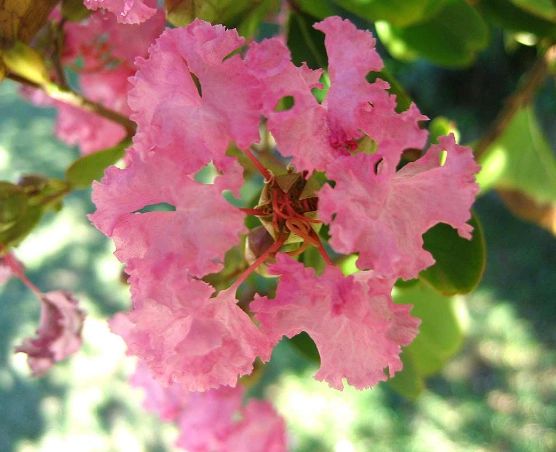
Your Lagerstroemia Questions, Answered
Why isn't my crape myrtle blooming?
This is the #1 question. The causes are almost always: 1) Not enough sun (less than 6 hours), 2) Too much nitrogen fertilizer (you get leaves, not flowers), 3) Pruning at the wrong time (pruning in late spring cuts off the flower buds), or 4) It's just too young. Some varieties take a few years to really hit their stride.
Can I grow crape myrtle in a container?
Absolutely! This is where the true dwarf varieties like 'Pocomoke' or the Razzle Dazzle® series shine. Use a large pot with excellent drainage, high-quality potting mix, and be prepared to water more frequently. You may need to repot or root-prune every few years to keep it happy.
Are crape myrtle roots invasive?
Generally, no. They have a non-aggressive root system. They won't heave sidewalks or invade sewer lines like some trees (looking at you, willows and silver maples). It's safe to plant them near foundations and walkways, just respect the mature canopy spread.
When is the best time to transplant a crape myrtle?
When the plant is dormant. Late fall, after it has dropped its leaves, or very early spring before it breaks bud. Dig up as much of the root ball as you can manage, water it deeply in its new location, and expect it to take a year or two to recover fully. It's a tough job on a large plant.
What's the lifespan of a crape myrtle?
They are long-lived plants. With proper care and siting, a Lagerstroemia can easily live for 50 years or more. Some of the grand specimens in historic Southern gardens are well over a century old. Planting one is a legacy.
Think about that. You're planting a legacy.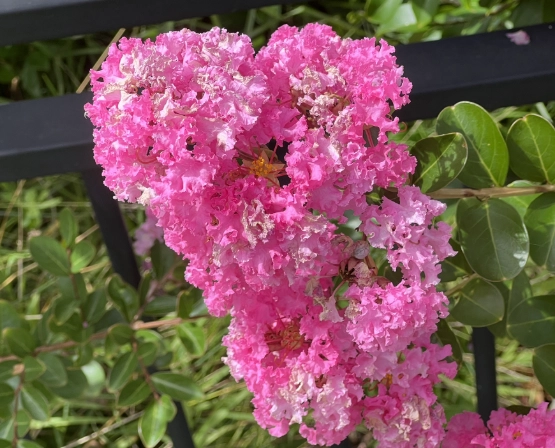
Final Thoughts: Is Planting Lagerstroemia Right for You?
Look, no plant is perfect for every single situation. If you have a deep shade garden, this isn't your tree. But if you have a sunny spot—whether it's a vast lawn or a tiny patio corner—there is almost certainly a crape myrtle that fits.
The key is to do the upfront work. Choose the right size. Plant it properly in full sun. Then, mostly leave it alone. Resist the urge to over-prune. Give it a drink during a drought. That's it.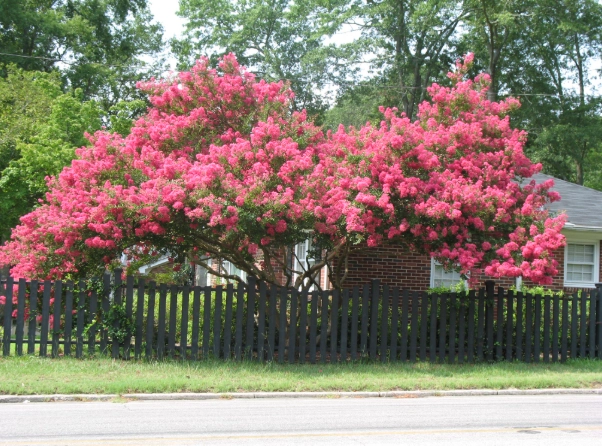
When you plant Lagerstroemia correctly, you're not just adding a shrub or tree. You're adding months of vibrant color to the dullest part of the gardening year. You're getting structure, winter interest, and a tough plant that asks for very little. I've made my mistakes with them, but now I wouldn't be without the few I have. They're the reliable friends in my garden that always show up for the party, year after year.
So, grab your shovel, pick your variety carefully, and go plant one. You won't regret it.