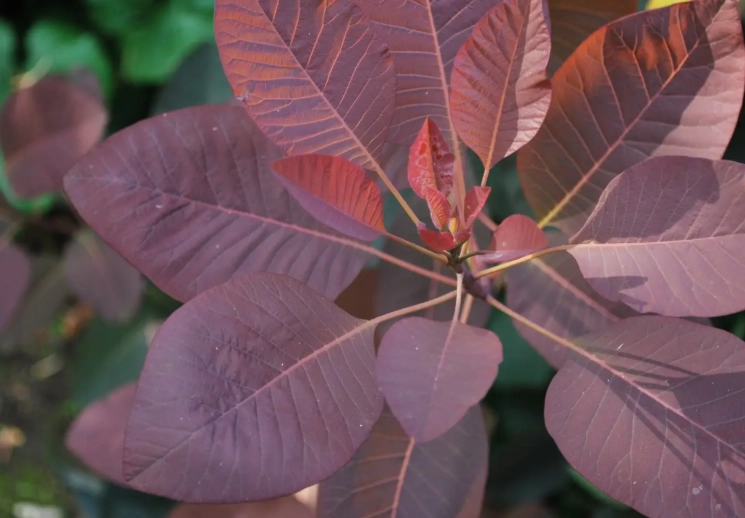
Let's talk about the Cotinus shrub, the plant everyone notices but few truly understand. You've seen it—those hazy, smoke-like plumes floating above foliage that can range from regal purple to fiery red. It's a statement piece. But here's the thing I've learned after two decades of gardening: most people either neglect their smoke bush into a leggy mess or prune it with so much enthusiasm they kill the very feature they bought it for. I've made those mistakes myself. This guide isn't just a rehash of basic plant facts; it's the collective wisdom of what actually works, pulled from years of trial, error, and conversations with other obsessed gardeners.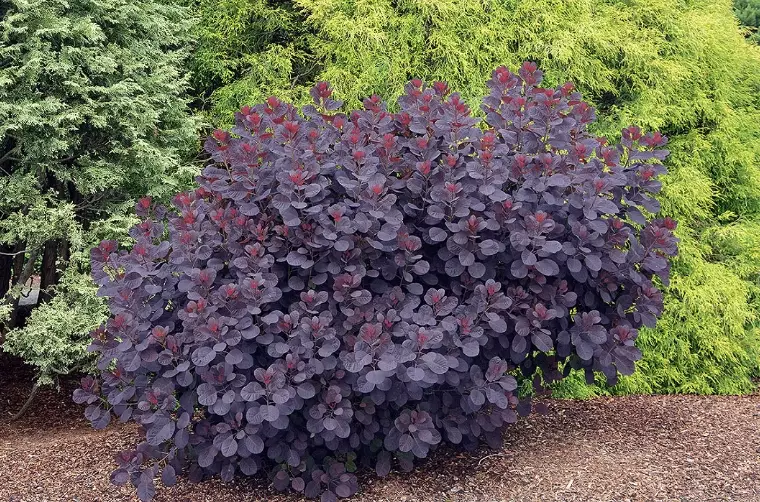
Quick Navigation: Find Your Answer
Getting Started: Planting Your Cotinus Right
Success with Cotinus starts long before you make the first cut with your pruners. It starts in the hole you dig. This plant is surprisingly adaptable, but giving it a strong foundation is non-negotiable.
Location is everything. Full sun. I mean at least six hours of direct, unfiltered sunlight. That's the golden rule for intense leaf color and prolific flowering. In partial shade, a purple variety like 'Royal Purple' will fade to a dull greenish-bronze, and the "smoke" will be sparse. Trust me, I've tried to cheat this rule. It doesn't work.
Soil Secrets. Cotinus craves well-drained soil. It's drought-tolerant once established, but sitting in soggy soil will cause root rot faster than you can say "smoke tree." If you have heavy clay, amend it generously with compost or plant in a raised bed. The Royal Horticultural Society notes their preference for moderately fertile, well-drained soil, and that's a standard worth following.
Here’s a quick-reference table for the initial setup:
| Factor | Ideal Condition | Why It Matters |
|---|---|---|
| Sunlight | Full Sun (6+ hours) | Maximizes flower production and deepens foliage color in purple cultivars. |
| Soil Type | Well-drained, Loamy | Prevents fatal root rot. Tolerates poor, rocky soil better than heavy, wet clay. |
| Soil pH | Slightly Acidic to Neutral (5.5-7.5) | Wide tolerance, but extreme pH can affect nutrient uptake. |
| Spacing | 10-15 feet apart | Gives them room to achieve their natural, broad-spreading form without crowding. |
Watering is straightforward. Soak it deeply at planting and for the first growing season. After that, it's remarkably self-sufficient. I only water my established bushes during prolonged, severe droughts. Overwatering is a bigger threat than underwatering.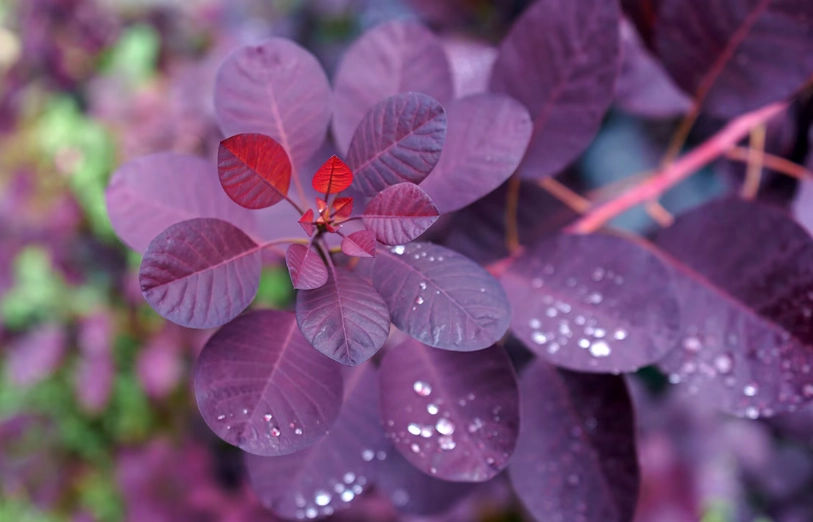
The Pruning Chapter: Don't Screw This Up
This is where most people go wrong. Pruning a smoke bush isn't like shearing a boxwood. Your approach depends entirely on what you want from the plant. Do you want a giant, ethereal cloud of flowers? Or a compact shrub with outrageously large, colorful leaves?
Option 1: The Minimal Prune (For Maximum Flowers)
Cotinus flowers on old wood. That means the smoky plumes you love form on growth from the previous year. If you want a billowing, 15-foot specimen covered in pinkish-gray haze, you do very little. In late winter or early spring, just remove any dead, damaged, or crossing branches. Thin out a bit from the center for air flow. That's it. The plant will get big, and the leaves might be slightly smaller, but the floral display is spectacular.
Option 2: The Hard Chop (For Colossal Foliage)
This is the technique that feels brutal but yields stunning results. Every year or two, in late winter before new growth starts, cut the entire plant back to 6 to 12 inches from the ground. Yes, the whole thing. It will look like a bunch of sticks.
Why? The plant responds by sending up vigorous, rapid new stems. These stems produce leaves that are often twice the normal size and, in purple varieties, the color is incredibly deep and vibrant. The trade-off? You'll get little to no "smoke" that year. The energy goes entirely into foliage. I use this method on my 'Grace' cultivar, and the orange-red fall color is absolutely electric.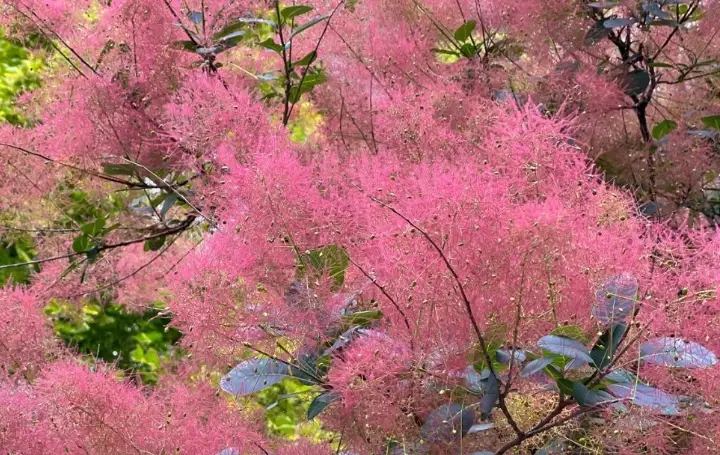
There's no middle ground that works well. Lightly tipping the branches each year results in a dense, twiggy exterior that blocks light and air from the center, leading to a dead core and sparse growth. Commit to one style.
Beyond the Bush: Landscape Design Ideas
A Cotinus isn't just a plant; it's a focal point. Use it like one.
- The Solo Sculpture: Give a single specimen (like the deep purple 'Royal Purple' or the green/gold 'Golden Spirit') plenty of space on a lawn. Let it develop its full, natural vase shape. Underplant with a carpet of creeping thyme or sedum for a low-maintenance, textured look.
- The Drought-Tolerant Dream Team: Pair it with other Mediterranean climate lovers. Think Russian sage (Perovskia), ornamental grasses like Miscanthus, lavender, and sedum 'Autumn Joy'. They all thrive on neglect and full sun, creating a landscape that sways and moves with the wind.
- The Color-Themed Border: For a "hot" border, combine the orange-red fall color of Cotinus 'Grace' with yellow coreopsis, red-hot pokers (Kniphofia), and bronze fennel. For a "cool" border, the purple foliage of 'Royal Purple' looks stunning against silver artemisia, blue fescue grass, and white-flowering gaura.
Remember scale. A smoke bush can easily become the backdrop for smaller perennials. Place it towards the rear of a border, or use it to soften the corner of a building.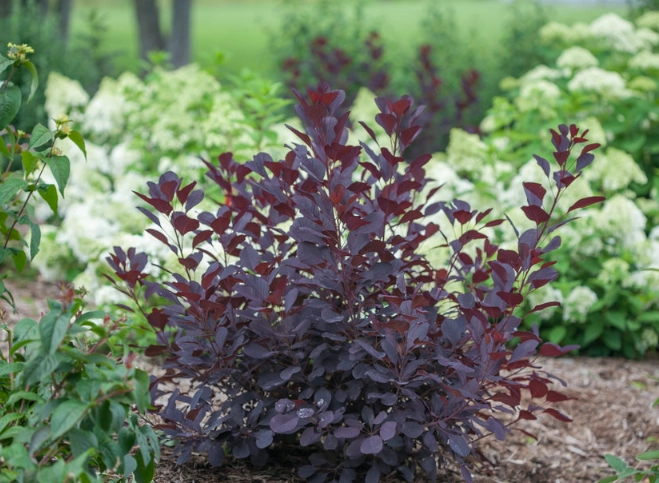
Troubleshooting Common Smoke Bush Issues
Cotinus are tough, but they have a few vulnerabilities.
Leggy, Sparse Growth at the Bottom. This is almost always a light issue. If it's not getting enough sun, it stretches. The only fix is to move it to a sunnier location (a major task) or embrace the hard-prune method annually to force new, full growth from the base.
No Smoke Plumes. Three likely culprits: 1) You pruned at the wrong time (spring/summer) and cut off the flower buds. 2) You're hard-pruning every year (which is fine, you've chosen foliage over flowers). 3) The plant is too young or stressed from poor soil/drought.
Powdery Mildew. That white, powdery coating on leaves. It's cosmetic, not usually fatal, but ugly. Prevention is key: plant in full sun with good air flow. If it appears, a fungicide labeled for mildew can help. Resistant varieties like 'Grace' are a good choice in humid areas.
Pests are rare. Deer usually leave them alone, which is a huge plus in many areas. The USDA Plant Database lists few serious insect problems, which aligns with my experience.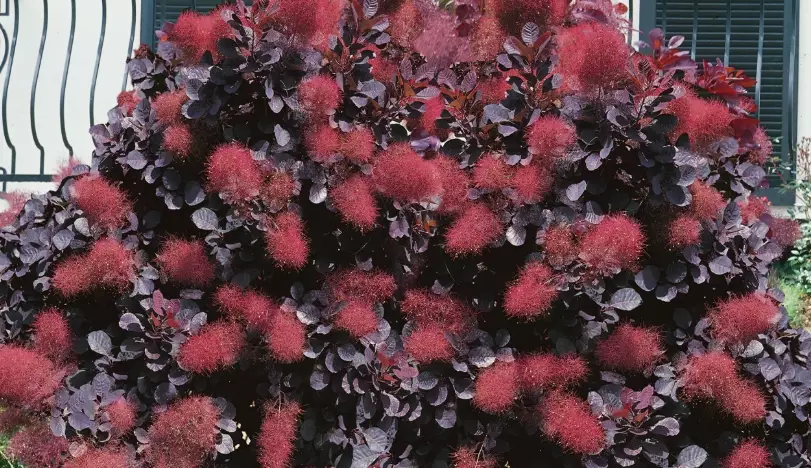
Answers from the Greenhouse
I just planted a purple smoke bush and the leaves are green, not purple. Did I get the wrong plant?
Probably not. Intense purple foliage is a sun-driven reaction. A newly planted shrub is under transplant stress and may not be getting as much energy to produce those anthocyanin pigments. Give it a full season in that full-sun location. If it's still greenish next year, then you might have an issue. Also, over-fertilizing, especially with high nitrogen, can promote green growth at the expense of color.
My neighbor cuts his smoke bush to the ground every year and it's huge. I do the same and mine is puny. What gives?
Soil and sunlight. The hard-chop method forces the plant to rebuild itself from root reserves. If your soil is poor, compacted, or drains badly, the plant has no fuel for that explosive regrowth. Compare your planting sites. Is yours in full, blazing sun? Is his soil richer? That's almost always the difference. A top-dressing of compost in late fall can help build those reserves for a stronger spring comeback.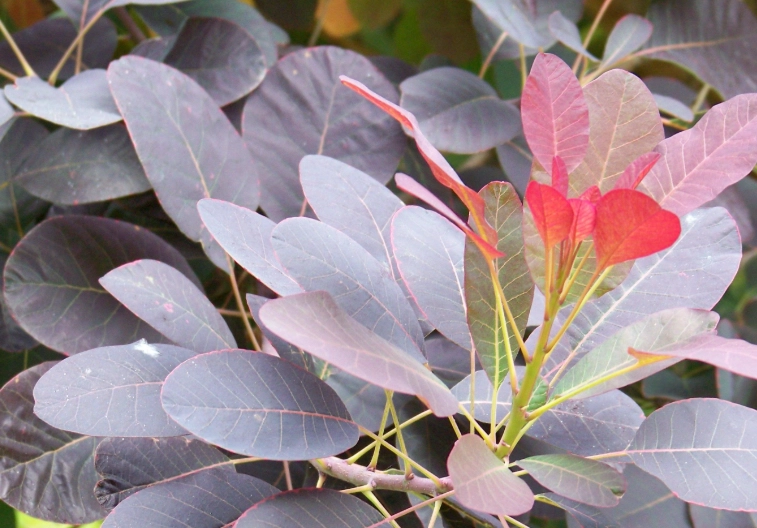
Can I grow Cotinus in a large container?
You can, but it's a high-maintenance commitment. Choose a dwarf variety like 'Young Lady' if possible. Use the largest pot you can find (half-barrel size) with excellent drainage. You'll need to water far more frequently, and the plant will never reach its full potential size. It will also be more vulnerable to winter root freeze in cold climates. I've done it, but I treat it as a temporary, 3-5 year feature before it needs to go in the ground.
What's the single best variety for a beginner who wants low maintenance and big impact?
Hands down, Cotinus coggygria 'Golden Spirit'. Its chartreuse-green foliage lights up a border, it's more resistant to mildew, and it seems less finicky about soil than some purple cultivars. The fall color is a soft apricot-orange. You can prune it or not, and it still looks good. It's the most forgiving and versatile cultivar in my book.