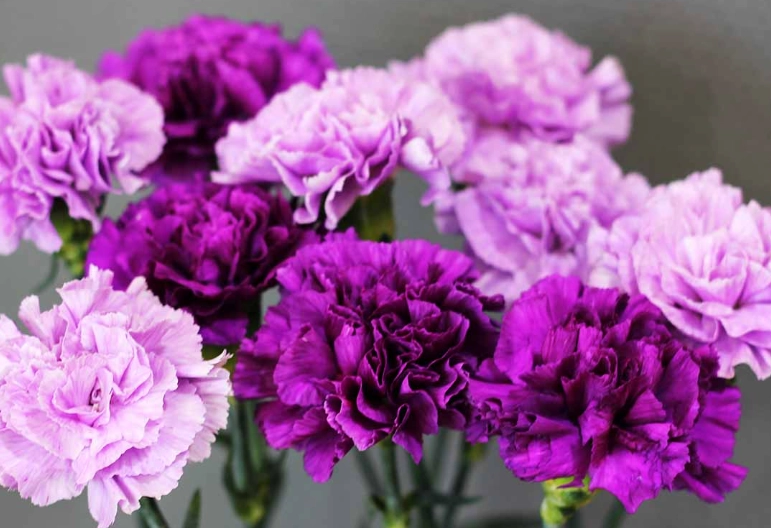
Let's be honest. Most people think of carnations as those stiff, dyed flowers from the grocery store around Mother's Day. But if that's your only reference, you're missing out on one of the most rewarding, fragrant, and surprisingly tough perennials for your garden. The real Dianthus caryophyllus—its proper botanical name—is a different beast entirely. I've grown them for over a decade, from balcony pots to sprawling borders, and I've made every mistake so you don't have to. The biggest one? Treating them like any other flower. They have specific, non-negotiable needs, and when you get them right, they reward you with blooms from late spring right into fall, with a clove-like scent that nothing else replicates.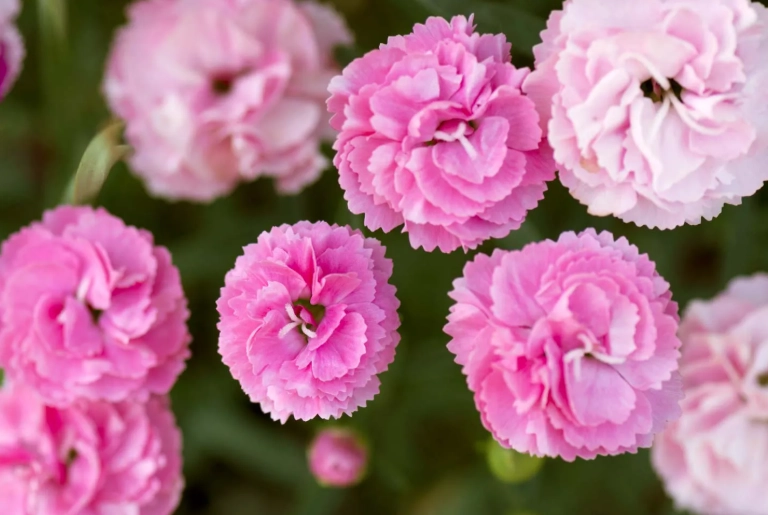
This guide cuts through the generic advice. We'll go beyond "plant in sun and water" and dive into the specifics of soil pH, the pruning technique that guarantees a second flush of flowers, and how to choose a variety that won't disappoint. Forget the filler flowers; let's grow carnations that are the main event.
What's Inside This Guide
- The Non-Negotiable Basics: What Carnations Actually Need
- Step-by-Step: Planting Carnations for Success (Not Just Survival)
- The Year-Round Care Schedule That Works
- Troubleshooting: Solving Yellow Leaves, No Blooms, and Floppy Stems
- Choosing the Right Variety: A Quick Comparison
- Your Questions, Answered (By Someone Who's Killed a Few)
The Non-Negotiable Basics: What Carnations Actually Need
Most plant guides give you a vague list. Here's the truth, prioritized. If you ignore point one, nothing else will matter much.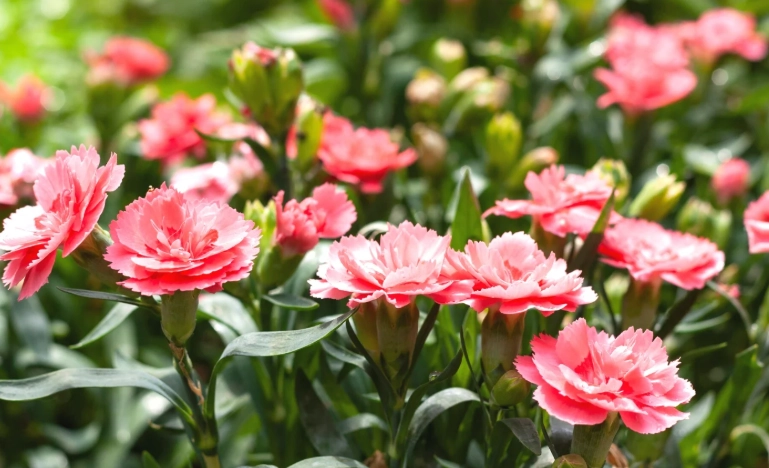
Alkaline Soil is Everything. This is the hill I will die on. Carnations crave sweet soil, meaning a pH between 6.7 and 7.5. Acidic soil (common in many rainy regions) is a death sentence. It locks up nutrients, leading to stunted growth, yellow leaves, and zero flowers. You can't just wish this away. Test your soil first. A cheap kit from the garden center works. If your soil is acidic, you must amend it with garden lime (not dolomitic lime, which is slower) at planting time and likely on a yearly basis. I learned this the hard way after a season of pathetic, chlorotic plants.
Full Sun Means Full Sun. Not "bright shade." Not "afternoon sun." At least six, preferably eight, hours of direct, unfiltered sunlight. Less light equals leggy growth, weak stems that flop over, and a dramatic reduction in flowering. The scent is also weaker in shadier spots.
Drainage is Non-Negotiable. Their second biggest hate, after acidic soil, is wet feet. Soggy soil rots the roots faster than you can say "fusarium wilt." If you have heavy clay, you must raise the planting area or create a mound. In pots, ensure there are multiple drainage holes, and don't let them sit in a saucer of water.
Step-by-Step: Planting Carnations for Success (Not Just Survival)
Timing and technique matter more than you think. Planting a pot-bound carnation from the nursery incorrectly can set it back months.
When to Plant
The best times are early spring (after the last frost) or early autumn. Fall planting gives the roots time to establish in cool, moist soil without the stress of summer heat, leading to a stronger plant the following spring. Avoid planting in the peak summer heat.
The Planting Process
- Prep the Soil: Dig a hole twice as wide as the root ball but no deeper. Mix the excavated soil with a generous amount of coarse sand or fine grit (about 30% by volume) for drainage and a handful of lime if your soil test indicated a need.
- Handle the Roots: Gently tease out the roots if they're circling the pot. Carnations resent being root-bound, and this simple step encourages them to spread into the new soil.
- Plant at the Right Depth: This is critical. The crown of the plant (where the stems meet the roots) must sit level with the soil surface. Planting too deep invites stem rot. Planting too high exposes roots.
- Water and Mulch: Water deeply after planting to settle the soil. Apply a thin layer of gravel or crushed shell mulch around the base. This helps with drainage, keeps the leaves dry (preventing disease), and slowly adds alkalinity as it breaks down. Avoid organic mulches like bark that can acidify the soil as they decompose.
The Year-Round Care Schedule That Works
Carnations aren't high-maintenance, but they are consistent-maintenance. Here's what to do and when.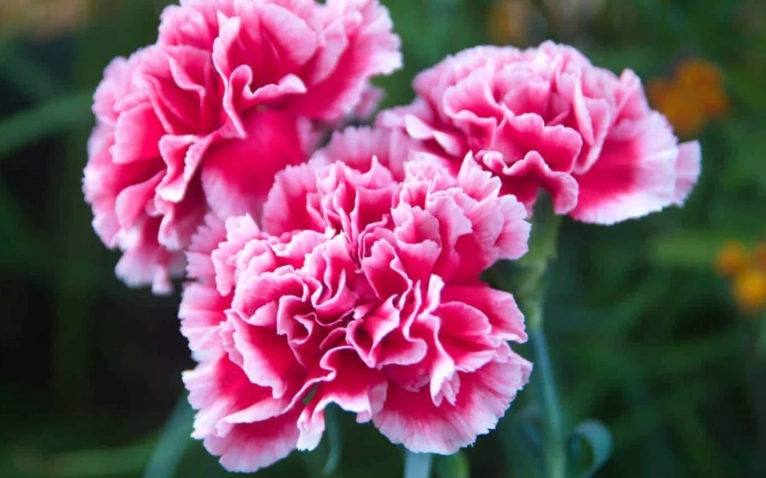
| Season | Key Tasks | Why It Matters |
|---|---|---|
| Spring | Remove winter mulch/protection. Apply a balanced, slow-release fertilizer. Begin regular watering as growth starts. | Wakes the plant up gently and fuels the first major bloom cycle. |
| Summer | Deadhead religiously. Water deeply when the top inch of soil is dry. Monitor for pests (aphids, spider mites). | Deadheading is the secret to continuous blooms. Deep watering encourages deep roots. |
| Autumn | After the last blooms fade, give plants a light trim to tidy them up. This is a good time to take cuttings. Stop fertilizing. | Prevents plants from putting energy into seed production. Prepares them for winter without encouraging soft new growth. |
| Winter | In very cold climates (below USDA zone 6), protect the crown with a loose layer of evergreen boughs or straw. Ensure the area doesn't become waterlogged. | Prevents frost heaving and crown rot from freeze-thaw cycles. The main enemy in winter is wetness, not cold. |
Troubleshooting: Solving Yellow Leaves, No Blooms, and Floppy Stems
Here's how to diagnose the common issues, moving beyond "water it more."
Yellowing Leaves (Chlorosis): The classic sign. If the veins stay green but the leaf turns yellow, it's almost certainly an iron deficiency caused by soil that is too alkaline... wait, no. That's for most plants. For carnations, it's the opposite! Yellow leaves, especially on new growth, almost always point to soil that is too acidic, locking up manganese and iron. Test your pH and apply lime.
Lack of Flowers: Three usual suspects: 1) Not enough sun, 2) Too much nitrogen fertilizer (you get lots of leafy growth at the expense of flowers), or 3) You're not deadheading. Switch to a fertilizer with a higher middle number (phosphorus) to promote blooms, and ensure that sunlight requirement is met.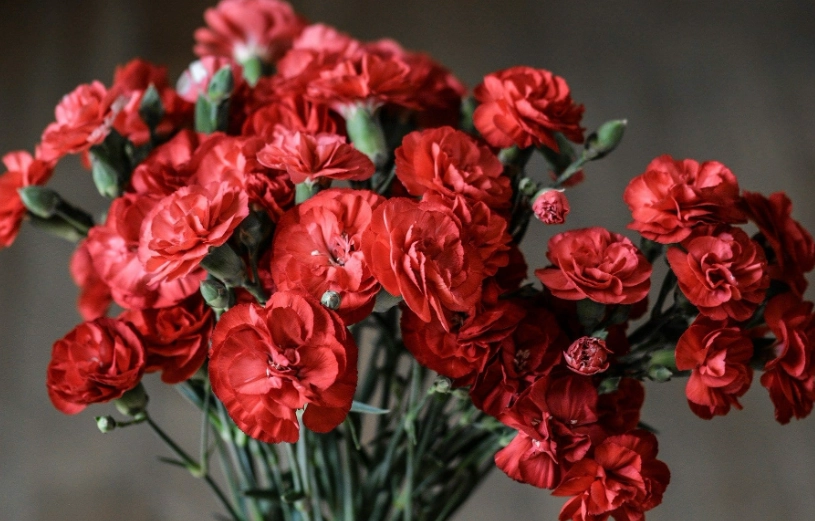
Floppy, Leggy Stems: Insufficient light is the prime cause. The plant is stretching to find the sun. The fix is to move it, not stake it. Overcrowding can also cause this, as plants compete for light. Give them space—most varieties need 12-18 inches between plants.
Root or Stem Rot: Caused by poor drainage and/or overwatering. The plant wilts, turns brown/black at the base, and collapses. Prevention is the only cure. Ensure your soil is gritty and never let plants sit in water. According to the Royal Horticultural Society's (RHS) pest and disease resource, improving air circulation and avoiding overhead watering can prevent fungal issues like fusarium wilt.
Choosing the Right Variety: A Quick Comparison
Not all carnations are created equal. Your choice depends on your goal: long-stemmed cut flowers, a carpet of color, or fragrance.
- Border Carnations (Dianthus caryophyllus): The classic, sturdy perennial. Shorter stems (12-24 inches), incredibly fragrant, and come in a huge range of colors. Perfect for garden borders and edging. Look for the 'Grenadin' series or 'Bookham Fancy' for reliability.
- Perpetual-Flowering Carnations: Often grown commercially for cut flowers. They have long, straight stems and can bloom almost year-round in ideal conditions (like a greenhouse). They are more tender and often treated as annuals or grown in protected spots. Less hardy but spectacular for cutting.
- Dwarf or Alpine Pinks (Dianthus alpinus/grattanopolitanus): Technically close cousins, but often grouped in. These form tight, mat-forming mounds perfect for rockeries, walls, or container fronts. They are exceptionally drought-tolerant once established and smother themselves in smaller, but numerous, flowers.
My personal favorite for a beginner is a border carnation like 'Doris'. It's tough, fragrant, and if you give it that alkaline soil, it will reward you for years.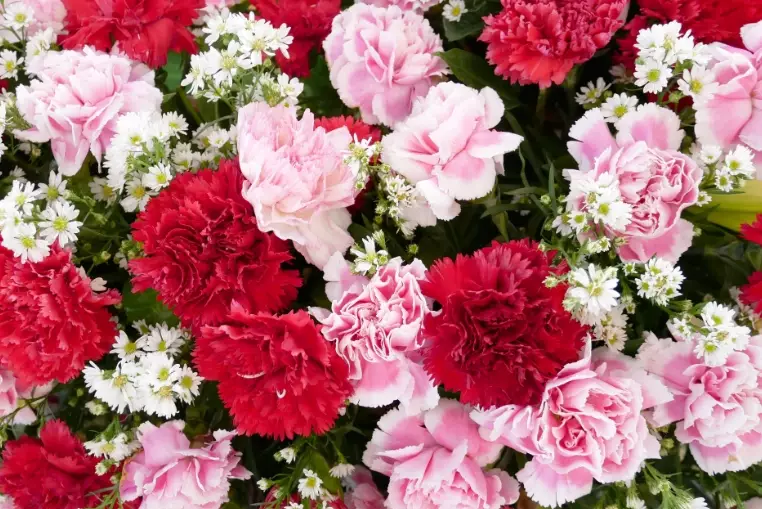
Your Questions, Answered (By Someone Who's Killed a Few)