Here's What We'll Cover
- What Exactly is Wisteria? (And Why Bother?)
- Picking Your Wisteria: A Quick Comparison
- Getting It in the Ground: A Foolproof Planting Guide
- The Pruning Puzzle: How to Cut for More Flowers
- Water, Food, and Support: The Daily Grind
- When Things Go South: Diagnosing Wisteria Woes
- From Good to Great: Advanced Techniques for Wisteria Wizards
- Got Questions? I've Got Answers.
Let's cut to the chase: wisteria is that high-maintenance friend who steals the show at every garden party. When it blooms, nothing compares—those cascading purple, blue, or white flowers are pure magic. But when it doesn't, you're left scratching your head, wondering what went wrong. I've been growing wisteria for over ten years, and I've made every mistake in the book. This guide is everything I wish I knew from day one, packed with practical tips that actually work.
What Exactly is Wisteria? (And Why Bother?)
Wisteria is a woody, climbing vine famous for its fragrant, drooping flower clusters. It's native to parts of Asia and North America, and gardeners adore it for its dramatic spring or summer blooms. But here's the thing: it's a vigorous grower. Without proper care, it can quickly become a tangled mess or even damage structures. Why grow it? Because when it's happy, it transforms your space into a fairy-tale scene. I remember visiting a friend's garden where a wisteria-covered pergola created a stunning purple tunnel—it was worth all the effort.
There are three main types you'll encounter: Chinese wisteria (Wisteria sinensis), Japanese wisteria (Wisteria floribunda), and American wisteria (Wisteria frutescens). The American varieties, like 'Amethyst Falls', are less aggressive and better for smaller gardens, according to the Missouri Botanical Garden. Chinese wisteria is more common but can be a handful if you're not prepared.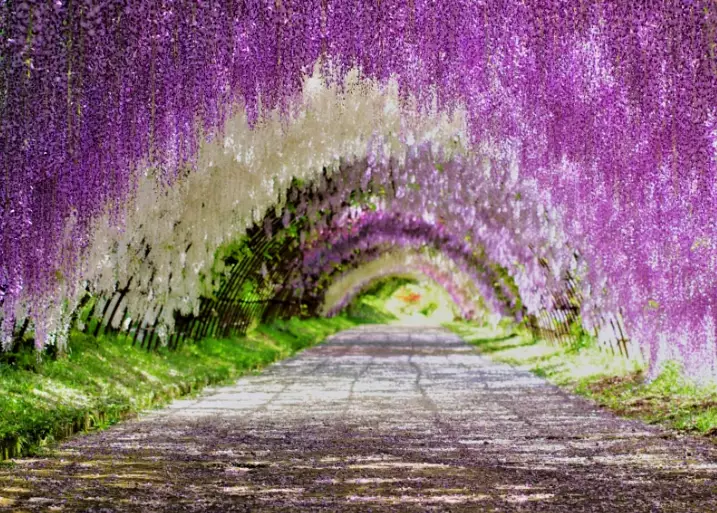
Picking Your Wisteria: A Quick Comparison
Choosing the right variety is crucial. I made the mistake of planting Chinese wisteria in my first garden—it grew so fast I was pruning every weekend. Here's a table to help you pick based on your needs.
| Variety | Flower Color | Bloom Time | Vigor | Best For | Hardiness Zones |
|---|---|---|---|---|---|
| Chinese Wisteria | Lavender-blue, white | Spring | High | Large structures, experienced gardeners | 5-9 |
| Japanese Wisteria | Violet, pink, white | Late spring | High | Long racemes, pergolas | 4-9 |
| American Wisteria | Lilac-purple | Summer | Moderate | Small gardens, beginners, containers | 5-9 |
If you're new to wisteria, I'd recommend American wisteria. It's more manageable and still produces gorgeous blooms. Don't just grab the first plant you see at the nursery—check the label for the species.
Getting It in the Ground: A Foolproof Planting Guide
Planting wisteria isn't rocket science, but there are key steps that many beginners skip. First, location is everything. Wisteria needs full sun—at least 6 hours of direct sunlight daily. Less than that, and you'll get leaves but no flowers. I learned this the hard way when I planted one in a partly shaded corner; it took years to bloom.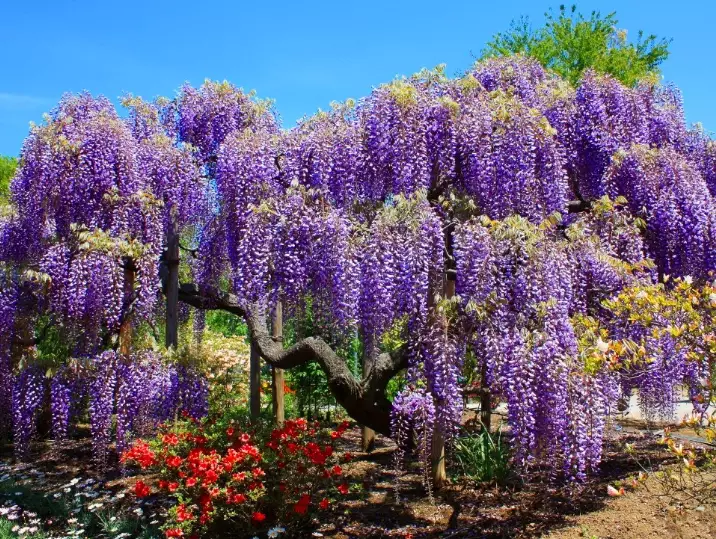
Soil should be well-draining. If you have heavy clay, mix in compost or aged manure. Dig a hole twice as wide as the root ball but no deeper—planting too deep can cause rot. Place the plant, backfill, and water thoroughly. Add a sturdy support immediately, like a pergola, trellis, or strong fence. Wisteria grows fast, and without support, it'll sprawl everywhere.
Common Planting Mistakes to Avoid
Here's where people mess up: planting too close to the house. Wisteria vines can pry apart siding, clog gutters, and even lift roof shingles. Keep it at least 10 feet away from any structure. Also, avoid over-fertilizing at planting time. A little compost is enough; too much nitrogen encourages leafy growth over flowers.
The Pruning Puzzle: How to Cut for More Flowers
Pruning is the make-or-break factor for wisteria. Most gardening books make it sound complicated, but it's not if you follow a simple routine. Wisteria blooms on new wood, so you need to encourage new growth through strategic cuts.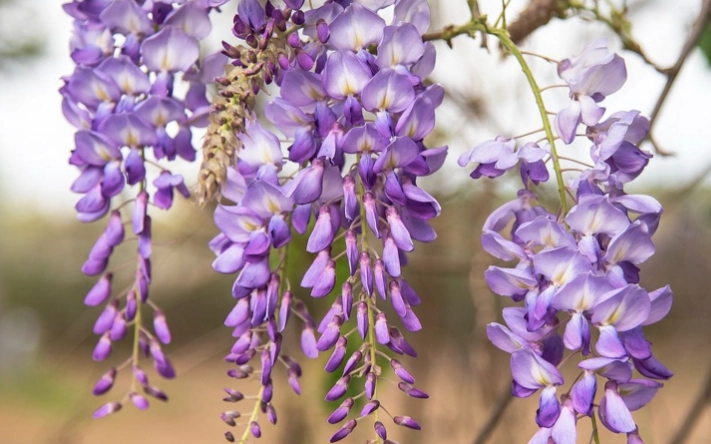
Summer Pruning: The Growth Check
In late summer, after the flowers fade, cut back the long, whippy shoots to about 6 inches from the main stem. This controls the size and directs energy into forming flower buds for next year. I use sharp bypass pruners for clean cuts—dull tools can damage the vine.
Winter Pruning: Setting the Stage for Blooms
When the plant is dormant in late winter, cut those same shoots back further to 2-3 buds. This is where the magic happens: it stimulates the growth of short spurs that will bear flowers. The Royal Horticultural Society swears by this two-step method, and from my experience, it works like a charm.
Why isn't your wisteria blooming? Nine times out of ten, it's because you're not pruning enough or at the wrong time. I see this all the time in community gardens—people let the vine run wild, then wonder why there are no flowers.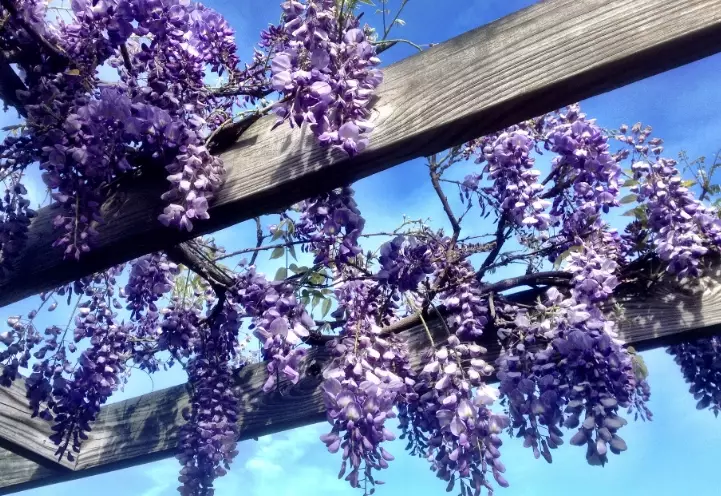
Water, Food, and Support: The Daily Grind
Once established, wisteria is relatively low-maintenance, but it still needs attention. Water deeply but infrequently. During dry spells, give it a good soak once a week. Overwatering can lead to root rot, so let the soil dry out between waterings.
Fertilize sparingly. In early spring, apply a balanced, slow-release fertilizer. I prefer organic options like fish emulsion because they're gentler on the soil. Avoid high-nitrogen fertilizers—they promote leaves at the expense of blooms.
Support is non-negotiable. As the vine grows, tie it loosely to the structure with soft ties. Don't let it wrap around itself; it can girdle and die. I use a simple wooden pergola, and it's held up for years.
When Things Go South: Diagnosing Wisteria Woes
Even with the best care, problems can arise. Here are the most common issues and how to fix them.
No flowers: Check sunlight and pruning. If it's getting less than 6 hours of sun, consider transplanting. Also, ensure you're following the summer-winter pruning schedule. Sometimes, wisteria takes 3-5 years to bloom from planting—patience is key.
Yellow leaves: This could be overwatering, nutrient deficiency, or pests. Check the soil moisture; if it's soggy, cut back on watering. For nutrients, a soil test can help. Pests like aphids can be sprayed off with a hose.
Vine die-back: This might be due to graft failure, especially if you bought a cheap nursery plant. Always source from reputable growers. If parts of the vine die, prune them out to prevent disease spread.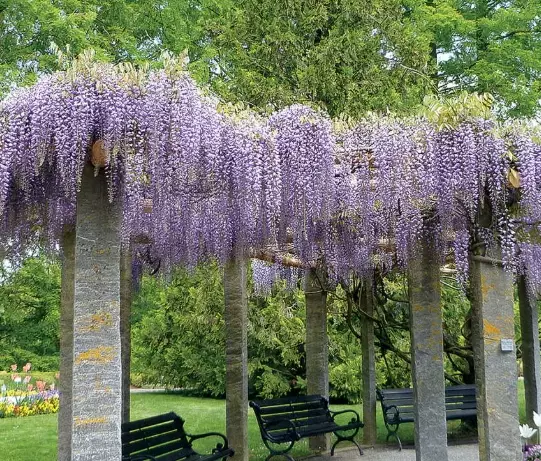
From Good to Great: Advanced Techniques for Wisteria Wizards
Want to take your wisteria game to the next level? Try training it as a standard tree. Select a strong central stem, stake it upright, and prune side shoots. It takes a few years, but the result is a stunning focal point. I did this with a Japanese wisteria, and now it's the talk of the neighborhood.
Container growing is another option. Use a large pot (at least 20 inches in diameter) with drainage holes, and choose a dwarf variety like 'Blue Moon'. Prune regularly to control size. I've grown wisteria in containers on my patio—it's perfect for small spaces.
For a dramatic effect, train wisteria over an arch or arbor. It creates a living tunnel that's perfect for weddings or photos. Just be prepared for frequent pruning to keep it in check.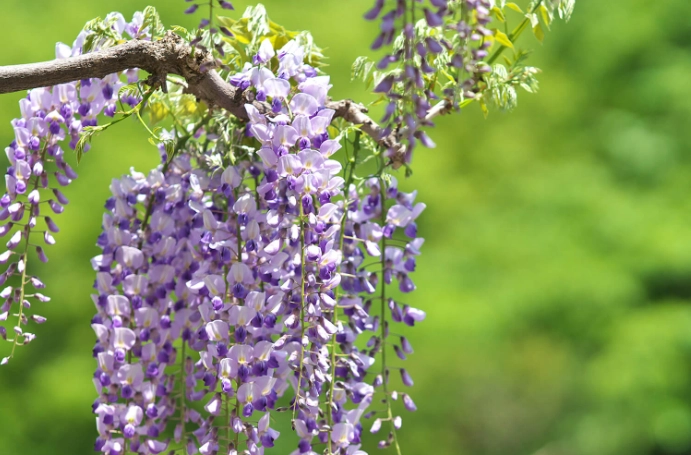
Got Questions? I've Got Answers.
Growing wisteria is a journey—it's not the easiest plant, but the payoff is worth every bit of effort. Start with the right variety, prune with confidence, and don't be afraid to experiment. Remember, even experts make mistakes; I've killed a vine or two along the way. But when those blooms finally appear, it's pure gardening joy. Happy growing!