What You'll Learn in This Guide
- What Are Currants and Why Grow Them?
- How to Choose the Right Currant Variety
- Step-by-Step Guide to Planting Currants
- Currant Plant Care: Watering, Fertilizing, and Pruning
- Dealing with Pests and Diseases: A Pro's Advice
- Harvesting and Using Your Currants
- Common Mistakes to Avoid When Growing Currants
- Your Currant Questions Answered
Currants are one of those backyard fruits that seem simple but trip up so many gardeners. I’ve been growing them for over a decade, and let me tell you, the difference between a scraggly bush and a bumper crop comes down to a few key details most guides gloss over. This isn’t just another generic article—it’s the stuff I wish I knew when I started, packed with actionable steps and hard-won insights. Whether you’re eyeing blackcurrants for jam or redcurrants for fresh eating, you’ll find everything here to grow them successfully.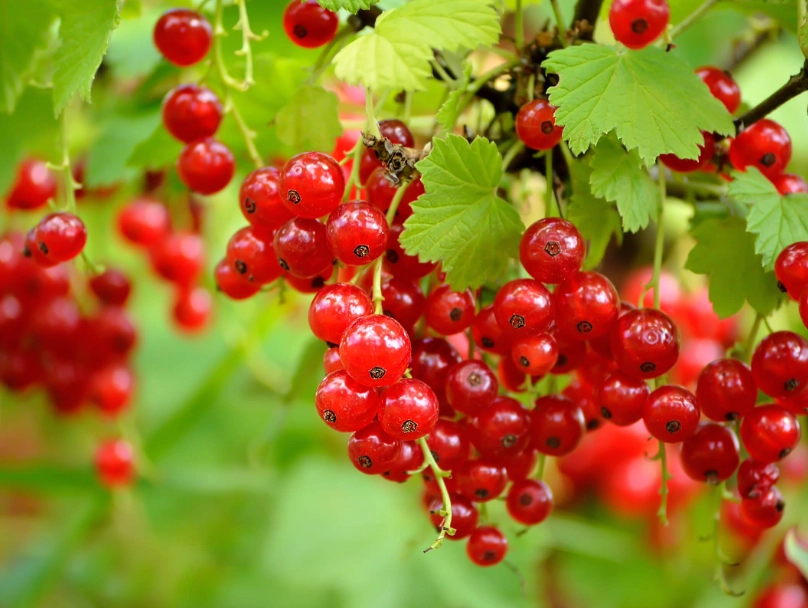
What Are Currants and Why Grow Them?
Currants are small, tart berries that come in three main types: blackcurrants (Ribes nigrum), redcurrants (Ribes rubrum), and white currants (a variant of red). They’re perennial shrubs, meaning they come back year after year, and they’re surprisingly hardy once established. Why bother? For starters, they’re nutritional powerhouses—blackcurrants, for instance, are loaded with vitamin C, even more than oranges according to the USDA National Nutrient Database. But beyond health, they offer versatility: think jams, jellies, desserts, or even savory sauces. I grow them because nothing beats picking your own berries on a summer morning, but also because they’re low-maintenance compared to fussier fruits like peaches.
Here’s a quick comparison to set the stage:
| Type | Flavor Profile | Best For | Hardiness Zone |
|---|---|---|---|
| Blackcurrant | Earthy, tart, intense | Jams, syrups, health supplements | Zones 3-8 |
| Redcurrant | Bright, acidic, slightly sweet | Fresh eating, garnishes, jellies | Zones 3-7 |
| White Currant | Milder, sweeter than red | Desserts, where a subtle flavor is needed | Zones 3-7 |
Most people think currants are just for cold climates, but with the right variety, you can grow them in warmer areas too—I’ve seen them thrive in Zone 9 with afternoon shade. The Royal Horticultural Society notes their adaptability, but they don’t stress enough how crucial variety selection is.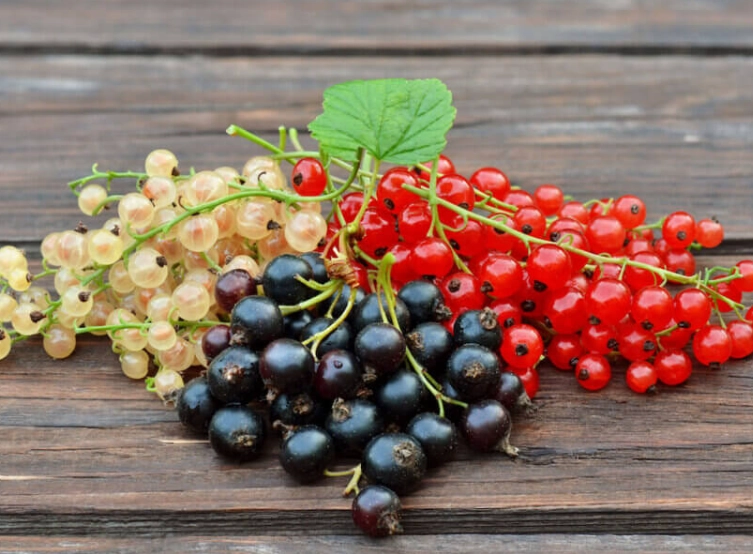
How to Choose the Right Currant Variety for Your Garden
Picking a currant plant isn’t about grabbing whatever’s at the nursery. It’s about matching the bush to your space, climate, and taste buds. I made the mistake early on of planting ‘Ben Lomond’ blackcurrant in a hot, dry spot—it survived, but the berries were puny. Here’s what to consider:
Climate compatibility: If you’re in a region with mild winters, like the Pacific Northwest, go for varieties like ‘Ben Sarek’ blackcurrant that tolerate less chill. For colder areas, ‘Red Lake’ redcurrant is a reliable choice. Check your USDA hardiness zone; currants generally need some winter chill to fruit well, but newer cultivars are more flexible.
Space constraints: Currant bushes can spread 4-5 feet wide. If you’re tight on space, look for compact types like ‘Ben Connan’ blackcurrant, which stays under 3 feet. I’ve even grown them in large containers on a patio—just ensure good drainage.
Disease resistance: This is huge. Many gardeners lose plants to mildew or rust because they pick susceptible varieties. ‘Consort’ blackcurrant has good resistance to white pine blister rust, a common issue in North America. Don’t just rely on the tag; dig into resources like university extension programs for local recommendations.
My top pick for beginners? ‘Jonkheer van Tets’ redcurrant—it’s productive, disease-resistant, and the berries are perfect for snacking. But if you’re after something unique, ‘Blanka’ white currant adds a touch of elegance to the garden.
Step-by-Step Guide to Planting Currants
Planting currants wrong sets you up for years of struggle. I’ve seen folks plop them in clay soil without amending it, then wonder why the plants sulk. Follow these steps, and you’ll avoid the common pitfalls.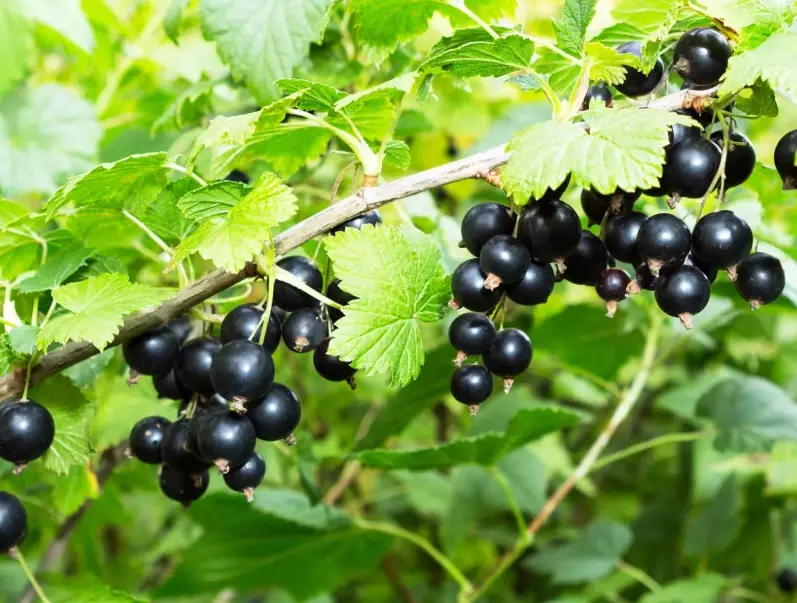
Timing is everything: Plant in early spring or late fall when the soil is workable. Fall planting gives roots time to establish before summer heat, but in colder zones, spring is safer to avoid frost heave. I prefer fall—it’s less rushed, and plants wake up stronger.
Site selection: Currants need full sun to partial shade. In hot climates, afternoon shade prevents scorching. They dislike wet feet, so avoid low spots where water pools. A slope or raised bed works wonders. Test your soil pH; currants prefer slightly acidic to neutral soil (pH 6.0-6.5). A simple kit from a garden center will do.
Soil preparation: This is where most fail. Don’t just dig a hole. Work in plenty of organic matter—compost or well-rotted manure—to a depth of 12-18 inches. I mix in a handful of bone meal for phosphorus, which encourages root growth. If your soil is heavy clay, add sand or perlite for drainage.
Planting depth and spacing: Dig a hole twice as wide as the root ball. Place the plant so the soil line matches the nursery pot—planting too deep can cause rot. Space bushes 4-5 feet apart for air circulation. Water thoroughly after planting, and mulch with straw or wood chips to retain moisture and suppress weeds. Skip the fancy mulch; I’ve found plain straw does the job without harboring pests.
One pro tip: If you’re planting bare-root currants, soak the roots in water for a few hours before planting. It rehydrates them and reduces transplant shock.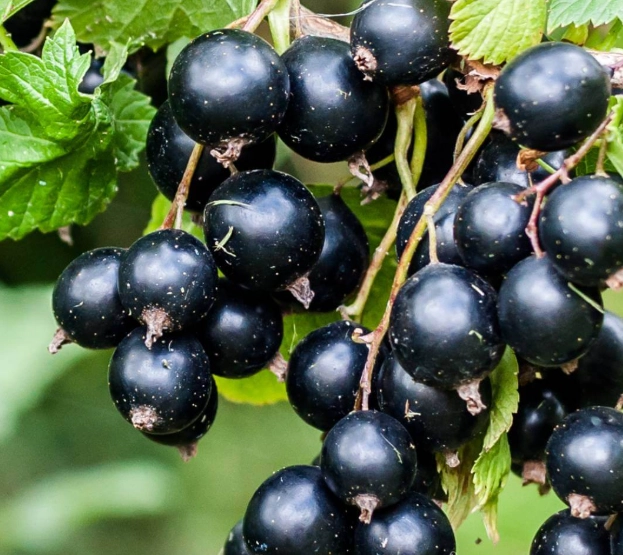
Currant Plant Care: Watering, Fertilizing, and Pruning
Once planted, currants aren’t high-maintenance, but they do need consistent care. Neglect pruning, and you’ll get a tangled mess with few berries. Here’s the breakdown.
Watering Currants: How Much and When
Currants have shallow roots, so they dry out fast. Water deeply once a week, providing about 1-2 inches of water. During fruiting season, increase to twice a week if it’s hot. I use a soaker hose to deliver water directly to the roots—overhead watering can promote fungal diseases. A common mistake is watering lightly every day; that encourages weak roots. Let the soil dry slightly between waterings.
Fertilizing for Maximum Yield
Currants aren’t heavy feeders, but they benefit from a balanced approach. In early spring, apply a slow-release fertilizer like 10-10-10 around the base. I also side-dress with compost in late spring. Avoid high-nitrogen fertilizers; they promote leafy growth at the expense of fruit. If leaves turn yellow, it might be iron deficiency—add chelated iron according to package directions.
Pruning Currants: The Secret to Big Harvests
Pruning is non-negotiable. Do it wrong, and you’ll cut off next year’s fruit. For blackcurrants, prune right after harvest in summer: remove about one-third of the oldest stems at the base to encourage new growth, as blackcurrants fruit best on one-year-old wood. For red and white currants, prune in late winter: cut back side shoots to 2-3 buds and remove dead or crossing branches. I keep a pair of sharp bypass pruners just for this task—dull tools crush stems.
Most guides say to prune annually, but in my experience, if a bush is healthy, you can skip a year without disaster. Just don’t let it go wild.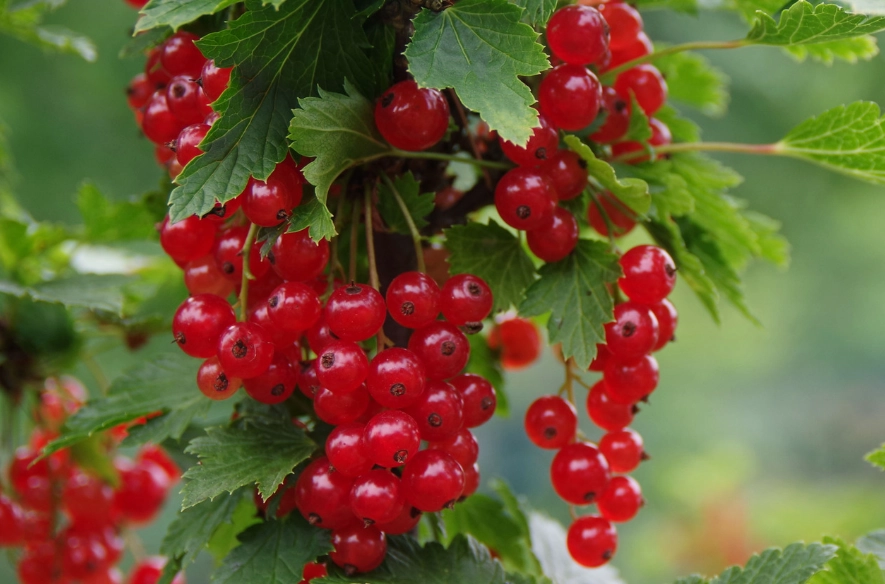
Dealing with Pests and Diseases: A Pro's Advice
Pests and diseases are the biggest headache for currant growers. I’ve lost plants to aphids and mildew before I figured out the tricks. Here’s how to stay ahead.
Common pests: Aphids love new growth—blast them off with a strong jet of water or use insecticidal soap. Birds can strip berries; netting is the only reliable solution. I drape netting over frames, not directly on plants, to avoid tangling. For currant borers, look for wilting stems and prune them out immediately.
Disease prevention: Powdery mildew shows as white patches on leaves. Improve air circulation by pruning and avoid overhead watering. Rust diseases cause orange spots; remove infected leaves and consider fungicides if severe. The key is prevention: choose resistant varieties and keep the area clean of fallen debris.
One non-consensus point: Many experts recommend spraying preventatively, but I’ve found that healthy plants with good soil rarely need it. Over-spraying can harm beneficial insects. Instead, I plant companion plants like garlic or chives nearby—they seem to deter pests naturally.
If you’re in an area with white pine blister rust restrictions, check local regulations; some regions may limit currant planting. The USDA has guidelines, but it’s often overlooked by home gardeners.
Harvesting and Using Your Currants
Harvesting currants is straightforward, but timing matters. Pick too early, and they’re sour; too late, and they drop. Blackcurrants are ready when fully black and slightly soft—usually mid to late summer. Red and white currants should be bright and firm. I test by tasting a few; if they’re tart but flavorful, they’re good.
Use scissors or snip entire clusters to avoid damaging the plant. Currants don’t ripen further off the bush, so harvest in batches. They store in the fridge for up to a week, or freeze them for later use. I spread them on a tray to freeze individually before bagging—prevents clumping.
For usage, the possibilities are endless. Blackcurrants make incredible jam; my recipe is just berries, sugar, and a squeeze of lemon. Redcurrants are great in salads or as a garnish for desserts. I’ve even made currant syrup for cocktails—it’s a hit at parties. If you’re feeling adventurous, try drying them for snacks.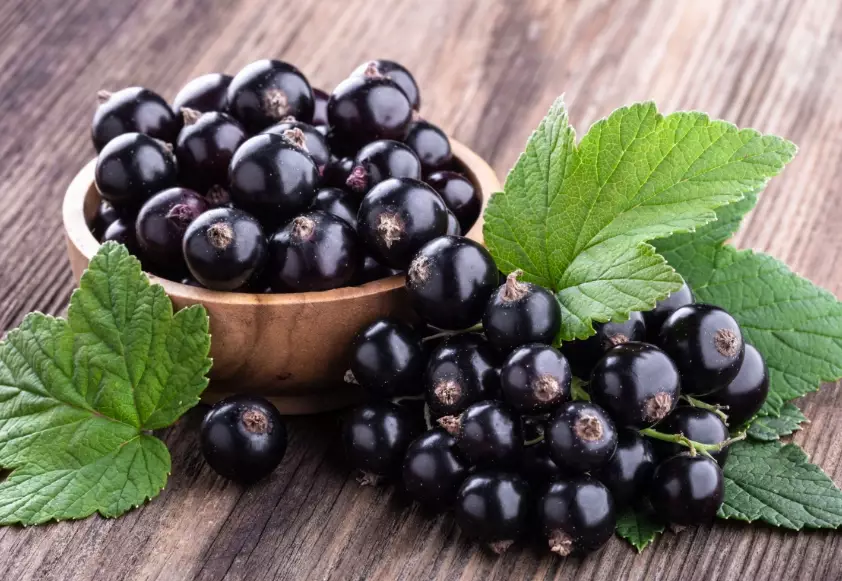
Common Mistakes to Avoid When Growing Currants
After years of trial and error, I’ve seen the same errors crop up. Here’s my list of what not to do.
Planting in poor soil: Currants need well-drained, fertile soil. Skipping soil prep leads to stunted growth. Amend it every time.
Overcrowding: Giving bushes too little space invites disease. Stick to the 4-5 foot spacing, even if it feels wasteful initially.
Ignoring pruning: It’s tempting to let plants grow wild, but unpruned currants produce fewer berries and become susceptible to pests. Set a calendar reminder for pruning season.
Using chemical sprays indiscriminately: This kills pollinators and can build resistance. Opt for organic methods first, like neem oil for mild infestations.
I once neglected to mulch a new planting, and weeds took over—lesson learned. Mulch conserves water and saves weeding time.
Your Currant Questions Answered
Growing currants is a rewarding journey—from that first tiny blossom to a bowl of homegrown berries. It’s not without challenges, but with the right know-how, you can avoid the pitfalls. Start with a good variety, prep your soil, and stay on top of pruning. Remember, gardening is part science, part art; don’t be afraid to experiment. If I can turn a patch of weeds into a currant haven, so can you. Happy growing!