Let's be honest. You brought home a beautiful plant, it's thriving (or maybe just surviving), and you have absolutely no idea what it's called. You search "green leafy plant" online and get a million results. Sound familiar? Identifying house plants isn't about memorizing a thousand Latin names. It's a detective game, and you just need to know what clues to look for. I've spent over a decade working with indoor plants, and the most common mistake I see is people staring at the overall plant and feeling overwhelmed. The secret? Break it down. Look at one feature at a time. By the end of this guide, you'll have a clear, step-by-step process to name almost any plant on your shelf.
What's Inside?
The Four Pillars of Plant Identification: What to Look For
Forget trying to take in the whole plant at once. Focus on these four categories separately. Grab a notepad or your phone and jot down observations for each.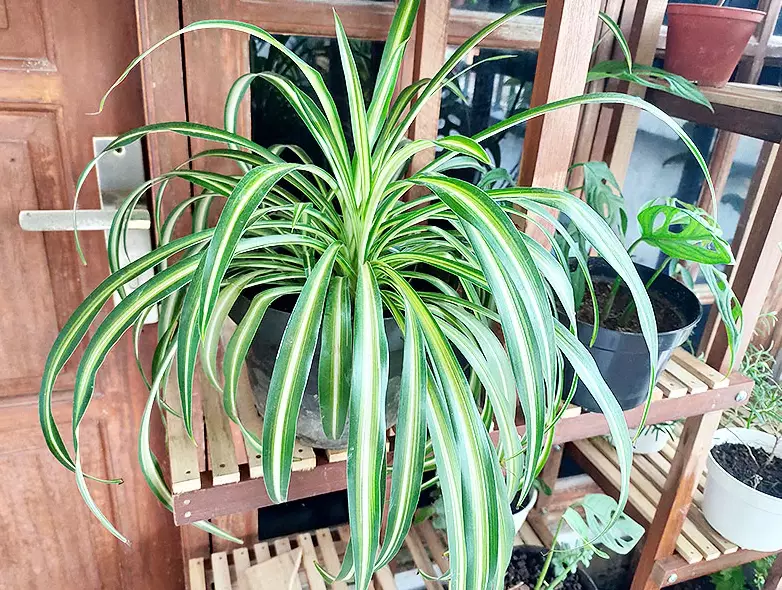
Leaf Shape and Arrangement
This is your most reliable clue. Is the leaf heart-shaped, like a Philodendron? Long and sword-like, like a Snake Plant? Deeply lobed, like a Monstera? Don't just note the shape. Look at how the leaves are arranged on the stem. Are they opposite each other, alternating, or in a whorl? Are they compound (made of multiple leaflets, like a Money Tree) or simple (one single leaf blade)?
I find that paying attention to the leaf base and tip is often more telling than the overall shape. A pointed, elongated tip is common in Dracaenas, while a rounded, notched tip screams "Pilea peperomioides."
Leaf Texture and Color
Touch the leaf. Is it waxy and smooth (Hoya), fuzzy and velvety (Purple Passion Plant), or thick and succulent (Jade Plant)? Color patterns are huge. Are the stripes running with the veins (like on a Spider Plant) or across them (like on a Calathea)? Are the edges a different color? A deep purple underside is a dead giveaway for many Calatheas and some Tradescantias.
Flowers and Inflorescences
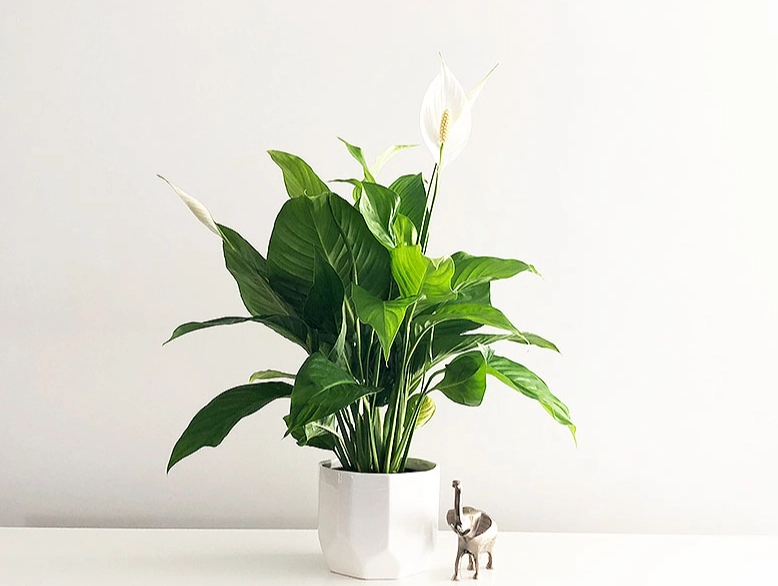
If your plant is flowering, you've hit the jackpot. Note the flower color, shape, and how they're grouped. A spathe and spadix (a hood-like bract with a central spike) means you're likely dealing with an Aroid—think Peace Lily, Anthurium, or Philodendron. Tiny clustered flowers on a long stalk might point to a Hoya or Peperomia.
Growth Habit and Size
How does the plant grow? Is it a tall, cane-like upright grower (Corn Plant), a trailing vine (Pothos, Philodendron Brasil), a tight rosette (Succulents like Echeveria), or a bushy, branching shrub (Ficus, Schefflera)? Understanding its natural posture narrows the field immediately.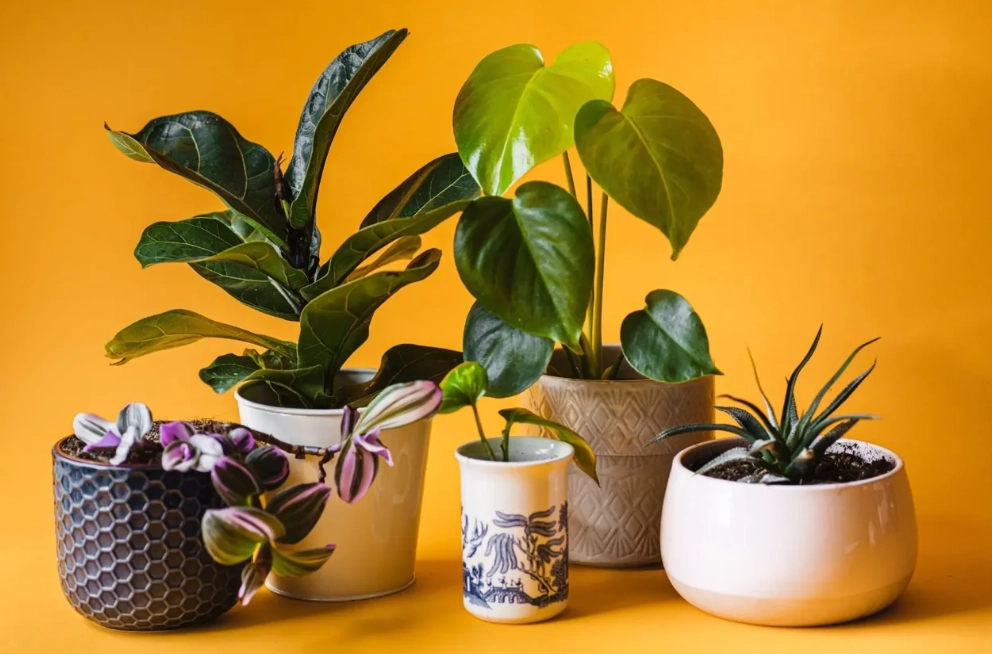
How to Identify House Plants Step-by-Step
Let's put this into practice with a real-world scenario. You have a plant with glossy, oval leaves on long, arching stems.
Step 1: Isolate and Photograph. Take your plant to a neutral background near good, natural light. Take clear photos of the whole plant, a close-up of a single leaf from the top, a close-up of the leaf underside, and the stem junction. If there's anything unusual like a flower or aerial root, photograph that too.
Step 2: Interrogate the Leaf. Our example plant has simple, alternate leaves. They're about 4 inches long, oval with a pointed tip, and a deep central vein. The surface is glossy and smooth. The underside is a lighter green. Already, we can rule out fuzzy plants, plants with compound leaves, and plants with stripes.
Step 3: Examine the Stem and Growth. The stems are long, green, and somewhat woody at the base. They arch outwards from the soil. It's clearly a bushy, upright-to-arching plant, not a vine or a rosette.
Step 4: Cross-Reference. Armed with these clues—glossy, simple oval leaves, arching bushy habit—you start searching. A quick mental catalog: it's not a Pothos (vining), not a Rubber Plant (much larger, leathery leaves), not a Peace Lily (different leaf shape). This is where the classic Chinese Evergreen (Aglaonema) or a type of Dracaena like 'Janet Craig' comes to mind. The arching habit leans towards Dracaena.
See? Systematic.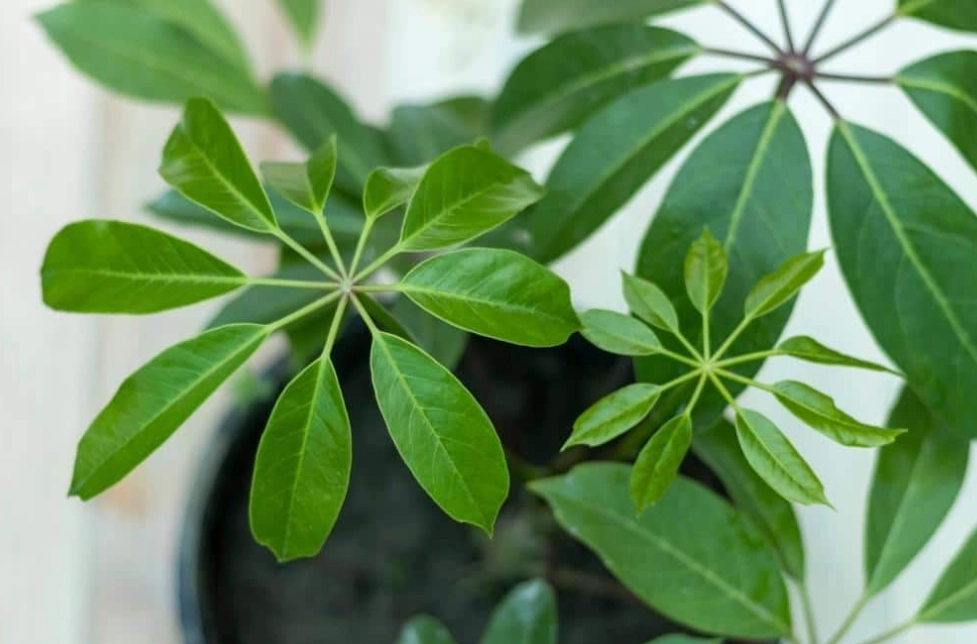
Top Tools and Apps for House Plant ID
Technology is a fantastic assistant, but a poor master. Here’s a breakdown of the most popular methods.
>Getting a scientific name and seeing visually similar species. It's great for narrowing down genus.>Quick, user-friendly guesses and immediate care advice. Very popular.>A free, readily available first attempt. Often links to plant shop pages.>Tricky, rare, or unusual plants. Getting a consensus from multiple people.>Deep learning and understanding plant families. No tech required.| Method / App | How It Works | Best For | My Take |
|---|---|---|---|
| PlantNet | Image recognition against a scientific database. You select the organ (leaf, flower, etc.). | The most accurate free option I've used for getting to the right genus. It forces you to think about plant parts, which is educational. | |
| PictureThis | Instant photo scan with AI, provides name, care tips, disease diagnosis. | It's convenient but can be overly confident and wrong. I've seen it call a Peperomia a Pothos. Use it as a first guess, not a final answer. The care tips are generic. | |
| Google Lens | General-purpose image search. Part of the Google app. | Surprisingly decent for very common plants like Monstera or Snake Plant. For anything less common, it tends to show you where to buy a similar plant rather than correctly ID it. | |
| iNaturalist | Community-powered identification. You upload, experts and enthusiasts suggest IDs. | The most reliable for difficult IDs, but slower. It's where the real nerds hang out. The accuracy is high because humans are involved. | |
| Old-Fashioned Book / Key | Using a physical guide like "The House Plant Expert" or an online dichotomous key. | This is how you truly learn. It's slower, but the knowledge sticks. You start recognizing patterns and families, not just individual species. |
Common House Plant Identification Profiles
Here are quick-hit profiles for some of the most common "mystery" plants.
The "I Water It Once a Month" Plant: Thick, spear-like leaves that point upwards, often with yellow or silver edges. Texture is incredibly tough, almost plastic-like. This is almost certainly a Snake Plant (Sansevieria). If the leaves form a fountain-like rosette and are fleshy, it's probably an Aloe.
The "Fast-Growing Vine in My Kitchen": Heart-shaped leaves, usually with creamy or yellow variegation. Leaves are moderately thick and waxy. Vines can get many feet long. You've got a Pothos (Epipremnum aureum). If the leaves are more elongated and the vines have long aerial roots, it might be a Heartleaf Philodendron. (Yes, even experts mix these up sometimes).
The "Big Leaves with Holes": Large, dark green, leathery leaves with deep splits and holes along the midrib. The plant has a single, thick, vertical stem with leaf scars. This is the iconic Swiss Cheese Plant (Monstera deliciosa). If the leaves are giant, deeply lobed but without holes, it might be a Split-Leaf Philodendron (Thaumatophyllum).
The "Puffy Leaves on Tiny Stems": Small, coin-shaped, super succulent leaves on thin, reddish stems. The whole plant has a delicate, trailing appearance. This is a String of Buttons (Crassula perforata) or a similar succulent trailing variety.
Troubleshooting: When Identification Gets Tricky
Sometimes, even with all the clues, you hit a wall. Here's why.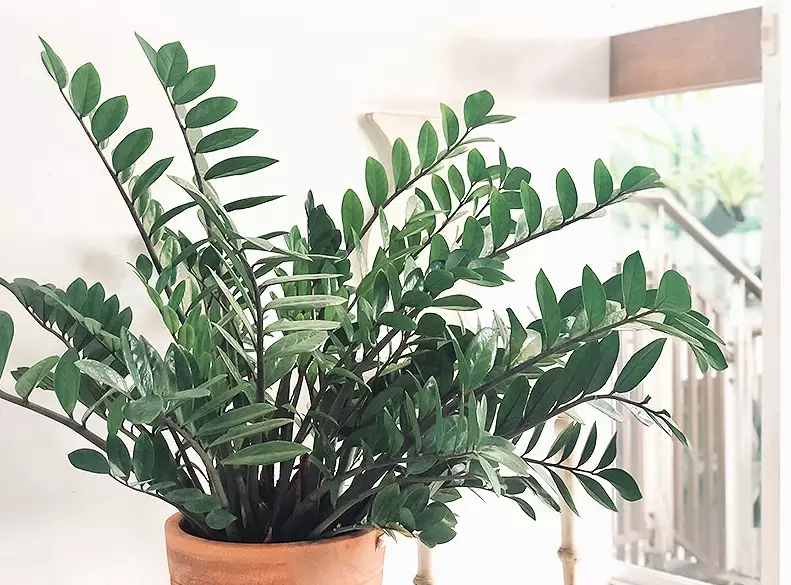
Juvenile vs. Mature Form: This is the #1 cause of misidentification. A juvenile Monstera has small, heart-shaped leaves with no holes. A juvenile Rubber Plant (Ficus elastica) has small, pinkish leaves, not the large, dark green ones you know. Many plants look completely different when young. If your plant seems "off," search for "juvenile [suspected name]".
Cultivars and Variegation: A plant breeder has created a new color variant. Your Pothos might be a 'Marble Queen,' 'Neon,' or 'Jessenia.' The base species is the same, but the leaf color is wildly different. Focus on the underlying leaf shape and growth habit first, then worry about the cultivar name.
Poor Health Masks Features: A severely dehydrated plant will have curled, crispy leaves that don't resemble their true form. A plant kept in deep shade might have stretched, pale growth (etiolation). Try to identify the healthiest, most typical leaf on the plant.
Your Plant ID Questions, Answered
 Is it more important to know the common name or the scientific name?