Let's be honest. You probably bought an azalea because it was covered in breathtaking blooms at the garden center. You planted it, watered it, and waited. Maybe you got a few good seasons, then it started looking sad. Leaves yellowing, sparse flowers, just... struggling. I've been there. I've killed my share of azaleas by following generic advice. The truth is, azalea care isn't complicated, but it's specific. Get one or two things wrong, and the plant lets you know. This guide skips the fluff and goes straight to the actionable, often-overlooked details that separate a surviving azalea from a spectacular one.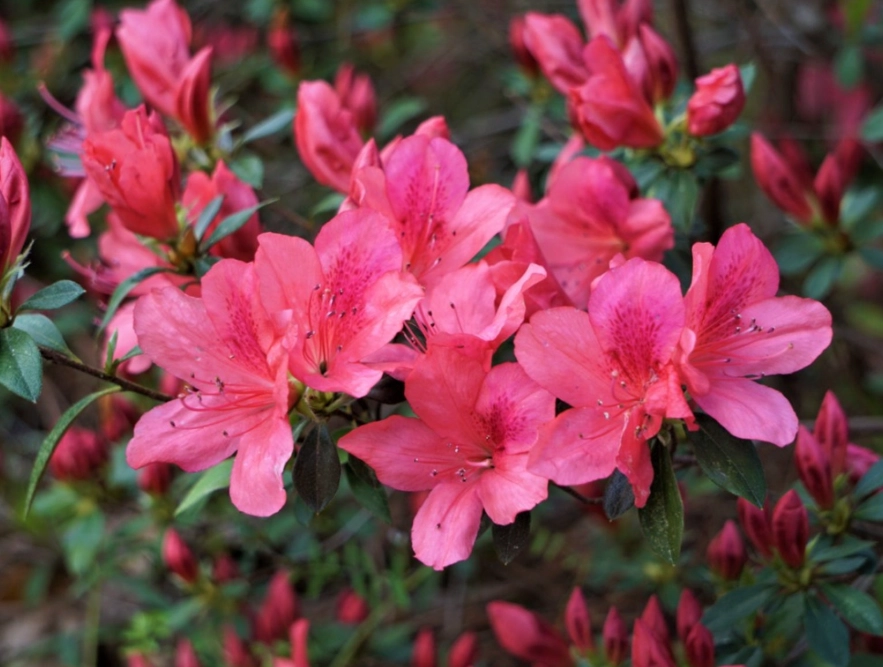
What's Inside This Guide
Understanding Azaleas: More Than Just a Pretty Flower
Azaleas are part of the Rhododendron family. This isn't just botanical trivia—it's the key to understanding them. They're not like your average shrub. They have fine, hair-like roots that form a dense mat close to the surface. They're also what we call ericaceous or acid-loving plants. This is the single most important fact. Their ability to absorb nutrients is directly tied to soil acidity.
People often talk about "azaleas" as one thing, but the care can differ slightly. You have two main groups:
- Evergreen Azaleas: These keep their leaves year-round. They're typically smaller, denser, and the classic choice for foundation plantings. Popular series include the Girard, Encore (which reblooms), and Satsuki hybrids.
- Deciduous Azaleas: These lose their leaves in fall. They're often native to North America, tend to be larger, and their flowers can be incredibly fragrant. Think of the native Flame Azalea or the Exbury hybrids.
The big mistake? Treating a sun-loving, tall native deciduous azalea the same way you treat a compact, shade-preferring evergreen. Always check the tag, but if it's lost, a good rule of thumb: if it's sold in a mass-market garden center in a small pot, it's likely an evergreen type that prefers some afternoon shade.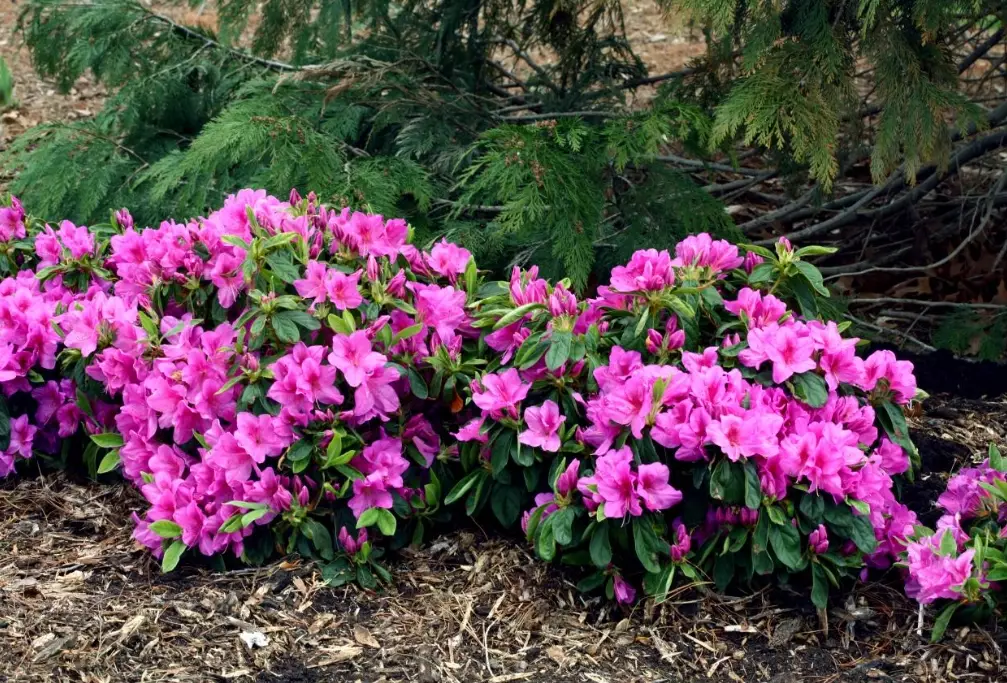
The Right Start: Planting Your Azalea Correctly
Planting is where you set the stage for success or create a long-term headache. The classic error is digging a deep hole and amending it with a bag of peat moss. This creates a "bathtub effect" where water pools in the looser planting hole, drowning the roots.
Step-by-Step Planting Process
1. Location is Everything: Most evergreen azaleas want dappled sunlight or morning sun with afternoon shade. Hot, blazing afternoon sun scorches leaves. Deep, full shade results in leggy growth and few flowers. Deciduous types can often handle more sun.
2. Test Your Soil (Seriously, Do It): Don't guess. A cheap home test kit is fine. You need to know your starting pH.
3. The Planting Hole: Dig a hole twice as wide as the root ball, but only as deep as the root ball. You want the top of the root ball to be slightly above the surrounding soil level—about an inch. This improves drainage immediately. Roughen the sides of the hole so roots can penetrate the native soil.
4. Soil Amendment Strategy: Instead of just amending the backfill, amend a much wider area. Mix in a generous amount of composted pine bark (not fresh) or peat moss into the native soil you removed. Pine bark is my preferred choice—it acidifies as it breaks down and improves structure for decades. Avoid using soil from a bag labeled "topsoil" or "garden soil," as it's often neutral or alkaline.
5. Planting and Watering: Place the plant, backfill with your amended soil, and water thoroughly to settle. Apply a 2-3 inch layer of acidic mulch like pine needles or shredded pine bark. Keep the mulch a few inches away from the stem to prevent rot.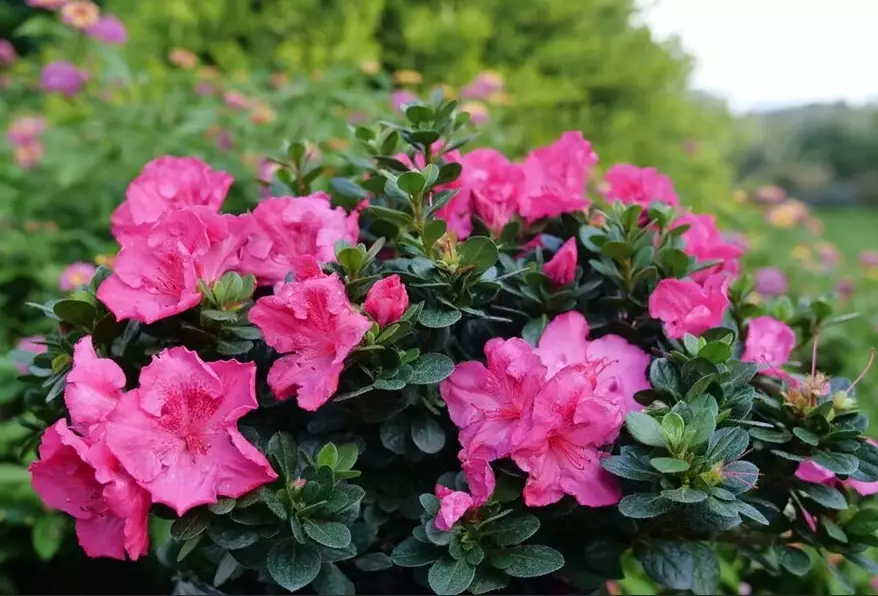
Ongoing Care: Water, Food, and the Art of Pruning
Consistency beats heroics. Azaleas hate drought, but they despise soggy feet even more.
Watering Deeply and Wisely
Water when the top few inches of soil feel dry. Soak the entire root zone. A soaker hose or drip irrigation under the mulch is ideal. Overhead watering can promote fungal diseases like petal blight. In their first year, they're especially vulnerable, so don't let them dry out completely.
Fertilizing Without Burning Roots
Azalea roots are sensitive. More plants are harmed by over-fertilizing than under-fertilizing. Use a fertilizer formulated for acid-loving plants (look for labels like "for azaleas, camellias, and rhododendrons").
| Fertilizer Type | When to Apply | Key Consideration |
|---|---|---|
| Slow-Release Granular | Early Spring (as new growth starts) | Easy and safe. Scatter according to label rates around the drip line, not against the stem. |
| Water-Soluble | Every 2-4 weeks during Spring growth | Faster acting. Use at half-strength to avoid salt buildup. |
| Organic (Cottonseed Meal, Holly-tone) | Early Spring and again in Late Fall | Gentle, feeds the soil microbiome. Takes longer to show effect. |
Stop all fertilizer by mid-summer. Late feeding encourages tender new growth that will be killed by frost.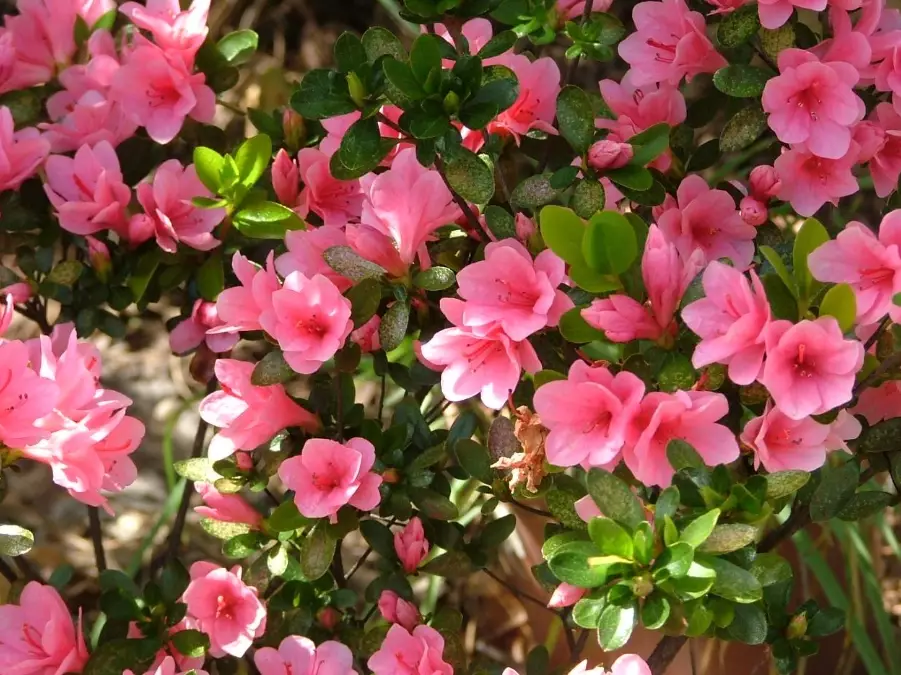
How and When to Prune Azaleas
This is where most people get timid or overzealous. Azaleas set their flower buds for next year in mid to late summer. If you prune in fall or spring, you're cutting off those buds.
The golden rule: Prune right after the blooms fade. This gives the plant the whole growing season to produce new growth and set buds for next year.
- For Shape: Use hand pruners to cut individual branches back to a point just above a set of leaves or a branch junction. Never shear them into meatballs—it creates a dense outer shell that blocks light and air from the center.
- For Rejuvenation: If you have an old, leggy azalea, you can be brave. In early spring, you can cut the entire plant back to about 1 foot from the ground. It will look terrible, but it will often resprout vigorously. Not all varieties tolerate this, but many do.
Solving Common Azalea Problems (Yellow Leaves, No Blooms)
Let's diagnose the two biggest issues.
Yellow Leaves (Chlorosis)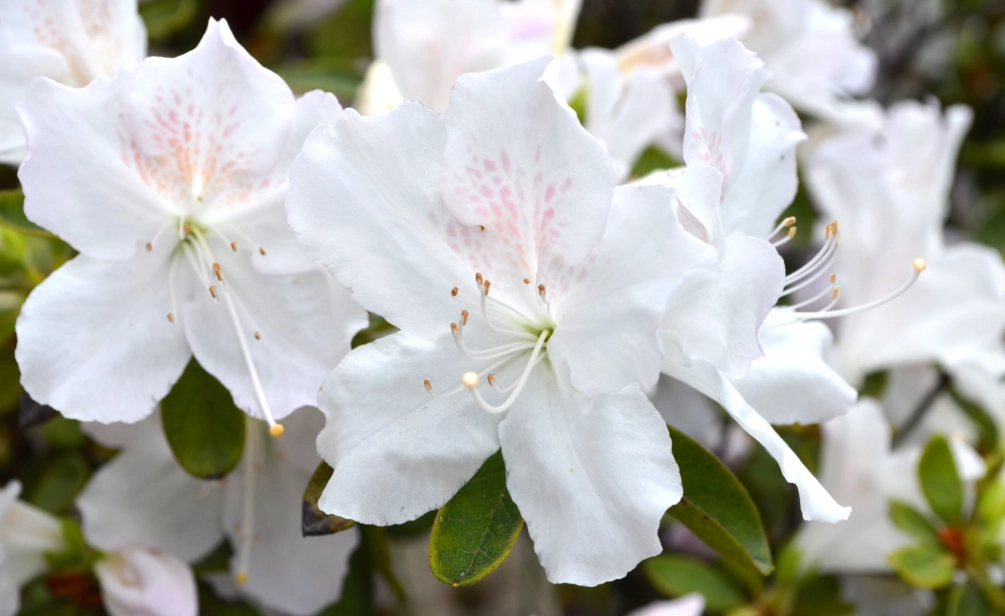
If the leaves are turning yellow but the veins stay green, it's almost certainly iron chlorosis due to high soil pH. Your soil isn't acidic enough.
Fix: Test your soil pH first. To lower pH (make more acidic), you can apply soil sulfur or aluminum sulfate according to package directions. This is a slow process. For a quicker green-up, apply a chelated iron supplement (like Ironite) as a foliar spray or soil drench. It's a band-aid, not a cure. The real fix is amending the soil long-term with acidic organic matter.
Lack of Blooms
No flowers? Run through this checklist:
- Pruned at the wrong time? (See above).
- Too much shade? Move it or limb up overhanging trees.
- Too much nitrogen? High-nitrogen lawn fertilizer runoff can promote leafy growth at the expense of blooms.
- Winter bud kill? A late frost can zap flower buds. For marginal climates, choose later-blooming varieties.
- It's simply too young or was stressed last year. Azaleas need energy to bloom. A recent transplant or a drought year can lead to a "skip" year.
Expert Azalea FAQ: Your Top Questions Answered
 Why did my azalea wilt and die suddenly, even though I was watering it?