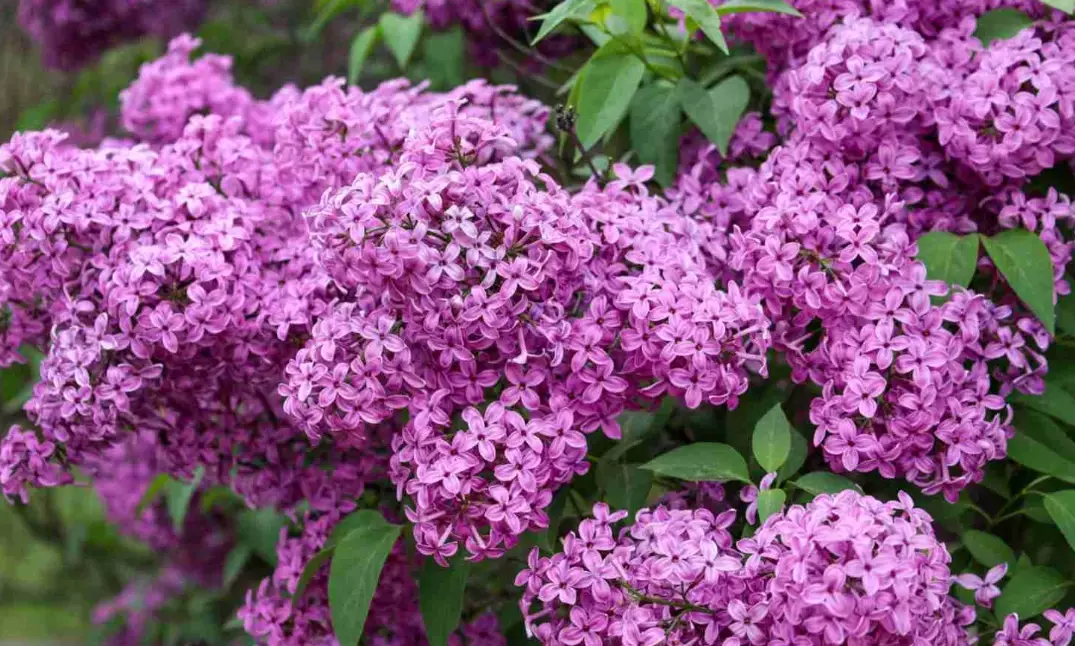
That scent. It’s the first thing you remember about lilacs, isn’t it? A single bloom can stop you in your tracks, a wave of pure, sweet nostalgia. It’s why so many of us rush to plant one, dreaming of armfuls of purple, white, or pink blossoms each spring. And then reality hits. The bush sits there, stubbornly leafy but bloomless. Powdery mildew coats the leaves in white dust. Or it just looks... spindly and sad. I’ve been there. I killed my first two lilacs through sheer enthusiasm and bad advice before I figured out what they actually needed. This guide is the one I wish I’d had—a no-nonsense, step-by-step manual based on a decade of trial, error, and eventual triumph in my own garden.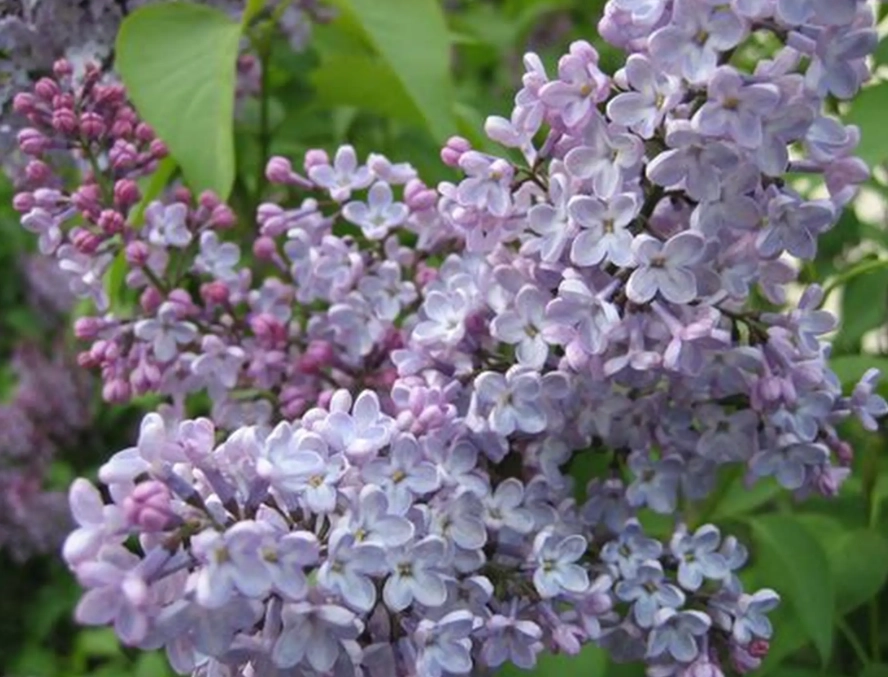
What You'll Find in This Guide
Getting It Right from Day One: The Lilac Planting Blueprint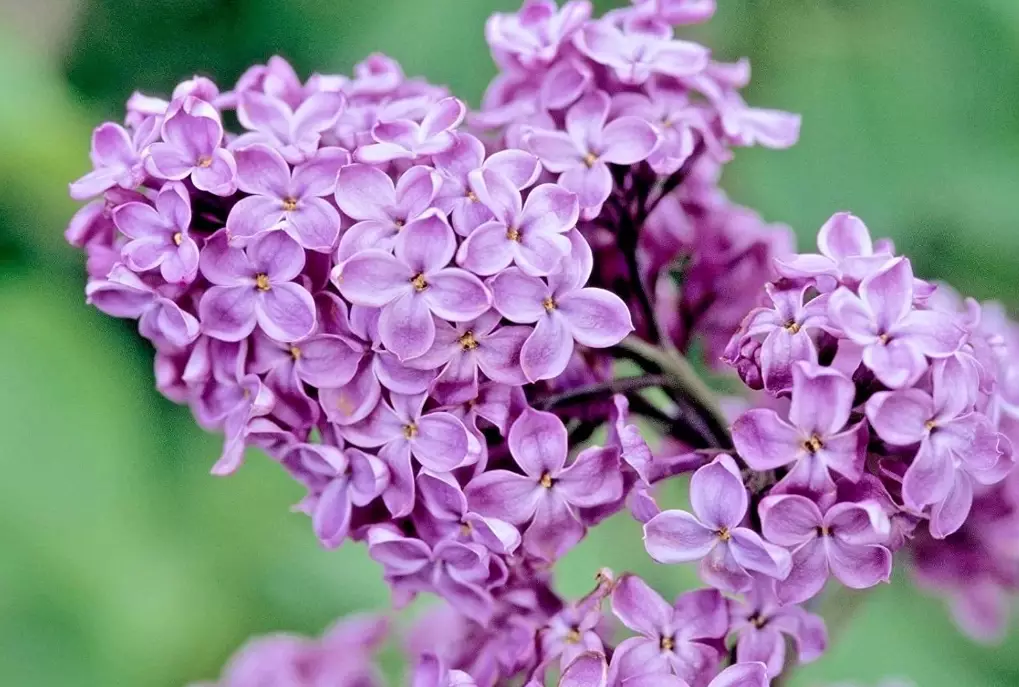
Most lilac failures are baked in at the planting stage. Get this wrong, and you’ll fight an uphill battle forever. The classic mistake? Treating them like any other shrub. They’re not.
Location is Everything. Lilacs are sun worshippers. They need a minimum of 6 hours of direct, unfiltered sunlight. More is better. That partly shaded corner that gets dappled light? That’s a recipe for lush leaves and zero flowers. I learned this the hard way. My first ‘Sensation’ lilac got about 4 hours. It grew, it looked healthy, and it never, ever bloomed in five years.
They also need space and air. Cramming them against a wall or in a dense planting bed invites disease. Give them room for air to circulate freely around the branches.
Soil: The Make-or-Break Factor Nobody Talks About
Here’s the big one, the subtle error that most generic guides gloss over: lilacs hate “rich” soil. We’re trained to believe more compost and manure is always better. For lilacs, it’s often a death sentence. They thrive in well-drained, neutral to slightly alkaline soil. Heavy, soggy clay or overly fertile, acidic soil leads to weak growth, disease susceptibility, and again—no blooms.
The Planting Process:
- Dig a wide, shallow hole, twice as wide as the root ball but no deeper. Lilac roots spread horizontally.
- Test your soil pH. A cheap kit from the garden center works. Aim for 6.5 to 7.5. If it’s acidic (below 6.5), mix a handful of garden lime into the backfill soil.
- Amend sparingly. If you have heavy clay, mix in some gravel or coarse sand for drainage. If your soil is decent, just use the native soil. Skip the compost heap.
- Plant high. Set the root ball so the top is level with or even an inch above the surrounding soil grade. This prevents water from pooling around the crown.
- Water deeply to settle, then apply a thin layer of mulch (like wood chips) to retain moisture, keeping it away from the stem.
Beyond the Common Purple: Choosing Your Perfect Lilac Variety
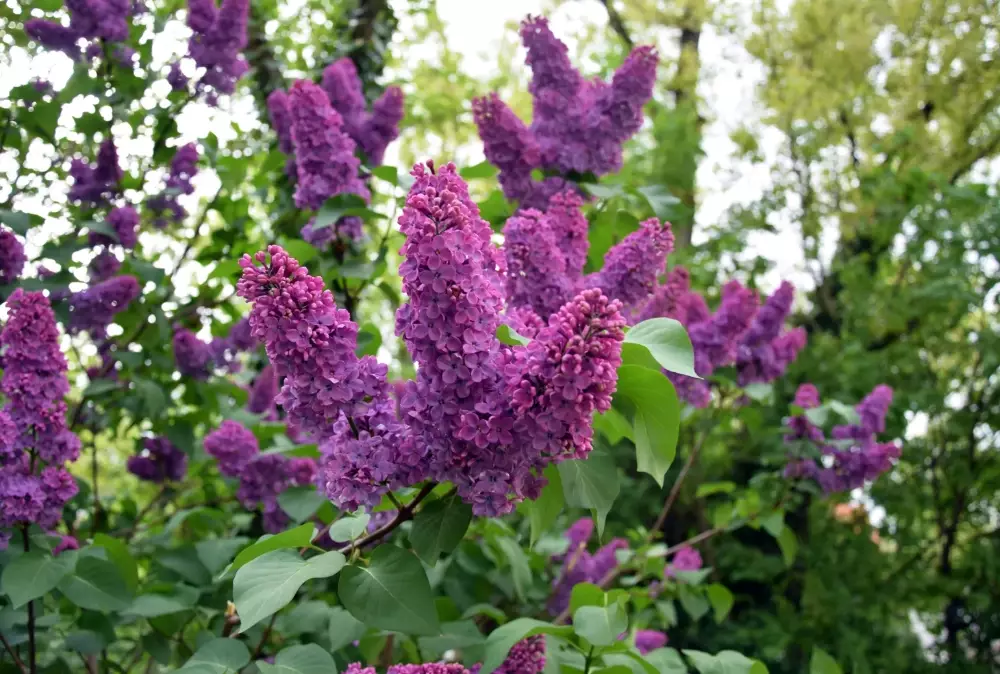
Not all lilacs (Syringa vulgaris is the common species) are created equal. Picking the right one for your space and goals is half the fun. The old-fashioned varieties are glorious but can become 15-foot monsters. Newer cultivars offer compact size, reblooming habits, and disease resistance.
| Variety Name | Key Features & Color | Mature Size (HxW) | Best For | My Personal Note |
|---|---|---|---|---|
| Common Lilac (S. vulgaris) | Classic fragrance, wide color range (purple, white, pink). | 12-15' x 8-12' | Large hedges, specimen planting in big spaces. | The gold standard for scent. Can get leggy at the bottom if not pruned well. |
| 'Miss Kim' (S. patula) | Lavender blooms, exceptional burgundy fall color, compact. | 4-5' x 4-5' | Small gardens, foundation planting. | Extremely reliable and tidy. Fall color is a huge bonus. |
| 'Bloomerang' Series | Purple or pink. The big sell: it reblooms in summer and fall. | 4-5' x 4-5' | Gardeners who want a longer season of interest. | The spring bloom is heavier than the summer/fall flush. Scent is milder than common types. |
| 'Sensation' | Striking purple flowers with pure white edges. | 10-12' x 6-8' | A stunning focal point. Unique bi-color blooms. | Needs perfect conditions to look its best. Can be fussier than others. |
| 'Tinkerbelle' (S. meyeri) | Early pinkish-red blooms, fine texture, very disease resistant. | 5-6' x 5-6' | Low-maintenance, small-space gardens. | My top pick for beginners. Almost bulletproof and smells wonderful. |
If you’re in a warmer climate (USDA zone 8+), look for Descanso Hybrids, bred for lower chill requirements. The University of Minnesota Landscape Arboretum has done fantastic work breeding disease-resistant varieties—sources like these are worth seeking out.
The Non-Negotiable Care: Watering, Feeding, and the Art of the Prune
Once established, lilacs are famously drought-tolerant. “Established” means after 2-3 years. Until then, water deeply once a week if rain is lacking. The goal is to encourage deep roots.
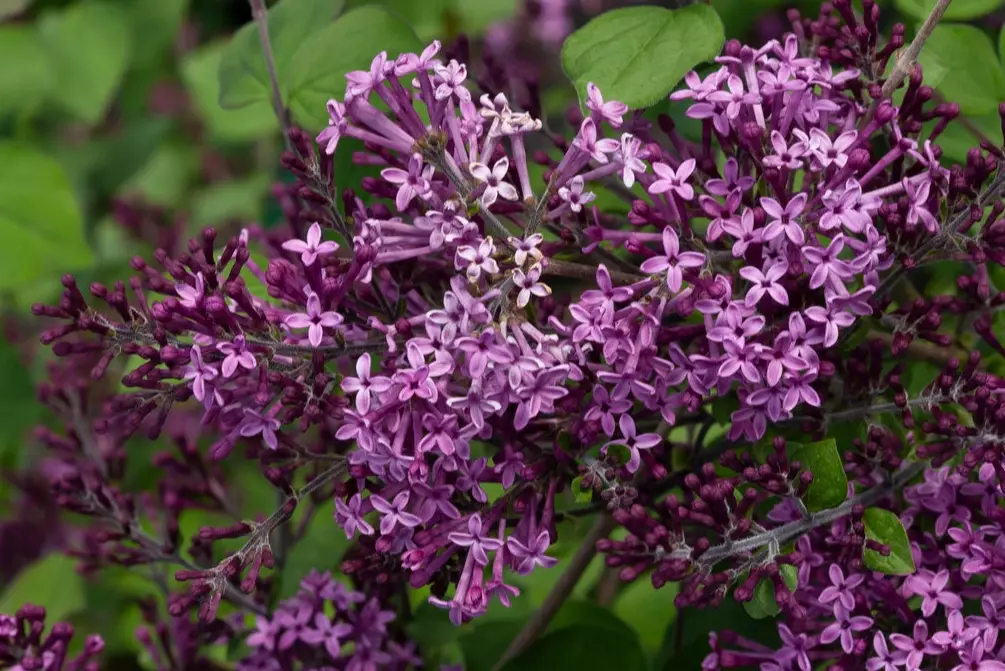
Fertilizer: Less is More. An annual application of a balanced, slow-release fertilizer in early spring is plenty. Or, use a handful of lime to sweeten the soil. Over-fertilizing, especially with high-nitrogen formulas, gives you a giant green bush with no flowers.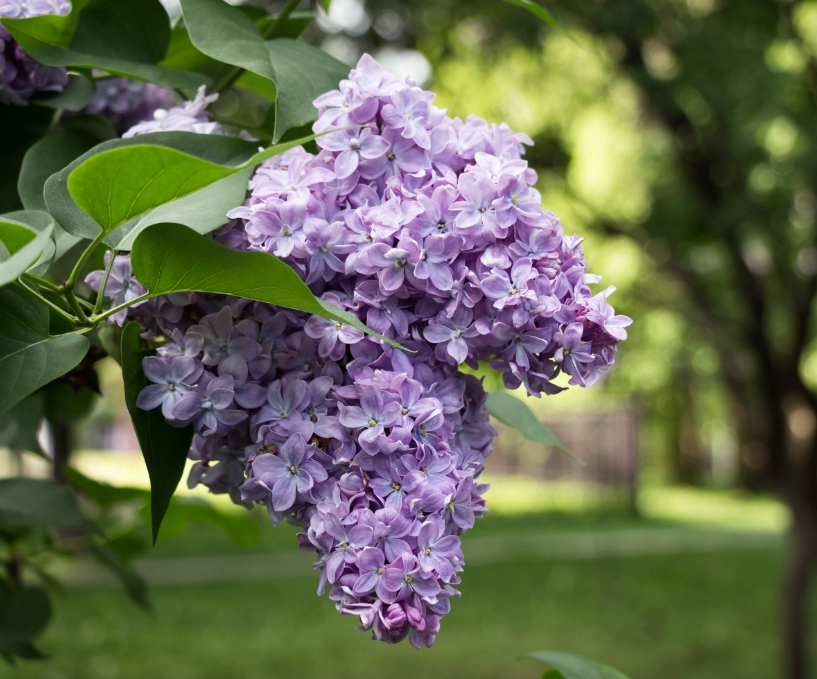
How to Prune Lilacs (Without Ruining Next Year's Blooms)
Pruning causes more anxiety than anything else. The rule is simple: Prune immediately after flowering finishes. Lilacs set next year’s flower buds on old wood in the summer. If you prune in fall, winter, or early spring, you’re cutting off those buds. I’ve seen people shear their lilac into a meatball in June and wonder why it’s barren the following May.
- Year 1-3: Just remove dead or damaged wood. Let it grow.
- Year 4+: Start renewal pruning. Each year, after blooming, cut 1/3 of the oldest, thickest stems right down to the ground. This encourages vigorous new shoots from the base.
- Always: Deadhead spent flower clusters. Snap them off just below the base of the cluster. This directs energy into growth, not seed production.
If you inherit a giant, overgrown monster, you can do a hard rejuvenation prune in late winter, cutting all stems to 12 inches. You’ll sacrifice blooms for 2-3 years, but it will regrow.
Troubleshooting: Fixing No Blooms, Mildew, and Other Headaches
Let’s diagnose the common issues. If your lilac isn’t blooming, run down this checklist:
- Insufficient Sun. (The #1 culprit).
- Improper Pruning. You cut at the wrong time.
- Too Much Nitrogen. From lawn fertilizer runoff or over-enthusiastic feeding.
- Plant is Too Young. Most need 3-4 years to mature.
- Winter Bud Damage. A late frost can zap the buds.
Other pests like borers or scale exist but are less common. A stressed plant (from poor soil or location) is far more susceptible. Strong, healthy lilacs shrug off most problems.
Your Lilac Questions, Answered by Experience
 Is it true I should throw lime or wood ashes around my lilac every year?