So you're thinking about growing a filbert tree. Good call. Whether you call it a filbert, hazelnut, or by its proper name Corylus, this is one of the most rewarding nut trees you can add to your garden or homestead. It's not just about the harvest—though cracking open your own nuts is a special kind of satisfaction. It's about a tree that's relatively low-fuss, beautiful, and provides structure to your landscape. I've grown several varieties over the past decade, and I've made every mistake in the book so you don't have to. Let's get into the real details of making it work.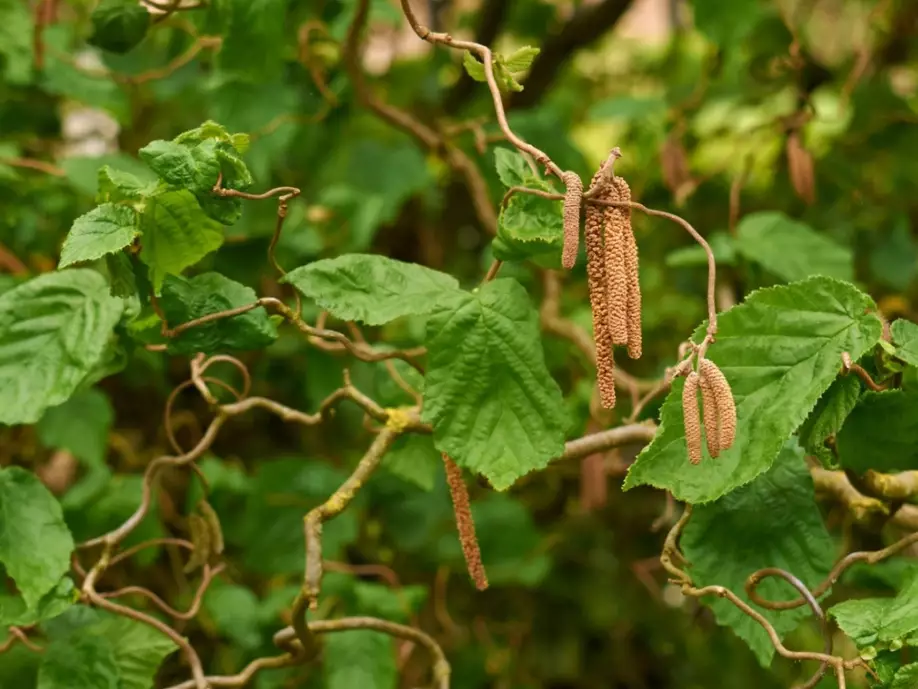
What's Inside This Guide
Picking the Right Hazelnut Variety for You
This is where most people go wrong right out of the gate. They buy whatever is at the local nursery without asking the critical questions. Not all filberts are created equal, and your climate, space, and goals matter.
First, understand the two main types: American hazelnuts (Corylus americana) and European hazelnuts (Corylus avellana). American types are tougher, more disease-resistant, and native to eastern North America. Their nuts are smaller, often with thicker shells, but the flavor is intensely wild and sweet. European varieties give you the large, commercial-grade nuts you see in stores, but they're susceptible to a nasty fungus called eastern filbert blight (EFB).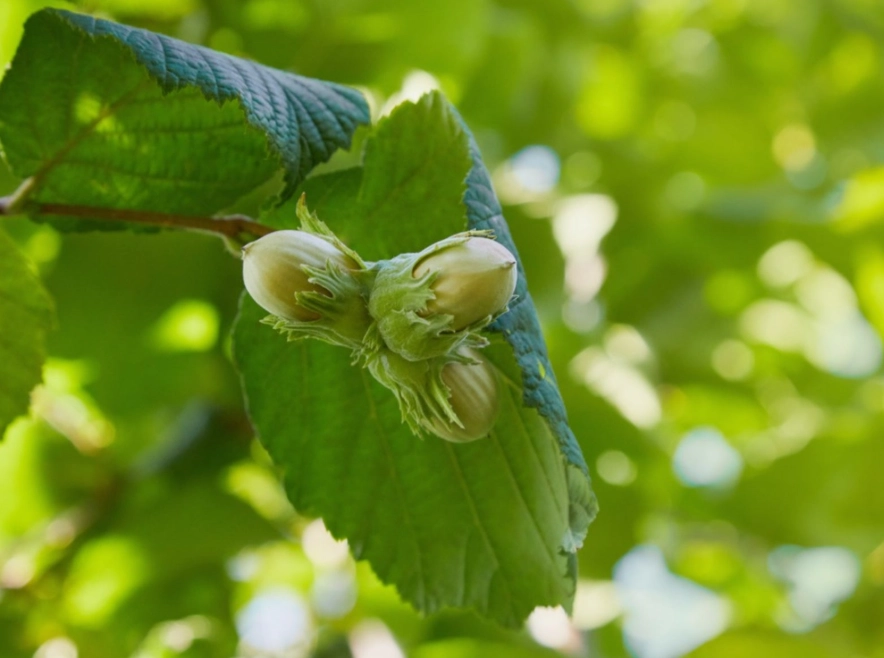
Here’s a breakdown of varieties I've worked with or seen succeed in different gardens:
| Variety | Type/Origin | Key Characteristics | Best For |
|---|---|---|---|
| Jefferson | European (EFB-resistant) | Large, high-quality nuts. Excellent pollinator for other European types. Vigorous grower. | Home orchards in areas with EFB pressure wanting big nuts. |
| Yamhill | European (EFB-resistant) | Compact growth, heavy producer. Nuts fall free from the husk. One of the most reliable for home growers. | Smaller spaces, consistent yield, easier harvest. |
| American Hazelnut | Native American | Extreme cold hardiness (to Zone 3). Thicket-forming, superb for wildlife. Small, flavorful nuts. | Naturalized plantings, hedgerows, very cold climates, low-maintenance foraging. |
| Contorted Filbert ('Harry Lauder's Walking Stick') | Ornamental European | Twisted, corkscrew branches. It does produce nuts, but erratically and small. Grown primarily for its wild winter silhouette. | Focal point ornamental garden. Don't plant this if your main goal is a nut harvest. |
You'll also see 'Barcelona' and 'Ennis' for sale. They're classic European varieties with huge nuts. I'll be blunt: I don't recommend them for most of the US anymore unless you're west of the Cascades. EFB is a heartbreaker.
How to Plant a Filbert Tree: The Right Start
Planting is straightforward, but a few missed steps here cause years of stunted growth.
Location, Location, Location
Filberts need full sun. I mean a solid 6-8 hours. Less than that and you'll get sparse foliage and few nuts. They tolerate partial shade, but "tolerate" is a gardener's word for "won't thrive." Ensure good air circulation to help keep foliage dry and deter fungal issues.
The Soil Secret Everyone Ignores
They prefer well-drained soil but are adaptable. The pH sweet spot is 6.0 to 7.0. The real trick? Soil biology. These trees form symbiotic relationships with mycorrhizal fungi. When planting, I skip the fertilizer and instead inoculate the roots with a mycorrhizal powder you can get from any garden center. It costs a few dollars and helps the tree establish a nutrient-gathering network ten times faster.
Plant in late fall or early spring when the tree is dormant. Dig a hole twice as wide as the root ball but no deeper. You want the root flare right at the soil surface. Backfill with the native soil, water deeply to settle, and mulch with 3-4 inches of wood chips, keeping it away from the trunk.
Ongoing Care and Maintenance
Once established, filberts are pretty tough. The first three years are critical.
Watering and Feeding
Water deeply once a week during the first few dry summers. After that, they're fairly drought-tolerant. Overwatering is a bigger killer than underwatering once roots are established. For fertilizer, go light. An annual application of compost in spring is usually plenty. If you must use fertilizer, a balanced organic one in early spring is fine. Too much nitrogen gives you all leaves, no nuts.
Pruning: Less is More (At First)
Pruning panic sets in. Here's the simple framework. For the first 5-6 years, you're just shaping a strong structure. Choose 5-7 main, well-spaced scaffold branches and remove competitors. Keep the center somewhat open.
Mature trees need renewal pruning. Filberts bear nuts on one-year-old wood. Each winter, remove a few of the oldest, thickest canes all the way to the ground to encourage new, productive shoots to emerge. This is called coppicing, and it keeps the tree youthful and productive. If you never prune, the tree becomes a dense, shady thicket with all the nuts at the top where the squirrels get them.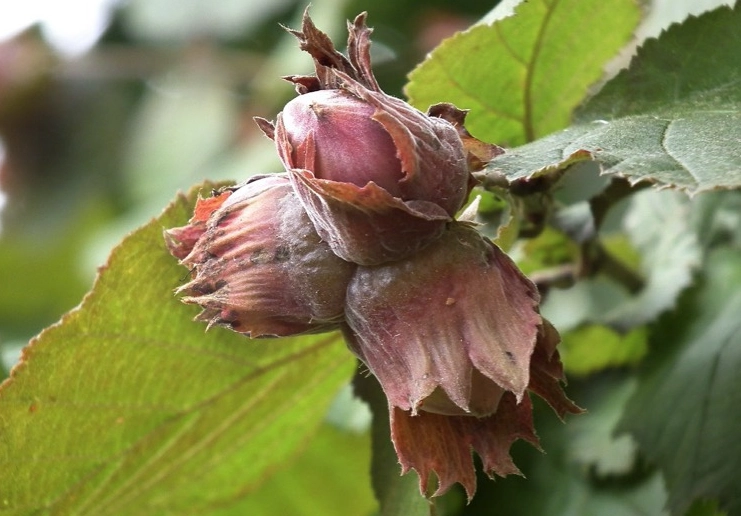
Dealing with Pests and Problems
You won't escape these entirely. It's part of the deal.
Eastern Filbert Blight (EFB): The big one for European varieties. It causes cankers that girdle and kill branches. Resistant varieties are your best defense. If you see small, football-shaped fungal structures on branches in wet weather, prune out infected wood at least 3 feet below the canker and destroy it.
Filbert Worm / Hazelnut Weevil: This is the insect that ruins the nut kernel. The adult weevil lays eggs in developing nuts in summer. The larva eats the nutmeat, then exits through a tiny, perfectly round hole. The only reliable control for a home grower is vigilance. In late summer, check for nuts that turn brown and drop early. Collect and destroy these immediately—this breaks the life cycle. Pesticides are rarely effective or worth it.
Squirrels and Jays: They will take their share. Some people use netting as nuts near maturity. I've made peace with it. I plant enough so that we all get some. Trying to outsmart a squirrel is a full-time job you will lose.
The Big Reward: Harvesting and Storing Hazelnuts
This is the fun part. Nuts mature in late summer to early fall. You'll know they're ready when the husks turn brown and some nuts start falling to the ground.
Don't just pick them off the tree. Lay a tarp or old sheet under the tree and give the branches a gentle shake. The ripe ones will drop. Gather them every day or two for a week. You'll always miss a few—that's for the critters.
Critical Step: Drying. You cannot store fresh, wet nuts. They'll mold. Spread your harvest in a single layer on screens or trays in a warm, dry, airy place (like a garage or shed). Stir them every few days. Let them dry for 3-4 weeks. You'll know they're done when the kernel snaps cleanly when bent. Then, store them in mesh bags in a cool, dark place. They can last a year like this. For longer storage, shell them and freeze the kernels.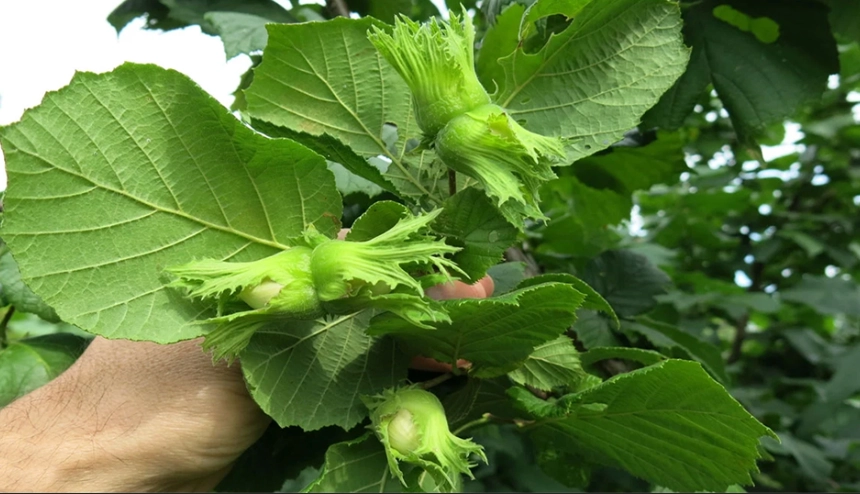
Your Filbert Tree Questions Answered
I only have space for one tree. Is there any variety that will fruit alone?
Very few. Some European varieties like 'Yamhill' and 'Jefferson' are partially self-fertile, meaning they might set a small crop alone, but yield skyrockets with a pollinator. For a single tree, your best bet is a multi-variety grafted tree, where several compatible varieties are grafted onto one trunk. Nurseries like One Green World often carry these.
Why is my filbert tree not producing nuts?
Run down this checklist. 1) Pollination: Do you have two compatible varieties? 2) Age: Trees often take 4-5 years to bear. 3) Frost: A late spring frost can wipe out the delicate catkins (male flowers) or female flowers. 4) Shade: Too little sun. 5) Over-fertilization: Especially with nitrogen, which promotes leafy growth at the expense of flowers.
How do I tell the difference between a male and female flower?
The male flowers are the long, yellow, dangling catkins you see in late winter. They're obvious. The female flowers are tiny, bud-like, with bright red stigma threads poking out the tip. You often need to look closely. They appear on the same tree (filberts are monoecious), but the timing of their receptivity is why cross-pollination is usually needed.
My tree is sending up tons of suckers from the base. What should I do?
This is natural, especially for American hazelnuts and some shrubs forms. If you're growing it as a tree, you need to remove these suckers regularly to maintain a single trunk. Tear or cut them off as close to the root as possible. If you're growing it as a thicket or hedge, you can leave them. They're actually the tree's way of renewing itself.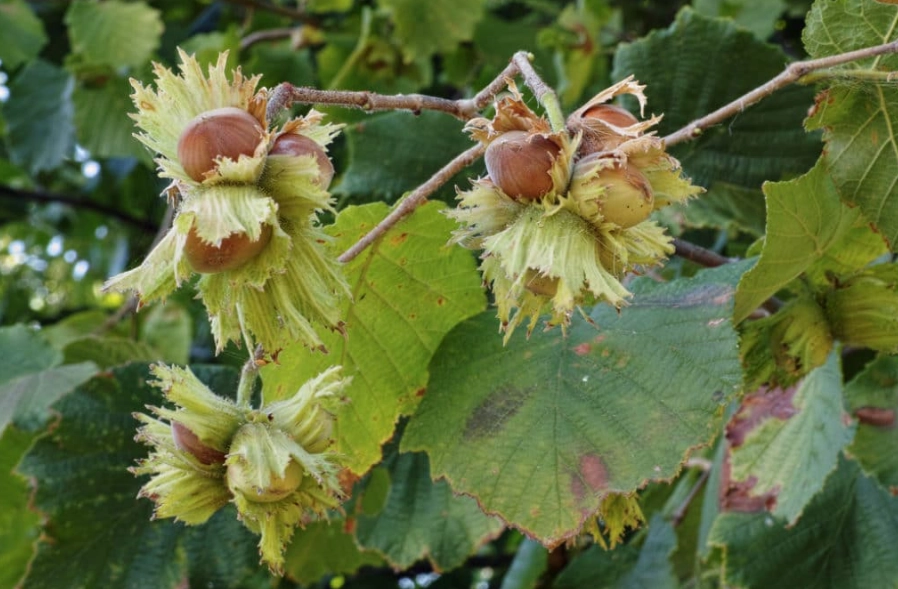
Are filbert leaves good for compost or mulch?
Excellent. They break down at a moderate rate and don't tend to be allelopathic (inhibit other plants) like black walnut leaves. I shred them with a mower and add them directly to my garden beds as a winter mulch or to the compost pile. They add good structure.
Growing a filbert tree is a long-term project. You're planting for future harvests, for beauty, and for the simple pleasure of tending something that gives back. Start with the right variety, get the pollination sorted, and be patient. The first time you crack open a nut you grew yourself, you'll forget all the minor hassles.
For detailed botanical information, the USDA Plants Database is an authoritative source. University extensions, like those from Oregon State University and University of Minnesota, have fantastic, research-based guides on variety selection and pest management specific to your region.