I remember the first time I planted an almond tree. I bought a beautiful sapling from a local nursery, followed the basic instructions, and waited. Years passed, and it grew into a lovely, leafy tree. But no almonds. Not a single one. The problem wasn't neglect—it was a fundamental misunderstanding of what an "almond plant" really needs. If you're reading this, you probably want to avoid that same frustration. Let's cut through the generic advice and talk about what it actually takes to go from planting to a bowl of your own homegrown almonds.
What You'll Find in This Guide
What Exactly Is an Almond Plant? (It's Not What You Think)
First, let's clear something up. When people search for "almond plant," they're often picturing a small herb or shrub. In reality, we're talking about a deciduous tree, Prunus dulcis. It's a cousin of peaches, plums, and cherries. Calling it a "plant" undersells its scale—a mature standard tree can reach 15-30 feet tall and wide.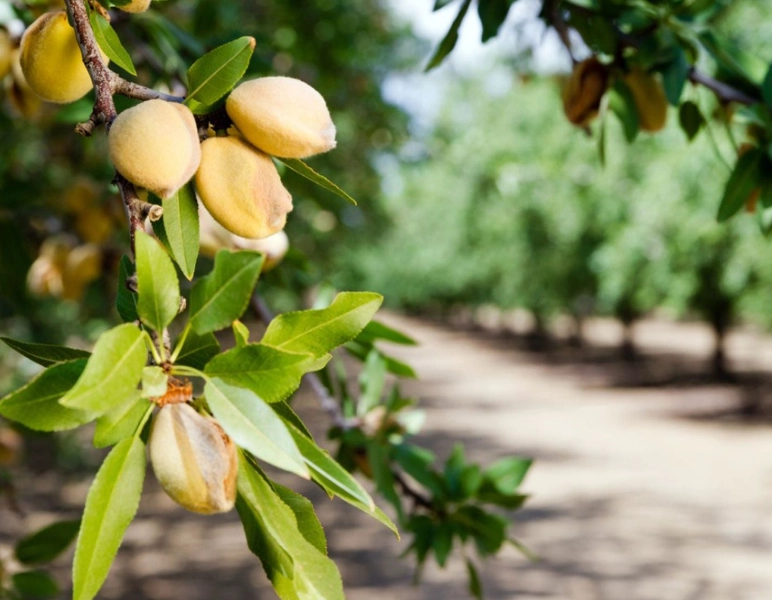
That's the first big mental shift. You're not planning for a patio pot. You're committing to a long-lived orchard tree that needs space, sun, and specific conditions to fruit. The beautiful pink and white blossoms in early spring are a bonus, but the goal is the nut inside the hard shell, which is actually the seed of a stone fruit. The fleshy outer part? It's leathery and inedible, unlike a peach.
Crucial Decisions Before You Put a Tree in the Ground
This is where most failures begin. Rushing to plant without doing this homework leads to that no-harvest scenario I experienced.
Climate and Chilling Hours: The Non-Negotiable
Almonds have a specific need for winter cold called "chilling hours"—the total hours between 32°F and 45°F (0-7°C). This period of dormancy is what triggers proper flowering and leafing out in spring. If your winters are too mild, the tree's internal clock gets confused.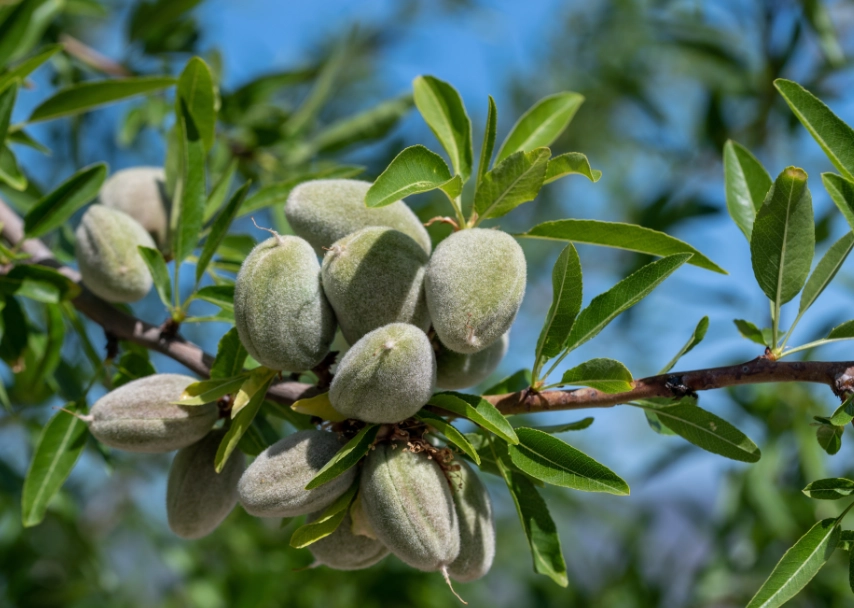
I see gardeners in truly tropical or very cold northern climates trying to force it. It's an uphill battle. There are low-chill varieties like 'All-in-One' (around 250-300 hours) for warmer areas, but they still need that seasonal cue.
Choosing Your Almond Variety: Sweet, Bitter, and the Pollination Trap
Here's the critical mistake I made: I planted just one tree. Almost all almond trees are not self-fertile. They need a different, compatible variety blooming at the same time nearby for cross-pollination by bees. No partner, no nuts.
You also need to choose between sweet almonds (what we eat) and bitter almonds (used for flavoring, but contain cyanide precursors). For home growers, sweet varieties are the way.
| Variety Name | Chilling Hours Needed | Key Characteristics & Pollination Partners | Best For |
|---|---|---|---|
| 'Nonpareil' | 400-500 | The most common commercial type. Thin shell, high yield. Needs a partner like 'Carmel' or 'Monterey'. | Ideal climates, top-quality nut. |
| 'All-in-One' | 250-300 | Semi-dwarf, partially self-fruitful (but crops better with a partner). Great for smaller spaces. | Warmer zones, backyard orchards. |
| 'Carmel' | 400-500 | Excellent pollinator for 'Nonpareil'. Hardier shell, good for windier areas. | Reliable pollinator, windbreaks. |
| 'Garden Prince' | ~300 | Genetic dwarf, only grows to about 10-12 feet. Truly self-fertile. | Very small gardens, large containers. |
My advice? Unless you're getting a proven self-fertile type, always plan for at least two different varieties. Contact your nursery to confirm bloom time overlap. Don't just guess.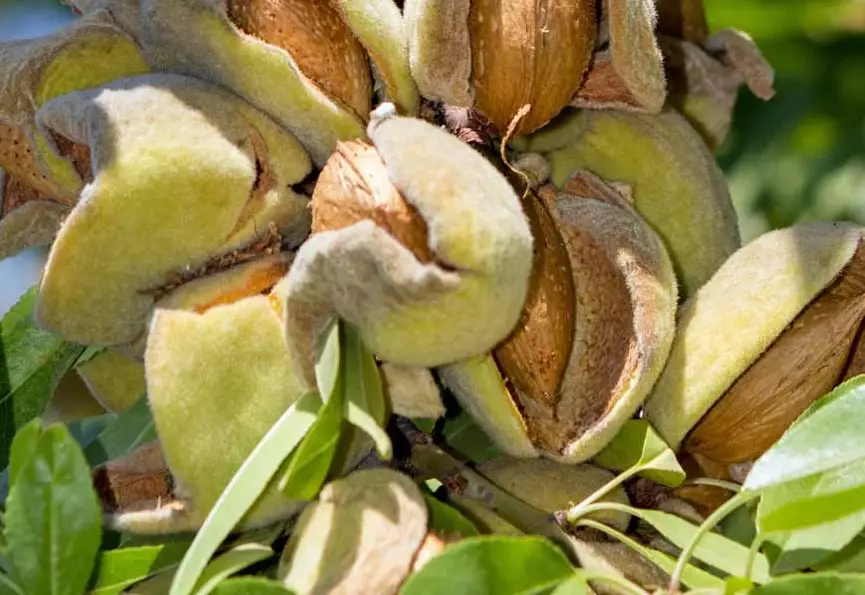
Step-by-Step Planting and Establishment
You've picked your varieties. Now, let's get them in the ground right. Late winter or early spring, while dormant, is the best time.
Location is everything. Full sun—at least 8 hours direct, unfiltered light. More is better. Good air circulation helps prevent fungal disease but avoid a wind tunnel. The soil must be well-draining. Almond roots hate sitting in water. If you have heavy clay, you'll need to amend heavily or consider a large raised mound.
Dig a hole twice as wide as the root ball but no deeper. You want the graft union (that knobby bump near the base) to stay well above the soil line. Planting too deep is a silent killer. Backfill with the native soil mixed with some compost. Don't create a "bathtub" of rich soil in a clay hole—it holds water. Water deeply after planting to settle the soil.
Stake the tree for the first year or two to anchor the roots. And please, skip the mulch volcano. A flat, 2-4 inch layer of organic mulch in a 3-foot diameter circle (keeping it away from the trunk) is perfect.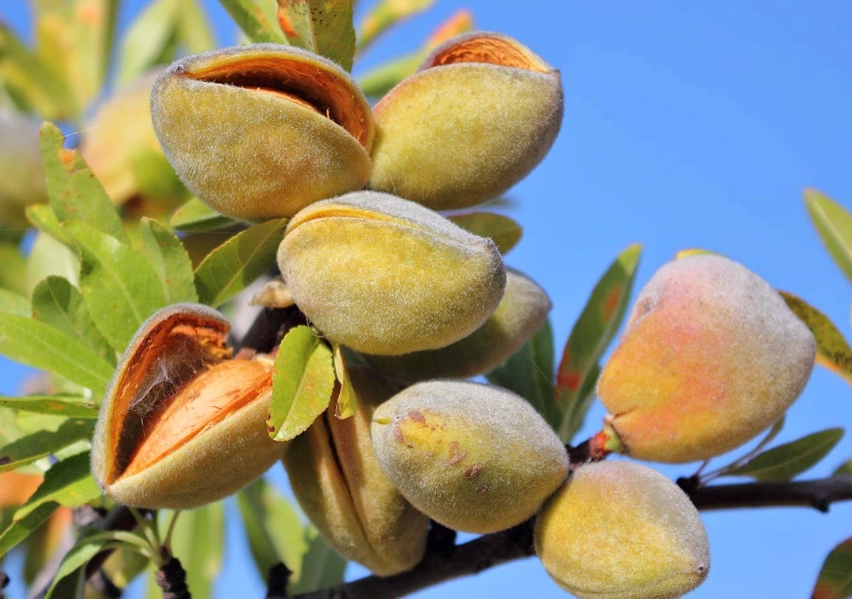
The Real Work: Ongoing Care and Maintenance
Young trees need consistent water to establish. Deep, infrequent watering encourages roots to go down. After a few years, almonds are surprisingly drought-tolerant, but for good nut production, consistent moisture during the growing season is key. Drip irrigation is a game-changer.
Feeding and Pruning Your Almond Plant
They're not heavy feeders. A balanced fertilizer in early spring is usually sufficient. I lean towards organic options like well-rotted manure or a balanced organic blend. Over-fertilizing, especially with nitrogen, gives you lots of leaves at the expense of nuts.
Pruning shapes the tree for sunlight penetration and air flow. The goal is an open "vase" shape. In the first few winters, you're establishing 3-5 main scaffold branches. After that, it's mostly about removing dead, diseased, or crossing branches, and thinning out crowded areas. Summer pruning can help control size. It feels scary to cut, but a well-pruned tree is a healthier, more productive tree.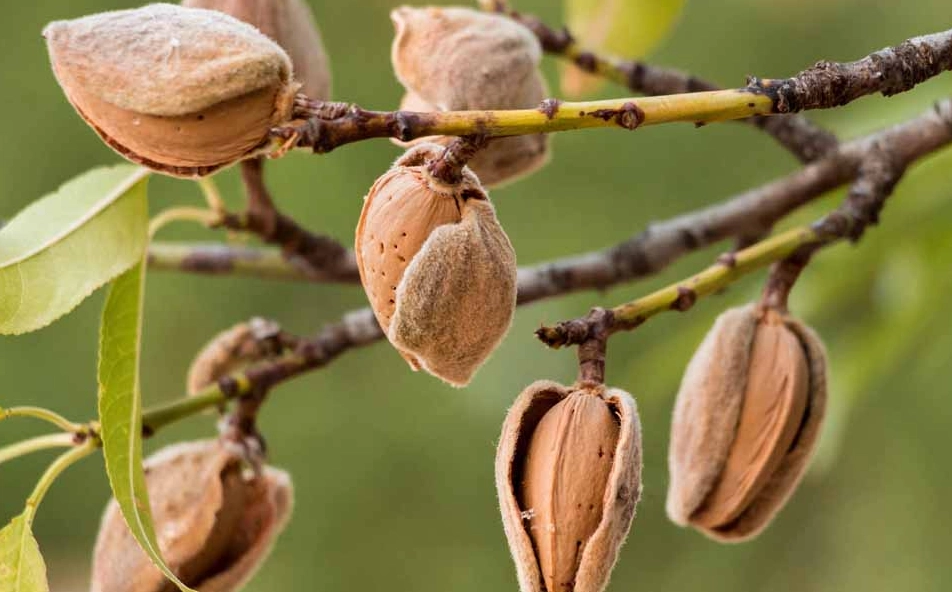
Pests and Diseases: What to Watch For
You're not alone in liking almonds. Leaf-footed plant bugs and navel orangeworms are the big insect pests. Squirrels and birds love them too. Netting before harvest is often necessary.
Diseases like brown rot (affects blossoms and fruit) and shot hole fungus are common in humid springs. Good sanitation (cleaning up fallen leaves/debris) and ensuring that air flow we talked about are your first lines of defense. For organic treatment, copper-based sprays during dormancy can help.
The Reward: Harvesting and Processing Your Almonds
Here's the payoff. Almonds mature in late summer or early fall. You'll know they're ready when the outer hull (the leathery layer) splits open and starts to dry. Don't wait for them all to fall; harvest when most hulls are split.
Lay a tarp down and shake the branches. Wear gloves—the hulls can stain. Next, you need to remove the hulls. For a small batch, you can do it by hand. Then, you have the in-shell almonds. You can crack them fresh (the flavor is incredible) or dry them for storage.
To dry, spread the shelled nuts in a single layer in a warm, dry, well-ventilated place for a few days. They're dry enough when the kernel snaps instead of bending. Store in-shell in a cool, dark place for the longest shelf life—up to a year or more. Shelled nuts go in the fridge or freezer.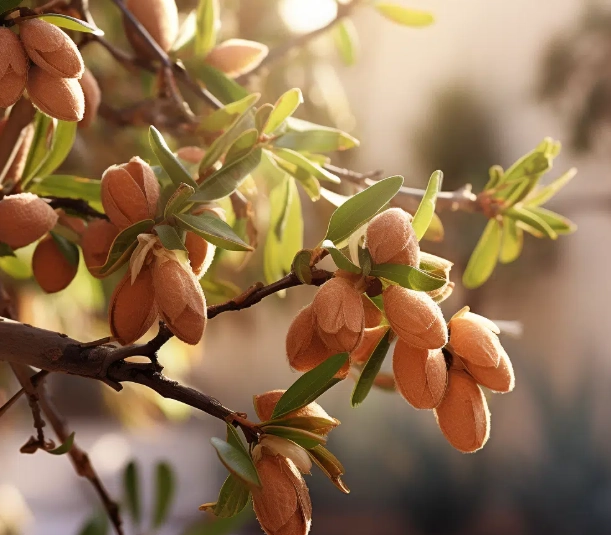
Solving Common Almond Growing Problems (FAQ)
Growing your own almonds is a project measured in years, not months. It requires patience, the right choices upfront, and consistent, thoughtful care. But when you finally crack open that first homegrown nut, the taste—and the satisfaction—is unlike anything from a store. You're not just growing a plant; you're cultivating a legacy tree that can feed you and your family for generations. Start with the right variety and a pollination plan, and you're already miles ahead of where I was.