If you've ever walked past a garden and seen a dense, tidy shrub covered in spikes of white, pink, or purple flowers, chances are you've met a hebe. These versatile plants, often called shrubby veronicas, are a staple in many landscapes, but they have a reputation for being a bit fussy. That reputation isn't entirely fair. I've grown hebes for over a decade, from the windy coasts to sheltered city gardens, and most problems come from a few simple, avoidable mistakes. This guide cuts through the confusion and gives you the straight talk on hebe plant care, so you can enjoy their year-round structure and vibrant blooms without the headache.
What's Inside This Guide
Understanding Hebe Plants: More Than Just a Pretty Face
Hebes are evergreen shrubs native to New Zealand. They range from low-growing ground covers to medium-sized bushes reaching 4-5 feet. Their appeal lies in their four-season performance: neat, often colorful foliage (some are variegated or purple-tinged) and prolific flower spikes in summer and autumn.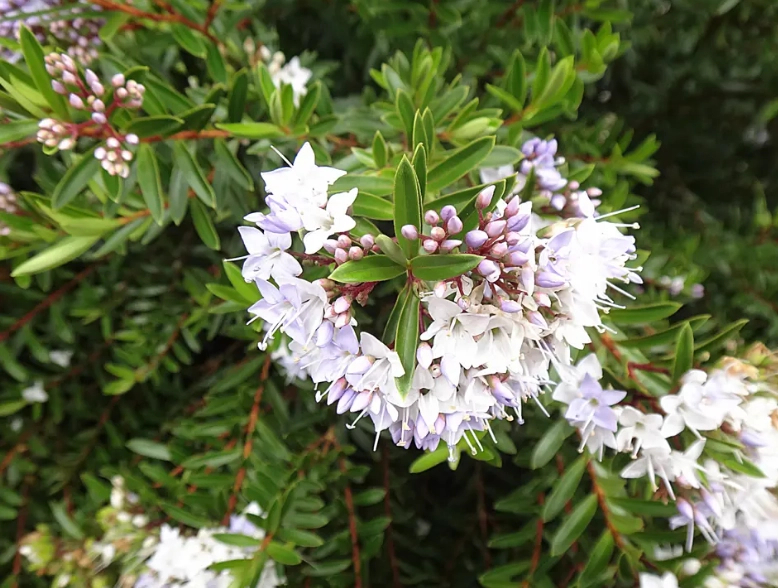
Here's the crucial bit most beginners miss: hebes are not one-size-fits-all. Their hardiness and preferences vary wildly by species and cultivar. Treating a tender, small-leaved variety the same as a tough, large-leaved one is a recipe for disappointment. The Royal Horticultural Society groups them by foliage type, which is a more useful guide for care than just the name.
Essential Hebe Plant Care Requirements
Getting the basics right eliminates 90% of hebe troubles. Let's break it down.
Sunlight and Placement: The Non-Negotiable
Hebes need sun. Full sun. At least 6 hours of direct light. In partial shade, they become leggy, flower poorly, and are far more susceptible to disease. The only exception is in extremely hot, dry inland climates where some afternoon shade can prevent scorching.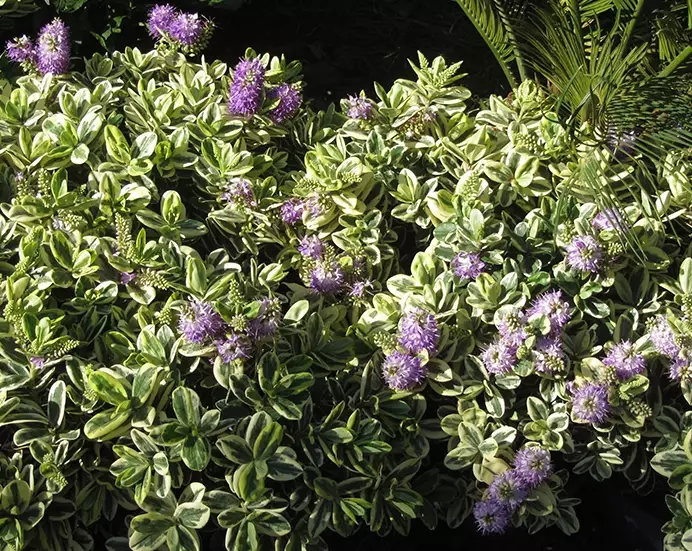
Placement is equally critical. They hate sitting in cold, wet soil, especially in winter. Always plant them in a spot with excellent drainage. A south-facing slope or a raised bed is ideal. Avoid frost pockets—those low areas where cold air settles.
Soil: It's All About the Drainage
Forget rich, moisture-retentive soil. Hebes thrive in moderately fertile, well-drained ground. Heavy clay is a death sentence unless you amend it heavily. I mix in plenty of grit or horticultural sand and organic matter like compost to open up the structure.
For container growing (which works well for less hardy varieties), use a gritty, soil-based compost like John Innes No. 2 with 20% added perlite. Ensure the pot has massive drainage holes.
Watering: The Delicate Balance
This is where people swing to extremes. Young hebes need consistent moisture to establish roots. Once established, they are relatively drought-tolerant. However, "drought-tolerant" doesn't mean "neglect." Prolonged dry spells, especially for container plants, will cause leaf drop and stress.
The rule: water deeply when the top inch of soil is dry, then let it approach dryness again. In winter, reduce watering significantly, but don't let container plants bake dry in a cold wind.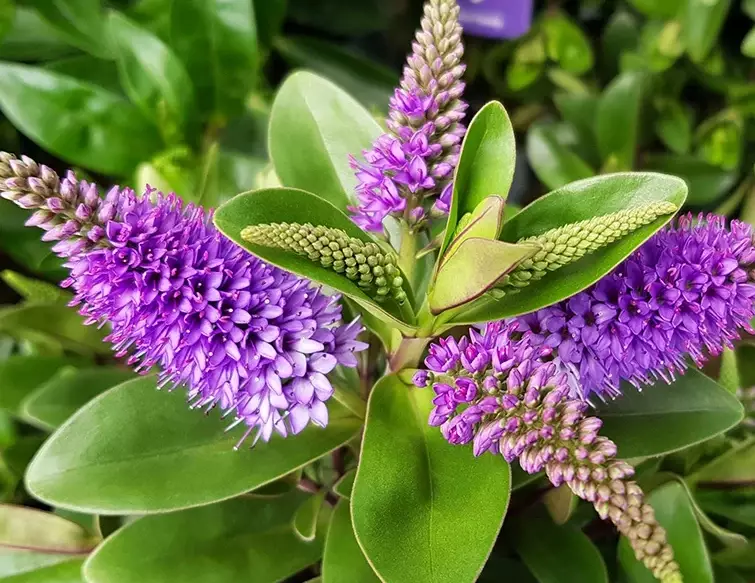
Feeding: Less is More
Hebes aren't heavy feeders. A single application of a balanced, slow-release fertilizer in early spring is usually sufficient. Overfeeding, especially with high-nitrogen fertilizers, promotes soft, sappy growth that's vulnerable to frost and pests.
How to Prune Hebe Plants?
Pruning is simple but timing is everything. Never prune hebes in late summer, autumn, or winter. You're inviting frost to kill the fresh cuts and new buds.
The best time is right after the main flush of flowering finishes, typically in mid to late summer. This gives the plant time to produce new growth that matures before cold weather.
Method: Don't just hack it back. Use sharp secateurs to lightly trim off the spent flower spikes, cutting back to a pair of healthy leaves or a side shoot. If the plant is getting woody and open at the base, you can be more drastic. Cut up to one-third of the oldest stems right back to the base to encourage regeneration. This works well on varieties like 'Midsummer Beauty'.
For very overgrown or frost-damaged hebes, you can try a hard renovation prune in late spring, cutting back into old wood. Some varieties (usually the larger-leaved ones) will regenerate; others may not. It's a gamble.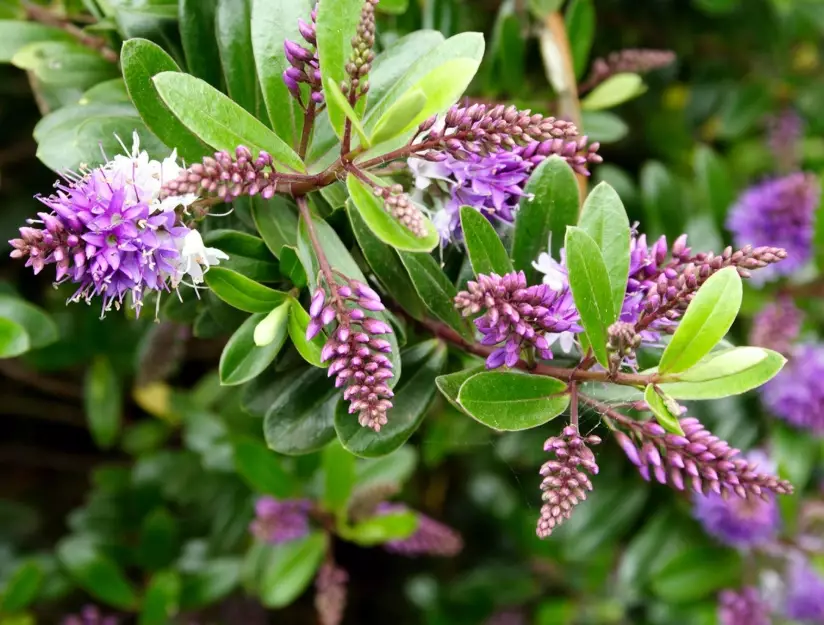
Troubleshooting Common Hebe Problems
Here’s a quick-reference table for diagnosing what’s wrong with your shrubby veronica.
| Symptom | Likely Cause | Immediate Action |
|---|---|---|
| Leaves turning brown/black, dropping, stems mushy | Root rot from waterlogged soil or poor drainage. | Stop watering. Improve drainage urgently. For potted plants, repot into fresh, gritty mix. |
| Brown, crispy leaf edges, general wilting | Underwatering, drought stress, or scorching wind. | Water deeply. Provide temporary shade in extreme heat. Mulch to retain moisture. |
| Leggy growth, few flowers, pale leaves | Insufficient sunlight. | Consider moving the plant to a sunnier location. Pruning may not fix the core issue. |
| Die-back of shoot tips after winter | Frost damage. | Wait until late spring to see the full extent. Prune out all dead material back to healthy growth. |
| Sticky residue on leaves with small green/black flies | Aphids. | Blast off with a strong jet of water or use an insecticidal soap spray. |
A Quick Tour of Popular Hebe Varieties
Choosing the right hebe for your garden's conditions is half the battle. Here are three standout types I've had consistent success with.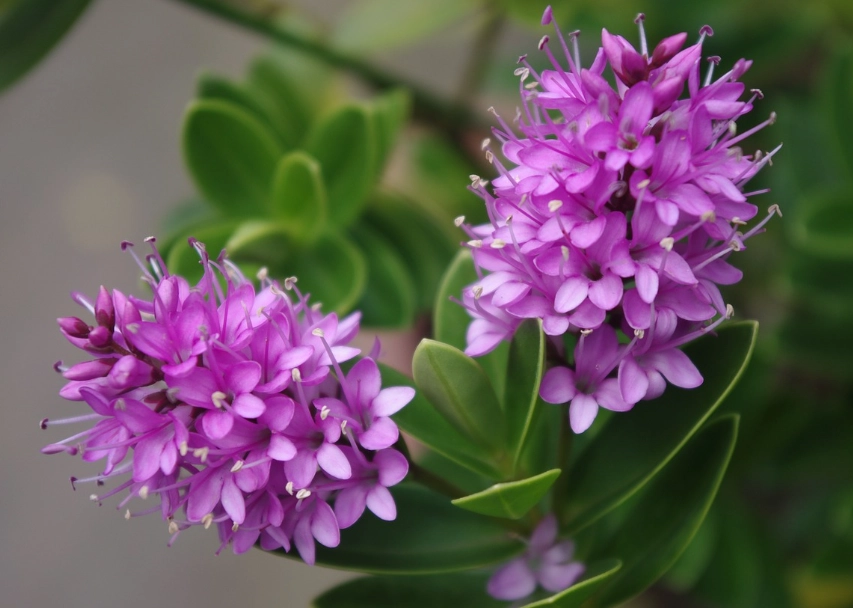
Hebe 'Midsummer Beauty': A classic. Long, lavender flower spikes from summer into autumn, with slender green leaves. Grows to about 4ft. Reasonably hardy but appreciates a sheltered spot. Prune lightly after flowering.
Hebe 'Red Edge' (Hebe pimeleoides 'Quicksilver'): A fantastic foliage plant. Low-growing (under 2ft), with small, grey-green leaves edged in reddish-purple. Tolerates poorer, drier soils and is quite hardy. Great for rockeries or front-of-border edges.
Hebe 'Mrs Winder' (Hebe speciosa): One of the larger-leaved, tougher types. Glossy, purple-tinged foliage and deep purple flower spikes. Can handle more exposure and colder temperatures than many. A good choice for coastal or windy gardens.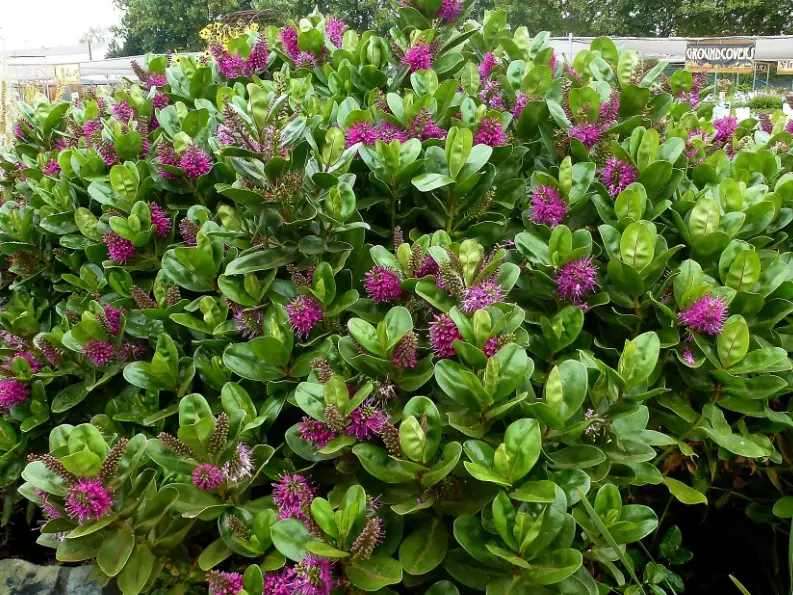
Your Hebe Questions, Answered
Why is my hebe plant turning brown and losing leaves in the center?
This is almost always a combination of age and insufficient light. As hebes grow, the interior gets shaded out and naturally sheds leaves. If the plant is also in too much shade, the process accelerates. The fix isn't just pruning. First, ensure it's in full sun. Then, after flowering, prune to open up the center, allowing light and air in. Remove some of the oldest stems at the base to encourage new growth from the center.
Can hebe plants survive frost and a hard winter?
It depends entirely on the variety and your preparation. Large-leaved hebes (like H. speciosa varieties) are generally hardier (down to maybe 23°F / -5°C). Small-leaved types are more tender. The real killer isn't always the cold itself, but wet soil combined with freezing roots. The best winter protection is good drainage. For prized tender varieties in pots, move them to an unheated greenhouse, cold frame, or a sheltered spot against a house wall. Avoid bringing them into a warm house.
My hebe looks dead after winter. Should I pull it out?
Wait. Don't be too hasty in early spring. Hebess can be slow to show signs of life. Scratch a small section of bark on the main stems with your thumbnail. If it's green underneath, the stem is still alive. Even if the top is dead, it may reshoot from the base. Wait until late spring or early summer before making the final call. I've had plants written off in April that were fully recovered by June.
What's the best way to propagate hebe plants?
Semi-ripe cuttings are the most reliable method. In mid to late summer, take 3-4 inch cuttings from non-flowering shoots. The base should be firm, the tip soft. Strip the lower leaves, dip the end in rooting hormone (optional but helpful), and insert into a pot of gritty, free-draining compost (50% perlite, 50% compost). Cover with a clear plastic bag to maintain humidity and place in bright, indirect light. They usually root in 4-8 weeks. Keep them frost-free over their first winter.
Are hebes fast-growing shrubs?
They have a moderate growth rate. You can expect most varieties to reach their mature size in 3-5 years. This is actually a benefit—they provide structure quickly without constantly outgrowing their space. The growth rate slows significantly once they mature, reducing maintenance.
Reader Comments