If you landed here searching for "Callalily," you might be looking for one of two very different things. Your search could be for the heartfelt anthems of a famous Filipino rock band, or you might be trying to figure out how to care for those elegant, trumpet-shaped flowers in your garden. It's a unique crossover of pop culture and horticulture. This guide dives deep into both worlds. We'll explore the music that defined a generation for many Filipinos and then shift gears to the practical, get-your-hands-dirty details of growing calla lilies successfully. Whether you're a fan trying to find their old hits or a gardener battling yellow leaves, you're in the right place.
What You'll Find in This Guide
The Band Callalily: Soundtrack of a Generation
Formed in 2003, Callalily became a staple of the Philippine OPM (Original Pilipino Music) scene. Their sound wasn't about heavy distortion or complex solos. It was built on clean guitar lines, melodic bass, relatable lyrics, and the distinctive vocals of Kean Cipriano. They captured the feeling of early 2000s youth—heartbreak, friendship, and nostalgia.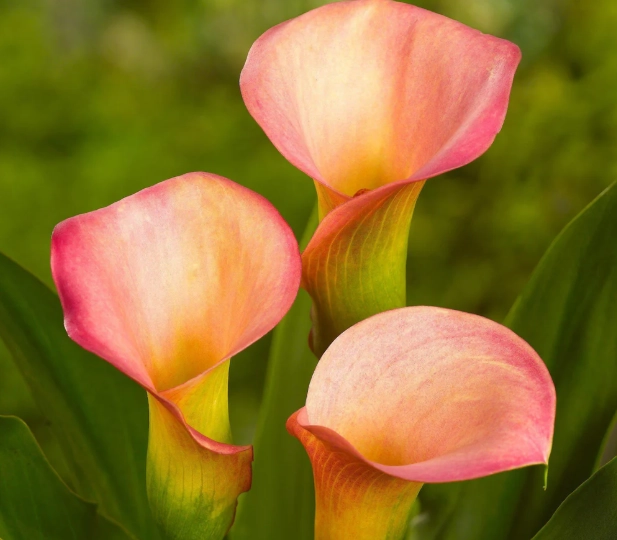
Their self-titled debut album in 2006 was a smash hit. The lead single, "Magbalik," is arguably their signature song. Even if you don't understand Tagalog, the melody and emotion in Kean's delivery are universal. It's a breakup song that doesn't wallow; it aches with a quiet dignity. Other tracks like "Stars," "Pasan," and "Take My Hand" followed a similar formula: catchy, emotionally resonant, and perfectly produced for radio and music videos on channels like MYX.
A Personal Note on Their Music: I remember hearing "Magbalik" everywhere in the mid-2000s—in jeepneys, at school events, on the radio. Its staying power is incredible. What many casual listeners miss is the band's subtle evolution. Later albums like Fischer and Flowerpower experimented with slightly heavier tones and more varied themes, though they never strayed far from their core identity. Some fans argue they never quite topped the raw sentiment of that first album, and I tend to agree. There's a specific, unrepeatable magic in a debut that captures a moment.
The band's activity has waned in recent years, with members pursuing solo projects, but their music remains a potent time capsule. For new listeners, starting with the debut album is the best move. For long-time fans, digging into B-sides or live performances on YouTube can unearth gems.
Essential Calla Lily Care: A Step-by-Step Guide
Now, let's talk about the plant. The calla lily (Zantedeschia spp.) is that stunning flower you see in bridal bouquets and sophisticated garden borders. Its sleek spathe (the colorful "flower" part, which is actually a modified leaf) and upright habit make it look fussy, but it's more forgiving than people think. The key is understanding its rhythm.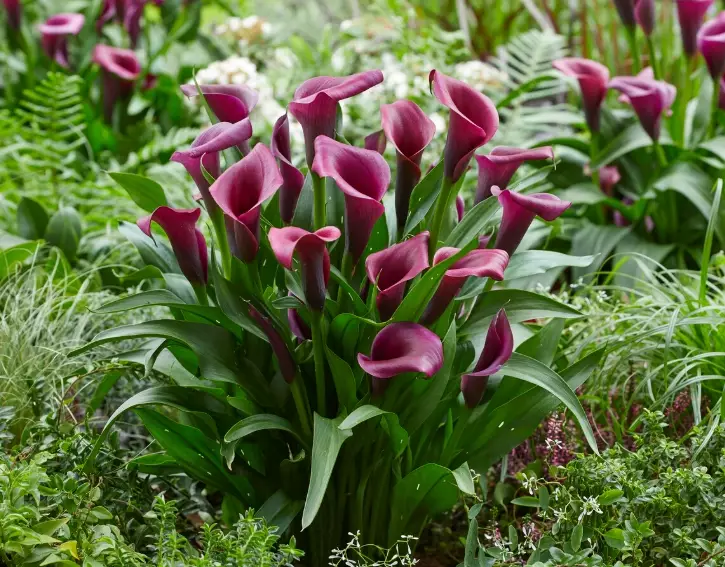
Light, Water, and Soil: The Non-Negotiables
Light: Calla lilies love bright, indirect light. A spot with morning sun and afternoon shade is perfect. In hotter climates, full sun will scorch the leaves. Indoors, an east-facing window is ideal. If the leaves start looking pale and stretched, it's begging for more light.
Water: This is where most people fail. Callas are not true bog plants, despite common advice. During their active growth and blooming phase (spring to summer), keep the soil consistently moist but never soggy. Think of a well-wrung sponge. Once flowering finishes and the leaves start to yellow (their dormant period), you must drastically reduce watering. Let the soil dry out almost completely. Overwatering a dormant rhizome is the fastest way to rot it.
Soil: They demand excellent drainage. A standard potting mix with a handful of perlite or coarse sand mixed in works well. In garden beds, amend clay soil with compost and grit.
Feeding and Seasonal Rhythm
Feed them with a balanced, water-soluble fertilizer (like a 10-10-10) every two weeks during the growing season. Stop feeding once blooming ends to allow the plant to prepare for dormancy.
This dormancy is crucial and often ignored. In cooler climates, after the first frost, the foliage will die back. You can then dig up the rhizomes, let them dry for a day, brush off the soil, and store them in a cool, dark place in a box of peat moss or vermiculite until spring. In warmer zones (USDA 8+), they can often be left in the ground with a thick mulch layer.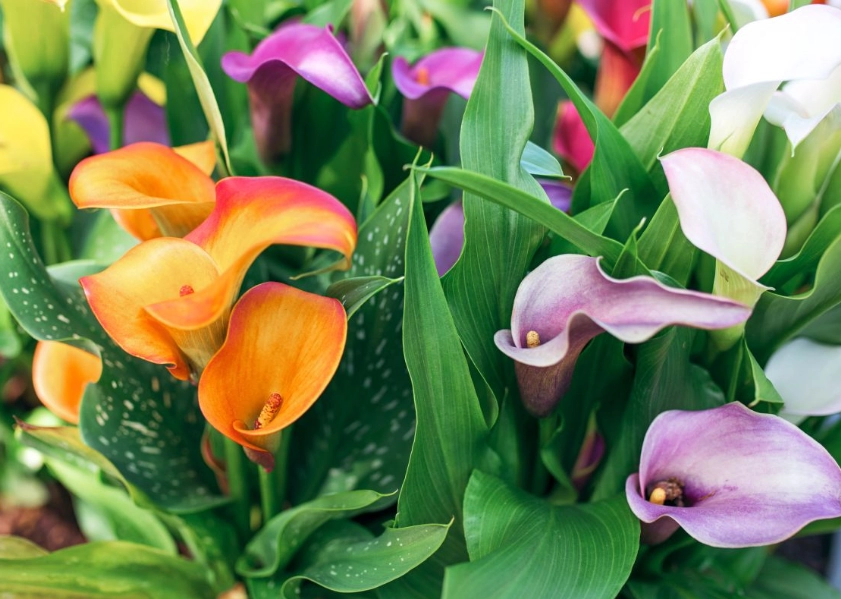
Calla Lily vs. True Lily: Clearing the Confusion
This mix-up happens constantly. "Calla lily" is a common name, but it's botanically misleading. Knowing the difference affects how you care for them.
| Feature | Calla Lily (Zantedeschia) | True Lily (Lilium) |
|---|---|---|
| Plant Type | Herbaceous perennial from a rhizome. | Bulbous perennial from a true bulb (with scales). |
| Flower Structure | The showy part is a spathe (a bract) surrounding a central spike called a spadix. No true petals. | Large, prominent flowers with six true petals/tepals (e.g., Asiatic, Oriental lilies). |
| Leaves | Large, arrow or heart-shaped, all basal (growing from the base). | Lance-shaped leaves arranged in whorls or spirals up the stem. |
| Toxicity | All parts are toxic to humans and pets if ingested, containing calcium oxalate crystals. | Many species are toxic, especially to cats, but some (like daylilies, Hemerocallis) are edible. |
| Care Clue | Distinct summer growth/winter dormancy cycle. Needs dry rest period. | Growth cycles vary by type; many go dormant in winter but have different moisture needs in dormancy. |
The big takeaway? If you're buying a "lily" for a cat owner, neither is safe. But for gardening, treating a calla like a true lily (especially regarding water and dormancy) will lead to disappointment.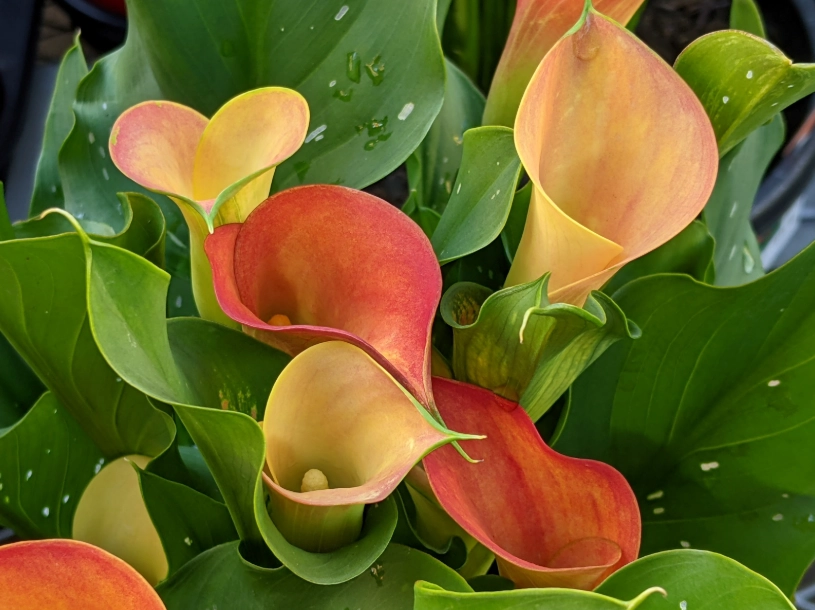
Troubleshooting Common Calla Lily Problems
Here’s a quick diagnostic guide based on what I've seen kill more callas than anything else.
Yellowing Leaves During Growing Season: Usually overwatering. Check if the pot drains. Let the top inch of soil dry out before watering again. Could also be a nutrient deficiency—try a feed.
No Flowers (Lots of Leaves): Called "getting stuck in vegetative growth." The most likely culprit is insufficient light. Move it to a brighter spot. It could also be too much nitrogen fertilizer (which promotes leaves) or a rhizome that needs dividing (every 2-3 years).
Flowers are Green, Not White or Colorful: This is natural as the flower ages and starts to die back. If it happens from the start, it's often too much direct, harsh sun.
Rhizome Rot in Storage: It was stored while damp or in a humid environment. Ensure rhizomes are bone-dry before boxing them up, and check them once a month for soft spots.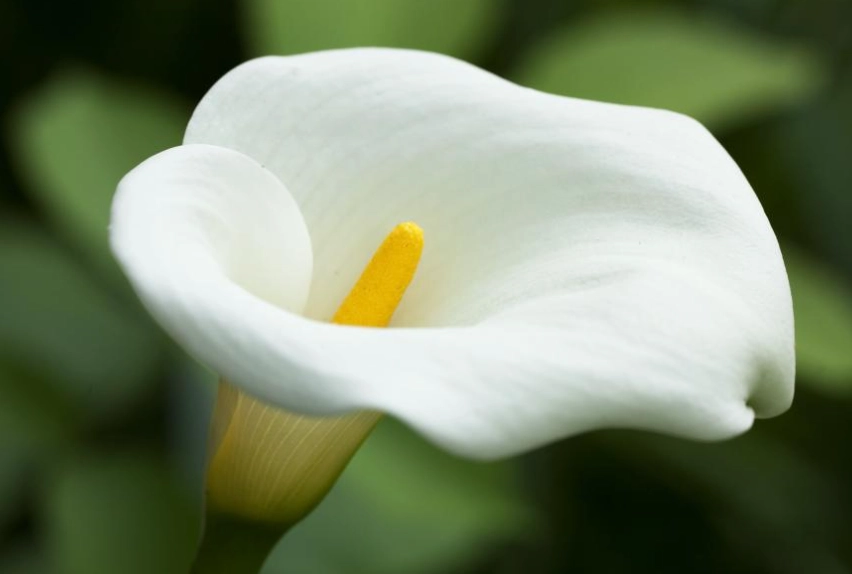
A Real-World Scenario: Growing Callas on a Balcony
Let's get specific. You live in an apartment in a temperate zone (USDA 7). You want callas in containers. Here's the annual plan:
Early Spring: Plant rhizomes 3-4 inches deep in a 12-inch pot with drainage holes. Use that well-draining mix. Water once lightly to settle the soil, then wait for sprouts.
Late Spring to Summer: Keep on your bright balcony (afternoon shade is a plus). Water when the top inch of soil feels dry. Feed bi-weekly. Enjoy the blooms.
Fall: After blooming, keep watering until leaves yellow. Then stop watering. Let the pot dry out completely after foliage dies.
Winter: Move the dry pot to a cool, dark, frost-free place like a garage. Do not water. At all. Forget about it until next spring.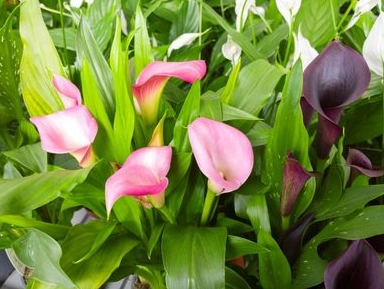
Your Callalily Questions, Answered
What are the best Callalily band songs for someone new to OPM?
Start with the trilogy from their first album: "Magbalik," "Stars," and "Pasan." They define their early sound. For something slightly different, try "Sanctuary" from the Fischer album. It shows a bit more edge while keeping their melodic core.
My calla lily leaves are curling and have brown edges. What's wrong?
That's typically a sign of low humidity combined with possibly inconsistent watering. Callas appreciate some ambient moisture. If you're growing indoors, especially with air conditioning or heating, try placing the pot on a pebble tray with water (ensure the pot sits above the water line). Also, check that you're not letting the soil become bone dry between waterings during its growth phase.
Can I grow calla lilies from the seeds found in the flower?
Technically yes, but it's a slow and unreliable method for home gardeners. The seed pods (berries) that form after flowering can be harvested, cleaned, and sown, but it can take years to get a flowering plant. Division of the rhizomes in spring is infinitely faster and guarantees a clone of the parent plant. Save yourself the time and propagate by division.
Are Callalily the band and the flower connected in any way?
No direct connection. The band's name was reportedly chosen because it sounded unique and pleasant. It's simply a happy coincidence that binds two distinct topics under one search term. The band's later album titled Flowerpower might play on this dual meaning, but that's about it.
I live in a hot climate (USDA Zone 10). Can I grow calla lilies outdoors year-round?
Yes, but their cycle will be different. They may go semi-dormant or grow less vigorously during the hottest part of the year. Plant them in a location with bright shade, particularly in the afternoon. They might not have a stark, dry dormancy period like in cooler zones but will still appreciate slightly reduced water when not actively growing. Watch for pests like spider mites more closely in the heat.
Reader Comments