You bought those beautiful tulip bulbs, planted them with care, and were rewarded with a stunning spring display. Then next year... nothing. Just a few straggly leaves, if that. It's the most common frustration I hear from gardeners. The truth is, growing tulips as true perennials, the way they do in those famous Dutch fields, requires a shift in strategy from how most of us were taught. It's not just "plant in fall, enjoy in spring." After a decade of trial, error, and consulting with growers, I've learned it's about mimicking their ideal conditions, which often aren't found in our typical garden beds.
Your Tulip Journey Starts Here
Picking Bulbs: The Foundation of Success
Walk into any garden center in September and you'll see bags of tulip bulbs. Most are labeled simply by color and variety name. The first mistake is grabbing any bag on sale. For longevity, the type of tulip matters immensely.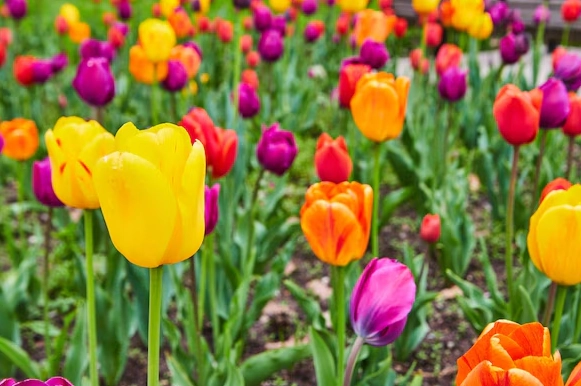
Hybrid Darwin tulips, Parrot tulips, and many double-flowered types are spectacular for one season. Breeders prioritized size and color over the bulb's ability to regenerate. Think of them as annuals—enjoy the show, then compost them.
If you want tulips that return reliably, sometimes even multiplying, you need to look for specific groups. I always search for Species Tulips (like Tulipa clusiana, T. saxatilis) and certain classes marketed as "Perennial Tulips" or "Naturalizing Tulips." The Emperor tulips (Fosteriana), Greigii tulips, and some Single Late tulips have better perennial habits. A report from the Dutch bulb industry often highlights these groups for their robustness.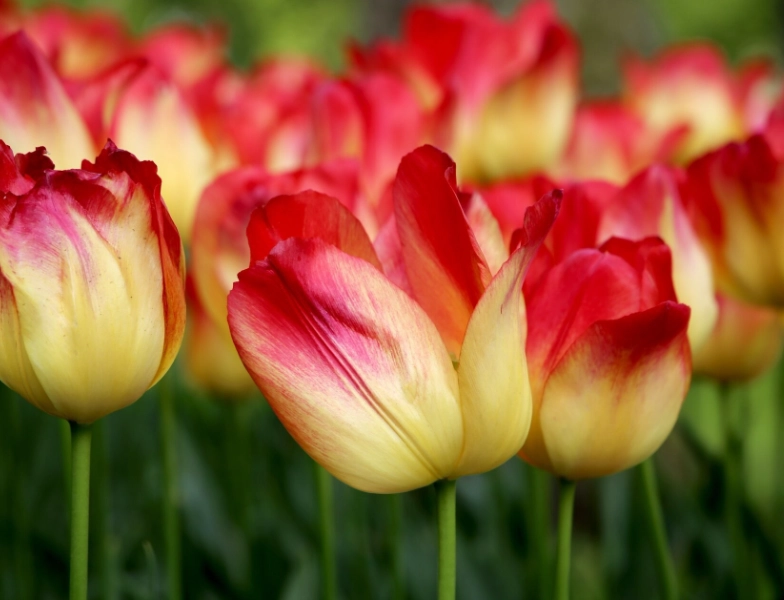
The Planting Masterclass: Depth, Spacing, and Soil
"Plant bulbs three times as deep as they are tall." You've heard it. It's a good rule of thumb, but it's incomplete. Depth is about temperature regulation and stem support. In my heavy clay soil, 8 inches deep is the minimum. In sandy soil, you might go 10 inches to keep them cool in summer.
Spacing is where people get stingy. Crowding bulbs leads to competition and disease. I give them at least 4-6 inches apart. For a natural look, I toss a handful on the ground and plant them where they fall.
Soil is the real secret. Tulips demand perfect drainage. Soggy soil rots bulbs over winter or summer. If you have clay, you must amend it.
My No-Fail Soil Prep Recipe
I dig the planting area to a depth of 12-14 inches. For every square foot, I mix in:
- A 2-gallon bucket of coarse sand or fine grit
- A 2-gallon bucket of compost (not fresh manure)
- A handful of bone meal or bulb fertilizer worked into the bottom of the hole
This creates a loose, nutrient-rich, fast-draining environment. It's work, but it's the single biggest factor in getting tulips to perennialize for me.
| Tulip Type | Best For | Planting Depth | Perennializing Rating | My Personal Pick |
|---|---|---|---|---|
| Species Tulips (e.g., T. clusiana) | Rock gardens, fronts of borders, naturalizing in gravel | 4-6 inches | Excellent | 'Lady Jane' – delicate and reliable |
| Fosteriana (Emperor) | Early color, large flowers, naturalizing in sun | 8 inches | Very Good | 'Orange Emperor' – vibrant and tough |
| Greigii Tulips | Containers, short borders, striped foliage | 6-8 inches | Good | 'Red Riding Hood' – great foliage |
| Single Late/Darwin Hybrid | Cut flowers, formal beds, one-season display | 8 inches | Poor to Fair | 'Queen of Night' – for drama, not longevity |
The Critical Aftercare Most People Skip
What you do after the petals fade determines next year's blooms. The bulb is using the leaves to recharge through photosynthesis.
I deadhead the flower stalk once the petals drop. This stops seed production, which wastes energy. But I leave all the foliage. I don't braid it, tie it, or cut it. I let it turn yellow and wither completely. This process can take 6 weeks. It's ugly. I plant perennials around them to hide the dying leaves.
Watering is crucial during this post-bloom period if spring is dry. The bulb is actively rebuilding underground.
Troubleshooting: Why Your Tulips Aren't Blooming
You get leaves but no flowers. Here’s the diagnostic checklist I run through:
1. Insufficient Chill: Tulips need 12-16 weeks of cold (below 50°F/10°C) to initiate flowers. In warm climates (USDA zones 8-10), you must pre-chill bulbs in the fridge for 3-4 months before planting. Don't store them with fruit, which emits ethylene gas that can damage the flower inside.
2. Foliage Removed Too Early: This is the #1 reason. If you cut back green leaves last year, you starved the bulb.
3. Overcrowding: Bulbs multiply underground, forming smaller offsets. After 3-4 years, they're too crowded to bloom. The fix is to dig them up after foliage dies, separate the bulbs, and replant the largest ones at the proper spacing.
4. Too Much Shade: They need full sun during their growth cycle. Trees that leaf out later can work, but a north-facing fence often doesn't.
5. Animal Damage: Squirrels dig up newly planted bulbs. Voles and mice eat them over winter. Planting deep and using sharp gravel in the planting hole helps. I sometimes plant in wire cages for valuable bulbs.
The Expert's Guide to Naturalizing Tulips
Naturalizing means planting tulips where they can live and multiply indefinitely, like in a lawn or meadow. It requires a complete hands-off approach after planting.
You must choose the right tulip. Species tulips are kings here. I've had great luck with Tulipa sylvestris and Tulipa turkestanica in grassy areas. You mow the area only after the tulip foliage has completely died back. This means letting that patch of lawn grow long for over a month. It's not for neat freaks.
I've found the best success is actually in gravel gardens or raised beds with extremely sharp drainage. This mimics their native mountainous habitats. I plant them, cover with gravel, and basically ignore them. They get baked in summer, frozen in winter, and thrive on the neglect.
Your Tulip Questions, Answered
I live in a warm climate (Zone 9). Can I still grow tulips?
You can, but you have to treat them as annuals or force the chill period. Buy bulbs as soon as they're available in fall, store them in a paper bag in your refrigerator's vegetable crisper (away from fruit) for 12-14 weeks. Plant them in late December or January when soil has cooled. They'll bloom in spring, but rarely return for a second good show. Focus on pre-chilled bulbs or try the species Tulipa clusiana, which is more heat-tolerant.
Should I fertilize my tulips when I plant them?
A little bone meal or a specialized bulb fertilizer with a higher middle number (phosphorus for roots) in the planting hole is beneficial. The real key is the post-bloom feed. As the leaves are still green, a light application of a balanced, slow-release fertilizer helps recharge the bulb. The common advice to just use bone meal is insufficient for perennial performance.
Is it better to plant tulips in pots or in the ground for longevity?
For a one-time display, pots are fantastic. For getting them to come back, the ground is almost always superior. Pots freeze harder, thaw faster, and dry out more readily, which stresses the bulb. If you must use pots, use huge ones (at least 18 inches deep and wide), insulate the pot over winter, and keep the soil from becoming soggy or bone-dry after flowering. Even then, success beyond two years is rare.
What's the deal with "planting tulips in November"? Is that a hard rule?
No, it's a guideline to ensure the soil is cool enough (below 60°F/15°C) to prevent fungal disease and stop bulbs from sending up leaves before winter. In a warm fall, I wait until December. The goal is to get them rooted before the ground freezes solid, but not so early they start top growth. If you miss the window and find unplanted bulbs in January, plant them immediately. They're likely still viable, just desperate.
Can I move tulip bulbs right after they finish blooming?
Terrible idea. You'll sever the roots and damage the regenerating bulb. Mark their location and wait until the foliage has completely yellowed and the bulbs are fully dormant, usually early to midsummer. Dig them up then, let them dry in a shady spot for a few days, and store them in a cool, dry place in a mesh bag until fall replanting time.
Reader Comments