Most gardening articles sell you a fantasy: plant asparagus, wait two years, then enjoy endless spears. The reality is messier, more frustrating, but ultimately far more rewarding. I’ve killed my share of crowns and made every mistake in the book over a decade of growing asparagus commercially and in my backyard. The biggest misconception? That asparagus is a "plant and forget" crop. It’s not. It’s a long-term partnership. Get the first three years right, and you’ve secured a perennial vegetable plot that outperforms any annual for two decades. Get it wrong, and you’re left with spindly, bitter spears and a patch of weeds. This guide cuts through the fluff and gives you the actionable, often-overlooked details that separate a thriving bed from a disappointing one.
What You’ll Learn
Why Bother with an Asparagus Plant?
Let's be honest. Asparagus demands patience. You plant dormant, ugly-looking "crowns" (the root system) and then you have to not harvest anything for at least two full growing seasons. In today's instant-gratification world, that's a hard sell. So why do it? The payoff isn't just about saving money at the grocery store, though a mature patch can yield 10+ pounds per year. It's about taste and resilience. Homegrown asparagus, snapped and eaten within minutes, has a sweetness and grassy complexity that store-bought spears, which are often days old, completely lack. You're also investing in a permanent piece of your garden ecosystem—a perennial anchor that requires less yearly work than replanting tomatoes or beans. Once established, it's one of the first harvests of spring, a genuine reward for getting through winter.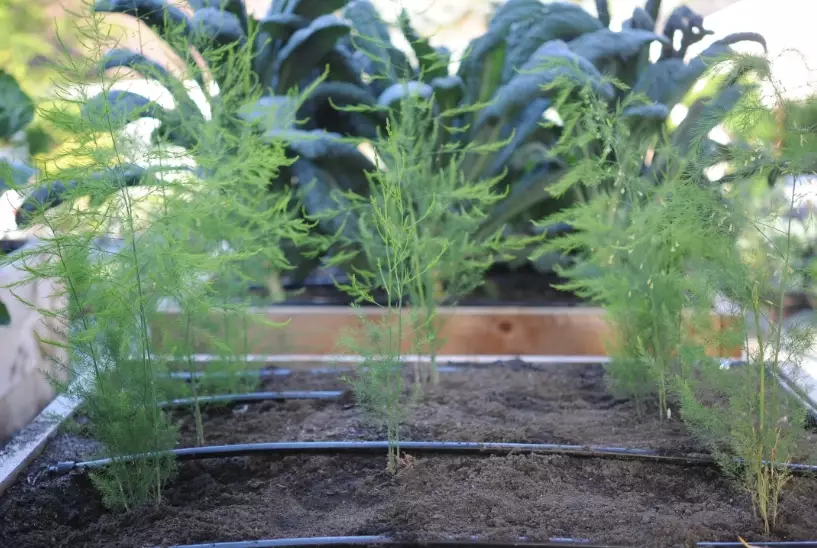
Planting Asparagus Crowns: Avoiding the Critical Error
You can start asparagus from seed, but it adds an extra year of waiting. Most of us start with one-year-old crowns. Here’s where the classic advice fails. Everyone says "dig a trench." They rarely tell you why or how deep correctly.
Soil Prep is Non-Negotiable
Asparagus hates wet feet. Poor drainage is the fastest killer. Before you even look at a crown, test your soil drainage. Dig a hole 12 inches deep, fill it with water. If it doesn't drain in 4 hours, pick another spot or build a raised bed. They need deep, loose, fertile soil. I amend the entire bed, not just the trench, with a hefty amount of compost and some balanced, slow-release organic fertilizer. Forget the sand unless your soil is pure clay—compost improves structure better.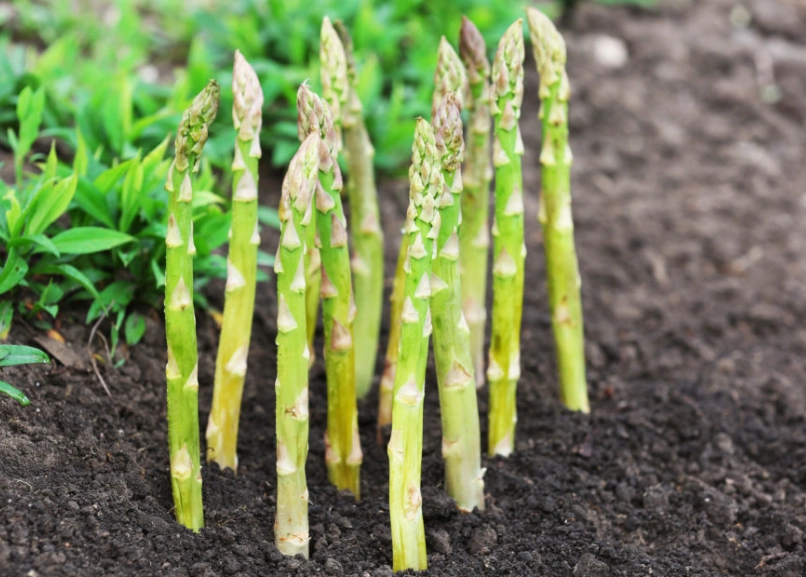
The Trench Technique, Demystified
The standard advice is a 6-8 inch deep trench. I go deeper: 10-12 inches. Why? You're going to backfill gradually as the spears grow. The deeper initial placement encourages the crown to settle well below the soil surface, which protects it from frost heave and gives those deep roots room to establish. Space crowns 18 inches apart in the trench, with rows 4-5 feet apart. Lay the crowns with their spider-like roots spread out gently, buds facing up. Cover with just 2 inches of soil. Wait. As the spears grow, add another 2 inches of soil every couple of weeks until the trench is filled. This gradual method forces the plant to develop a longer, sturdier stem section underground.
The mistake? Dumping all the soil back on at once. It smothers the young shoots and encourages rot.
Asparagus Plant Care: A No-Nonsense Year-by-Year Plan
Generic "water and weed" advice is useless. Here’s what you actually need to do each season.
| Year | Spring (Mar-May) | Summer (Jun-Aug) | Fall/Winter (Sep-Feb) |
|---|---|---|---|
| Year 1 | Plant crowns. Water deeply if dry. Do not harvest any spears. Let them all grow into ferns. | Weed meticulously. Water during dry spells. The ferns are building the crown's energy reserves. | After frost kills the ferns, cut them down to 2-inch stubs. Apply a thick (4-6 inch) mulch of straw or shredded leaves to protect the dormant crown. |
| Year 2 | Spears will be more numerous. Resist harvesting! Maybe snip 1-2 spears per plant if you must, but letting them fern is crucial. | Continue watering and weeding. Ferns will be bushier. Side-dress with compost around plants. | Cut down dead ferns. Top-dress with compost and re-mulch heavily. |
| Year 3 | Harvest for 3-4 weeks. Stop when spear diameter starts to thin (pencil-width). Then let the rest fern. | Full fern growth. This is the energy-making phase for next year. Keep watered. | Cut ferns after they brown. Major mulch and compost application. Your bed is now mature. |
| Year 4+ | Harvest for 6-8 weeks, based on spear vigor (not a calendar). Stop when thinning occurs. | Maintain healthy ferns. Weed control is easier now. | Clean-up and mulch. Consider dividing crowns if bed is overcrowded (every 8-10 years). |
The summer fern stage is not a "resting" period. It's the engine room. Those ferns are photosynthesis machines, sending energy down to the crown to create next year's spears. Neglect them (through drought, disease, or being cut down early), and you mortgage next spring's harvest.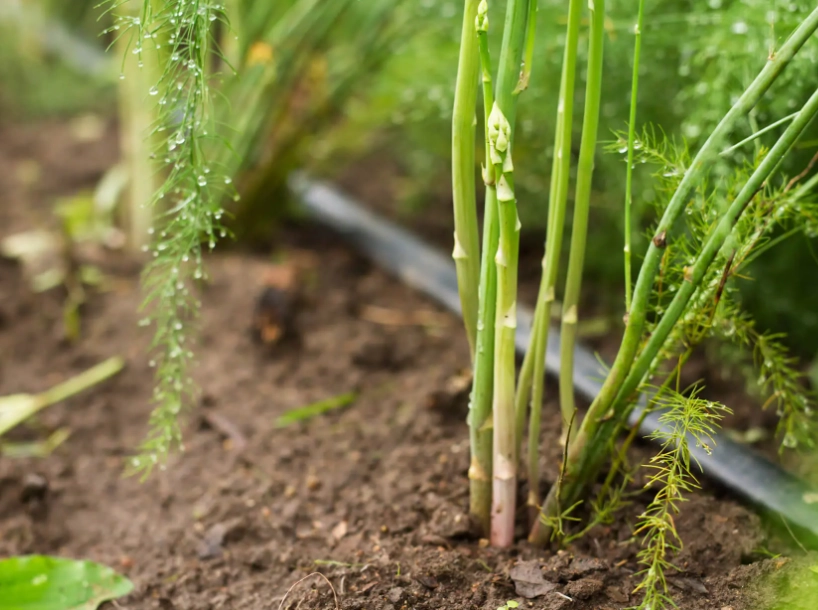
Harvesting Asparagus: Why the "8-Week Rule" is Misleading
You'll read everywhere: "Harvest for 8 weeks, then stop." This is a dangerous oversimplification. A young or stressed plant may only support 3 weeks of harvest. A vigorous, 8-year-old bed in ideal conditions might go for 10. The plant tells you when to stop, not the calendar.
How to harvest: Use a sharp knife or asparagus harvesting tool. Cut the spear about 1-2 inches below the soil surface, at an angle. Or, snap it by hand—it breaks naturally at the tender point. I prefer snapping; it's faster and guarantees you're only taking the edible part.
When to stop: This is the key. You stop harvesting when the emerging spears become noticeably thinner than the early ones. When they're consistently about the diameter of a pencil, it's time. The plant is saying, "My energy reserves are running low, I need to grow ferns now." If you keep cutting, you severely weaken the crown for future years. This visual cue is far more reliable than counting weeks.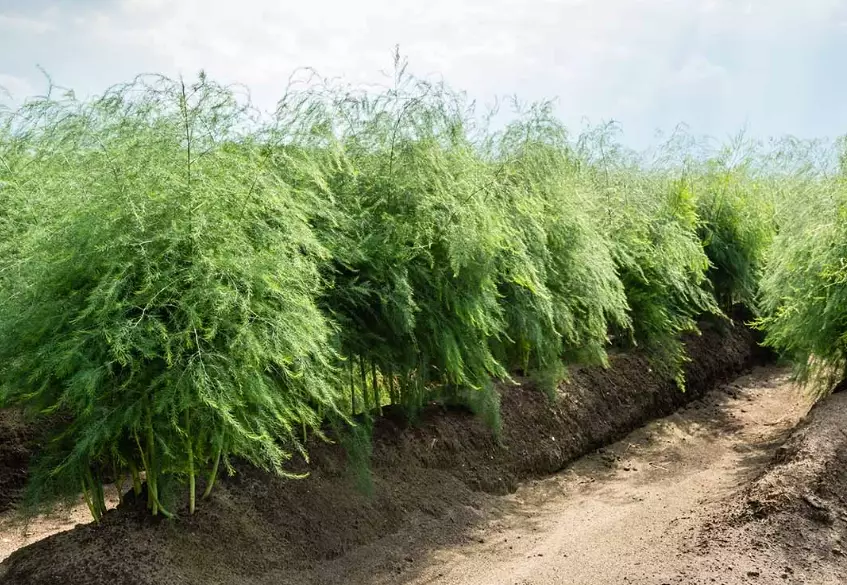
Choosing Your Asparagus Variety: A Quick Showdown
Not all asparagus plants are the same. Male hybrids dominate the market for a reason.
- Jersey Series (Knight, Supreme, Giant): All-male hybrids. They don't waste energy producing seeds (the red berries), so they put more into spear production. More yield, more vigorous. Jersey Knight gets my vote for most gardens—excellent cold tolerance, good disease resistance, produces thick spears.
- Purple Passion: Beautiful purple spears, slightly sweeter and more tender due to higher sugar content. Turns green when cooked. The novelty is fun, and the flavor is great, but it's generally less productive than the Jersey types. Worth growing for variety, but maybe not as your main bed.
- Mary Washington: The old heirloom standard. Both male and female plants. Reliable and widely adapted, but you'll get lower yields than all-male hybrids because the female plants produce berries.
For most growers aiming for maximum production with less hassle, an all-male hybrid like Jersey Knight is the pragmatic choice.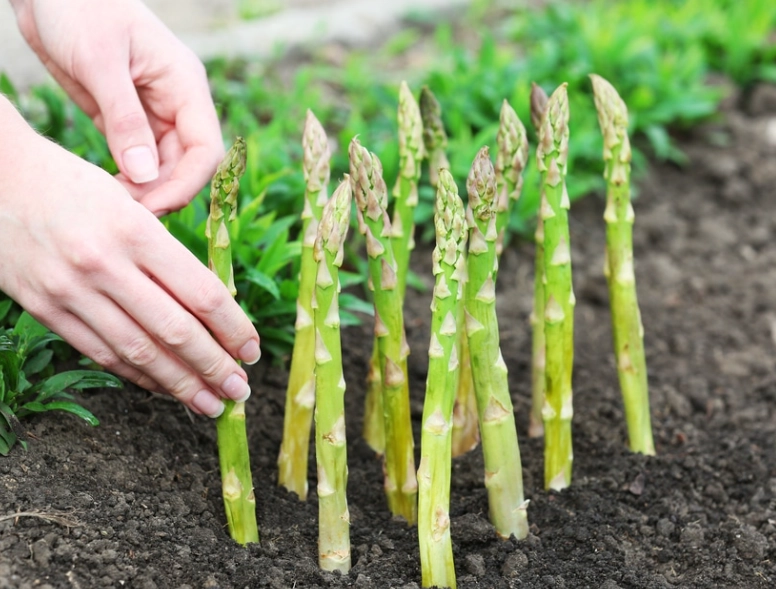
Troubleshooting Your Asparagus Plant
Things will go wrong. Here’s how to diagnose.
Why Are My Spears So Thin?
The number one question. Causes: 1) Over-harvesting the previous year. You didn't let the plant store enough energy. 2) Crowding. Mature beds need dividing every decade. 3) Poor nutrition. Top-dress with compost annually. 4) It's simply too early in the season. The first and last spears of the harvest window are often thinner.
The Dreaded Asparagus Beetle
You'll see them: slim, blue-black beetles with red markings or their black, slug-like larvae. They chew on ferns, weakening the plant. The best control is simple but tedious: hand-pick them in the morning and drop them into soapy water. For severe infestations on ferns (not on spears you're about to eat), you can use spinosad or neem oil as an organic option. Keeping the bed clean of old fern debris in fall removes their overwintering spots.
Ferns Turning Yellow/Brown Early
If it's fall, that's normal. If it's midsummer, it's a problem. Could be drought stress (water deeply), a fungal disease like rust (improve air circulation, avoid overhead watering), or severe beetle damage.
Reader Comments