Let's talk about that spot in your yard. You know the one. It's under the big oak tree, or on the north side of the house, where the sun barely peeks through. Grass won't grow. Most flowers you've tried just get leggy and sad. For years, I treated my shady corner like a gardening failure, a place to stick the compost bin and forget about. Then I discovered wood ferns. It wasn't just a plant; it was a revelation. Suddenly, that barren, difficult area became the lushest, most textured part of my garden. If you're ready to stop fighting the shade and start working with it, wood ferns are your answer.
Quick Navigation
What Exactly Are Wood Ferns?
"Wood fern" isn't the name of a single species. It's a common name that covers a whole group of ferns in the Dryopteris genus. Think of it like "maple tree"—there are many kinds. These are primarily native to woodland areas across the Northern Hemisphere, which is why they're so perfectly adapted to low-light, forest-floor conditions. Their fronds (that's the fern word for leaves) emerge in a tight, elegant coil called a fiddlehead, then unfurl into arching shapes of vibrant green.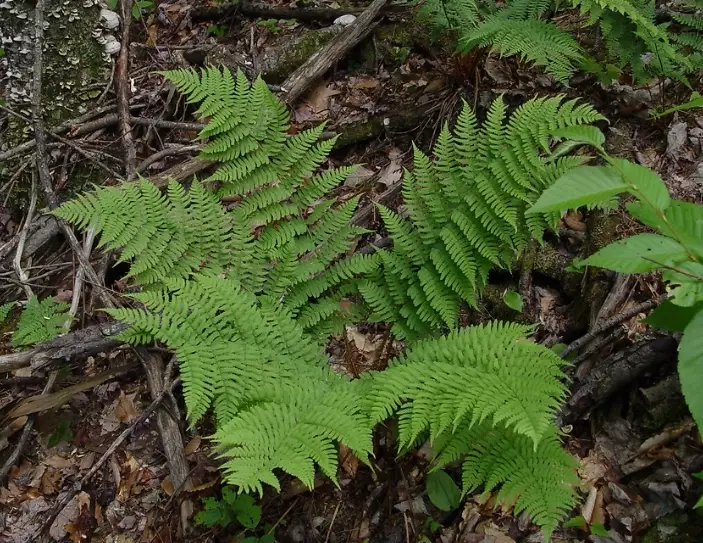
The most common one you'll find at nurseries is the Autumn Fern (Dryopteris erythrosora). Its new growth is a stunning copper-pink, fading to green. It's tough as nails. Another favorite is the Marginal Wood Fern (Dryopteris marginalis), a North American native that's evergreen in milder climates and exceptionally drought-tolerant once established. The key thing to remember is that while they have differences, their core needs are similar: shade, moisture-retentive soil, and good drainage.
Botanical Note: Don't get hung up on the exact species when you're starting out. Most garden centers sell resilient hybrids perfect for home gardens. Look for labels that say "wood fern" or "Dryopteris." If you're aiming for a native plant garden, specifically seek out Dryopteris marginalis.
Why Wood Ferns Beat Other Shade Plants
I've tried hostas. I've planted astilbes. They're fine. But wood ferns offer something different. They provide structure and a wild, natural elegance that looks like it's always been there. Here’s the practical breakdown of why they often win in a shady spot:
- Deer and Rabbit Resistance: This is huge. While hostas are like salad bars for deer, ferns contain compounds that make them generally unappetizing. My ferns remain untouched while everything around them gets nibbled.
- Architectural Texture: Their finely divided fronds catch the light in a way broad leaves can't, creating a soft, shimmering effect even in deep shade.
- Low Maintenance Once Established: Forget constant deadheading or dividing every other year. A wood fern's main job is to look beautiful and fill space. You mostly just clean up old fronds in spring.
- Soil Stabilizers: Their fibrous root systems help hold soil on slopes or in erosion-prone shady areas, much better than shallow-rooted annuals.
I made the mistake early on of treating shade plants as delicate. Wood ferns taught me that shade-tolerant often means incredibly tough and resilient.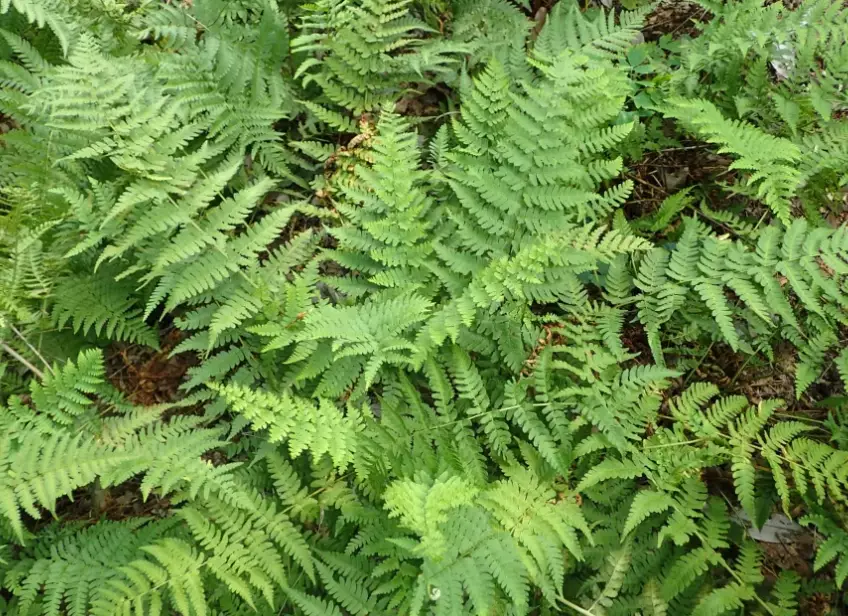
How to Plant Wood Ferns: A Step-by-Step Guide
Getting this part right saves you countless headaches later. The biggest mistake I see? Planting a moisture-loving fern in a dry, compacted hole and expecting it to thrive. Let's break it down.
Choosing the Right Spot and Time
Dappled shade to full shade. Morning sun is usually okay, but hot afternoon sun will scorch the fronds. The best time to plant is early spring or early fall, when temperatures are cooler and rain is more frequent. Avoid the heat of midsummer.
Preparing the Soil: This is Non-Negotiable
This is where most people skimp, and it's the root of 80% of problems. Wood ferns need soil that holds moisture but also drains well. Sounds contradictory, but it means rich, fluffy, organic matter.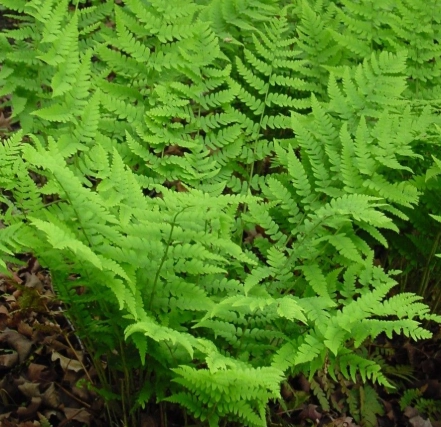
- Dig a hole twice as wide as the root ball and just as deep.
- Mix the native soil you removed with a generous amount of compost or well-rotted leaf mold. A 50/50 mix isn't overkill. If your soil is heavy clay, also add some coarse sand or fine bark chips to improve drainage.
- Throw a handful of a balanced, slow-release organic fertilizer into the mix.
The Planting Process
Place the fern in the hole, making sure the top of the root ball is level with the surrounding soil. Backfill with your prepared soil mix, firming gently as you go. Water deeply immediately after planting to settle the soil and eliminate air pockets. Apply a 2-3 inch layer of mulch (shredded leaves or bark) around the base to conserve moisture and suppress weeds. Keep the mulch away from the crown of the plant.
Pro Tip I Learned the Hard Way: Don't just plop a pot-bound fern in the ground. Gently tease apart the outer roots if they're circling tightly. This encourages them to grow outward into your new, beautiful soil, rather than continuing to spiral.
The Real Work: Caring for Your Ferns
Once established, care is minimal but specific. Here’s what you need to focus on.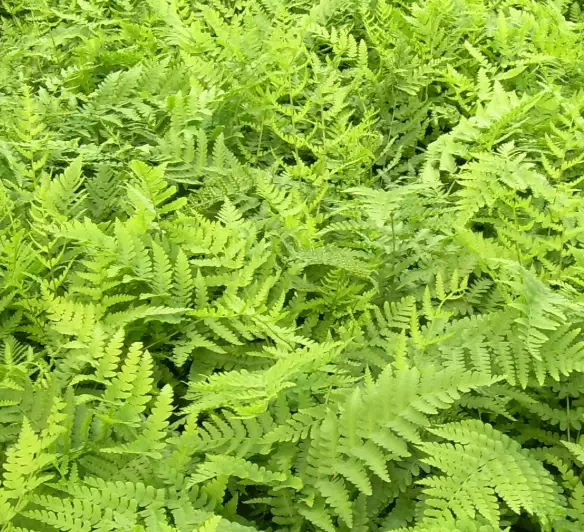
| Task | How Often & When | Key Details & Common Mistakes |
|---|---|---|
| Watering | Regularly in first season; during dry spells thereafter. | Deep, infrequent soakings are better than daily sprinkles. The goal is consistently moist, not soggy. Check soil 2 inches down. |
| Fertilizing | Once in early spring. | A light application of compost or a balanced, slow-release fertilizer is plenty. Over-fertilizing leads to weak, floppy growth. |
| Pruning/Cleaning | Once a year, in late winter/early spring. | Cut last year's old, tattered fronds back to the ground before new fiddleheads emerge. This is for aesthetics and disease prevention. |
| Dividing | Every 3-5 years (if at all). | Only if the center dies out or you want more plants. Do it in early spring. Use a sharp spade and replant divisions immediately. |
I used to be a chronic over-waterer, terrified of my plants drying out. With ferns, I learned to trust my finger. Poke the soil. If it's cool and slightly damp, walk away. Constantly wet feet, especially in winter, is a fast track to root rot.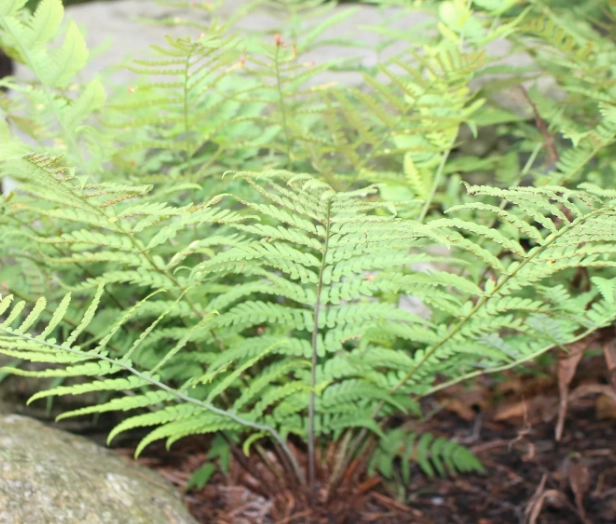
Troubleshooting Common Problems
Even the toughest plants have issues. Here’s how to decode what your fern is telling you.
Brown, Crispy Fronds: This is almost always a water issue. Either underwatering (soil is dry) or, less commonly, scorch from too much direct sun. Increase watering frequency and check your mulch layer.
Yellowing, Limp Fronds: Often a sign of overwatering or poor drainage. Check that water isn't pooling. It could also be a nutrient deficiency if the soil is very poor—a top dressing of compost can help.
Holes in Fronds or Skeletonized Leaves: Likely slugs or snails. They love the damp, shady environment ferns create. Hand-pick at night, use iron phosphate-based bait (pet-safe), or create barriers with crushed eggshells or diatomaceous earth.
White, Powdery Coating: Powdery mildew. It happens in stagnant, humid air. Improve air circulation by not overcrowding plants. Remove affected fronds. It's rarely fatal, just ugly.
My personal battle was with slugs. I tried everything. The only consistent solution was going out with a flashlight after rain and manually removing them. It's not glamorous, but it works.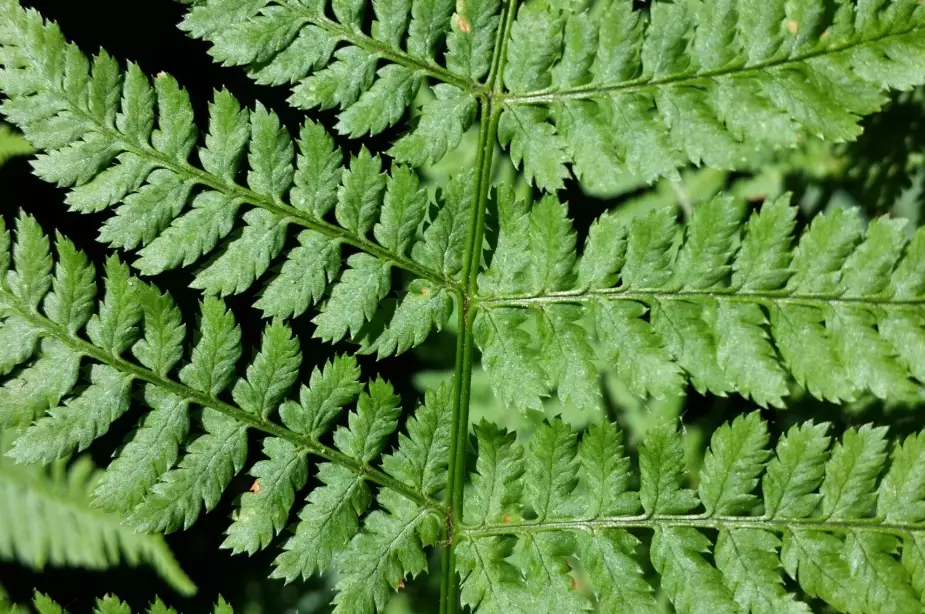
Reader Comments