If you've spent any time in New Zealand, you've seen it. Those bold, sword-like leaves arching out of swamps, hillsides, and suburban gardens. It's flax, or as it's known here, harakeke (or wharariki for some varieties). But most people walking past have no idea what they're looking at. Is it one plant or many? Can you eat it? Why was it so crucial to Māori? And if you want some in your garden, how do you stop it from taking over the entire section?
I've been fascinated with native flax for over a decade, first as a volunteer pulling weeds around wetland stands, later trying (and sometimes failing) to grow different cultivars. The common advice online is surface-level. This guide digs into the dirt.
What You'll Find in This Guide
What Exactly is Flax in New Zealand?
Let's clear up the first major point of confusion. The plant we call flax here (Phormium tenax and Phormium cookianum) is not related to the plant grown in Europe for linen and linseed oil (that's Linum usitatissimum). Early European settlers saw the strong fibres in the leaves and called it "flax," and the name stuck.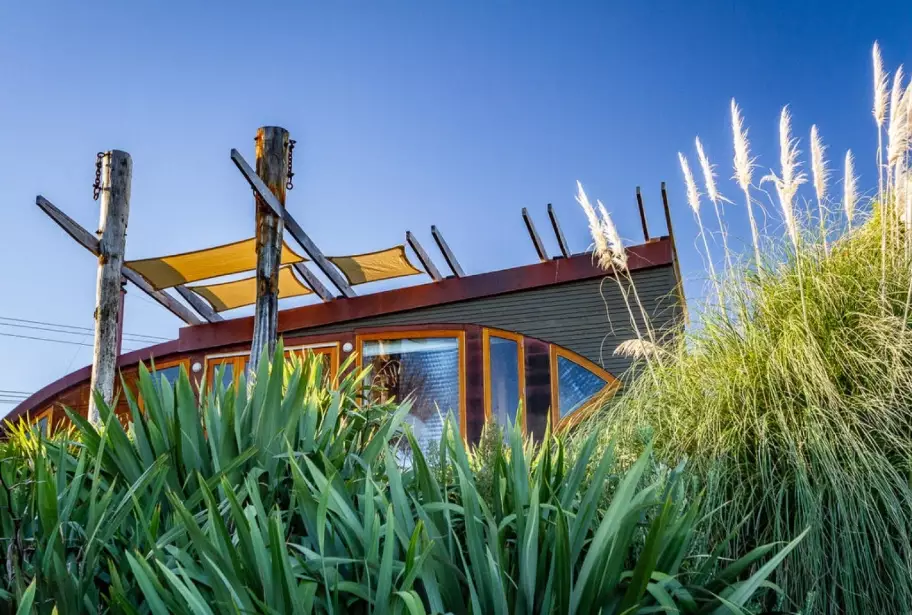
For Māori, arriving centuries earlier, harakeke was a treasure. It was a vital resource, one of the most important plants brought on the great migrations. Every part had a use. The leaves for weaving kete (baskets), whāriki (mats), and the incredibly strong ropes for waka (canoes) and fishing lines. The gum from the base was used as an antiseptic. The nectar from the flowers as a sweetener.
It's a tough, evergreen perennial that forms large clumps. It thrives in the very conditions that challenge other plants: wet ground, wind, and coastal salt spray. That resilience is why you see it everywhere, from roadside plantings to natural wetlands.
How to Identify Different Types of NZ Flax
There are two main native species, plus hundreds of cultivated varieties. Telling them apart matters because their needs and uses differ.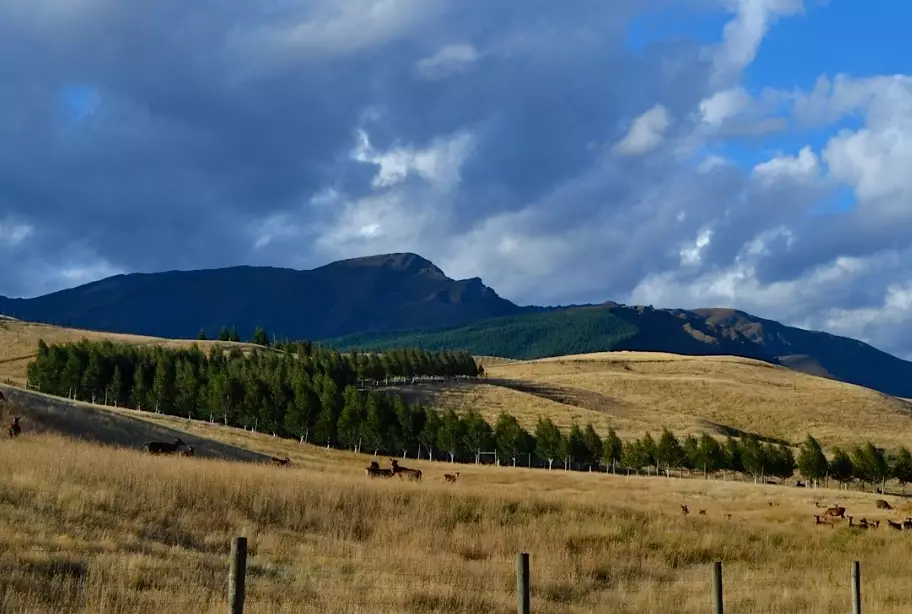
| Feature | Harakeke / Swamp Flax (Phormium tenax) | Wharariki / Mountain Flax (Phormium cookianum) |
|---|---|---|
| Leaf Stance | Erect, rigid, often arching outwards. | More flexible, often drooping or recurved. |
| Flower Stalk | Tall (up to 4m+), straight, and sturdy. | Shorter (often under 2m), branched, and curving. |
| Seed Pods | Erect, twisted, and pointed. | Drooping, often curved like a sickle. |
| Preferred Habitat | Lowland swamps, damp ground, coastal margins. | Drier, upland, rocky areas, and coastal cliffs. |
| Fibre Quality | Exceptionally strong, long, and straight. Ideal for cordage. | Softer, finer, and more flexible. Better for fine weaving. |
| Common Garden Cultivars | 'Purpureum' (bronze), 'Variegatum' (striped), 'Yellow Wave'. | 'Tricolor', 'Cream Delight', 'Dark Delight'. |
Then there are the hybrids. Nurseries have crossed these species to create a rainbow of options: flaxes with burgundy, pink, yellow, or striped leaves. 'Rainbow Warrior' and 'Platt's Black' are popular. These cultivars are bred for colour, not fibre strength, and often need more care than the hardy natives.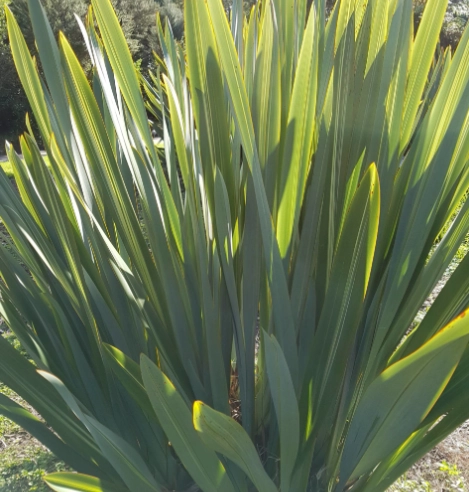
A mistake I see? People plant a colourful hybrid in a boggy spot, wondering why it rots. Or they put a giant tenax in a small flower bed. Match the plant to the place.
The Real-World Guide to Growing Flax in NZ
You can buy flax from almost any garden centre. But success isn't just about sticking it in the ground.
Site and Soil: Getting the Foundation Right
Most guides say "sun to part shade." That's true, but colour intensity in cultivars fades with too much shade. For the strongest colours, give them full sun.
Soil is the big one. Common advice is "well-drained soil," which is only half the story for the true swamp flax (P. tenax). It loves moisture and can handle heavy, clay-based soils that drown other plants. If you have a soggy corner, that's its spot. The mountain flax (P. cookianum) and most hybrids do need that good drainage.
Wind? They're champions. Use them as a shelter belt for more delicate plants.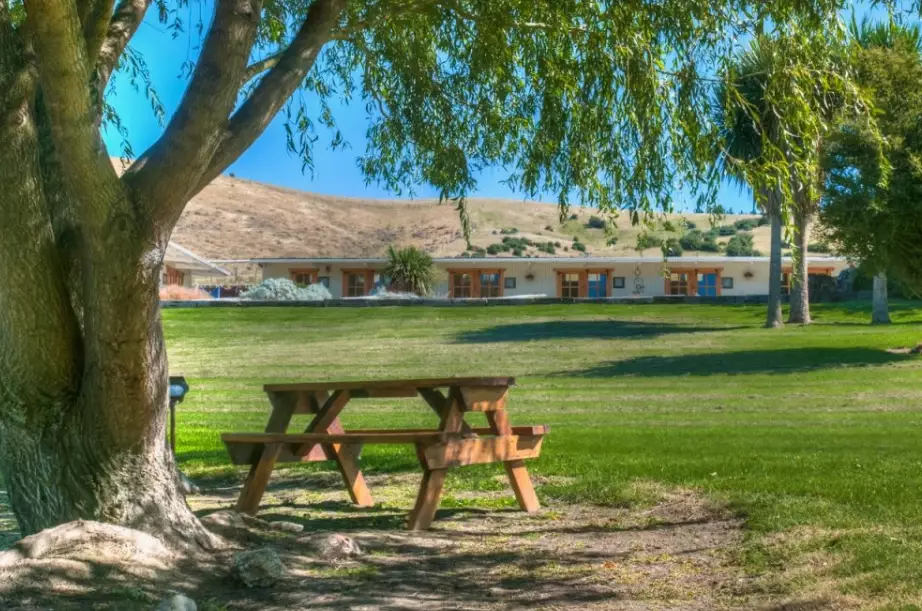
Planting and Care: The Minimalist Approach
Plant in spring or autumn. Dig a hole twice as wide as the root ball, but no deeper. Flax hates being buried too deep. Mix in some compost if your soil is poor, but don't coddle it.
Water it in well, and keep the soil moist (not waterlogged) for the first summer. After that, it's remarkably drought-tolerant, though swamp flax will look happier with occasional deep watering in a dry spell.
Fertiliser? I rarely use it. A top-dressing of compost in spring is plenty. Too much nitrogen leads to soft, floppy growth that's prone to damage.
Pruning is where people get nervous. It's simple. Put on some sturdy gloves (the leaf edges can give you a nasty paper-cut). Grab an old leaf low down, and pull it downwards and away from the centre. It should snap off cleanly at the base. Never cut leaves halfway—it looks terrible and invites disease. Clear out the dead brown leaves at the bottom a couple of times a year to keep the plant tidy and healthy.
Harakeke and Māori Tradition: Beyond Decoration
This is where flax becomes truly fascinating. The harvesting and preparation of muka (the prepared fibre) is a skilled art. After cutting the right outer leaves, they're scraped with a mussel shell to remove the green flesh, then pounded and washed repeatedly to separate the long, white, silky fibres.
This muka was woven into incredibly strong cloaks (kākahu), some so fine they were waterproof. The strength of harakeke cordage is legendary—it was used for bird snares, nets, and lashings that had to withstand immense force.
If you're interested in this, look for a local wānanga (workshop) run by Māori weavers. Places like the Museum of New Zealand Te Papa Tongarewa or regional marae often hold them. It's a profound way to connect with the plant.
A modern tip from a weaver friend: The best fibre often comes from plants growing in full sun, not from the shadiest, lushest-looking bush in a swamp. The leaves are tougher.
Using Flax in Your Garden and Home Today
You don't have to be a master weaver to use flax.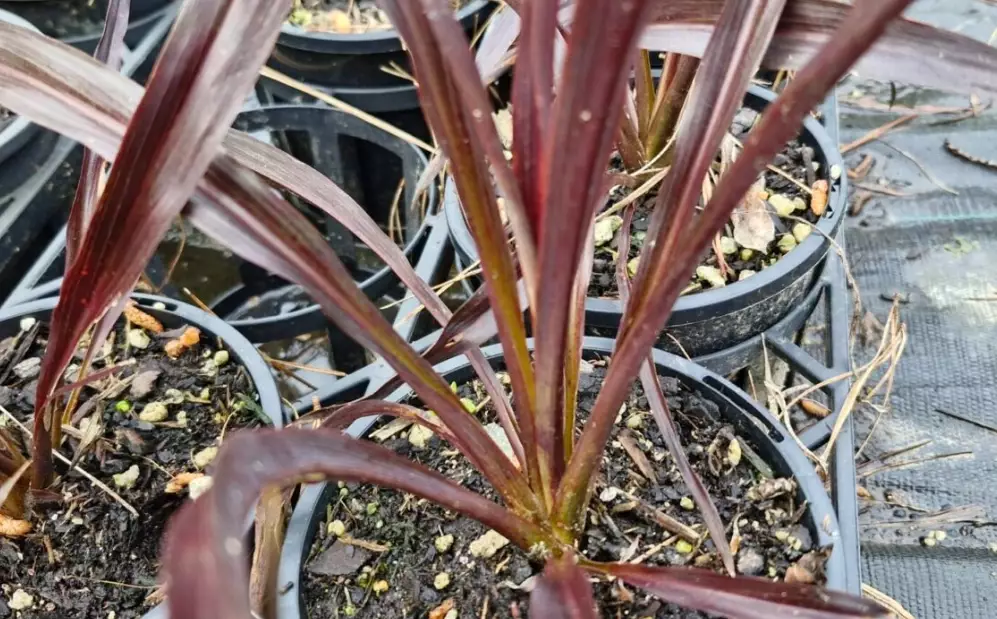
In the garden: Use the large species as a dramatic focal point or a fast-growing screen. The smaller, coloured cultivars are brilliant for adding structure and year-round colour to mixed borders. They're fantastic in coastal gardens where salt spray kills other plants.
I used a row of Phormium tenax 'Purpureum' to hide an ugly fence and block a neighbour's view. In three years, it formed a dense, 2.5-metre-high wall. Low maintenance, zero fuss.
Simple crafting: Try plaiting (raranga) a few green leaves to make a simple rope for garden ties or a small basket. It's a satisfying project. You can find basic tutorials from sources like Creative Jewish Mom who adapts the technique.
The flowers, when they appear (which can be infrequent in gardens), are a magnet for native birds like tūī and bellbirds, who love the nectar.
Solving Common Flax Problems
Flax is tough, but not invincible.
Flax mealybug: This is the most common issue. You'll see white, fluffy patches in the leaf bases and a sticky residue (honeydew). It weakens the plant. Don't panic. A strong jet of water can dislodge them. For bad infestations, spray with a horticultural oil or neem oil, getting it right into the crown. Systemic insecticides work but are a last resort.
Yellowing leaves: Usually the oldest leaves dying naturally—just pull them off. If new growth is yellow, it could be poor drainage (for hybrids) or a nutrient deficiency.
Rot in the centre: Almost always caused by planting too deep or soil/water accumulating in the crown. Ensure the plant's base is slightly above soil level.
The biggest problem is size. That cute little flax from the nursery can become a monster. Research the ultimate height and spread of the cultivar. 'Yellow Wave' might stay at 1m, while a standard tenax can hit 3m across. Give it space.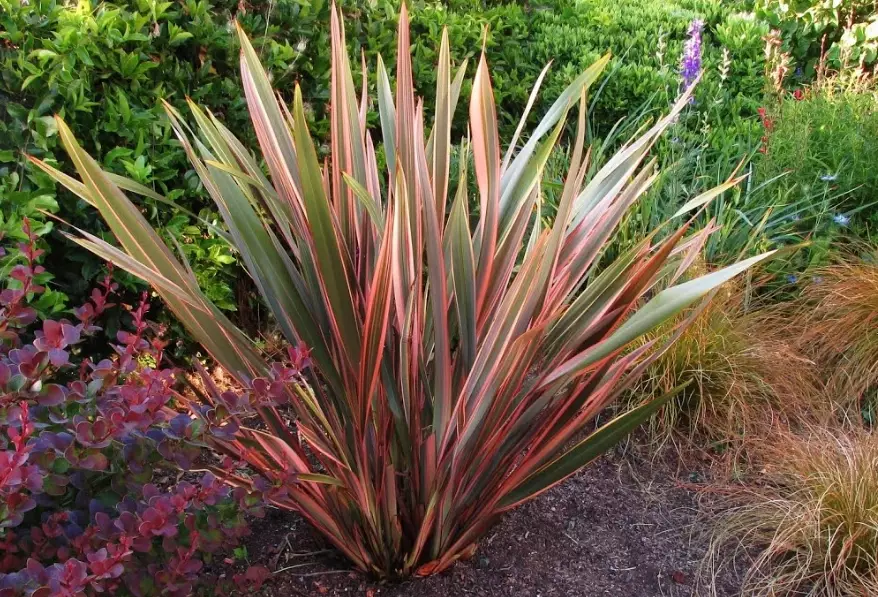
Your Flax Questions Answered
Can I grow flax from seed?
You can, but it's slow. Seeds from garden hybrids won't come true to the parent plant. If you want a specific colour, buy the plant or propagate by division. To divide, dig up the whole clump in early spring, use a sharp spade to chop it into smaller sections (each with roots and leaves), and replant. It's hard work on mature plants.
Why is my flax plant turning yellow?
Start with the basics. Are you overwatering a hybrid in heavy soil? Check for mealybugs. If the plant is old and congested, it might just need dividing to rejuvenate it. A dose of balanced, slow-release fertiliser in spring can help if the soil is exhausted.
Is New Zealand flax poisonous to dogs or cats?
It's generally considered non-toxic. The ASPCA lists it as non-toxic to dogs and cats. However, the tough leaves can cause gastrointestinal upset if ingested in large quantities, and the sharp edges could cause physical injury. It's best to discourage pets from chewing on it.
How do I sustainably harvest leaves for weaving?
Remember the "pā harakeke" model. Only harvest the strong, outer leaves (the "grandparents"). Never cut the central three shoots (the child and parents). Use a sharp knife and cut on an angle, away from the centre, so water runs off the cut. Take only a few leaves from each bush, and rotate your harvesting between different plants.
What's the difference between flax seed oil and harakeke?
They are completely different. Flaxseed/linseed oil comes from the seeds of the European flax plant (Linum usitatissimum). It's edible and rich in omega-3. You cannot get oil from New Zealand flax seeds in any commercially useful or edible way. Any product claiming to be "NZ flax oil" is either misleading or referring to something else entirely.
Flax is a backbone plant of the New Zealand landscape. It's a living piece of history, an ecological powerhouse, and a stunning garden plant all in one. Whether you want to weave a basket, shelter your veggies from the wind, or just add some bold, sculptural beauty to your section, there's a type of flax that's right for the job. Just give it the right spot, respect its size, and enjoy a truly iconic piece of Aotearoa.
Reader Comments