Want to grow a tree in a pot? It sounds a bit mad, but it's completely doable. I've been growing everything from citrus to Japanese maples in containers on my patio for over a decade. It's not just about sticking a tree in a pot and hoping for the best. That's a fast track to a dead plant. The real magic—and the long-term success—lies in understanding the unique partnership between a confined root system and the finite world of its container. This guide will walk you through exactly how to make that partnership work.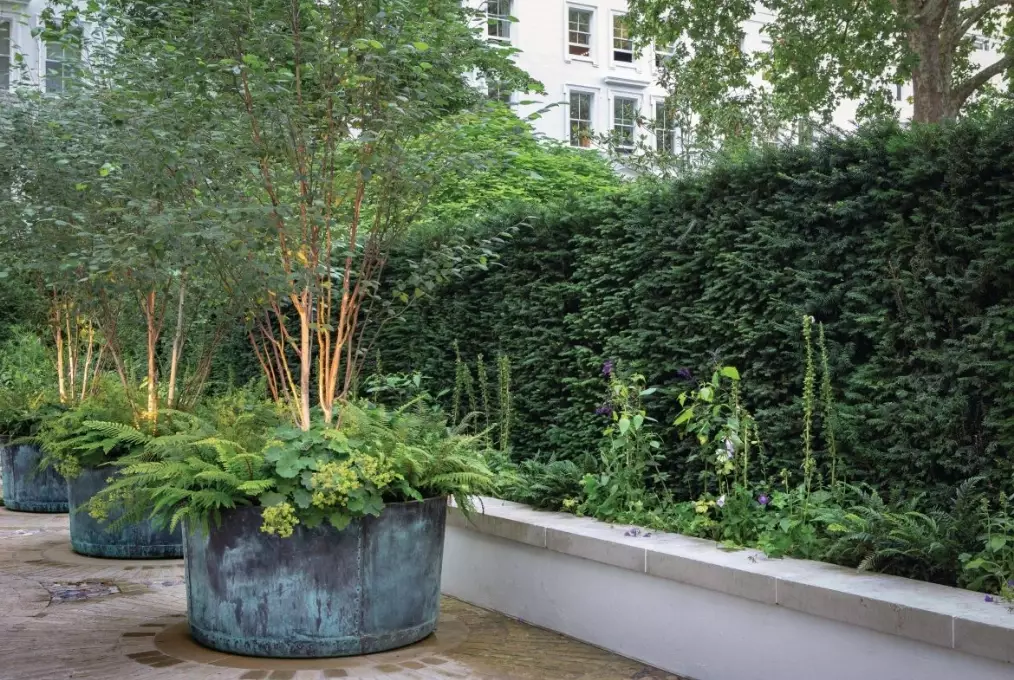
What's Inside?
Why Even Bother Growing a Tree in a Pot?
Let's be honest, a tree in the ground is easier. So why containerize? The reasons are surprisingly practical and often non-negotiable.
You control the environment. Got terrible, clay-heavy soil that drowns roots? A pot with good mix solves that. Need to move a sun-loving citrus tree to follow the light as seasons change? Roll it. This mobility is a game-changer for renters or anyone not ready for a permanent landscape commitment.
Then there's space. A balcony, a small courtyard, a rooftop—these become instant gardens. You're not limited by what's underground. I've seen stunning potted olive trees framing an apartment doorway, something impossible with in-ground planting.
But here's the flip side, the part many beginner guides gloss over: potted trees are high-maintenance pets. Their roots can't spread out to find water or nutrients. They're utterly dependent on you. They're more vulnerable to temperature extremes—roots in a black plastic pot on a sunny deck can bake. Winter cold hits the root ball harder than insulated ground soil. This isn't a set-it-and-forget-it project. If that's what you want, get a sculpture. A potted tree is a living, breathing commitment.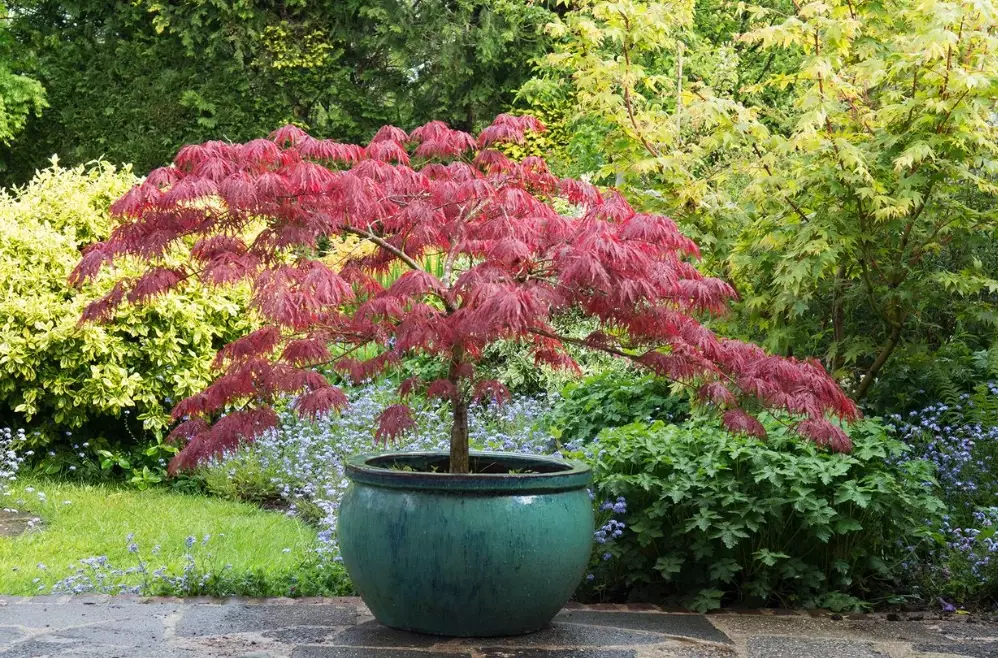
Choosing the Right Tree for Your Pot
This is the single most important decision. Get it wrong, and you're fighting nature. The golden rule: prioritize slow-growing, naturally small, or dwarf varieties. Forget that beautiful oak sapling from the forest; in five years, it'll be root-bound and miserable.
Look for trees bred or selected for containers. Nurseries now label them clearly: "dwarf," "patio," or "container-suitable." Your goal is a tree that reaches a manageable mature size and is happy with its roots contained.
Here are some top-tier categories and specific winners I've had success with:
Fruit Trees (The Edible Rewards)
| Tree Type | Specific Variety Examples | Why It Works in a Pot | Key Need |
|---|---|---|---|
| Citrus | Meyer Lemon, Calamondin Orange, Kaffir Lime | Naturally adaptable to containers, evergreens for year-round interest. | Full sun (6-8 hrs), frost protection in winter. |
| Dwarf Apple/Pear | Apple 'Urban Apple', Columnar 'Scarlet Sentinel', Pear 'Garden Pearl' | Bred for small spaces, often self-fertile. | Chill hours met, good air circulation. |
| Fig | 'Little Miss Figgy', 'Petite Negra' | Root restriction can actually improve fruiting. | Warm spot, consistent water during fruit set. |
My Meyer lemon has lived in the same large pot for eight years. It fruits reliably because I can give it exactly the acidic, well-draining soil it craves—something my alkaline garden soil could never provide.
Ornamental Trees (The Beauty Specialists)
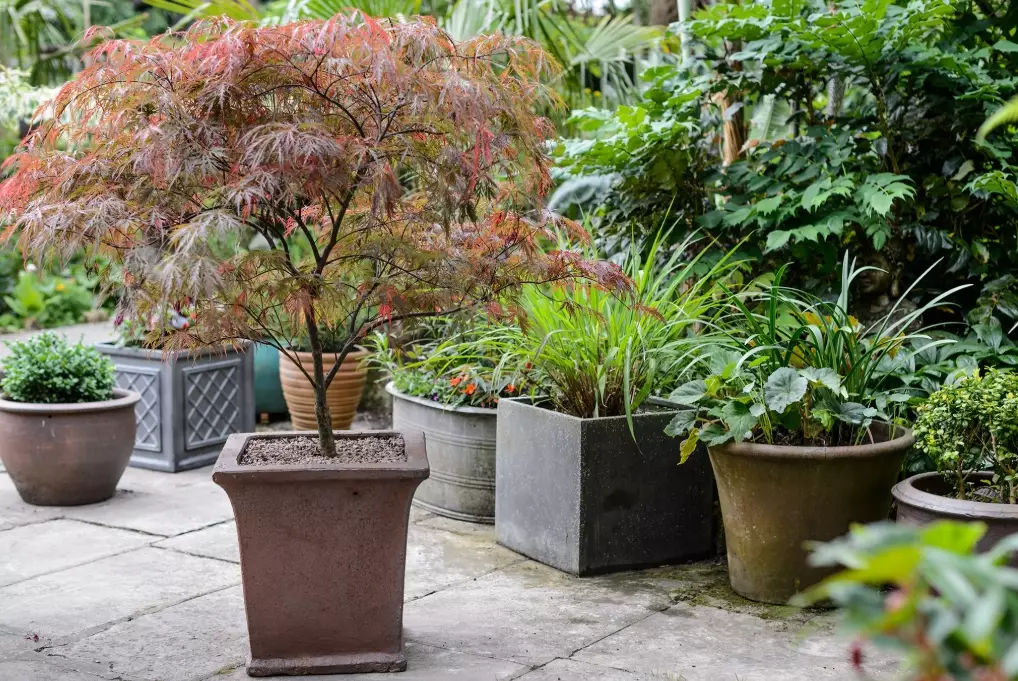
Japanese maples are the undisputed champions here. A slow-growing dissectum variety like 'Crimson Queen' or 'Tamukeyama' in a wide, shallow pot is a living sculpture. Their shallow root systems adapt well.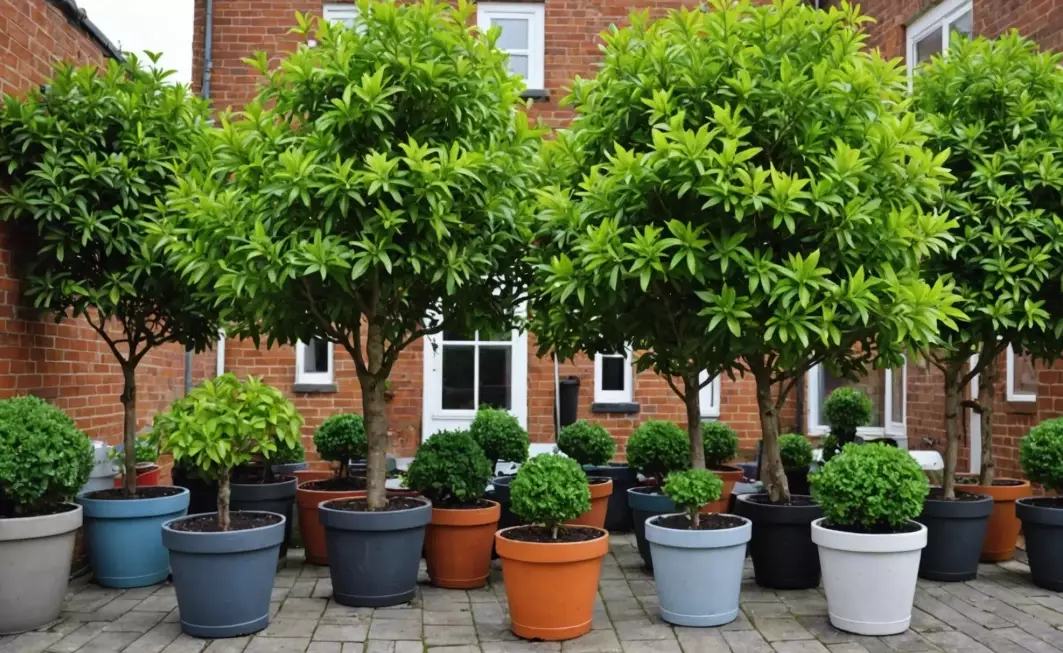
Other stars include:
- Dwarf Conifers: Look for cultivars of pine, spruce, or false cypress with "Nana" or "Compacta" in the name. They add winter structure.
- Olive Trees: They tolerate drought and poor soil beautifully once established. The silvery foliage is stunning. Just remember they are not fully hardy in cold climates.
- Crape Myrtles: Dwarf varieties like 'Pocomoke' offer summer-long blooms and great fall color in a compact form.
Selecting the Perfect Pot: It's More Than Looks
This is where I see the most expensive mistakes. People buy a gorgeous, glazed ceramic pot with no drainage hole because it matches their decor. That pot is a coffin for your tree's roots.
Rule #1: Drainage is non-negotiable. Multiple large holes in the bottom. If you fall in love with a pot that lacks holes, drill them yourself or use it as a decorative cachepot, placing your functional, draining nursery pot inside it.
Material Matters More Than You Think
Terra Cotta/Clay: Classic, porous. They "breathe," allowing air to the roots and preventing soil from staying soggy. The downside? They dry out fast, especially in sun. You'll be watering constantly in summer. They can also crack in freeze-thaw cycles.
Glazed Ceramic: Heavier, less porous. Holds moisture longer, which can be good for thirsty trees or hot climates, but dangerous for over-waterers. Ensure it's frost-proof if you live where it freezes.
Plastic/Resin: Lightweight, cheap, retains moisture well. The big drawback is that they offer zero insulation. Roots can overheat in summer sun. I often "double-pot" plastic ones—putting them inside a larger decorative pot to create an insulating air gap.
Fiberglass/Composite: My personal favorite for large trees. Lightweight like plastic but looks like stone or wood. Usually has good insulation properties. They're pricey but last decades.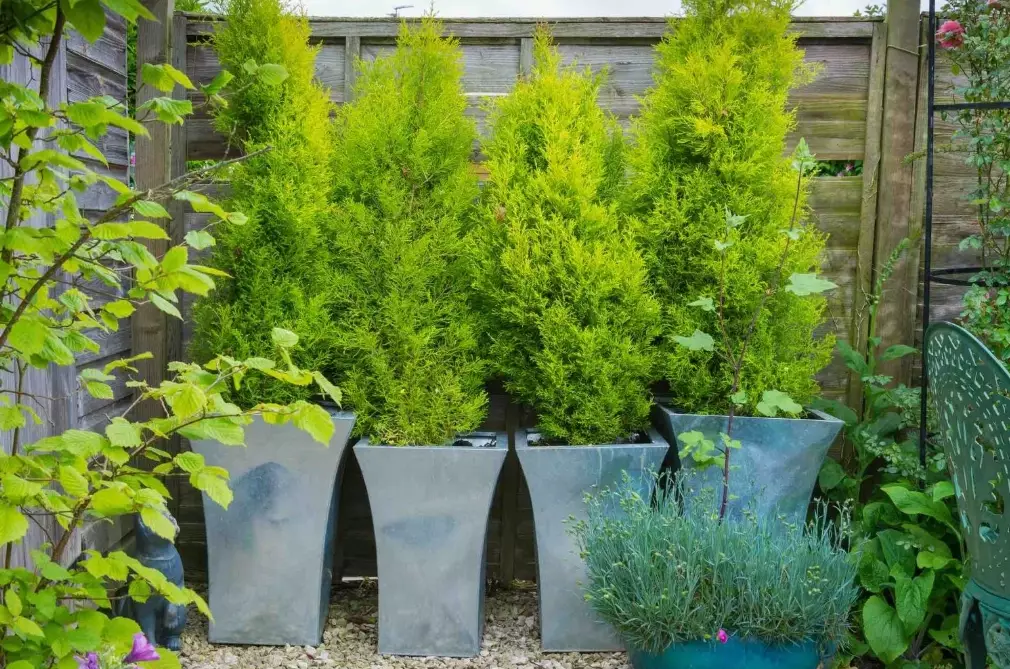
Size: The Goldilocks Principle
Don't plant a small tree in a huge pot. The excess soil holds water the tiny root ball can't absorb, leading to rot. Start with a pot only 2-4 inches wider in diameter than the tree's root ball. You'll repot every 2-4 years, moving up incrementally. The final "forever home" pot for a dwarf tree might be 18-24 inches in diameter and depth.
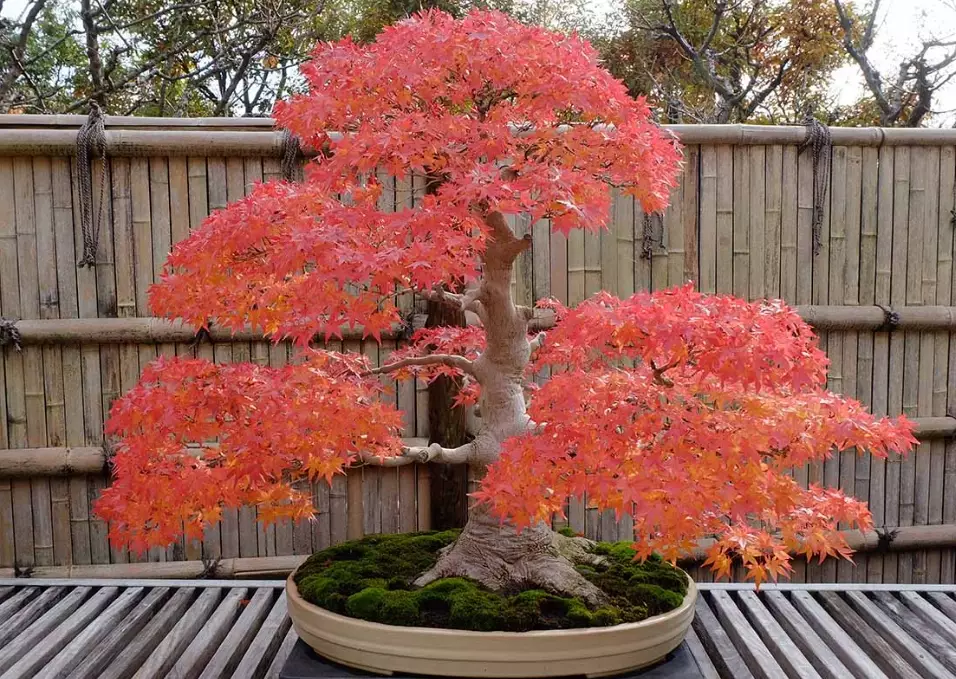
Depth is crucial. Most trees need a pot as deep as it is wide to allow for a stable root anchor. Shallow bonsai pots are a special art form requiring specific techniques—don't start there.
Planting and Long-Term Care Mastery
Okay, you have your dwarf citrus and your sturdy, well-draining pot. Now for the execution.
Soil: Don't Use Garden Soil
This is critical. Garden soil compacts in a pot, becoming dense and airless. You need a high-quality, soilless potting mix designed for containers. Look for one labeled for trees, shrubs, or citrus. It should be loose, fluffy, and drain quickly. I often mix a standard potting mix with about 25% perlite or pumice for extra drainage. For acid-loving trees like citrus or blueberries, I use a mix formulated for them or add peat moss.
The Planting Process
- Place a piece of broken pot or a coffee filter over the drainage holes to keep soil in.
- Add a 2-inch layer of coarse gravel or lava rock at the bottom for a drainage reservoir (controversial but I find it helps).
- Partially fill the pot with your mix. Set the tree's root ball so the top sits about an inch below the pot's rim.
- Fill around the roots, firming gently. Water thoroughly until it runs out the bottom. This settles the soil.
- Top up soil if needed, leaving that inch for watering.
The Ongoing Regimen: Water, Food, and Pruning
Watering: This is the daily dance. The goal is consistent moisture, not soggy, not bone-dry. In summer, you might water daily. In winter, maybe once a month. Stick your finger 2 inches into the soil. If it's dry, water deeply until it flows out the bottom. A layer of mulch (bark chips, pebbles) on top reduces evaporation.
Fertilizing: Potted trees can't forage. They need regular feeding. Use a balanced, slow-release fertilizer formulated for trees (like an 8-8-8 or similar) in spring. For fruit trees, a fertilizer higher in potassium (the third number) during flowering and fruiting can help. Liquid feeds every few weeks during the growing season work well. Always follow label rates—over-fertilizing burns roots.
Pruning: You have two goals: shape and health. Remove dead, diseased, or crossing branches. For fruit trees, learn basic open-center or central-leader pruning to encourage light and air. For ornamentals, prune after flowering if needed. Container trees often need less structural pruning but more frequent tip-pruning to maintain size.
Winter Care (Temperate Climates): This is the big killer. The roots are above ground and exposed. For trees that are borderline hardy, group pots together against a sheltered wall, wrap the pot in bubble wrap or burlap, and mulch heavily on top of the soil. For very cold areas, an unheated garage is ideal. Remember to water lightly if the soil dries out.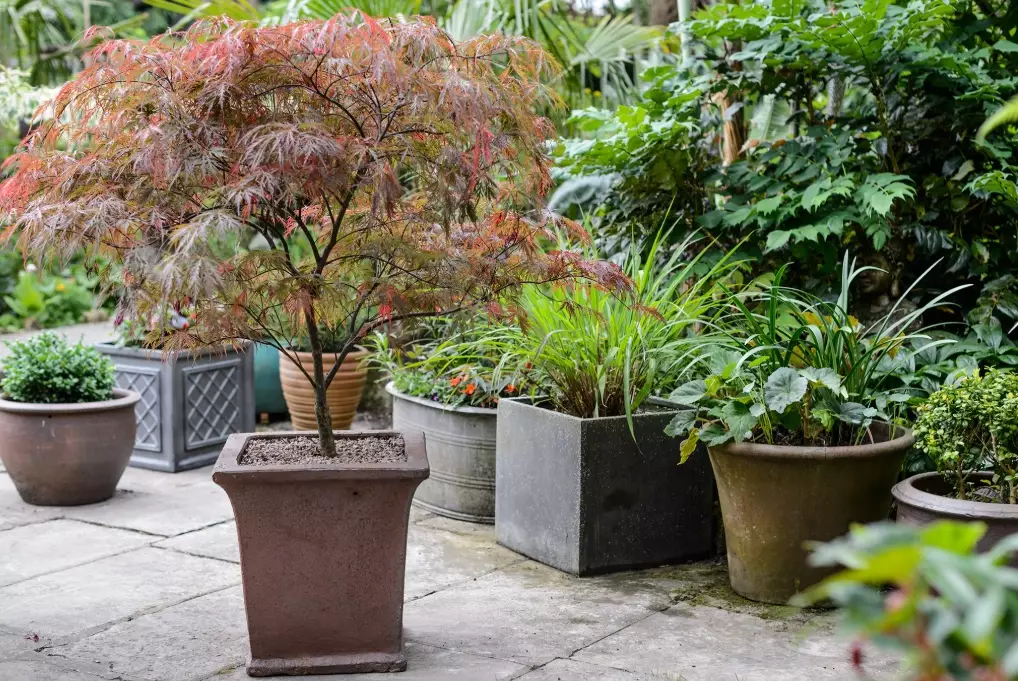
Your Potted Tree Questions, Answered
 Growing a tree in a pot is a fantastic way to bring scale, beauty, and even food production to the smallest spaces. It requires more attention than an in-ground tree, but the control and intimacy it offers are unique. Start with the right plant in the right pot, master the watering can and the fertilizer, and you'll have a thriving miniature giant for years to come.
Reader Comments