I remember the first time I saw a mature espaliered apple tree. It wasn't in a grand European orchard, but in a friend's tiny suburban backyard, maybe 10 feet wide. The tree was flat against a fence, covered in perfect, sun-ripened fruit. It looked like a piece of living art, but the real magic was how much it produced in such a cramped space. That's the promise of espalier: maximum yield with a minimal footprint. Forget the idea that you need an acre to grow fruit. With the right approach, you can train trees to fit a balcony wall, a narrow side yard, or even a sunny patch beside your driveway. This guide cuts through the romanticized versions you see online and gets into the dirt—literally—of how to make it work, year after year.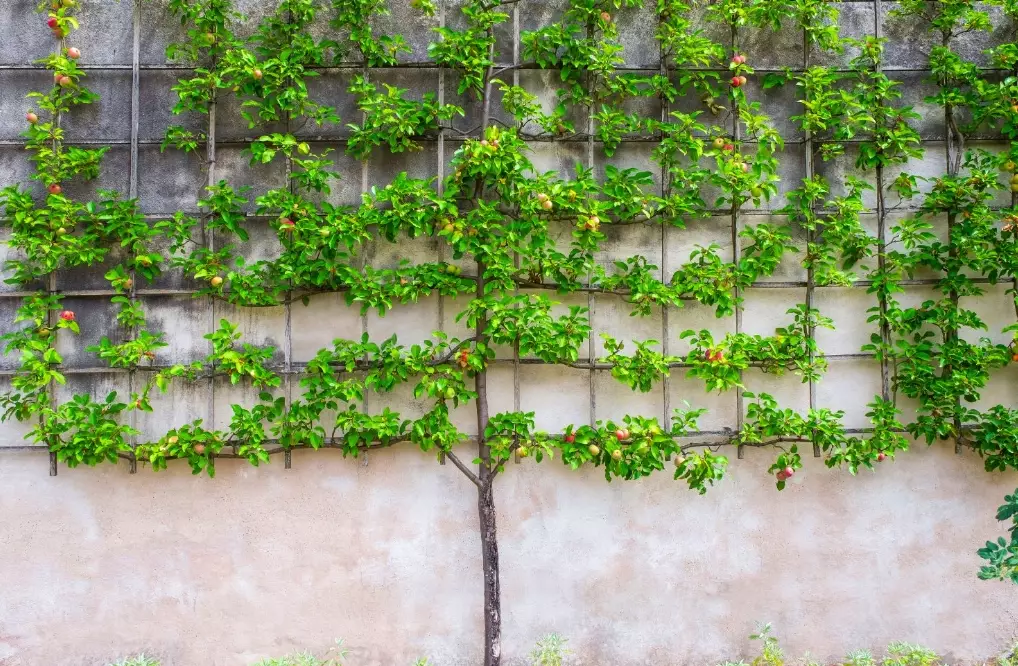
What You'll Learn in This Guide
What Are Espalier Fruit Trees, Really?
At its core, espalier is a horticultural technique where you train a tree to grow flat against a support structure. You're essentially convincing a three-dimensional plant to live in two dimensions. It's not a specific type of tree, but a method applied to suitable ones. The shapes range from simple horizontal tiers (cordon) to more elaborate fans or candelabras (palmette).
The history is practical, not decorative. It started in ancient Rome and was perfected in the walled gardens of medieval Europe. Those stone walls absorbed heat during the day and released it at night, creating a microclimate that allowed gardeners to grow fruit like peaches and pears in cooler regions. Today, we use it for space efficiency and ease of care.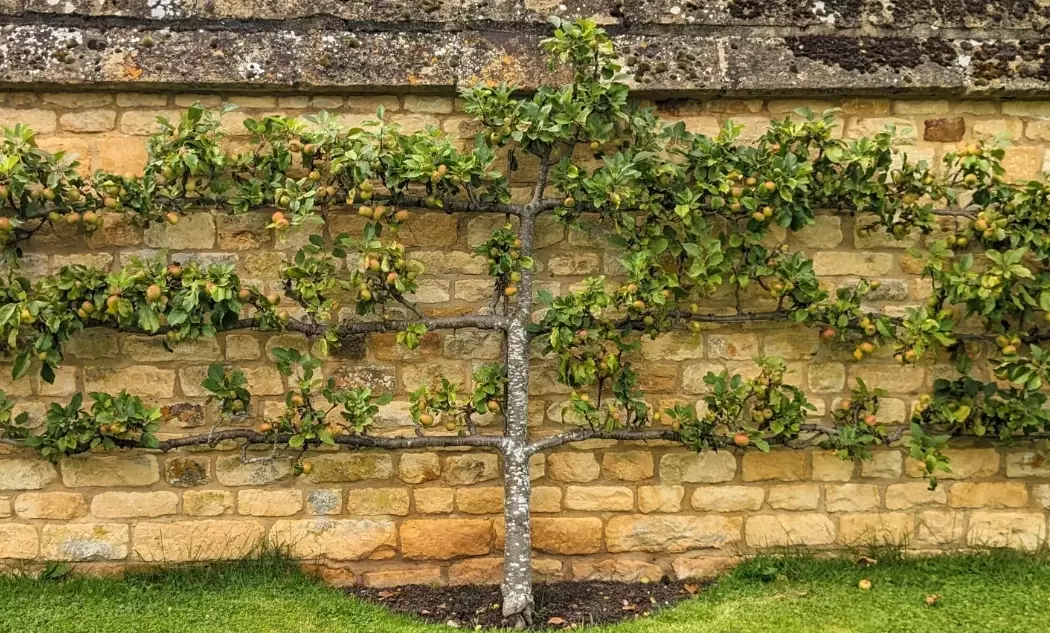
Why Bother? The Real Benefits (And One Drawback)
Let's be honest, it's more work upfront than plopping a tree in a hole. So why do it?
Space Genius: This is the big one. You can grow a fruit tree in a strip of land only 18 inches wide. For urban gardeners, renters with patios, or anyone with a narrow sunny wall, it's a game-changer.
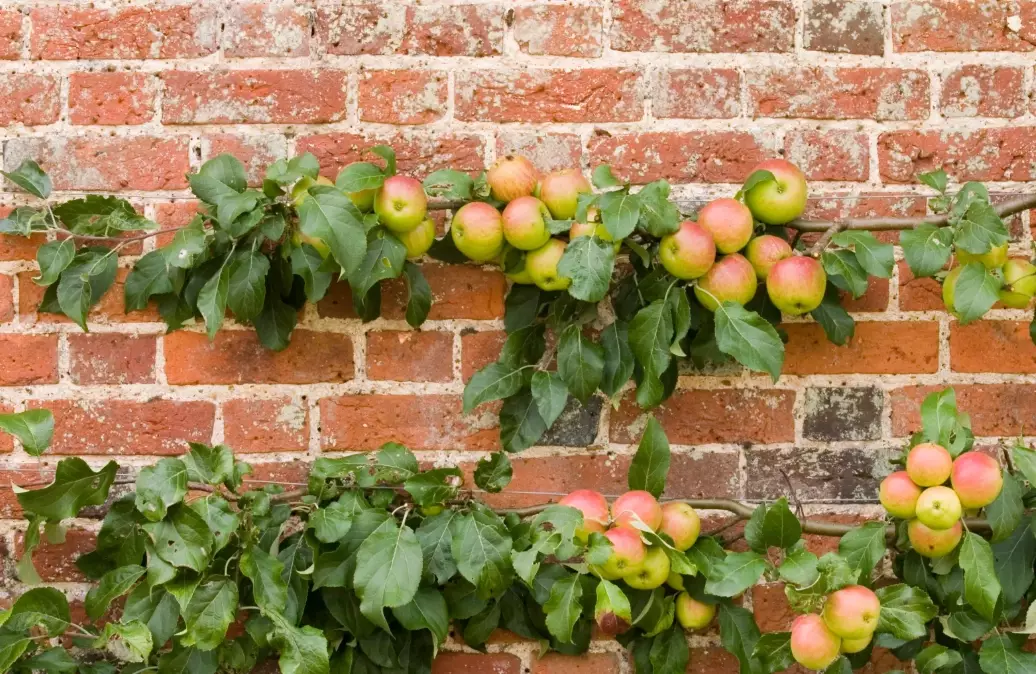
Better Fruit, Easier Harvest: The open, two-dimensional structure lets sunlight and air penetrate every part of the tree. This means better color, sweeter fruit, and fewer fungal diseases. And you'll never need a ladder. All pruning, spraying, and picking happens at arm's length.
Microclimate Control: Training a tree against a south-facing wall can give you a zone or two of extra warmth. I've seen figs and peaches thrive in espalier form in places they'd normally struggle.
The Drawback Everyone Ignores: It requires commitment. For the first 3-4 years, you're an active participant in shaping the tree's skeleton. Miss a few critical pruning sessions, and you'll have a mess of vigorous vertical shoots to deal with. It's not a "plant and forget" project.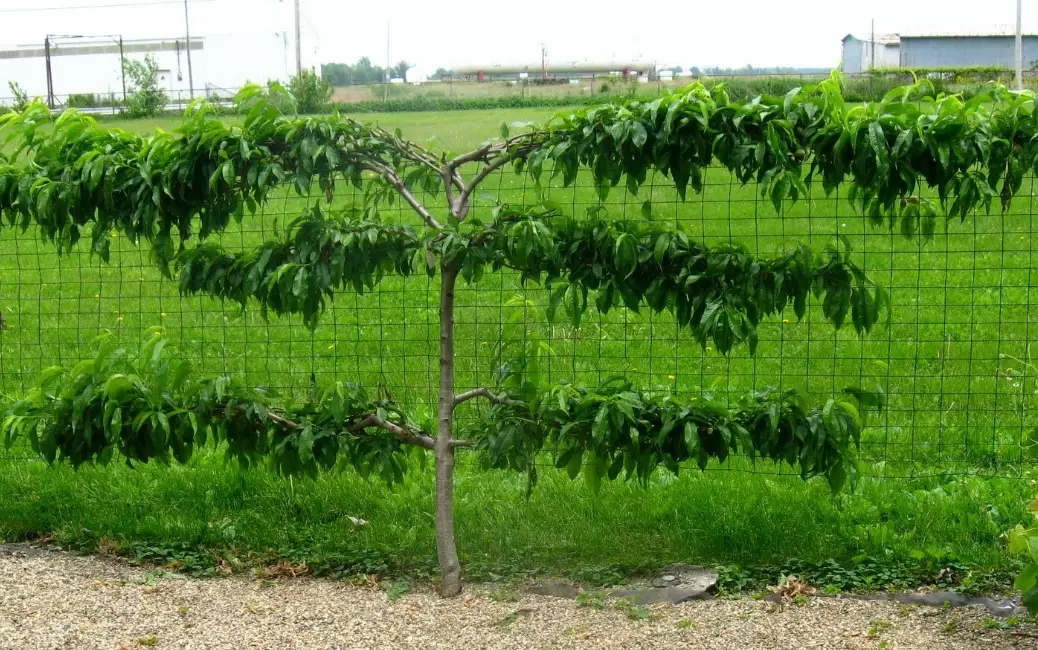
Choosing the Right Tree: It's Not Just About Apples
Your success starts with the right plant. You need trees that tolerate heavy pruning and produce fruit on spurs or short branches. Dwarf or semi-dwarf rootstocks are non-negotiable for most gardeners—they keep the tree at a manageable size.
Here’s a breakdown of the top contenders, based on ease of training and reliability.
| Tree Type | Best Varieties for Espalier | Why It Works | Training Ease (1-5) |
|---|---|---|---|
| Apple | ‘Gala’, ‘Fuji’, ‘Liberty’ (disease-resistant), ‘Braeburn’ | Spur-bearing, responds predictably to pruning. The classic choice for a reason. | 5 |
| Pear | ‘Bartlett’, ‘D’Anjou’, ‘Comice’, ‘Seckel’ | Natural vertical growth habit makes it ideal for formal shapes. Very forgiving. | 5 |
| Fig | ‘Brown Turkey’, ‘Chicago Hardy’, ‘Celeste’ | Fast-growing, flexible branches. Great for fan shapes against warm walls. | 4 |
| Peach / Nectarine | ‘Redhaven’, ‘Elberta’, ‘Arctic Star’ nectarine | Fruit on one-year-old wood, so pruning is different but manageable. Fan shape is best. | |
| Plum | European types like ‘Stanley’, ‘Italian Prune’ | Spur-bearing and less vigorous than apples. Good for smaller spaces. | 4 |
| Cherry (Sour) | ‘Montmorency’, ‘Morello’ | More adaptable to training than sweet cherries. Fan shape recommended. | 3 |
Avoid trees that are strongly tip-bearing (like some old apple varieties) or excessively vigorous (like some plums on their own rootstock). Citrus can be espaliered in warm climates, but it's a specialist project.
How to Espalier a Fruit Tree: A Step-by-Step Guide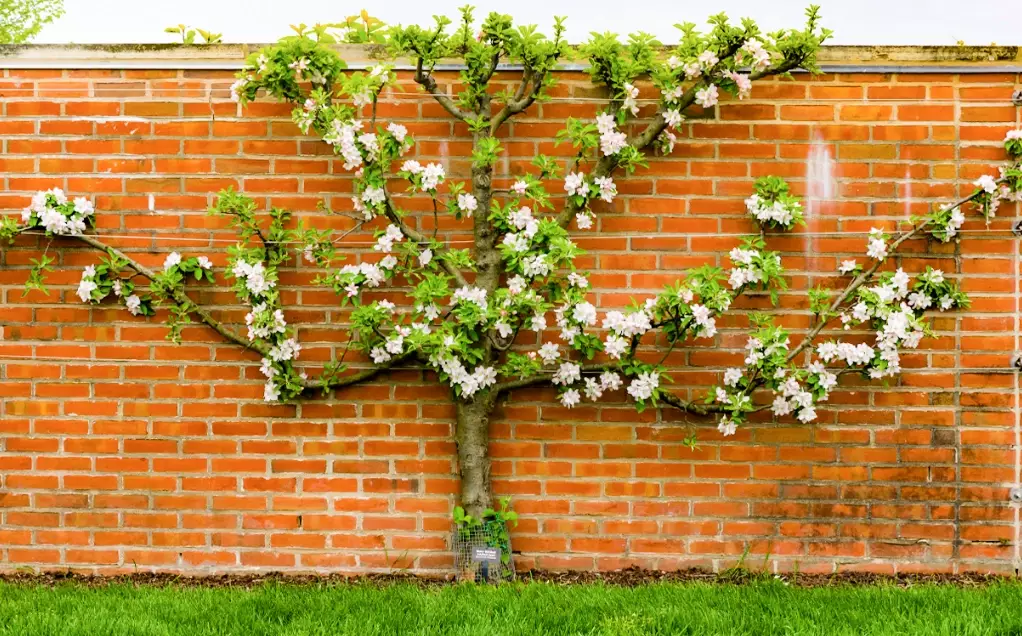
Let's walk through creating a simple horizontal cordon, the best shape for beginners. Imagine you're training it against a fence in a 15-foot run.
Year 1: Planting and the First Cut
Plant your bare-root or potted tree in late winter or early spring. Position it 6-8 inches away from your support structure—a sturdy fence with horizontal wires, or a trellis you've built. The first wire should be about 18 inches off the ground.
Here's the scary part: right after planting, cut the main trunk back to just above the first wire, leaving two or three strong buds below the cut. This forces growth into the side branches you'll train as your first tier. It feels brutal, but it's essential.
Year 1 (Growing Season): Training the First Tier
As new shoots grow, select the two strongest that emerge near the wire, one left, one right. Gently tie them to bamboo canes attached to the wire at a 45-degree angle. Don't tie them flat yet. Let them grow at this angle to encourage vigor along the entire branch.
Remove any other vertical shoots completely. The goal is all energy into those two primary arms.
Winter 1-2: Pruning for Structure
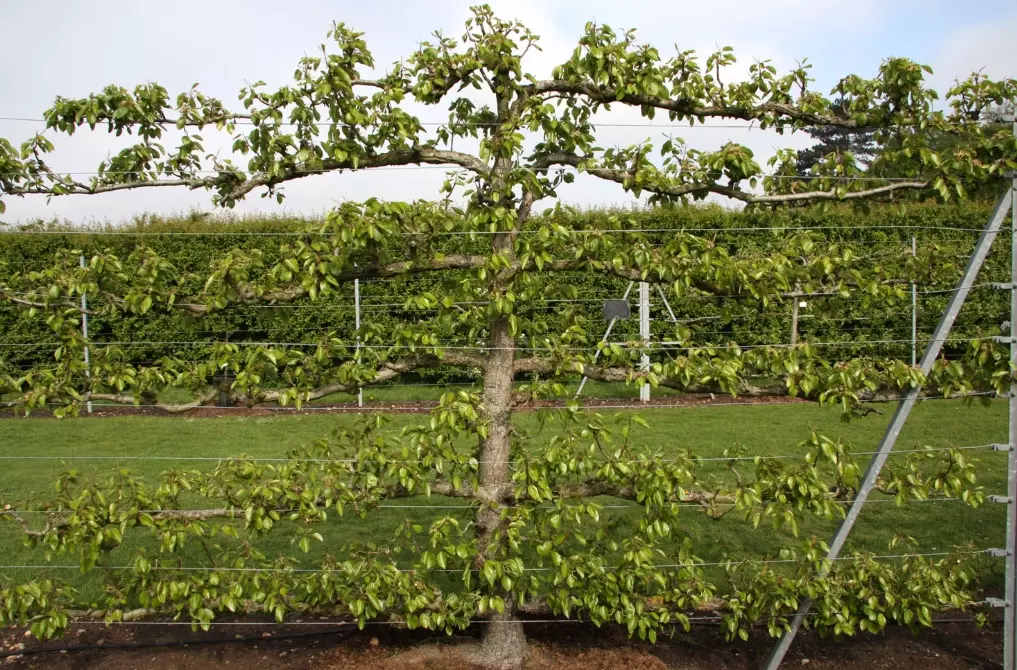
In dormancy, lower the bamboo canes so the two arms are horizontal along the wire. Now, shorten each arm by about one-third, cutting to an outward-facing bud. This encourages branching and thickening.
Above the first tier, select a strong vertical shoot to become the new central leader. Tie it upright. This will form your next tier.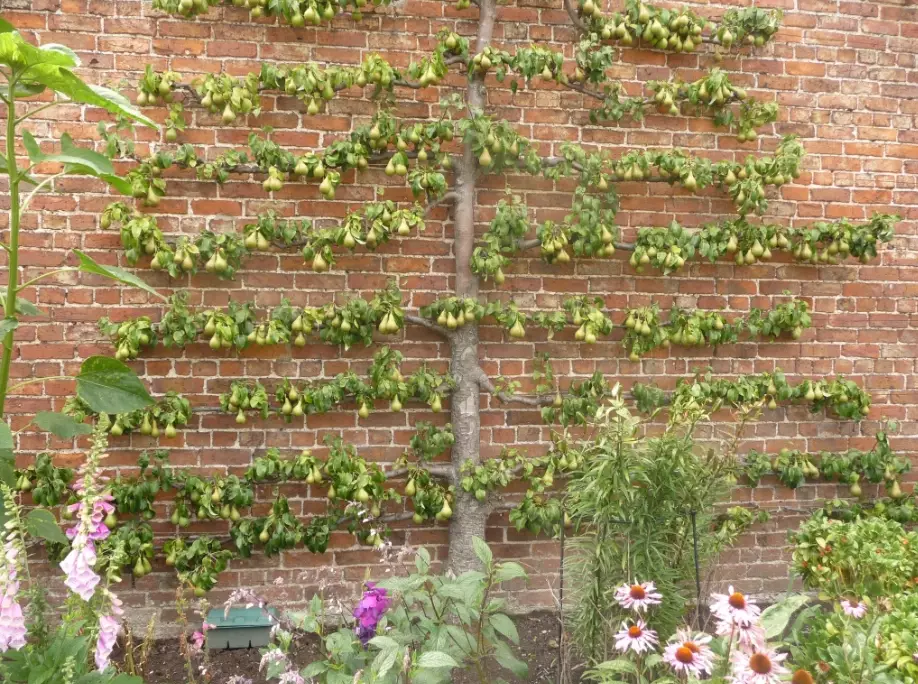
Years 2-4: Repeating the Process
Each year, you repeat the cycle. Train a new pair of horizontal arms from the central leader at your next wire height (usually 12-16 inches above the previous tier). Summer pruning becomes key: in late July or August, cut back any new side shoots growing from your horizontal arms to 3-4 leaves. This directs energy into fruit bud formation, not leafy growth.
After 3-4 years, you'll have a tree with 3 or 4 tidy, productive tiers. The initial hard work shifts to simple maintenance pruning.
Solving Common Espalier Problems Before They Start
Things will go off-script. Here's how to handle them.
Water Shoots (Suckers): Vigorous vertical shoots erupting from the trunk or horizontal arms. They're energy thieves. Pinch them off when they're soft and green in summer. If you let them harden, you'll need pruners.
Uneven Growth: One arm grows faster. To slow it down, train it more horizontally or even slightly downward. To encourage a weaker arm, train it at a steeper angle, almost vertical, for a season.
Fruit Set Issues: Remember, you've severely pruned the tree. In the first few years, it might put energy into wood, not fruit. That's normal. Ensure pollination—plant pollinator-friendly flowers nearby or consider a second compatible variety. Research from the University of California's Integrated Pest Management program emphasizes the role of pollinators in all fruit production systems.
The Support Fails: A mature espalier under a heavy fruit load has significant wind resistance. Your wires and anchors must be heavy-duty. I use 12-gauge galvanized wire anchored to 4x4 posts set in concrete. A flimsy trellis will collapse in a storm.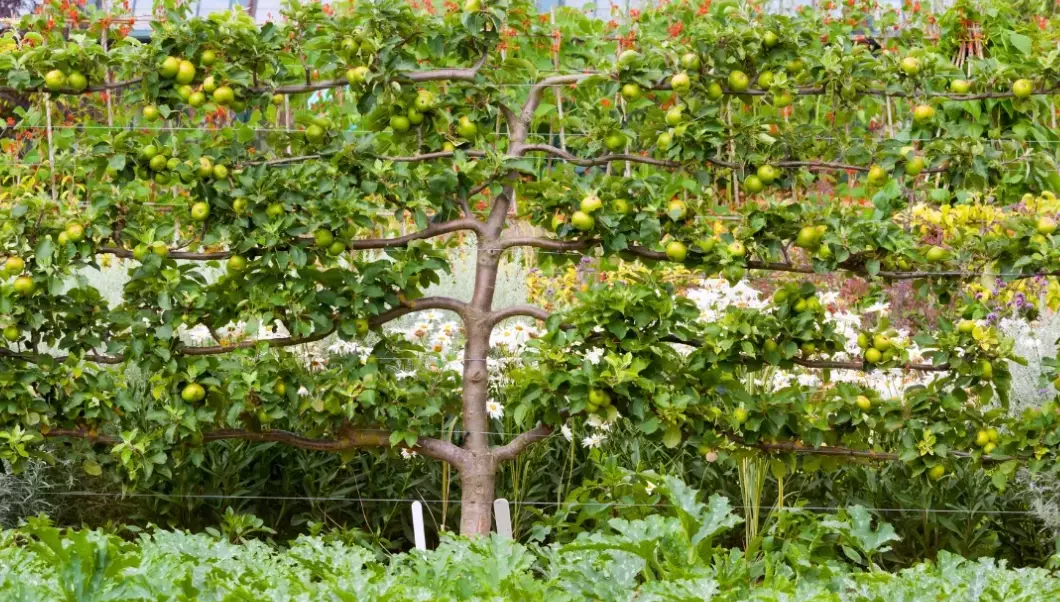
Your Espalier Questions Answered
Reader Comments