Let's be honest. You probably bought a euphorbia because it looked cool—maybe a weird, architectural Pencil Cactus or a cheerful Crown of Thorns with its papery flowers. Then you got it home, and the questions started. Why is it dropping leaves? Is that white sap dangerous? Why does it look sad when you've been so careful? I've been collecting and growing euphorbias for over a decade, and I've killed my share. The biggest mistake isn't overwatering; it's treating all 2,000+ species the same. This guide cuts through the noise.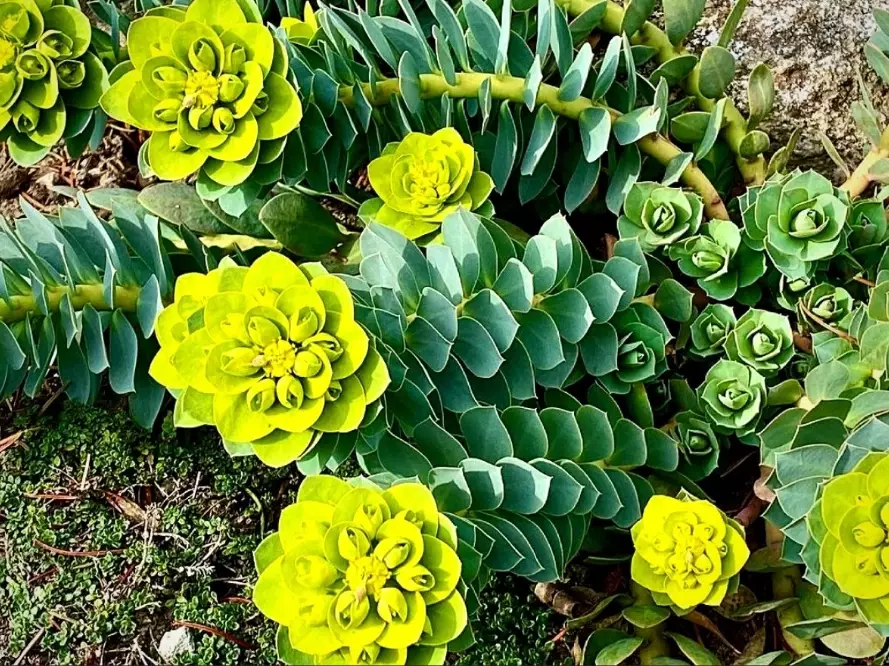
What You'll Learn in This Guide
The Non-Negotiable First Step: Handling Toxic Sap
Before we talk about light or water, we need to talk about the milky latex sap. This isn't a mild irritant. For many euphorbias, it's a serious defensive chemical. I learned this the hard way years ago pruning a Euphorbia trigona without gloves. A tiny splash on my forearm led to a burning rash that lasted days. It's no joke.
Your safety kit is simple: disposable gloves and safety glasses for any pruning or repotting. Keep plants away from pets and children who might chew on them. If you get sap on your skin, wash immediately with soap and cool water (warm water can open pores and make it worse). If it gets in your eyes, rinse for 15 minutes and seek medical attention. This isn't fearmongering; it's basic respect for the plant's biology.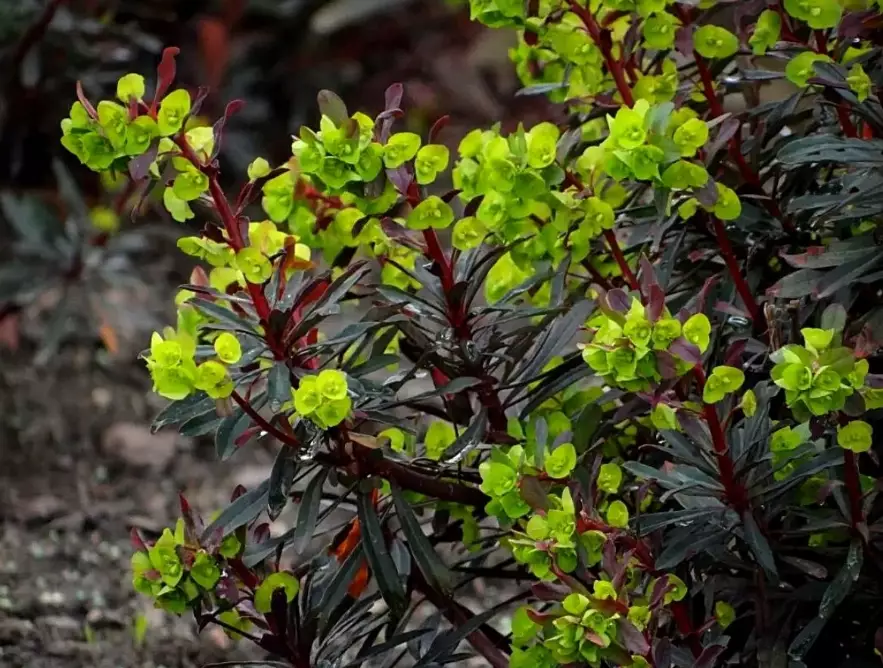
The 5 Core Care Rules for Most Euphorbias
Forget the "water once a week" advice. It's useless here. Euphorbias range from desert dwellers to Madagascar spiny forests. But most common houseplant varieties share these five needs.
1. Light: They're Sun Worshippers (Mostly)
Bright, direct light for at least 4-6 hours. A south or west-facing window is ideal. Leggy, stretched growth with large gaps between leaves means it's desperate for more sun. The Crown of Thorns (Euphorbia milii) will flat-out refuse to bloom without enough direct light.
2. Watering: The "Soak and Desert" Method
This is where most people fail. You must let the soil dry out completely between waterings. I mean bone-dry. Stick your finger deep into the pot. For larger pots, use a wooden chopstick—if it comes out clean, it's time. Then, water thoroughly until it runs out the drainage hole. Then, forget about it for weeks. In winter, watering might be once a month or less.
3. Soil and Pots: Drainage is Everything
A standard potting mix is a death sentence. It holds too much moisture. You need a gritty, fast-draining mix. My go-to recipe is 50% succulent & cactus mix (like from a reputable source) mixed with 50% perlite or pumice. Terracotta pots are your best friend—they wick away moisture.
4. Temperature and Humidity
They like it warm, between 65°F and 85°F (18°C - 29°C). They hate drafts and cold windowsills. Humidity isn't a big concern; average home humidity is fine. Don't mist them.
5. Fertilizing: Less is More
Feed only during the active growing season (spring and summer) with a balanced, half-strength liquid fertilizer once a month. Or use a slow-release pellet formulated for cacti at the start of the season. Over-fertilizing leads to weak, soft growth.
Care Breakdown for 5 Popular Euphorbia Varieties
Here's where we get specific. Treating a desert cactus-like euphorbia the same as a leafy one is the main reason for failure.
| Variety (Common Name) | Key Identification | Light Needs | Watering Cadence (Summer) | Special Notes |
|---|---|---|---|---|
| Euphorbia tirucalli (Pencil Cactus, Fire Sticks) | Slender, pencil-like green or red-tipped stems. | Maximum direct sun. | Every 3-4 weeks. | Extremely toxic sap. Turns vibrant red/orange in full sun. Grows fast. |
| Euphorbia milii (Crown of Thorns) | Thorny stems, green leaves, small red/pink/white flowers. | Direct sun for blooms. | Every 2-3 weeks. | Will drop leaves if stressed (under/overwatered, cold draft). Blooms year-round with enough light. |
| Euphorbia trigona (African Milk Tree) | Tall, triangular stems with small leaves along ridges. | Bright light, some direct. | Every 3-4 weeks. | Often confused with a cactus. Leaves may drop in winter (normal). Can become top-heavy. |
| Euphorbia obesa (Baseball Plant) | Round, gray-green, ribbed ball shape. | Bright, indirect to direct. | Every 4-5 weeks. Be very cautious. | Susceptible to rot. Needs even less water than others. A collector's favorite. |
| Euphorbia pulcherrima (Poinsettia) | Broad green leaves, red (or other color) bracts. | Bright, indirect light. | Keep slightly moist, not soggy. | The holiday exception! Hates drafts. To re-bloom, needs strict long-night/short-day cycles. |
Propagation: The One Mistake That Ruins Cuttings
You can propagate most euphorbias from stem cuttings. The process is simple, but there's a critical step almost every online guide glosses over.
- With gloves on, cut a healthy stem section.
- Here's the key: Place the cutting on a paper towel in a shaded, well-ventilated area. You must let the cut end callous over completely. This can take 3 to 7 days. If you plant it while the sap is still wet, it will almost certainly rot.
- Once a dry callus forms, plant the cutting in your gritty mix. Don't water it.
- Wait another week, then give it a very slight water. Only water normally once you see new growth, indicating roots have formed.
Patience here prevents mush.
Quick Troubleshooting: Why Your Plant Looks Like That
| Symptom | Most Likely Cause | Immediate Action |
|---|---|---|
| Yellowing, mushy stems/leaves | Overwatering / Root Rot | Stop watering. Check roots. Cut away rot, repot in dry mix. May not recover. |
| Wrinkled, shriveled stems | Severe Underwatering | Give a thorough soak. Plant should plump up in a few days. |
| Leggy, stretched growth | Insufficient Light | Move to a much brighter location. Consider a grow light. |
| Leaves dropping suddenly | Sudden change (draft, temperature, watering) | Identify and remove the stressor. Ensure consistent care. |
| Brown, crispy spots on leaves | Sunburn (usually after moving too quickly to direct sun) | Move to bright indirect light, acclimate slowly to direct sun over 2 weeks. |
| No flowers on Crown of Thorns | Not enough direct light or over-fertilizing | Increase light exposure dramatically. Reduce fertilizer. |
Answers to the Questions You're Actually Searching For
I got euphorbia sap on my skin and it's burning. What should I do right now?
My Pencil Cactus is getting too tall and leaning. Can I cut the top off?
Are there any non-toxic euphorbia varieties safe for homes with pets?
Why did my perfectly healthy-looking euphorbia suddenly collapse at the base?
Can I plant my potted euphorbia in the garden for the summer?
Reader Comments