Planting an apple tree feels like a promise to the future. You're not just putting a tree in the ground; you're starting a relationship that will give you flowers, shade, and eventually, fruit for years. But that promise can fizzle out fast if you don't get the basics right from day one. I've seen too many hopeful gardeners end up with a spindly, non-fruiting tree because they missed a couple of critical steps early on. This guide is everything I wish I knew before I planted my first orchard two decades ago. We'll skip the fluff and get straight to the actionable steps that separate a thriving, productive tree from a disappointing one.
What’s Inside This Guide
Choosing the Right Apple Tree for Your Space
This is where most mistakes happen. You fall in love with a picture of a 'Honeycrisp' apple and buy it, only to realize it needs another specific tree to pollinate it, and it grows 25 feet tall. Your space and climate dictate your choice, not just your taste buds.
Understanding Rootstock and Tree Size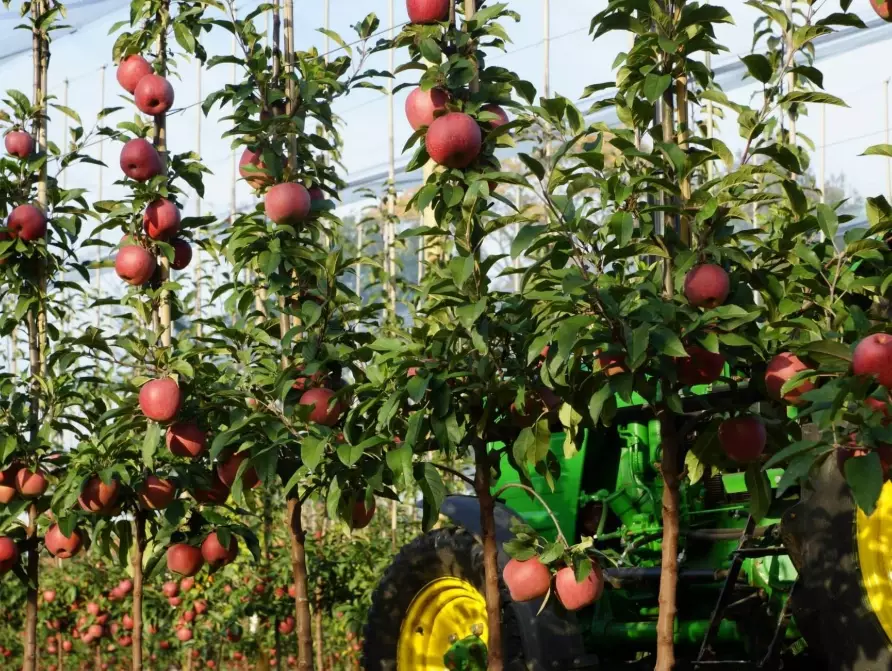
You're not just buying an apple variety (the scion), you're buying the rootstock it's grafted onto. This little detail controls the tree's ultimate size. Forget the standard giant trees of old orchards. For home gardeners, dwarf (M.9 or M.26 rootstock) or semi-dwarf (M.7 or MM.106 rootstock) trees are the way to go. A dwarf tree stays under 10 feet, perfect for small yards and even large containers. It'll bear fruit in just 2-3 years. A semi-dwarf reaches 12-15 feet and is a bit more robust. I lean towards dwarf trees for most people because they're easier to prune, spray, and harvest without a ladder.
Picking Varieties for Flavor and Climate
You need to match the tree to your USDA Plant Hardiness Zone. A 'Granny Smith' needs a long, hot season, while a 'McIntosh' thrives in cooler climates. More importantly, most apple trees need a pollination partner—a different variety blooming at the same time—to set fruit. Nurseries often sell trees in groups for this reason.
Here’s a quick comparison of some popular varieties to get you thinking:
| Variety | Best Flavor For | Typical Harvest Time | Good Pollinator Partners | Notes |
|---|---|---|---|---|
| Honeycrisp | Fresh eating, incredible crunch | Late Season (Sept-Oct) | Gala, Fuji, McIntosh | Needs excellent drainage, can be fussy. |
| Gala | Fresh eating, sweet and mild | Mid Season (Late Aug-Sept) | Fuji, Granny Smith, Honeycrisp | Reliable producer, great for beginners. |
| Fuji | Fresh eating, super sweet, stores well | Late Season (Oct) | Gala, Granny Smith, Red Delicious | Needs a long growing season. |
| Granny Smith | Baking & pies, tart and firm | Very Late Season (Oct-Nov) | Gala, Fuji, Pink Lady | Heat-loving, needs 200+ frost-free days. |
| Liberty | All-purpose, tart-sweet | Mid Season (Sept) | Most other varieties | Disease-resistant (scab, mildew). A top low-spray choice. |
My personal recommendation for a first-time planter? Start with a disease-resistant variety like Liberty or Freedom. You'll spend less time battling fungus and more time enjoying the tree.
The Step-by-Step Planting Process
Planting day is critical. Do it right, and the tree establishes quickly. Do it wrong, and it struggles for years. The biggest error I see is planting too deep. The graft union (that knobby bump near the base) must stay 2-4 inches above the soil line.
When to plant: Dormant bare-root trees in early spring is ideal. Potted trees can go in spring or early fall.
Location: Full sun. Non-negotiable. At least 6-8 hours of direct light. Good air circulation helps prevent disease. Avoid frost pockets (low areas where cold air settles).
Here’s your action plan:
- Dig a wide, shallow hole. Make it three times the width of the root ball, but only as deep as the roots. Roughen the sides of the hole so roots can penetrate.
- Don’t amend the backfill soil. This is a classic well-meaning mistake. If you create a soft, rich pocket, the roots will circle inside it instead of venturing out into the native soil. Just use the dirt you dug out.
- Position the tree. Set it so the graft union is well above grade. Spread the roots out over a small mound of soil in the hole.
- Backfill and water. Fill halfway, water thoroughly to settle soil and remove air pockets. Finish filling and water again.
- Mulch, but don’t volcano. Apply 2-3 inches of wood chip mulch in a wide circle around the tree. Keep it a few inches away from the trunk itself. This retains moisture and suppresses weeds.
- Stake if needed. A dwarf tree in a windy spot might need a temporary stake for the first year. Don’t strap it tightly.
Essential Year-Round Care and Maintenance
An apple tree isn't a "set it and forget it" plant. A little consistent attention beats a lot of frantic, corrective action later.
Watering and Feeding
The first year is all about water. Deep, infrequent watering encourages deep roots. Give it 5-10 gallons once a week if there's no rain. A soaker hose is perfect. After year two, the tree is more drought-tolerant, but water during dry spells when fruit is developing.
Fertilize in early spring as buds swell. A balanced fertilizer (like a 10-10-10) is fine. The rule of thumb: apply 1 pound of fertilizer per year of the tree's age, up to a max of 10 pounds for a mature standard tree. For dwarfs, half that. Spread it in a wide circle under the drip line (the area under the outermost branches).
Thinning the Fruit
This feels wrong but is absolutely necessary. In early summer, after the "June drop" (when the tree naturally sheds some fruit), you need to manually thin. Aim for one apple every 6-8 inches along a branch. This prevents the tree from exhausting itself producing a hundred tiny, poor-quality apples. It ensures the remaining apples grow larger, sweeter, and helps prevent branches from breaking under the weight.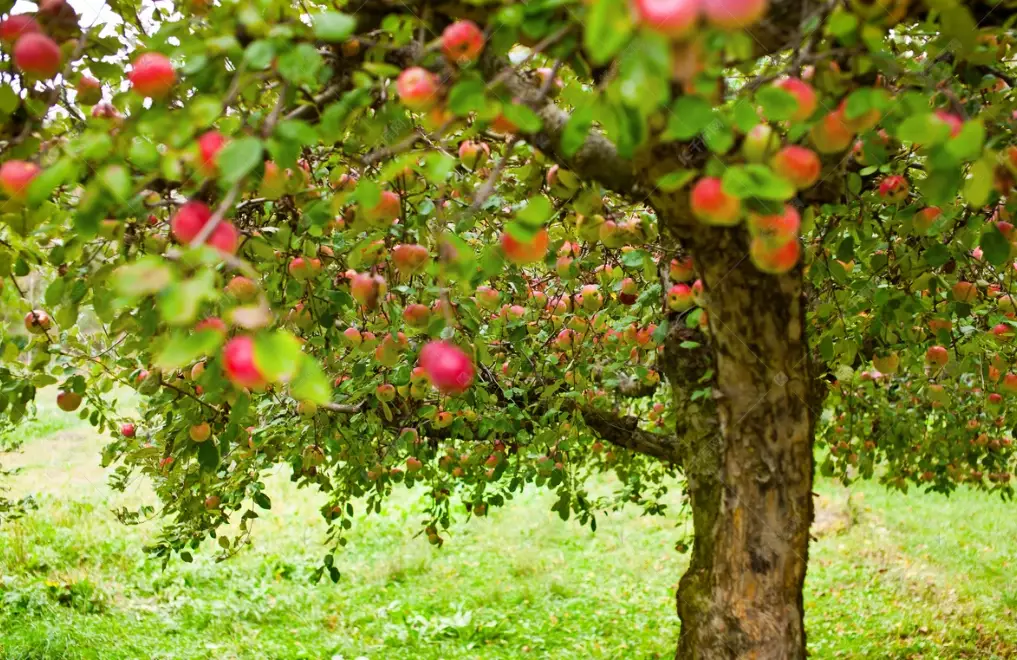
Mastering the Art of Apple Tree Pruning
Pruning is intimidating, but it's just directing the tree's energy. You prune for shape, sunlight penetration, and air flow. The best time is late winter, while the tree is dormant but before spring growth starts. You can see the structure clearly.
The Goals: Create a strong, open structure (like a vase or a central leader). Remove dead, diseased, or damaged wood. Cut out any branches crossing or rubbing. Eliminate water sprouts (fast-growing vertical shoots) and suckers from the base.
My non-consensus tip? Don't be afraid to make a few big cuts. New gardeners timidly snip off twigs, leaving the congested interior. Sometimes, removing one entire large, inward-growing branch opens up the canopy more than ten small cuts. Always cut back to a lateral branch or to the "collar" where a branch meets the trunk—don't leave stubs.
Dealing with Pests and Diseases Organically
You will have visitors. The key is prevention and early intervention.
Major Diseases: Apple Scab: Fungus causing olive-brown spots on leaves and fruit. Prevent by raking up fallen leaves and choosing resistant varieties. Powdery Mildew: White coating on leaves. Good air circulation through pruning helps immensely. Fire Blight: Bacterial disease that makes branches look scorched. Prune out infected wood 12 inches below damage, disinfecting shears between cuts.
Common Pests: Codling Moth: The worm in the apple. Use pheromone traps in spring and bagging individual young fruit. Aphids: Blast them off with a strong jet of water or use insecticidal soap. Apple Maggot: Red sticky sphere traps can catch the flies before they lay eggs.
My go-to organic spray program for a clean, low-spray tree: Dormant oil in late winter to smother overwintering eggs. A weekly spray of neem oil mixed with a little pure soap during the growing season acts as both a fungicide and insect repellent. It's not 100% perfect, but it keeps problems manageable for a backyard tree.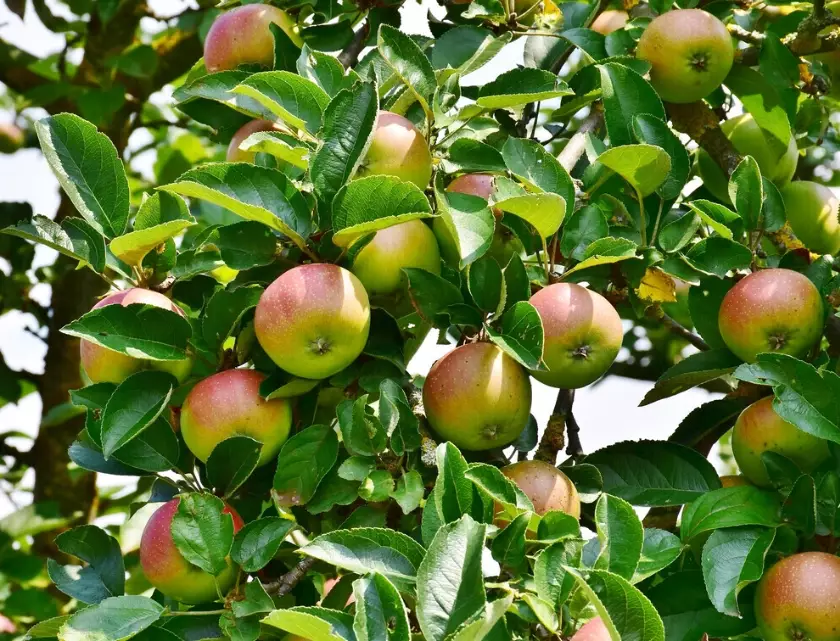
Knowing When and How to Harvest & Store
Harvest time depends on your variety. Color is a clue, but the real test is the tilt-and-twist. Cup an apple in your hand, tilt it horizontally, and give it a gentle twist. If it comes off the spur easily with the stem intact, it's ready. If you have to yank, wait a week.
Store apples in a cool, humid place (like a cellar or a spare fridge). Don't store them with potatoes or onions, as the apples will pick up their flavors. Check stored apples regularly and remove any that start to rot.
Your Apple Tree Questions Answered
 Is it too late to prune if I see buds starting to swell in spring?
Reader Comments