You know that tricky corner of your yard, the one under the big maple tree where grass refuses to grow and most flowers just sulk? That's prime real estate for an inside out flower. Forget everything you think you know about finicky shade plants. This isn't another hosta or astilbe. The inside out flower (Vancouveria hexandra, if we're being formal) is a delicate-looking but surprisingly tough perennial that brings a cloud of whimsical, inverted blooms to the darkest spots. Most guides tell you it's "easy." I'm here to tell you the specifics that make the difference between a plant that survives and one that thrives, spreading into a gorgeous ground cover that becomes the envy of your gardening friends.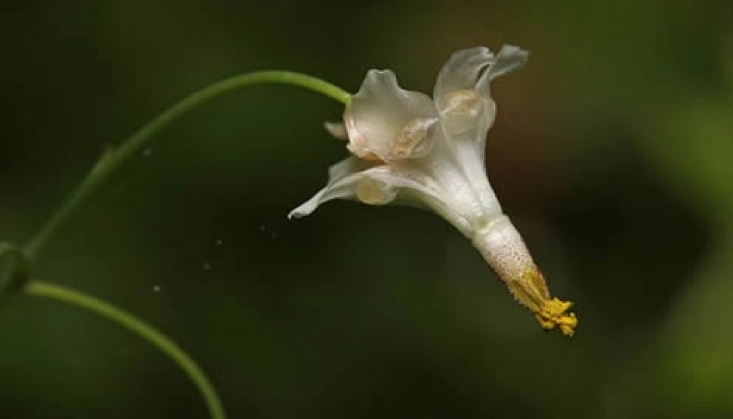
What You'll Learn
What Exactly Is an Inside Out Flower?
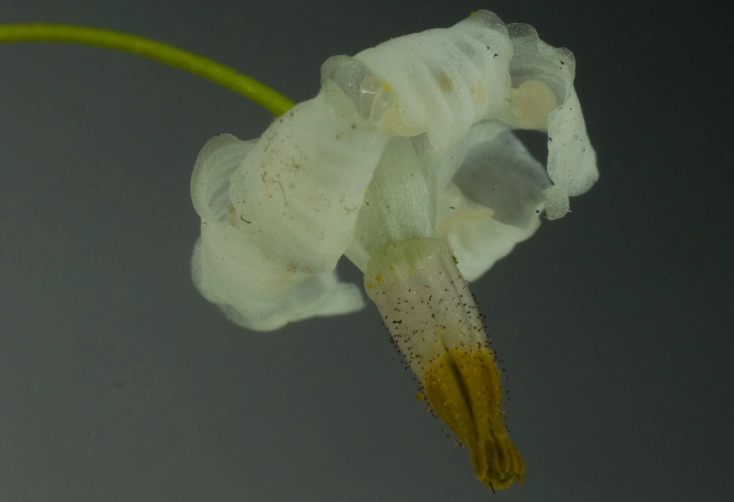
Let's clear up the name first. "Inside out flower" most commonly refers to Vancouveria hexandra, a North American native woodland plant. The name comes from its unique blossoms: small, white, star-like flowers where the petals reflex backwards, seeming to turn themselves inside out. They dangle on thin stems above a mound of attractive, trifoliate leaves that resemble a maidenhair fern. It's a spring ephemeral, meaning it blooms in late spring, shines for a few weeks, and then its foliage often persists attractively through summer if conditions are right.
There's a bit of confusion out there. Sometimes the name is also used for related species like Vancouveria chrysantha (yellow flowers) or even for the trout lily (Erythronium), whose petals also curve back. But for 90% of gardeners searching, they mean V. hexandra. It's a plant of the Pacific Northwest understory but adapts well to similar conditions elsewhere.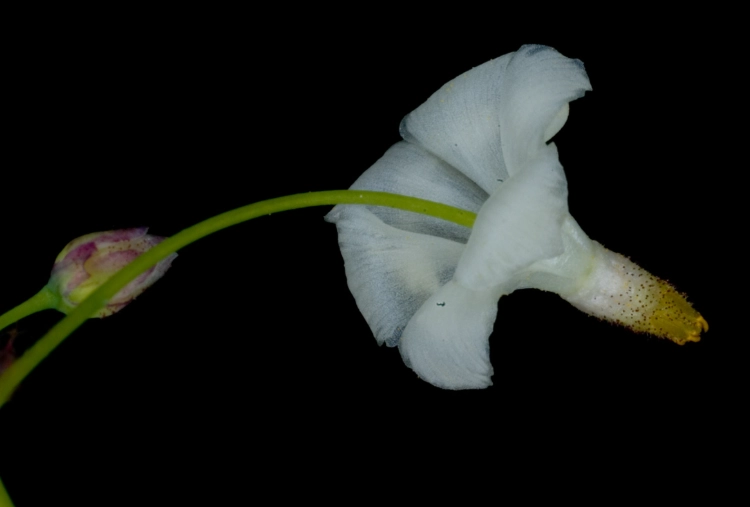
Key Takeaway: Think of it as a ground-covering, shade-loving perennial with inverted white flowers in spring. It's not a bulb, but a spreading rhizomatous plant. Its charm is in its airy texture and ability to flourish where little else will.
How to Plant Inside Out Flowers: A Step-by-Step Guide
Getting this part wrong is the number one reason people fail with inside out flowers. It's not about fancy techniques; it's about mimicking its natural home.
Location and Soil: Non-Negotiables
Light: Dappled shade to full shade. Morning sun is okay, but hot afternoon sun will scorch the leaves and stress the plant. Under deciduous trees is perfect.
Soil: This is critical. It must be well-draining yet moisture-retentive. Sounds contradictory? Think forest floor: rich, fluffy, full of decaying leaves (humus). Heavy clay is a death sentence unless you amend it heavily. I mix in a huge amount of compost and shredded leaf mold. A slightly acidic to neutral pH (6.0-7.0) is ideal.
The Planting Process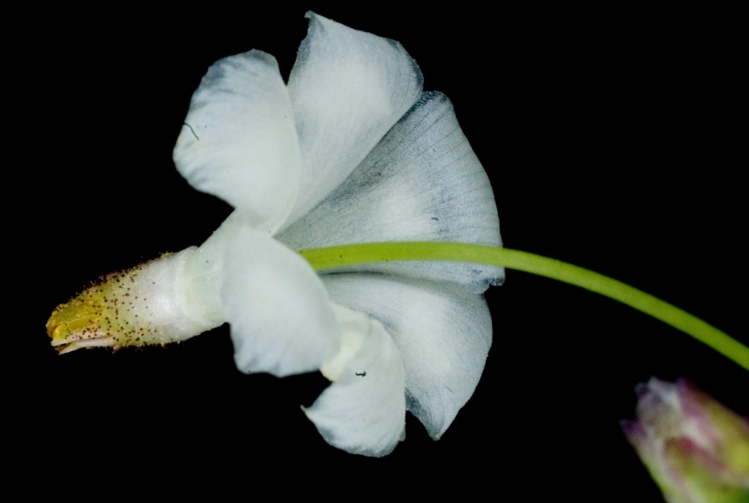
Plant in early fall or early spring. Fall is better, allowing roots to establish over the cool, wet season.
- Dig a hole twice as wide as the root ball but no deeper.
- Loosen the roots if they're pot-bound.
- Place the plant so the crown (where stems meet roots) is level with the soil surface.
- Backfill with your amended soil, water deeply to settle.
- Space plants about 12-18 inches apart. They'll fill in.
Here's a mistake I see: people planting them too deep, almost burying the crown. This encourages rot. Keep it level.
Your Complete Care Schedule for Inside Out Flowers
Once established, these plants are low-maintenance, but "established" is the key word. Follow this seasonal guide.
| Season | Key Tasks | What to Watch For |
|---|---|---|
| Spring (Late) | Enjoy the bloom! Remove any winter-killed foliage. Apply a light top-dressing of compost around plants. | Slugs and snails love the new growth. Check at night with a flashlight. |
| Summer | Watering is crucial, especially the first year or during droughts. Keep soil consistently moist, not soggy. A 2-inch layer of leaf mulch helps immensely. | Leaf scorch from too much sun or dry soil. Foliage may go dormant in hot, dry summers. |
| Fall | Best time for planting or dividing. Let fallen leaves from trees lie on the bed—they're free mulch and soil builders. | Nothing major. Plants are preparing for dormancy. |
| Winter | No care needed. The plant is dormant. The old foliage provides a bit of protection. | In very cold zones without snow cover, a loose layer of evergreen boughs can help. |
Fertilizer? Honestly, skip the chemical stuff. A spring application of compost or a light, organic, balanced fertilizer is more than enough. Over-fertilizing leads to weak, floppy growth.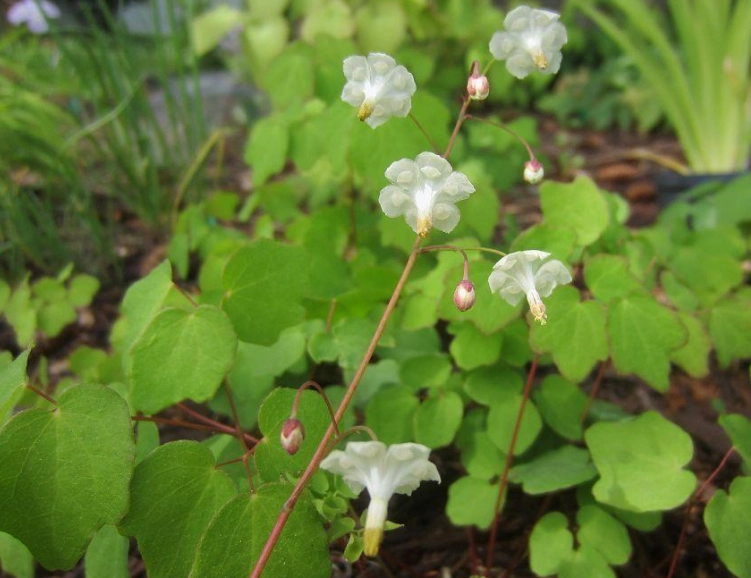
Troubleshooting: Common Problems and Expert Solutions
They're generally pest-free, but a few issues pop up.
Yellowing Leaves (Not in Fall): Usually a sign of water stress—either too much (root rot in poorly drained soil) or too little. Check soil moisture a few inches down. Improve drainage with compost or move the plant.
No Flowers / Poor Growth: The classic trio: too much sun, too little water, or poor, compacted soil. Re-evaluate the location. It might also just be a young plant; they can take 2-3 years to really settle in and flower profusely.
Slugs and Snails: The main pest. They chew holes in the leaves. Hand-picking at night is effective. I prefer iron phosphate-based baits (like Sluggo), which are safe for pets and wildlife. Avoid harsh pesticides that harm the soil ecosystem.
Let me address a specific, rarely mentioned struggle: competition from tree roots. Planting under a mature tree means fighting for water and nutrients. You must water deeply to encourage the inside out flower's roots to go down, and refresh the compost layer annually. Don't just sprinkle the surface.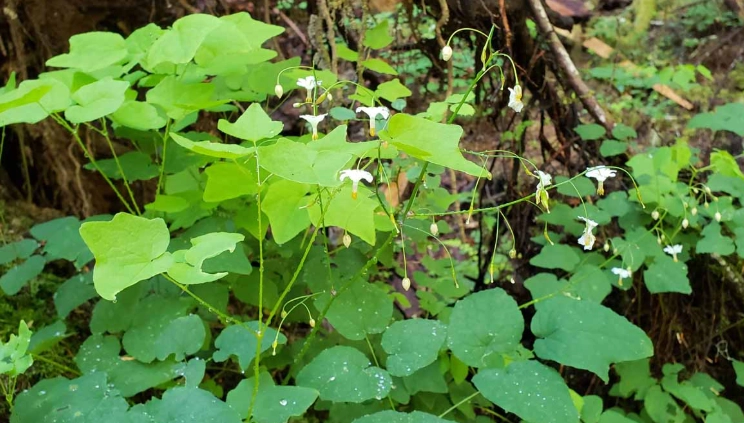
Garden Design Ideas and Perfect Plant Companions
This is where the inside out flower shines. It's a textural filler, a softener.
Use it as a living mulch under rhododendrons, azaleas, and camellias. They share the same acidic, well-drained soil preferences.
Create a woodland tapestry by combining it with other shade lovers. Here are my top companion picks:
- Ferns: Japanese painted fern, lady fern. Contrasts in foliage shape.
- Early Bulbs: Snowdrops, winter aconite. They bloom before the inside out flower's foliage is fully up.
- Other Woodland Natives: Wild ginger (Asarum), foamflower (Tiarella), and bleeding heart (Dicentra).
- Foliage Contrast: Hostas (the smaller varieties) or heucheras for bold leaf color.
Avoid pairing it with aggressive, thick-rooted ground covers like ivy or periwinkle (Vinca). They'll overwhelm it.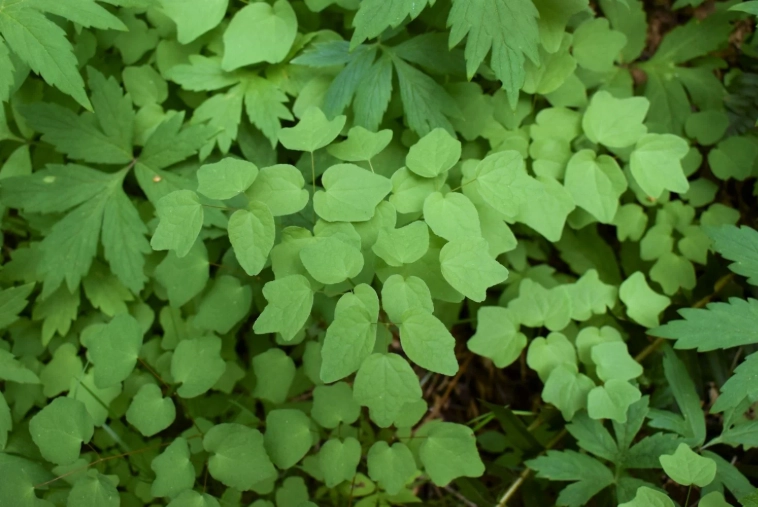
Your Inside Out Flower Questions, Answered
 Can I grow inside out flowers in containers on a shady patio?
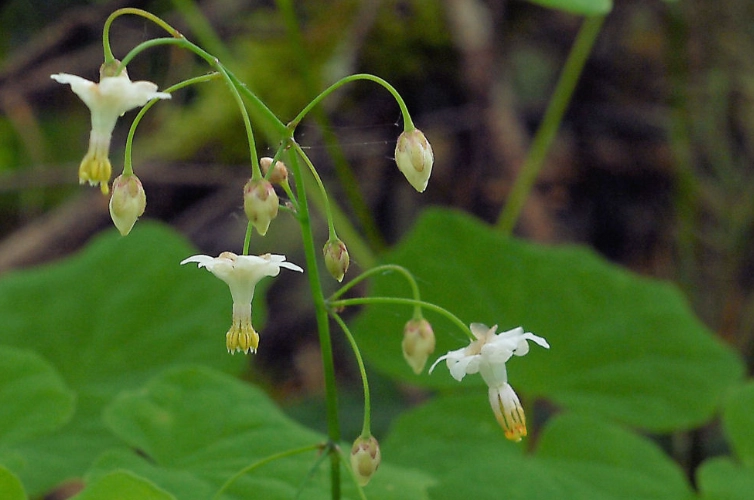 So, is the inside out flower worth the specific care it asks for? If you have that challenging shady spot and want something beyond the usual suspects, the answer is a resounding yes. It's a plant that rewards a bit of forethought with effortless charm. Start with the soil, respect its need for consistent moisture, and you'll have a delicate-looking but resilient performer that comes back year after year, quietly turning your problem area into a conversation piece.
Reader Comments