I killed my first three fuchsia plants. There, I said it. I followed the classic advice—"partial shade, keep moist"—and ended up with leggy stems, yellowing leaves, and a grand total of four sad-looking flowers. It was frustrating. Then, I spent a summer volunteering at a local botanical garden that had a legendary fuchsia collection. Watching the head gardener work, asking a million questions, and seeing what he did differently changed everything. Turns out, most generic care tips skip the nuanced, non-negotiable details that make fuchsias thrive instead of just survive. This guide is what I wish I had back then.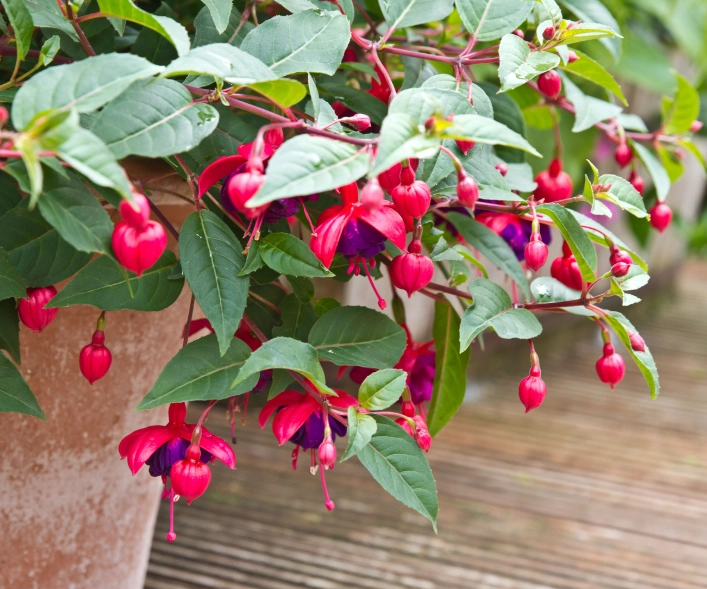
What You'll Find in This Guide
How to Choose the Right Fuchsia Variety for You
Walking into a nursery and grabbing the prettiest hanging basket is a recipe for disappointment. Fuchsias aren't one-size-fits-all. The first, most critical decision is understanding the two main types: hardy and tender (often called "trailing" or "basket").
Hardy Fuchsias can survive winter outdoors in milder climates (roughly USDA zones 6-10, with protection). They're usually bushier, with smaller flowers, and are fantastic for permanent garden borders. Tender/Trailing Fuchsias are the classic, dramatic bloomers with large, teardrop flowers. They're frost-sensitive and perform best as annuals or in containers you can bring indoors. If you want a hanging basket that looks like a floral firework, you're looking at tender types.
Here’s a quick comparison of some popular varieties to help you decide:
| Variety Name | Type | Best For | Flower Color | Key Trait |
|---|---|---|---|---|
| 'Swingtime' | Tender/Trailing | Hanging Baskets, Containers | White sepals, red corolla | Vigorous, classic basket type, prolific bloomer. |
| 'Delta's Sarah' | Tender/Trailing | Containers, Patio Specimen | Pink and lavender | Self-branching, doesn't require constant pinching. |
| 'Hawkshead' | Hardy | Garden Borders, Hedging | Pure white | Very hardy, elegant slender flowers, green foliage. |
| 'Genii' | Hardy | Foliage Contrast in Borders | Red and purple | Golden-yellow leaves, provides color even when not in peak bloom. |
| 'Voodoo' | Upright Tender | Large Patio Pots, Garden Centerpiece | Deep purple and red | Huge, double flowers, needs staking. |
My personal favorite for a low-maintenance basket is 'Delta's Sarah'. It costs a bit more at the nursery, but the fact that it naturally bushes out saved me so much pruning work in my first successful season. For a garden bed in my zone 7b garden, 'Hawkshead' has been a reliable perennial, coming back bigger each spring.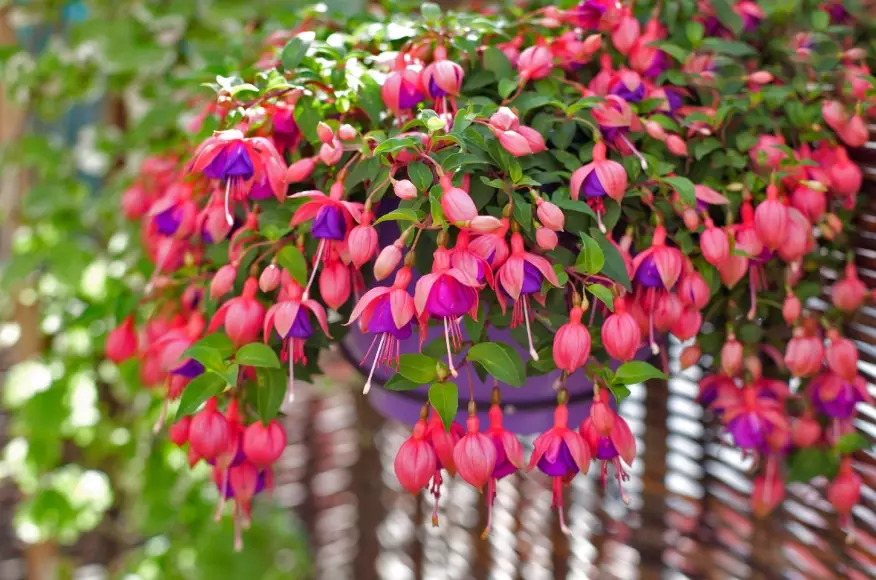
The Step-by-Step Planting Process for Success
Getting the start right eliminates half your future problems. Let's assume you've bought a tender fuchsia in a 4-inch pot, ready for its summer display.
Pot and Soil: The Foundation Most Get Wrong
Do not use a giant pot. Fuchsias like to be slightly root-bound to focus energy on flowering. For a single starter plant, a 10-12 inch hanging basket or pot is perfect. The material matters—plastic retains moisture better, but clay/terracotta is more breathable. In hot climates, I go with plastic. In cool, damp ones, terracotta can help prevent soggy roots.
The soil is non-negotiable. Regular garden soil or heavy potting mix will suffocate the roots. You need a light, airy, and slightly acidic potting mix. I use a quality peat-based or coir-based potting mix and amend it with two things: a handful of perlite for extra drainage and a scoop of ericaceous (acid-loving) compost. This mimics their preferred conditions.
The Planting Act: Gentle is Key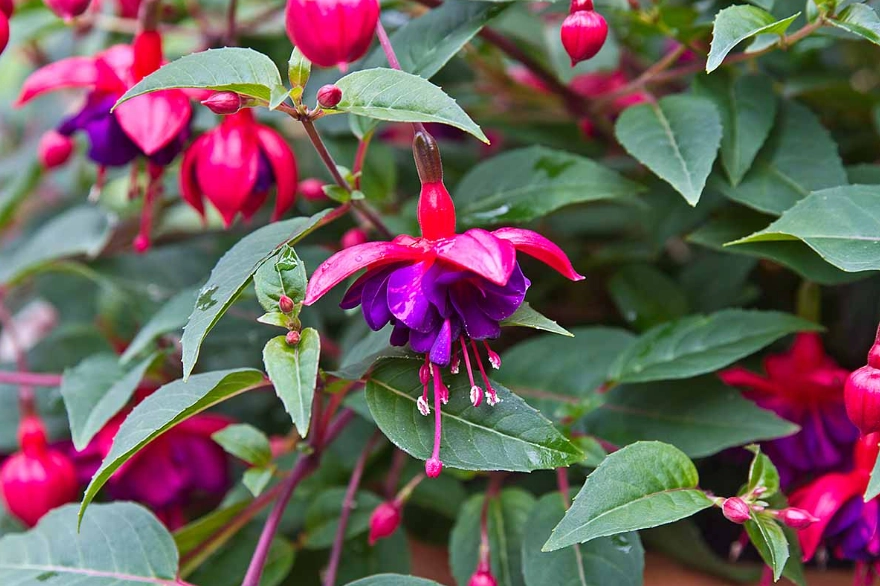
1. Moisten the potting mix in a bucket until it feels like a damp sponge, not soggy.
2. Partially fill your clean pot with the mix.
3. Gently squeeze the nursery pot and tip the plant out. Do not pull on the stems.
4. Loosen the root ball very gently with your fingers, just to break up any obvious circling roots.
5. Place it in the new pot so the top of the root ball sits about an inch below the pot's rim.
6. Fill around with more mix, tapping the pot to settle it. Don't pack it down hard.
7. Water thoroughly until it runs freely from the drainage holes. This is the "settling-in" drink.
The #1 Mistake: Planting too deep. Burying the main stem base invites rot. Keep it at the same level it was in the nursery pot.
Ongoing Care: Watering, Feeding, and Pruning
This is where the magic (or the murder) happens.
Watering: It's Not Just "Keep Moist"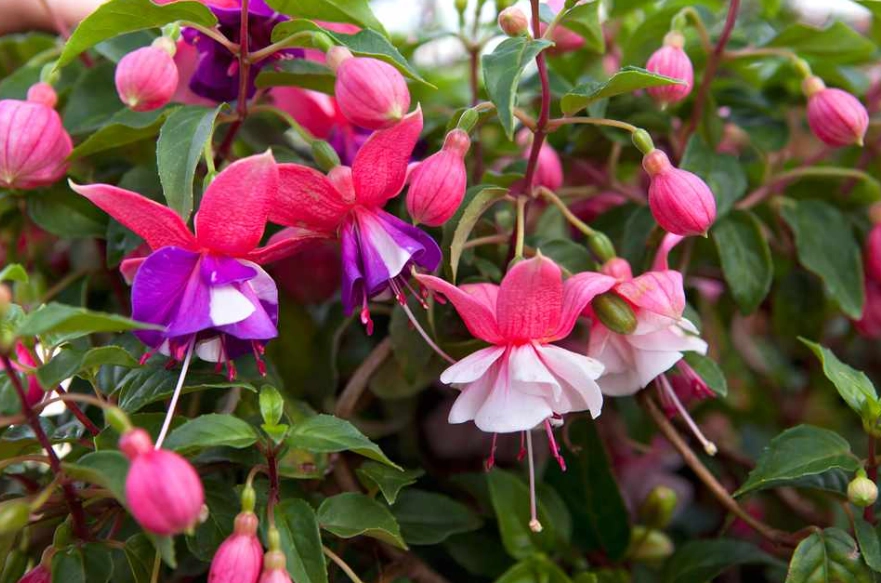
That advice is too vague. Fuchsias hate both drought and soggy feet. The goal is consistent, even moisture. In the peak of summer, a hanging basket in full sun might need watering once, even twice a day. A pot in dappled shade might need it every other day.
Here’s the pro check: stick your finger an inch into the soil. If it feels dry, water deeply until it runs out the bottom. If it feels damp, wait. Water in the morning so leaves dry before night, reducing disease risk. And please, use room-temperature water. A blast of ice-cold hose water on a hot root ball shocks the plant.
Feeding: The Bloom Booster
Fuchsias are heavy feeders. For that explosive bloom, you need a fertilizer higher in potassium (the third number on the bottle, like 10-10-20). A tomato feed works brilliantly. Start feeding two weeks after planting. Then, feed weekly with a half-strength liquid fertilizer. More frequent, weaker feeding is better than a monthly strong dose that can burn roots.
Pruning and Pinching: Shaping Your Masterpiece
To get a bushy, flower-covered ball, not a few long, straggly stems, you must pinch. When a new stem has developed 2-3 sets of leaves, use your fingernails to pinch off the very tip. This forces the plant to branch out from lower down. Do this religiously for the first 6-8 weeks after planting. Stop pinching about 6 weeks before you want peak bloom to let flower buds form.
Deadheading is simple: follow the faded flower stem down to the next set of leaves and snip. This keeps it tidy and encourages more blooms.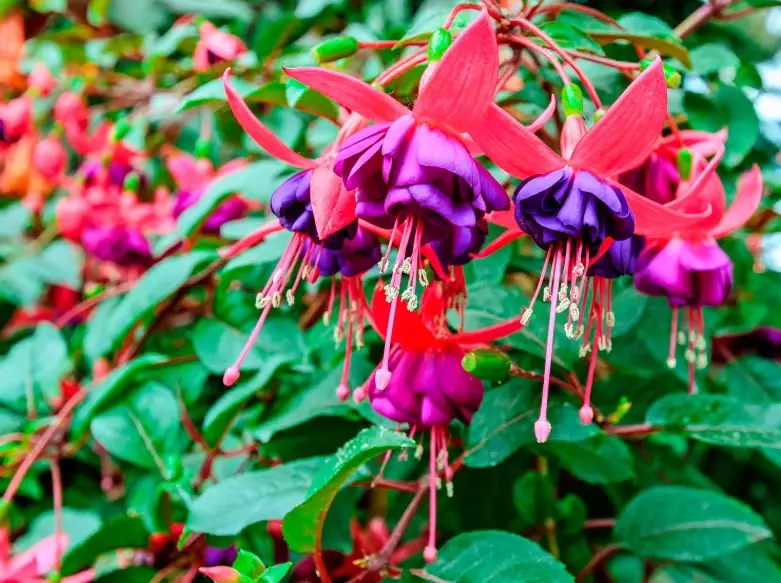
How to Overwinter Fuchsia Plants (The Biggest Hurdle)
Most people treat tender fuchsias as annuals and let them die with the first frost. But you can save them. It's not hard, just specific.
In late fall, before the first hard frost (when temps dip near 40°F/4°C), it's time to bring them in.
1. Prune hard. Cut back all stems by about two-thirds. It looks brutal, but it's necessary.
2. Check thoroughly for pests (whiteflies love to hitchhike). A gentle spray with insecticidal soap can help.
3. Place the pot in a cool, dark, frost-free place—an unheated garage, basement, or shed. Ideal temps are 40-50°F (5-10°C).
4. Water sparingly. This is the key. The goal is to keep the roots from completely drying out and turning to dust, not to support growth. Water maybe once a month, just a tiny bit. The plant will look dead—it's just dormant.
In early spring, when you see new tiny green buds swelling, bring it into a cool, bright room. Repot with fresh mix, start watering normally, and begin pinching again. You've just saved yourself $25 and have a larger, stronger plant for the new season.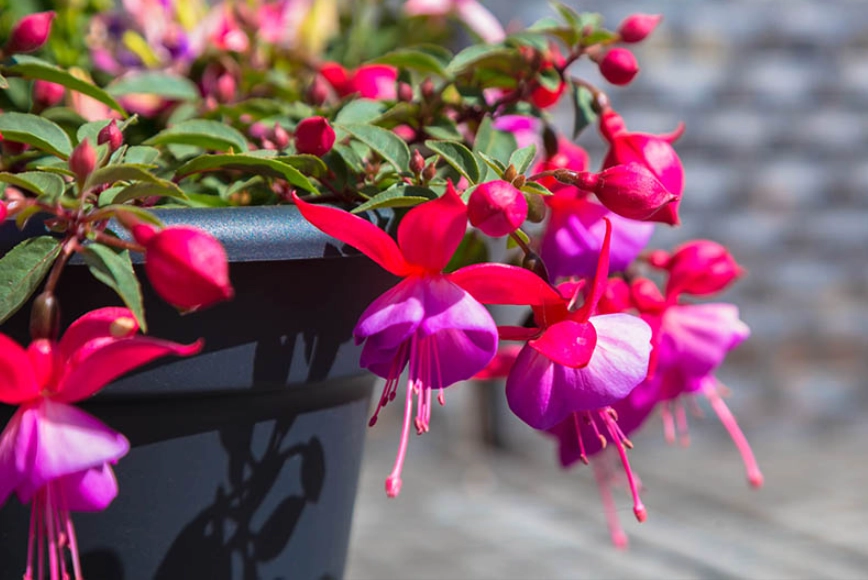
Your Fuchsia Problems, Solved
Why are the buds on my fuchsia turning brown and dropping off before they open?
Bud drop is almost always caused by a sudden change in the plant's environment or care routine. The top three culprits are: 1) Inconsistent watering (letting it dry out completely then flooding it), 2) Moving the plant from one location to another (e.g., from a shaded nursery to a sunny patio without acclimatizing it over a week), or 3) A sharp drop in temperature at night. Find a good spot and stick to a consistent watering rhythm.
The leaves on my fuchsia are turning yellow. Am I overwatering or underfeeding?
It depends on the pattern. If the older leaves are uniformly yellowing and dropping, it's likely a nitrogen deficiency—time to start or increase your feeding schedule. If the newer leaves are yellowing while the veins stay green, it's often a sign of iron chlorosis, meaning the soil pH is too high and the plant can't absorb iron. Switch to an ericaceous fertilizer and consider repotting with acidic mix next season.
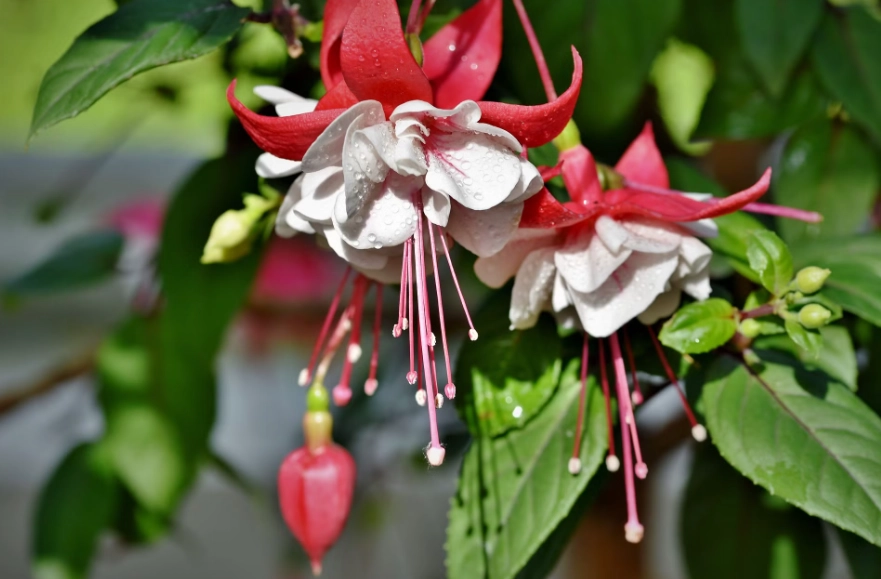 Can I grow fuchsias in full sun?
This is where variety and climate collide. In cool, coastal climates (like the UK or Pacific Northwest), many fuchsias can handle full sun. In hot, dry, or inland areas with intense afternoon sun, full sun will scorch leaves, bleach flowers, and stress the plant to death. In most of the US, morning sun with afternoon shade or bright, dappled all-day shade is the sweet spot. They need light to bloom, but not a brutal, baking heat.
What's the best way to deal with whiteflies on my fuchsia?
Whiteflies love fuchsias. The first line of defense is a strong blast of water from a hose underneath the leaves to knock them off. For persistent problems, insecticidal soap or neem oil sprays are effective, but you must spray underneath the leaves every 5-7 days for at least three applications to break their life cycle. Yellow sticky traps placed near the plant help monitor and catch adults. Keeping the plant healthy and well-watered makes it less susceptible.
My fuchsia survived winter but looks weak and spindly now. What did I do wrong?
You probably kept it too warm and/or too wet during dormancy. In a warm, dimly lit room, the plant tries to grow but doesn't have enough light, resulting in etiolated (stretched), weak growth. The correct dormancy is cool and dry. When you bring it out in spring, don't be afraid to prune those weak stems back hard to a strong bud. It will bounce back with tougher growth.