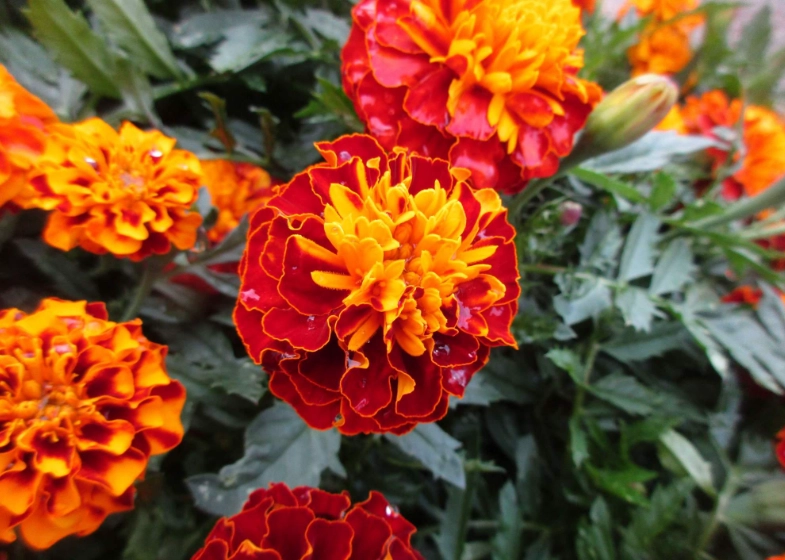
Let's talk about tagete. You might know it as French marigold, but that common name doesn't begin to cover what this plant can do. For over a decade, I've watched gardeners buy these cheerful orange and yellow flowers, stick them in a sunny spot, and call it a day. They're missing the whole story. Tagetes patula isn't just a pretty face; it's one of the most functional, hardworking plants you can invite into your vegetable patch, flower bed, or container garden. It's a natural chemist, a bodyguard for your tomatoes, and a beacon for pollinators, all rolled into one resilient package. This guide will move beyond the basic care sheet and show you how to unlock its full potential.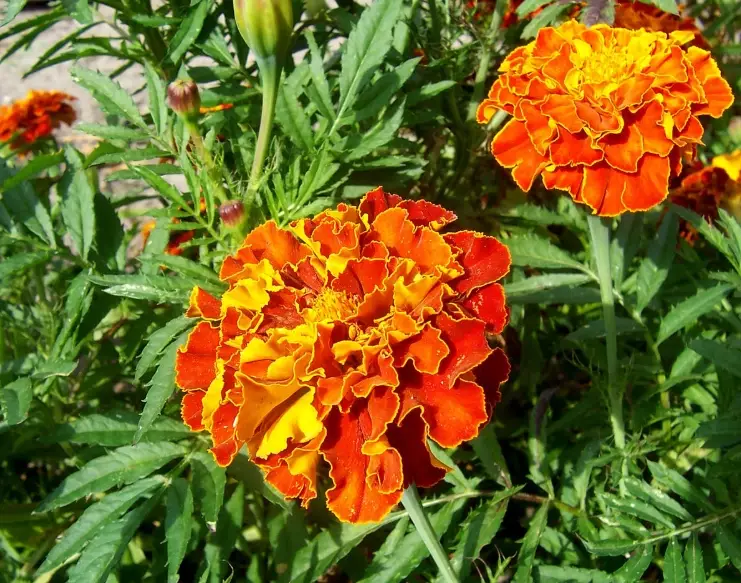
What's Inside This Guide
What Exactly is Tagete (French Marigold)?
Tagetes patula, the plant we're focusing on, is an annual flowering plant native to Mexico and Guatemala. It's part of the larger Asteraceae family, which includes daisies and sunflowers. The "French" part of its common name is a bit of a misnomer—it was just popularized in France. What sets it apart from other marigolds, like the taller African marigold (Tagetes erecta), is its compact, bushy growth and smaller, but more abundant, flowers.
The magic, though, is in its roots and foliage. The entire plant produces a compound called alpha-terthienyl. This is the source of that distinctive, pungent aroma. It's not a fragrance everyone loves—some find it too strong—but in the garden, this smell is a powerful signal. It confuses, repels, and even suppresses soil-borne pests and nematodes. It's the plant's built-in defense system, and we can use it to our advantage.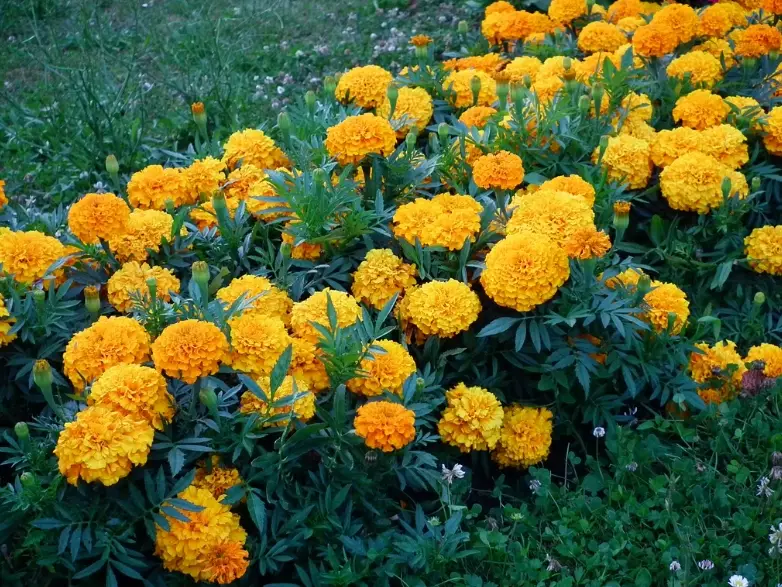
How to Grow Tagete Successfully: A Step-by-Step Guide
Tagete is famously easy, which is why it's often recommended for beginners. But "easy" can lead to complacency. To get the most vigorous, pest-fighting plants, you need to get a few key things right.
Sun, Soil, and the Right Start
Sunlight is non-negotiable. These are full-sun plants. They need at least 6-8 hours of direct, unfiltered sunlight daily. In partial shade, they get leggy, produce fewer flowers, and their essential oil production—the source of their pest-repelling power—drops significantly. I've seen plants in shade that were practically inert.
Soil should be well-draining above all else. They're tolerant of poor soil, but they hate wet feet. If your soil is heavy clay, amend it with compost or grit. The ideal pH is neutral to slightly acidic (6.0 to 7.5).
You have two options: start seeds indoors 4-6 weeks before the last frost, or buy transplants. Seeds are cheap and offer more variety. Sow them shallowly, as they need light to germinate. Keep the soil moist and warm (70-75°F). The seedlings appear quickly.
Planting and Care Through the Season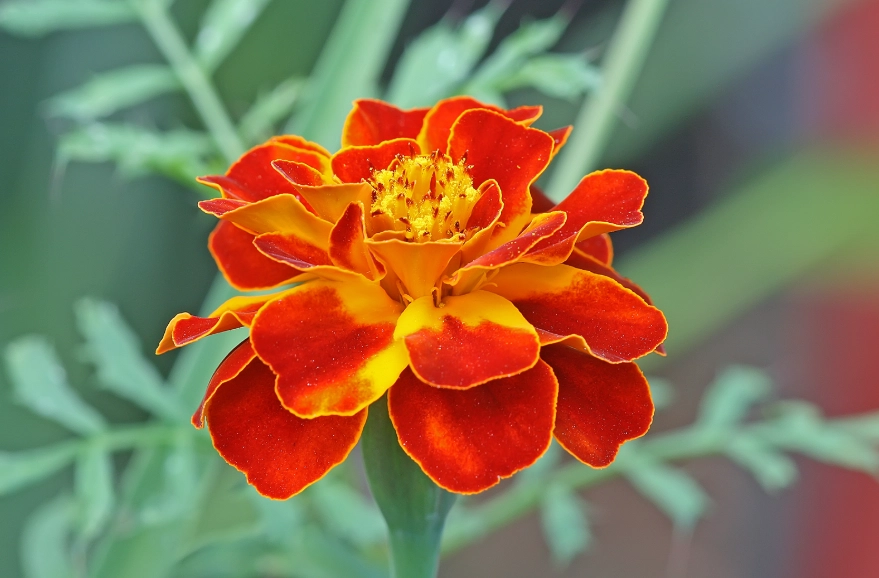
Plant seedlings outdoors only after all danger of frost has passed. Space them 8-10 inches apart to allow for air circulation and prevent fungal issues.
Watering: Here's a classic mistake: overwatering. Water deeply at the base when the top inch of soil feels dry, then let it dry out a bit. They are drought-tolerant once established. Overhead watering promotes powdery mildew.
Feeding: Don't over-fertilize. A soil rich in organic matter at planting is often enough. If you must feed, use a balanced, low-nitrogen fertilizer. Too much nitrogen gives you lush, green leaves at the expense of flowers and that crucial aromatic oil. I made this mistake early on—beautiful bushes, no scent, no pest protection.
Deadheading (removing spent flowers) encourages continuous blooming from early summer right up to the first hard frost.
The Real Benefits of Tagete in Your Garden
This is where tagete earns its keep. It's not just folklore; studies, including those referenced by institutions like the Royal Horticultural Society (RHS), support its role in integrated pest management.
Nematode Control: Root-knot nematodes are microscopic worms that attack plant roots. Tagete is a natural biofumigant. Its roots release alpha-terthienyl into the soil, which is toxic to these nematodes. For best effect, plant tagete densely in a problem area for a full season, then till the plants into the soil at the end of the season to boost the effect.
Companion Planting Superstar: This is the #1 reason most gardeners use it.
With Tomatoes: It's said to repel whiteflies and tomato hornworms. I find the evidence for hornworms anecdotal, but the reduction in whiteflies around my tomatoes is noticeable.
With Brassicas (cabbage, broccoli): It can help deter cabbage moths.
General Pest Confusion: The strong scent masks the smell of your vegetables, making it harder for pests like aphids to find them.
Pollinator Attraction: While repelling bad bugs, the open, flat flowers are excellent landing pads for beneficial insects like hoverflies (whose larvae eat aphids) and bees.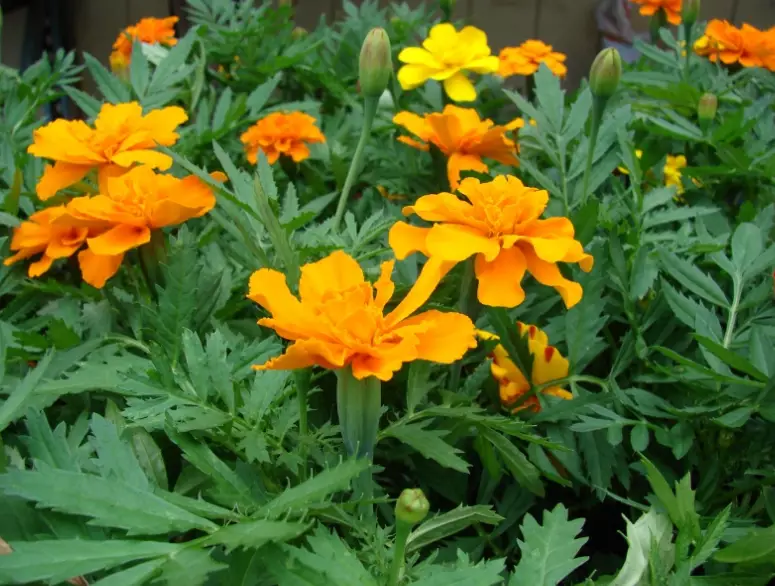
Common Tagete Growing Mistakes (And How to Avoid Them)
After years of trial and error, here are the pitfalls I see most often.
Planting Too Early: They are tender. A light frost will blacken and kill them. Patience is key.
Over-Fertilizing: As mentioned, this creates a weak, scentless plant. Less is more.
Wrong Spacing: Crowded plants struggle for light and air, inviting powdery mildew and botrytis.
Assuming It's a Silver Bullet: Tagete is a fantastic tool in your organic toolkit, but it's not a magic force field. Use it alongside other methods like crop rotation and physical barriers for best results.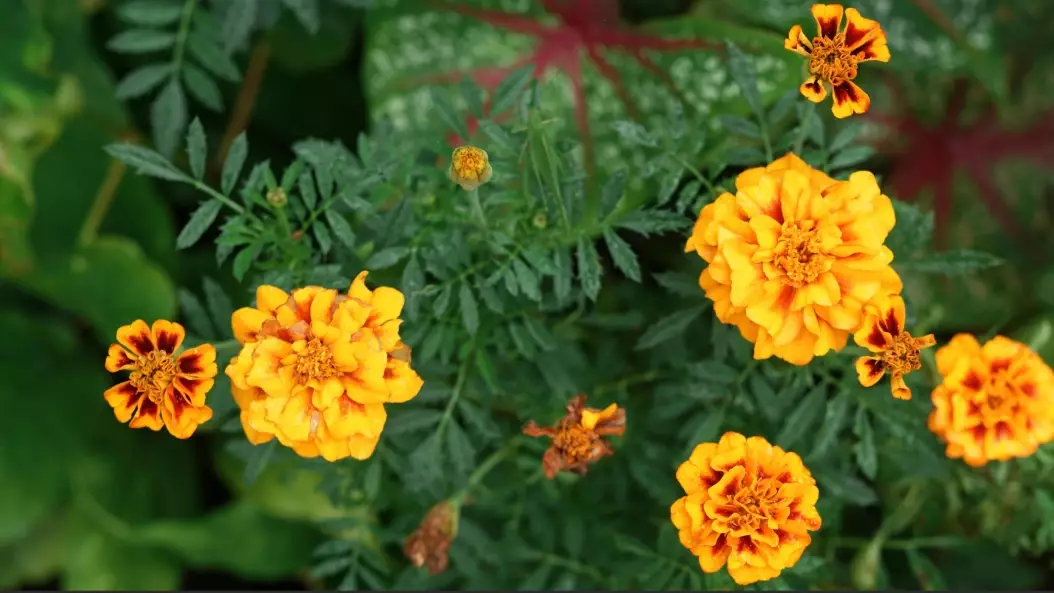
A Look at Popular Tagete Varieties
Not all tagetes are created equal. Some are bred more for flower show, others retain stronger pest-repelling traits. Here's a quick comparison of reliable varieties.
| Variety Name | Key Characteristics | Best For |
|---|---|---|
| ‘Naughty Marietta’ | Single gold flowers with a dark maroon blotch. Compact, old-fashioned variety known for good scent. | Edging, containers, classic companion planting. |
| ‘Queen Sophia’ | Double flowers in vibrant rust and gold. Floriferous and showy. | Adding bold color to beds and pots where ornament is a priority. |
| ‘Little Hero’ Series | Very compact, double flowers in many colors (yellow, orange, scarlet). Early blooming. | Front of borders, small containers, window boxes. |
| ‘Tangerine Gem’ | Signilata type. Lacy foliage, small single tangerine flowers. Edible with a citrusy flavor. | Salad garnishes, fine-textured garden spots, attracting beneficials. |
Using Tagete Beyond the Garden
Its utility doesn't end at the garden gate. The petals of certain varieties (ensure they are grown organically!) are edible. They have a slightly citrusy, spicy flavor and make a vibrant garnish for salads and desserts.
In some traditional practices, tagete has been used to make a soothing tea or as a source of yellow dye. The dried flowers can also be added to potpourri for their lasting scent.
I once dried a batch of ‘Tangerine Gem’ petals and used them to infuse a simple syrup for cocktails. It added a fascinating, complex note that guests couldn't quite place. That's the fun of this plant—it's full of surprises.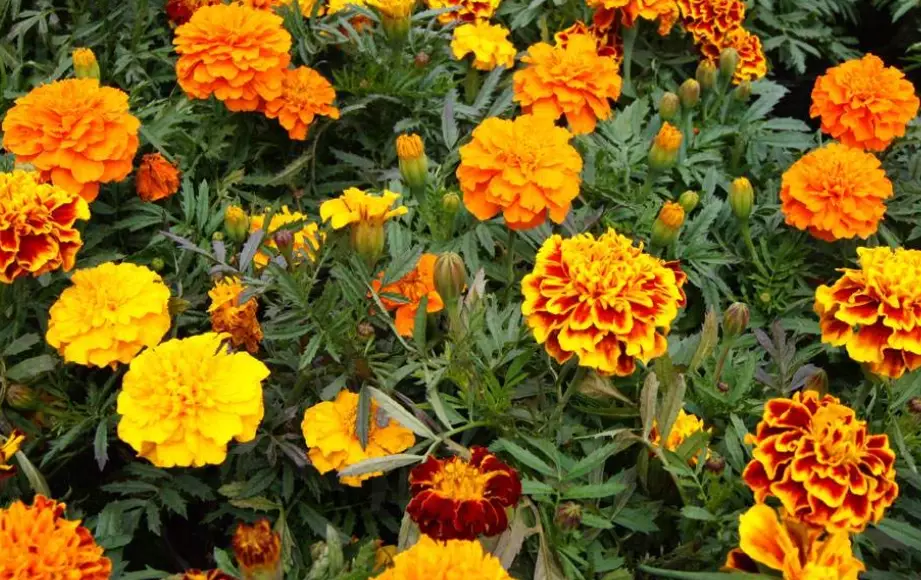
Your Tagete Questions, Answered