Let's be honest. Most gardening advice makes nasturtiums sound like a cheerful afterthought—easy flowers for kids to grow. That undersells them completely. After a decade of growing everything from heirloom tomatoes to finicky orchids, I've come to see nasturtiums as one of the most strategically valuable plants you can put in the ground. They're not just pretty. They're a pest deterrent, a salad bar, a ground cover, and a pollinator magnet rolled into one. But to get all those benefits, you need to move past the "just scatter some seeds" advice. This guide strips away the fluff and gives you the actionable details on turning nasturtiums into a workhorse for your garden and kitchen.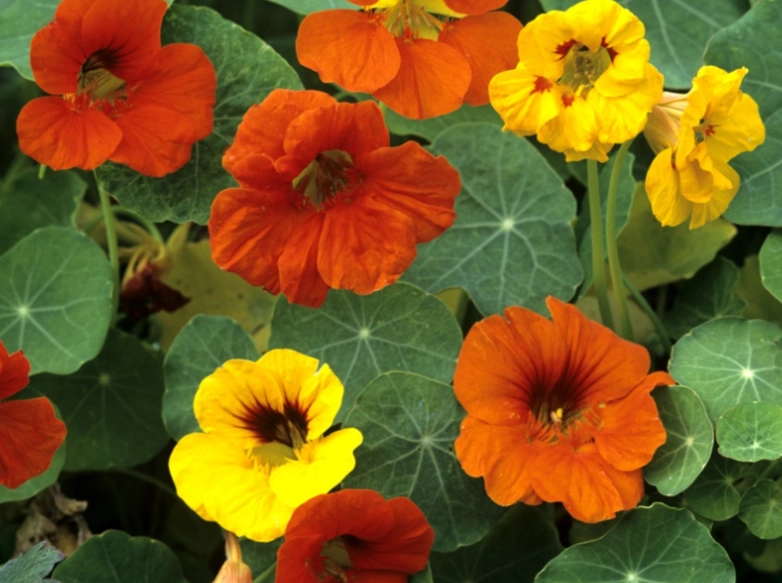
What You'll Learn
Why Bother Growing Nasturtiums? (Beyond the Flowers)
If you're only growing them for looks, you're missing 75% of the point. The real magic is in their function.
They're a brilliant companion plant. This isn't just folk wisdom. The strong, peppery scent of the leaves is believed to mask the smell of more appealing plants from pests like aphids and whiteflies. I use them as a sacrificial border around my prized brassicas (like kale and cabbage). The aphids often congregate on the nasturtiums first, making them easier to spot and manage—or simply sacrificing the nasturtium leaf to save the kale. The Royal Horticultural Society notes their utility in this role.
Every part is edible. The leaves have a spicy, watercress-like kick. The flowers are milder and stunning on a plate. The seeds can be pickled into "poor man's capers." There's zero waste.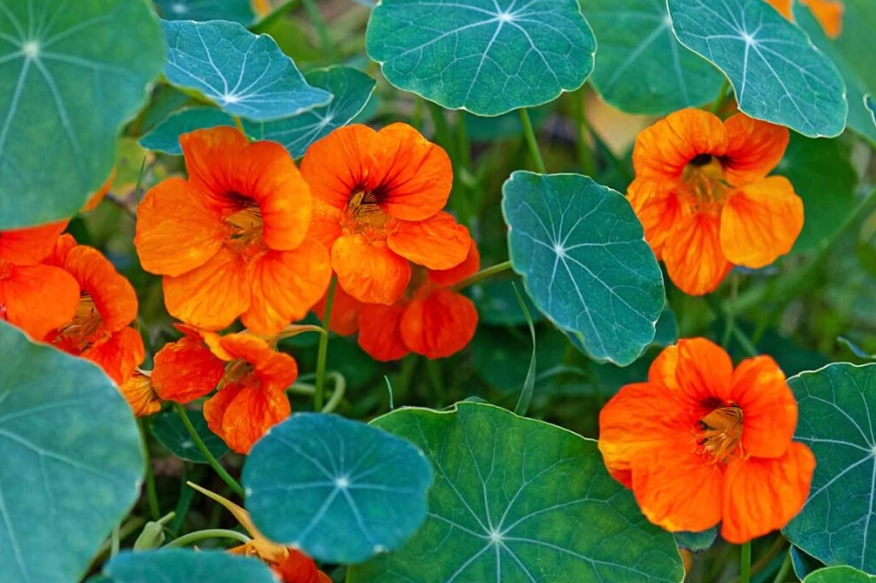
They thrive on neglect. Here's the first subtle mistake many make: being too kind. Rich soil and frequent fertilizer give you enormous leaves and few flowers. Nasturtiums produce best in moderately poor, well-draining soil. They want sun and a bit of struggle. It's a plant that rewards lazy gardening.
Quick Win Idea: Plant a few nasturtium seeds in the same container as a tall, heavy-feeding plant like a tomato or pepper. The nasturtium spreads as a living mulch, suppressing weeds, keeping soil cool, and its vibrant flowers might just help attract more pollinators to your veggie blossoms.
How to Grow Nasturtiums from Seed to Bloom
Forget seedlings from the nursery. Seeds are cheaper, easier, and the plants establish better. Here's the step-by-step that works, every time.
Timing and Location is Everything
Nasturtiums are frost-tender. Sow seeds directly outdoors 1-2 weeks after your last average spring frost date. You can find your date using tools from sources like the USDA. They need warmth to germinate. If you're impatient, start them indoors in biodegradable pots 3-4 weeks before transplanting, but be gentle—they hate root disturbance.
Sun: Full sun (6+ hours) for maximum flowers. They'll tolerate light shade, but you'll get more leaf than bloom.
Soil: As mentioned, don't pamper them. Average, well-draining soil is perfect. If your soil is heavy clay, mix in some compost or sand to improve drainage. If it's super rich, consider growing in a container with a standard potting mix.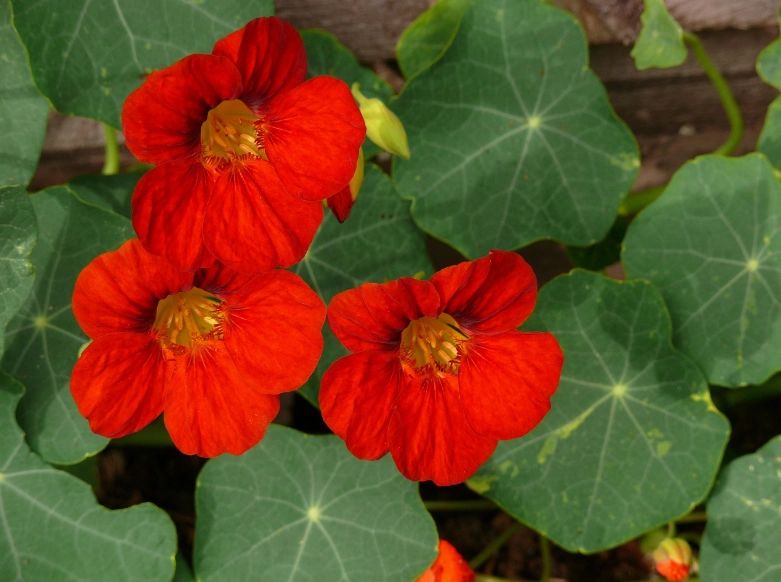
The Planting Ritual
Soak the large, wrinkled seeds in water for 8-12 hours before planting. This softens the hard coat and speeds up germination. Plant them about 1/2 inch deep and 10-12 inches apart. If you're growing a trailing variety for ground cover, you can space them a bit closer. Water them in well and keep the soil moist until you see sprouts, usually in 7-12 days.
Watch out for slugs and snails when the seedlings are young and tender. They find them delicious. A ring of crushed eggshells or diatomaceous earth can help. Once the plants mature and develop their peppery punch, they're less appealing.
Care That's Barely Care
Watering: Water regularly when young. Once established, they are quite drought-tolerant. Water deeply when the top inch of soil is dry. Overwatering leads to yellow leaves.
Feeding: Don't. Seriously. No fertilizer. If you must, a single dose of a balanced, half-strength liquid feed at the start of flowering is more than enough. More food equals all leaf, no flower.
Deadheading: To keep them flowering non-stop from early summer until frost, pick the flowers regularly for eating. If you let the flowers fade and form seeds, the plant thinks its job is done and slows down blooming.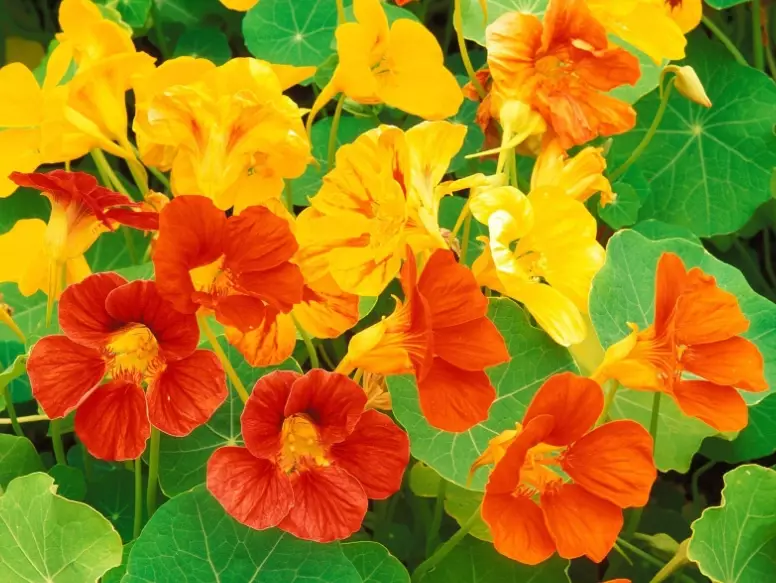
Choosing Your Nasturtiums: A Quick Variety Guide
All nasturtiums (Tropaeolum majus) are edible, but form matters. Pick based on your garden's job list.
| Variety Type | Best For | Key Characteristics & Examples |
|---|---|---|
| Trailing/Climbing | Spilling over walls, covering fences, tumbling from hanging baskets. | Vines can reach 6-8 feet. 'Empress of India' has stunning dark blue-green leaves with deep red flowers. 'Jewel of Africa' offers variegated foliage. |
| Bush/Dwarf | Edging, container gardens, small spaces, front of borders. | Compact mounds, 12-15 inches tall. 'Alaska Series' has beautiful cream-splashed leaves. 'Tip Top Mahogany' is a classic with dark red blooms on a tidy plant. |
| Semi-Trailing | Large containers, raised beds where you want some spread but not a full vine. | A middle-ground habit. The 'Whirlybird Series' is great here—flower colors are held above the foliage and they don't set seed easily, so they bloom like crazy. |
My personal favorite for both looks and flavor is 'Empress of India'. The contrast between the dark foliage and bright flowers is dramatic, and the leaves seem to have an especially good, sharp flavor.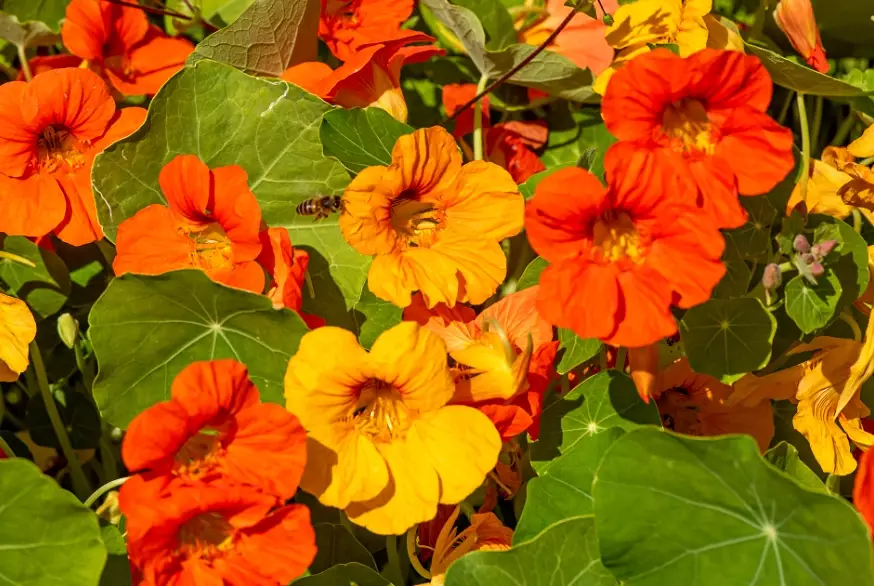
From Garden to Plate: How to Actually Eat Nasturtiums
This is where the fun starts. The flavor is peppery, similar to arugula or radish, but brighter.
The Leaves: Young, tender leaves are best. Chop them into green salads, potato salad, or grain bowls for a punch. They wilt quickly when cooked, so add them at the very end to soups or stir-fries, or use as a garnish.
The Flowers: The showstoppers. Gently rinse and pat dry. Pull off the petals or use the whole flower. Stuff them with herbed cheese for an instant appetizer. Float them in summer cocktails or lemonade. Toss them into a salad just before serving—their mild spice and vivid color transform a simple bowl of greens.
The Seeds: This is a project, but a rewarding one. Pick the green, immature seeds when they're still soft. Brine them in a vinegar solution (search for "pickled nasturtium seeds" recipes) for 4-6 weeks. The result is a tangy, caper-like condiment that's fantastic with fish, in pasta, or on a charcuterie board.
A Simple Rule: Always taste a leaf or flower from your plant before you harvest a big batch. The spice level can vary dramatically based on the variety, time of day, and how much sun/water the plant gets. A leaf from a stressed plant in full sun will be much hotter than one from a shaded, well-watered plant.
What's Going Wrong? Common Nasturtium Problems Solved
Nasturtiums are tough, but they send clear signals when unhappy.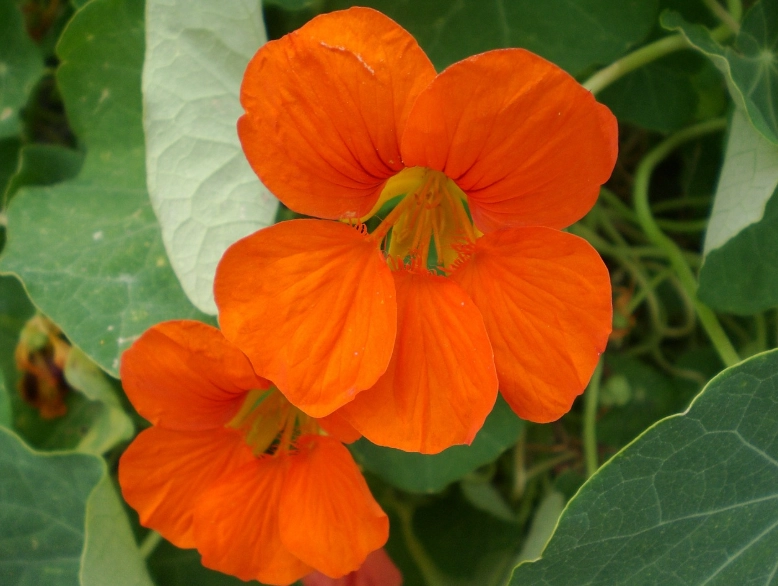
Lots of Leaves, No Flowers? You're feeding them too much or the soil is too rich. Stop fertilizing. Consider transplanting to a poorer spot or a container with leaner mix next season.
Yellowing Leaves? Usually overwatering, especially in heavy soil. Let the soil dry out more between waterings. Could also be a nitrogen deficiency if planted in extremely poor sand—a very rare issue.
Leaves Covered in Tiny Holes? Likely flea beetles. They love nasturtium leaves. It rarely kills the plant, but it's unsightly. Floating row covers when plants are young can prevent it. Diatomaceous earth can help. I often just tolerate it on my "trap" plants, as it keeps them off my more valuable crops.
Aphid Invasion? This is common. Blast them off with a strong jet of water from the hose in the morning. Introduce ladybugs if it's a persistent issue. Or, if the plant is heavily infested, pull it and compost it—it did its trap crop job.
Your Nasturtium Questions, Answered
My nasturtiums grew like crazy but then just died midsummer. What happened?
This is classic heat stress. Nasturtiums prefer cool to warm weather, not blazing, humid heat. In very hot climates (USDA zones 8+), they often perform best as a spring or fall crop. Try planting them earlier in spring for a late spring/early summer show, or plant them in late summer for a brilliant fall display. Providing afternoon shade can also extend their life in hot regions.
Are the seeds sold as "nasturtium" all edible, or are some varieties ornamental only?
All seeds sold under the botanical name Tropaeolum majus (the common garden nasturtium) are edible. There's no toxic ornamental variety masquerading as a food plant. However, seeds from other plants in the Tropaeolum genus, like the perennial Tropaeolum speciosum (flame flower), are not typically eaten. Stick with packets labeled "garden nasturtium" or T. majus.
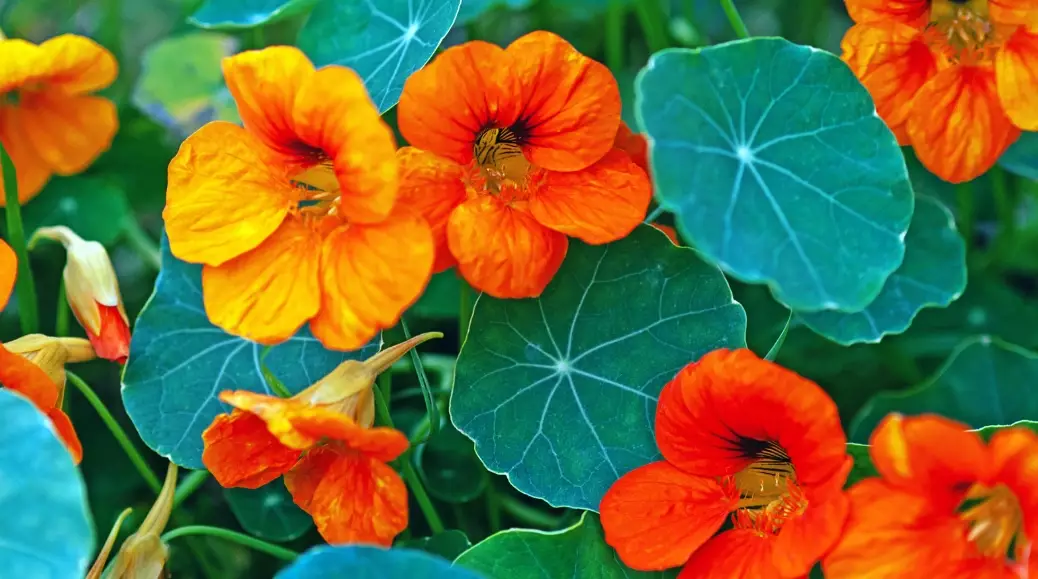 I want to use nasturtiums as a companion plant near my vegetables, but I'm worried they'll take over. How do I control them?
This is a smart concern. Trailing varieties can become aggressive, especially in mild climates where they self-seed prolifically. The solution is two-fold. First, choose bush/dwarf varieties for interplanting in veggie beds—they stay contained. Second, be ruthless with deadheading. Don't let a single flower go to seed if you're in a warm area. You can also grow them in pots and place the pots strategically around the garden, which physically contains the roots and any self-seeding.
Can I grow nasturtiums indoors year-round?
You can try, but it's a struggle. They need very bright, direct light (a south-facing window isn't always enough) and cool temperatures. Indoors, they often become leggy, attract aphids, and flower poorly. They're really an outdoor, sunshine plant. For a winter edible, you're better off focusing on microgreens or herbs.