What's Inside This Guide
If you've ever seen a patch of corydalis in full bloom, weaving through the dappled shade with its ferny foliage and spurred flowers that look like tiny, elegant smoking pipes, you'll understand the obsession. It's not your typical perennial. It has a reputation for being fussy, even disappearing on gardeners, which is why so many planting attempts end in frustration. But here's the thing—most of those failures come from treating it like any other shade plant. After years of trial and error (and yes, killing a few along the way), I've learned that corydalis isn't difficult. We're just often given the wrong instructions. This guide cuts through the noise. We'll cover the practical steps for planting and care, dig into its fascinating role in traditional medicine, and I'll share the specific, non-obvious tricks that finally made it thrive in my own garden.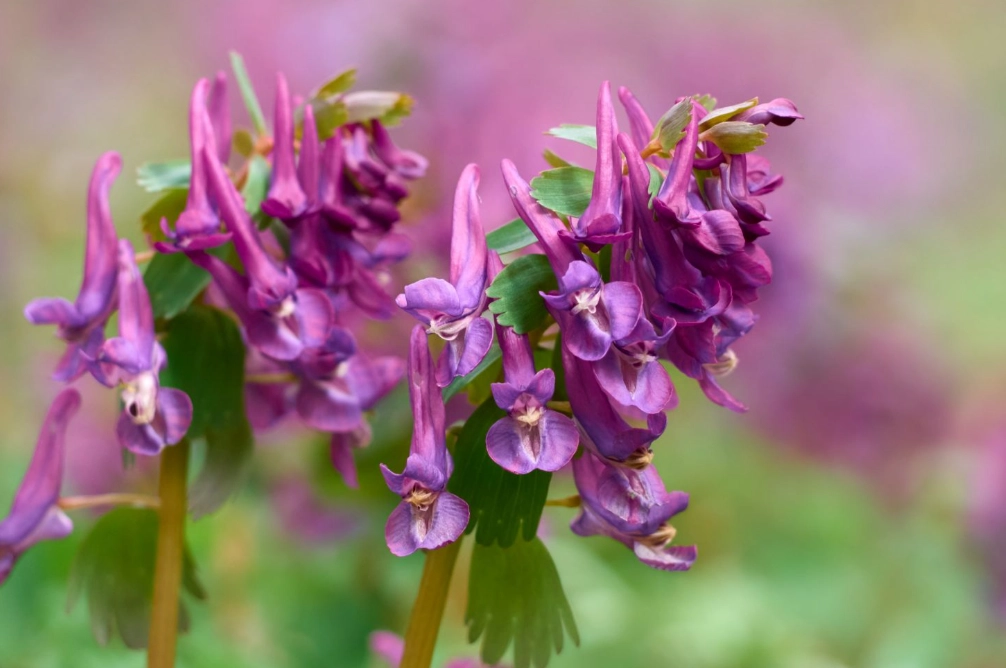
What Exactly is Corydalis?
Let's clear up the confusion first. Corydalis is a genus with over 500 species, part of the poppy family (Papaveraceae). You might hear it called fumewort or bleeding heart, though the latter more accurately refers to its cousin, Dicentra. The two most common types you'll find for sale are Corydalis solida and Corydalis lutea. C. solida is a spring ephemeral, meaning it blooms beautifully in early spring, sets seed, and then its foliage dies back and disappears by summer—this is its normal cycle, not you killing it. C. lutea is a longer-lasting performer, often blooming from late spring into fall if conditions are right.
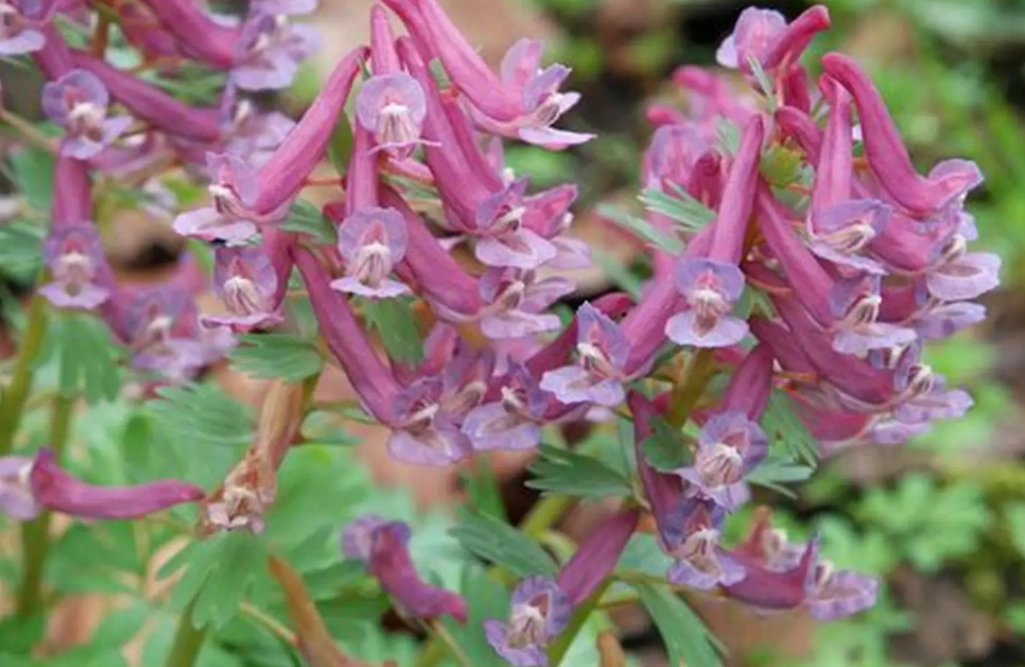
The flowers are the main event. They come in shades of blue, purple, pink, white, and yellow, each with a distinctive long spur at the back. The leaves are finely divided, almost lacy, giving the plant a delicate, airy texture that contrasts beautifully with hostas or hellebores.
A Key Distinction: Many gardening sites lump all corydalis together. The critical difference is between tuberous types (like C. solida) that go fully dormant in summer, and more perennial, fibrous-rooted types (like C. lutea) that stick around. Knowing which one you have dictates your entire care approach.
How to Grow Corydalis Successfully: A Step-by-Step Guide
Getting corydalis to establish is about mimicking its native woodland habitat. Forget the standard "partial shade and moist soil" advice. It needs more nuance.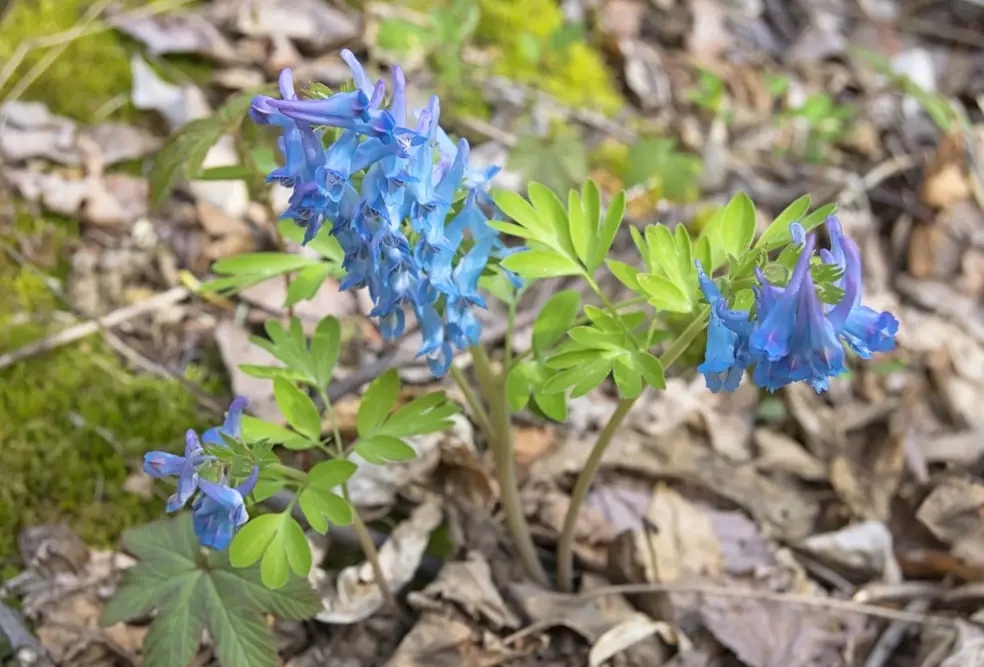
The Non-Negotiable Foundation: Soil and Site
This is where 90% of failures happen. Corydalis absolutely abhors wet feet, especially in winter. Heavy, clay soil that stays soggy will rot its tubers or roots in no time.
Ideal Soil: You need fast-draining, humus-rich soil. Think of the forest floor. If you have clay, you must amend it. I dig a hole at least twice as wide as needed and mix the native soil with a generous amount of compost and coarse sand or fine gravel. Some experts, like those at the Royal Horticultural Society, recommend a gritty mix similar to what you'd use for alpines. The goal is perfect drainage with plenty of organic matter to hold some moisture.
Light Requirements: Dappled shade or morning sun with afternoon shade is ideal. In deep, dark shade, flowering will be poor. In hot, full afternoon sun, the plant will scorch and likely perish. An east-facing spot under a deciduous tree is perfect.
Planting Corydalis: Tubers vs. Plants
You can start with dormant tubers (for C. solida types) or potted plants. Tubers are usually planted in autumn.
- For Tubers: Plant them about 2-3 inches deep and 4-6 inches apart. The claw-like part should face downward. Mark the spot well, because you'll forget where they are by spring.
- For Potted Plants: Plant at the same depth they were in the pot. Water them in well to settle the soil, but then be cautious with water until you see new growth.
The Ongoing Care It Actually Needs
Once established, corydalis is surprisingly low-maintenance if its basic needs are met.
Watering: Keep the soil consistently moist but never waterlogged during the active growing and blooming season (spring). After flowering, especially for summer-dormant types, you can reduce watering significantly. Overwatering in dormancy is a death sentence.
Feeding: A light application of a balanced, organic fertilizer or a top-dressing of compost in early spring as growth emerges is plenty. Don't over-fertilize; this isn't a heavy feeder.
Mulching: A thin layer of leaf mold or fine bark mulch helps retain moisture and keep roots cool. Avoid piling mulch heavily on the crown.
Winter Care: In colder zones (below USDA Zone 5), a light mulch after the ground freezes can help protect tuberous types. The fibrous-rooted C. lutea is generally hardier.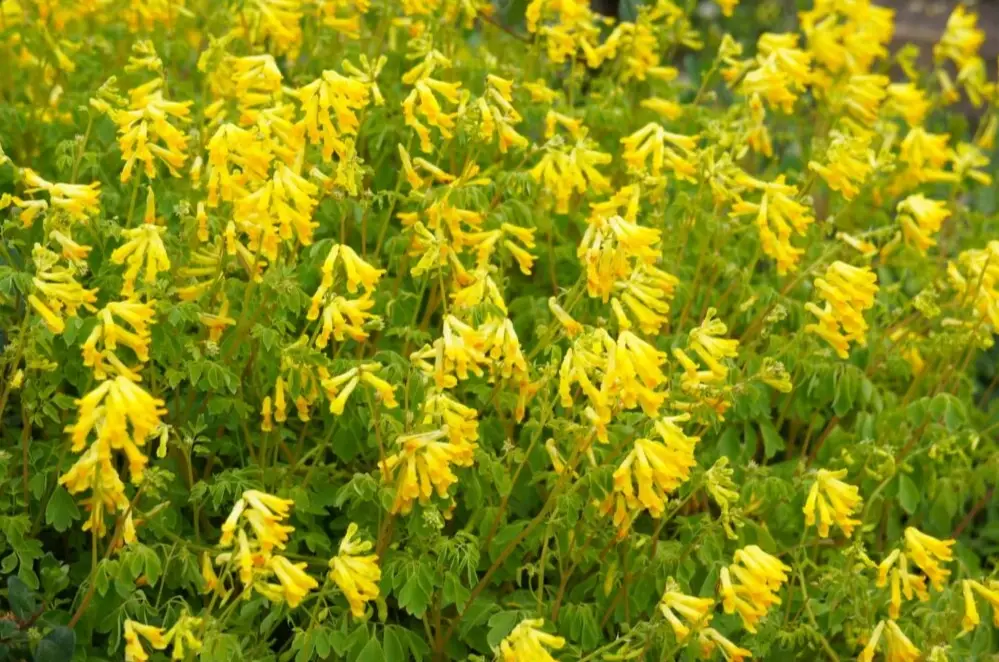
| Corydalis Type | Key Feature | Bloom Time | Dormancy | Best For |
|---|---|---|---|---|
| Corydalis solida (e.g., 'Beth Evans', 'George Baker') | Tuberous, spring ephemeral | Early to Mid-Spring | Dies back completely in summer | Woodland gardens, under deciduous trees |
| Corydalis lutea | Fibrous-rooted, self-seeds readily | Late Spring to Fall (intermittently) | Evergreen/semi-evergreen in mild climates | Rock gardens, walls, dry shade spots |
| Corydalis flexuosa (e.g., 'Blue Panda', 'China Blue') | Rhizomatous, stunning blue flowers | Spring to Early Summer | May go summer dormant in heat | Premium shade garden specimen |
The Medicinal History and Modern Understanding of Corydalis
Beyond the garden, corydalis has a deep history in traditional medicine, particularly in East Asia. The species Corydalis yanhusuo has been used in Traditional Chinese Medicine (TCM) for centuries, primarily for pain relief and as a sedative. The active compounds are isoquinoline alkaloids, with tetrahydropalmatine (THP) being the most studied.
Modern research, including studies indexed by the National Institutes of Health, has explored these traditional claims. There is scientific interest in its potential analgesic and calming effects. However—and this is a big however—this refers specifically to the prepared rhizome of C. yanhusuo, not the ornamental plants in your backyard.
Important Safety Note: Do not attempt to consume any part of ornamental corydalis plants from a garden center. They are not food-grade, may be treated with pesticides, and different species contain varying alkaloid levels which can be toxic. The medicinal use of any herb should only be undertaken under the guidance of a qualified healthcare professional using properly sourced material. This information is for historical and educational context only.
The takeaway is that this beautiful plant has a fascinating dual identity: a delicate ornament for our shade gardens and a historically significant medicinal herb. It's a reminder of the deep connections between horticulture and human health.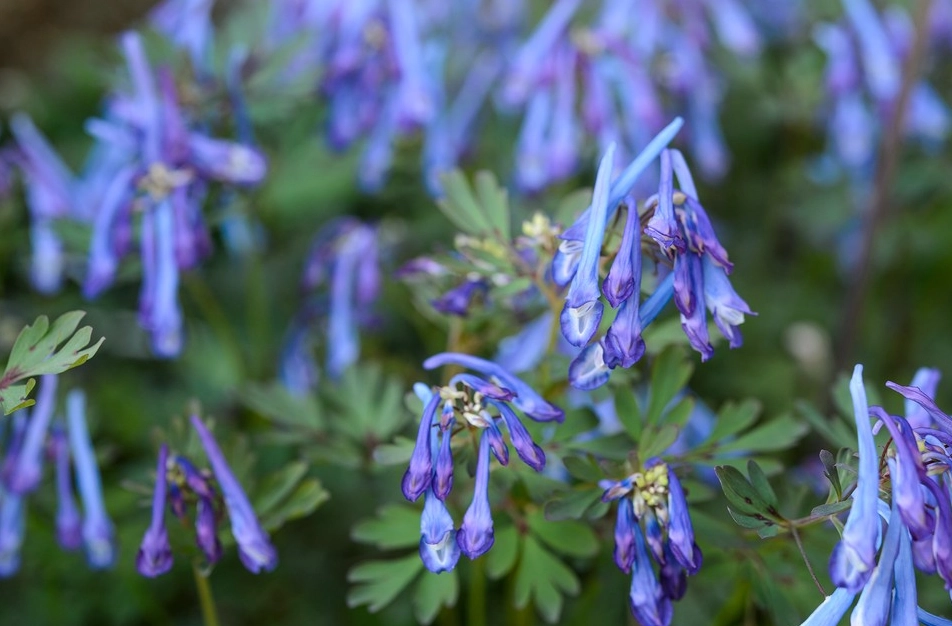
Troubleshooting Common Corydalis Problems
Let's diagnose the usual complaints.
"My corydalis flowered once and vanished!" First, check which type you had. If it was a tuberous spring ephemeral (like C. solida), this is completely normal. It's not dead; it's just sleeping underground until next spring. The mistake is digging up the area thinking it died. If it was a non-dormant type that vanished, the culprit is almost always root rot from poor drainage or overwatering.
"The leaves are turning yellow and wilting." This could be overwatering, especially if the soil feels soggy. It could also be too much hot sun. Move it to a shadier spot if possible and let the soil dry out a bit more between waterings.
"It's not flowering." Likely too much shade. These plants need good light to bloom well, just not scorching afternoon sun. Also, an overabundance of nitrogen fertilizer can promote leafy growth at the expense of flowers.
Pests and Diseases: Corydalis is relatively pest-free. Slugs and snails might nibble the new spring growth. Good air circulation and avoiding overhead watering help prevent any fungal issues.
Beyond the Basics: My Personal Experience with Corydalis
I killed my first corydalis, a lovely 'Blue Panda', by planting it in what I thought was "good garden soil"—a rich, moisture-retentive loam. It languished, turned yellow, and was gone by July. I blamed the plant. Years later, on a hike in the mountains, I saw a colony of native Corydalis aurea growing happily in the scree at the edge of a rocky outcrop, soil that was basically gravel and leaf litter. The light bulb went on.
My success came from ignoring the bagged potting mix. Now, I create a custom mound for them: a 60/40 mix of a standard potting compost and poultry grit (or aquarium gravel). I plant them high, so the crown is slightly above the surrounding soil level to ensure drainage. I water them in, then basically treat them like a succulent in terms of watering until they're actively growing. This "harsh" treatment has resulted in plants that not only survive but self-seed modestly around the gravelly edges of my shade garden.
The other tip? Don't baby them. Once established, they are remarkably drought-tolerant for shade plants. My neglect often leads to better performance than my previous over-attention.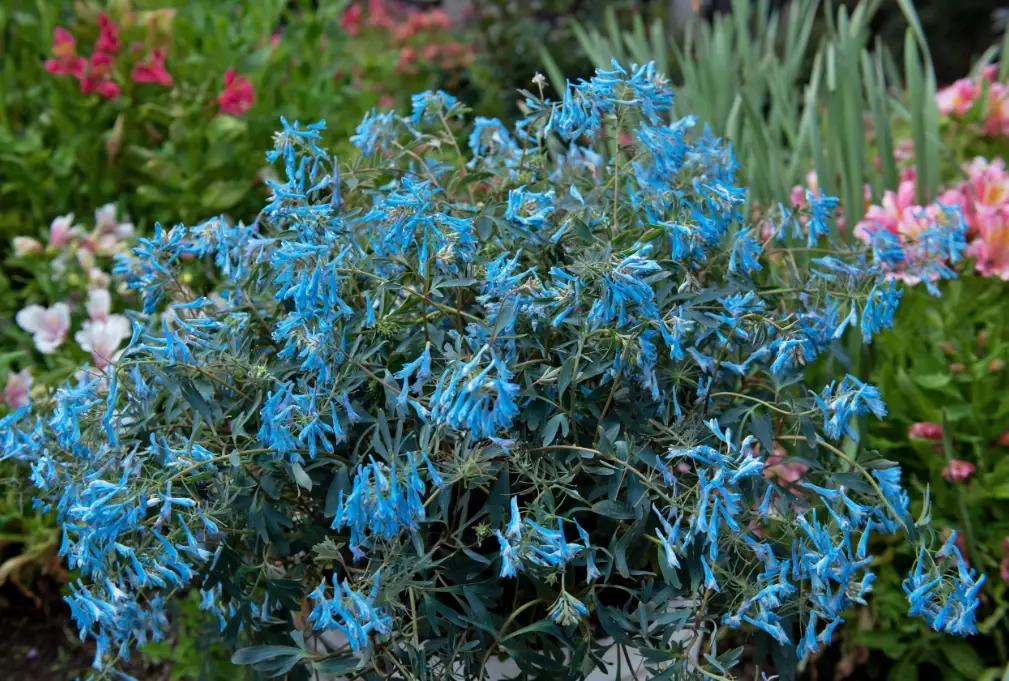
Corydalis FAQ: Your Questions, Answered
Why did my corydalis disappear after flowering?
You likely have a tuberous, spring-ephemeral type like Corydalis solida. This is its natural life cycle. After blooming and setting seed, the plant's energy retreats to the tuber underground to wait out the summer heat and drought. It's not dead. Mark its location and avoid watering that area excessively during summer. It should reappear the following spring.
Can corydalis be grown in containers?
Absolutely, and it's often a great solution, especially if you have heavy garden soil. Use a deep pot with excellent drainage holes and a very gritty, free-draining potting mix (add perlite or grit). Container growth lets you control moisture perfectly. Remember to protect the pot from excessive winter wetness, as freezing and thawing in soggy soil will rot the tubers.
 What's the best companion plant for corydalis?
Choose plants that enjoy similar conditions but have different forms and seasons. Ferns are a classic partner, providing texture contrast. Early spring bulbs like miniature daffodils or species tulips bloom alongside it. For summer interest after a dormant corydalis vanishes, plant shallow-rooted annuals like impatiens or begonias nearby. Hostas work well with the longer-lasting C. lutea types.
Is corydalis invasive?
Most varieties are well-behaved. Corydalis lutea has a reputation for self-seeding enthusiastically, but the seedlings are easy to pull if they appear in unwanted places. I wouldn't call it invasive in the destructive sense, but it can naturalize pleasantly in walls and gravel paths. The tuberous types spread very slowly by offsets and are not a concern.
How do I propagate corydalis?
The easiest method is by seed. Many species self-sow, and you can collect seed when the pods dry and sow them fresh in autumn. Division is possible for mature clumps of fibrous-rooted types (like C. lutea) in early spring or autumn. Tuberous types can be divided when dormant in late summer, but be gentle as the tubers can be brittle. Honestly, letting it self-seed is the least fussy approach.
Reader Comments