Forget complicated gardening rules. Companion planting is simply about putting the right plants next to each other so they help each other out. It's like creating a supportive neighborhood in your garden where tomatoes protect basil from flies, and marigolds stand guard against root-eating worms. I started experimenting with companion plants over a decade ago, mostly out of frustration with pests. What began as a desperate attempt to avoid pesticides turned into the core of how I garden today. The results aren't just folklore; organizations like the Missouri Botanical Garden and the Rodale Institute document the real, observable benefits of these plant relationships for soil health and pest management.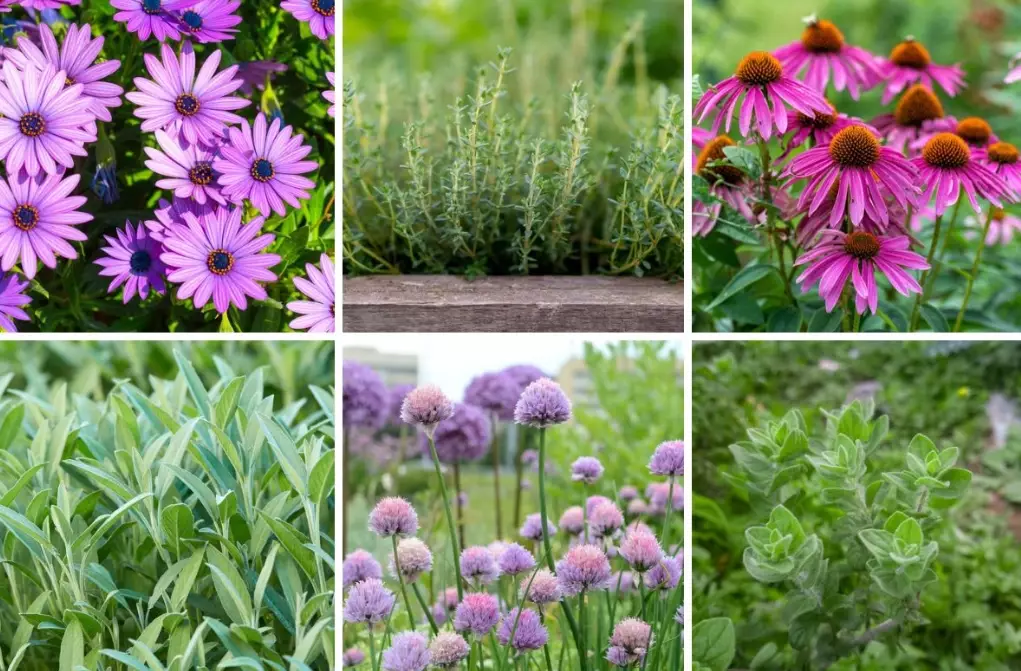
Your Quick Garden Navigation
How Companion Plants Actually Help Each Other
The magic happens in a few key ways. It's not just "these two get along." There's a specific job being done.
Pest Confusion and Repellent is the most famous benefit. Strong-smelling herbs like rosemary, sage, and mint mask the scent of your vegetables, making it harder for pests like cabbage moths and carrot flies to find their target. It's a simple olfactory camouflage.
Attracting Beneficial Insects is arguably more important. You want the good bugs around. Plants with small, clustered flowers (dill, fennel, yarrow, alyssum) are perfect landing pads for ladybugs, lacewings, and parasitic wasps. These predators then feast on your aphids and caterpillars. I always let a few of my carrots or cilantro "bolt" (go to flower) for this exact purpose.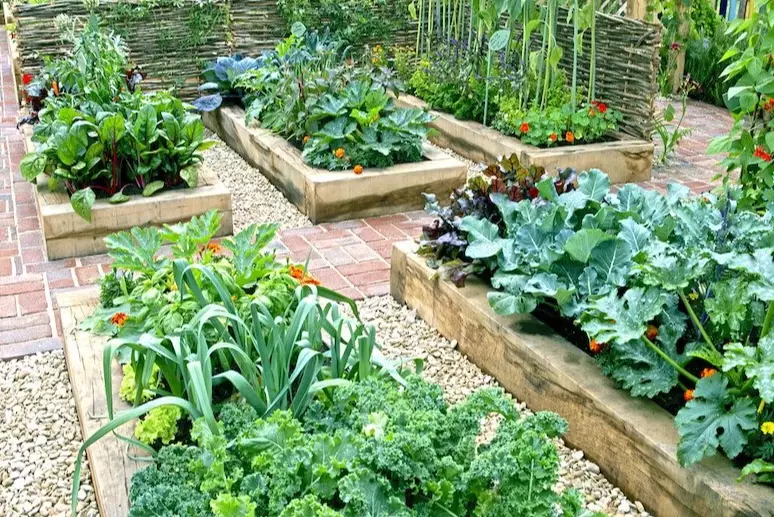
Physical Support and Shade is a practical one. Tall corn can support climbing beans. Sprawling squash leaves create a living mulch, shading the soil to conserve moisture and suppress weeds around corn and bean roots. This is the classic "Three Sisters" method practiced by Indigenous Americans for centuries.
Soil Science in Action: Some plants, like beans and peas (legumes), have a symbiotic relationship with bacteria in their roots that pulls nitrogen from the air and fixes it in the soil. Planting heavy feeders like corn or leafy greens near last season's bean patch gives them a natural nutrient boost. It's free fertilizer.
Top Companion Pairings for Popular Vegetables
Let's get specific. Here are pairings I've relied on year after year, and the reasons why they work so well.
| Main Crop | Best Companions (Friends) | How They Help | Plants to Avoid (Enemies) |
|---|---|---|---|
| Tomatoes | Basil, Marigolds, Borage, Carrots, Onions | Basil may improve flavor & repel flies; marigolds deter root-knot nematodes; borage attracts pollinators & deters hornworms. | Brassicas (cabbage, kale), Fennel, Corn |
| Cucumbers | Dill, Nasturtiums, Radishes, Peas, Sunflowers | Dill attracts predators; nasturtiums trap aphids; radishes deter cucumber beetles; peas add nitrogen. | Aromatic Herbs (Sage, Mint), Potatoes |
| Peppers (Bell & Hot) | Basil, Oregano, Onions, Spinach, Marigolds | Herbs help repel aphids & spider mites; onions deter pests; spinach acts as a living mulch. | Beans, Fennel |
| Carrots | Leeks/Onions, Rosemary, Sage, Lettuce | Alliums mask carrot scent from carrot fly; strong herbs deter the fly; lettuce is a space-efficient filler. | Dill, Parsley (can cross-pollinate) |
| Broccoli/Cabbage | Dill, Celery, Beets, Onions, Nasturtiums | Dill attracts wasps that eat caterpillars; celery may repel cabbage worms; beets are a space-efficient filler. | Strawberries, Tomatoes, Pole Beans |
One pairing I'm personally skeptical about is the oft-repeated "tomatoes love carrots." In my experience, carrots need loose, deep soil prepared early, while tomatoes need a deep hole at planting. Their root zones and cultivation needs are different enough that I find they do better in separate beds, even if they don't actively harm each other.
How to Start Companion Planting This Season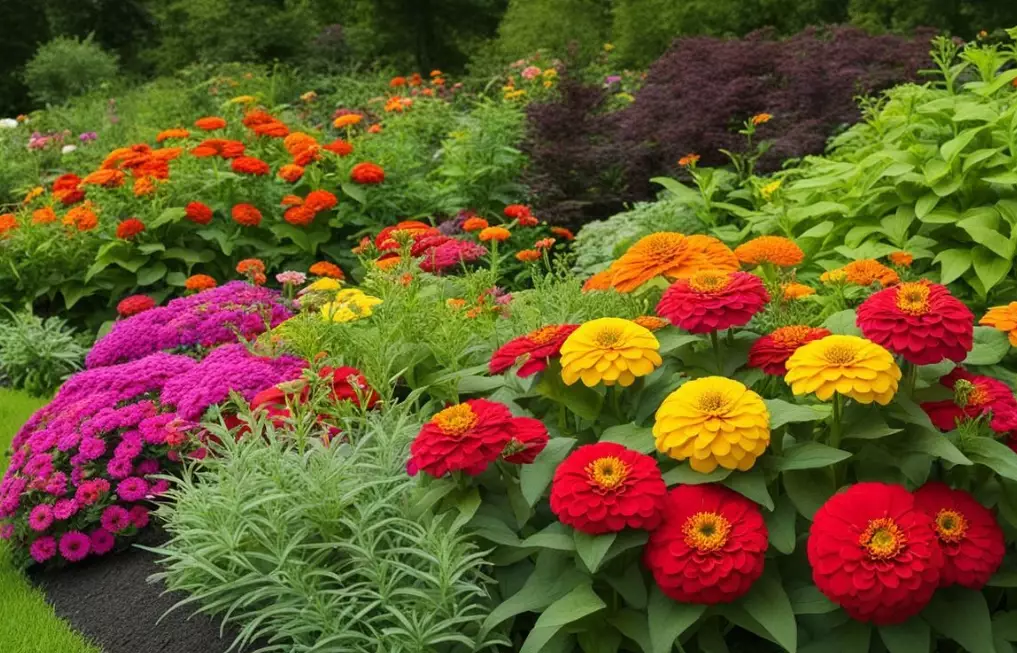
You don't need to redesign your whole garden. Start with one or two high-impact combinations.
Step 1: The "Must-Do" First Pairing
If you only try one thing this year, plant French Marigolds (Tagetes patula) with your tomatoes, peppers, or in any bed that had nematode issues. Buy a six-pack of seedlings and tuck them in between your veggie starts. Their roots release a compound that suppresses microscopic root-knot nematodes. It's one of the most proven effects in companion planting.
Step 2: Interplant, Don't Just Border
The biggest mistake is planting companions in separate blocks. For pest confusion to work, you need to mix them up. Don't plant a row of basil next to a row of tomatoes. Instead, plant a basil seedling between every two tomato plants. Weave your onions in among the carrots. This creates a true mosaic that confuses pests.
Step 3: Think in Layers and Time
Use fast-growing plants (radishes, lettuce, spinach) as "fillers" between slow-growing ones (broccoli, peppers). You'll harvest the filler before the main crop needs the space. It's called succession planting and it doubles your yield from the same square footage.
A Reality Check: Companion planting is a tool for reducing pest pressure, not eliminating it. In a bad pest year, you might still see some damage. It shifts the balance in your favor, but it's not a silver bullet. Combine it with other practices like crop rotation and healthy soil.
Common Mistakes Even Experienced Gardeners Make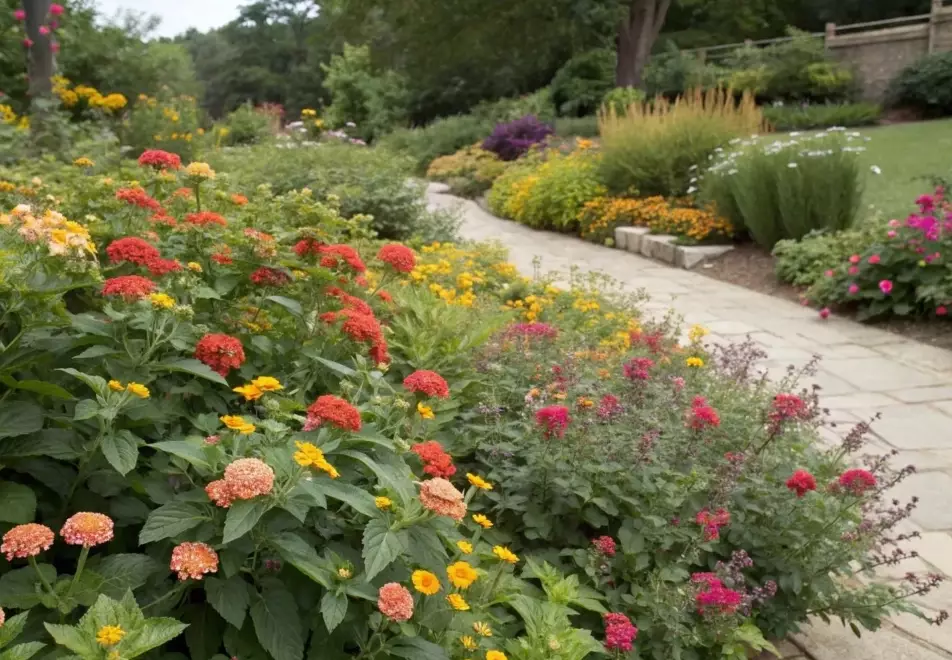
I've made these myself, so learn from my wasted space.
Overcrowding in the Name of Companionship. Just because plants are friends doesn't mean they don't need air and light. If you pack them too tightly, you create a humid environment perfect for fungal diseases like powdery mildew. Always follow spacing guidelines for the larger of the two plants.
Ignoring Soil and Sun Needs. Rosemary and lavender are great pest deterrents, but they need full sun and well-drained, slightly sandy soil. Planting them in the rich, moist soil of your vegetable bed to companion with cucumbers will likely kill the herbs. Group plants with similar cultural requirements first, then apply companion principles within that group.
Following Lists Blindly. A classic list might say "beans with potatoes." But which beans? Bush beans are fine. Vigorous pole beans will aggressively climb and shade out potato plants, competing fiercely. The specific cultivar matters.
Beyond the Basics: Advanced Companion Strategies
Once you're comfortable, try these concepts.
Trap Cropping: This is planting something pests love more to save your main crop. Nasturtiums are aphid magnets. Plant them a few feet away from your prized roses or broccoli. The aphids will flock to the nasturtiums, which are tough and can handle it, leaving your other plants cleaner. Then you can simply prune and dispose of the infested nasturtium leaves.
Creating a "Beneficial Insect Border": Dedicate the edges of your garden or specific patches to perennial plants that feed and shelter good bugs year-round. Yarrow, echinacea, goldenrod, and dill (if allowed to flower) are excellent. This creates a resident population of defenders right in your garden.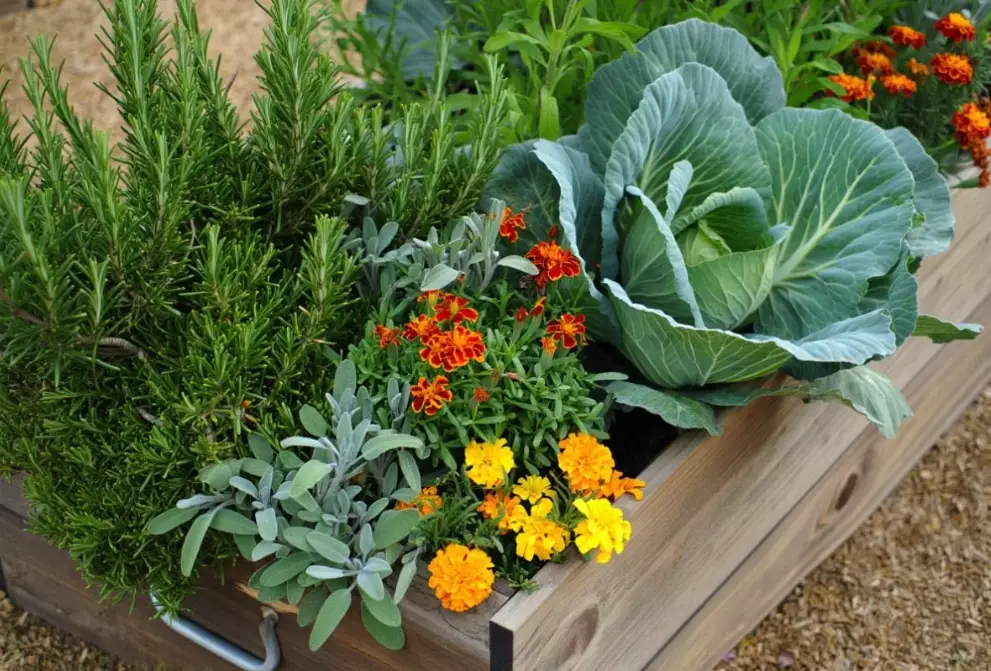
Your Companion Planting Questions Answered
What are the best companion plants for a small patio container with tomatoes?
Focus on compact, multi-purpose friends. Plant one basil and one marigold in the same large pot (at least 5 gallons) with your tomato. The basil serves as a culinary herb and companion, and the marigold handles pest control. Avoid planting anything else in that pot, as tomatoes are heavy feeders and need all the soil nutrients and water they can get in a confined space.
I keep reading that beans and onions are enemies. Is that always true?
This is a great example of an over-generalized rule. The concern is that alliums (onions, garlic) might inhibit the growth of bean plants. In my garden, I've interplanted bush beans with spring onions without issue. The negative effect, if it exists, seems minimal for bush types. However, I would avoid planting aggressive pole beans right next to onions, as the competition for light and space is a bigger issue than any chemical inhibition. Test it in a small section of your garden.
 Can companion planting help with squash bugs and vine borers?
This is a tough one, as these are relentless pests. Companion planting offers limited direct defense here. However, planting nasturtiums or borage nearby can attract more pollinators, which improves squash fruit set—a helpful indirect benefit. The most effective strategies for these pests remain physical: checking the undersides of leaves for eggs (squash bugs) and using row covers early in the season, or injecting Bt (a natural bacteria) into vines at the first sign of borer frass (sawdust-like excrement).
How do I plan a whole garden bed using companion planting principles?
Start with your anchor crop. Let's say it's tomatoes. Place your tomato transplants at their proper spacing. Between each tomato, put a basil plant. In every other gap, plant a marigold. Around the outer edge of the bed, plant a row of leaf lettuce or spinach. The lettuce will be harvested long before the tomatoes need the space. You've created a mini-ecosystem: pest repellents (basil, marigold), a main crop, and a quick filler crop, all working together without competing.
Reader Comments