You see them everywhere in coastal gardens and modern landscapes – those bold, sword-like leaves in shades of bronze, green, and purple. New Zealand flax (Phormium tenax and its hybrids) is a design darling for good reason. It's tough, architectural, and adds instant drama. But here's the thing most articles don't tell you: it's also surprisingly fussy if you get the basics wrong. A neglected flax can turn into a messy, brown-tipped eyesore faster than you can say "drought-tolerant." I've spent over a decade working with these plants, from commercial nurseries to private estates, and I've seen every mistake in the book. This guide cuts through the generic advice and gives you the specific, actionable knowledge to make your flax not just survive, but spectacularly thrive.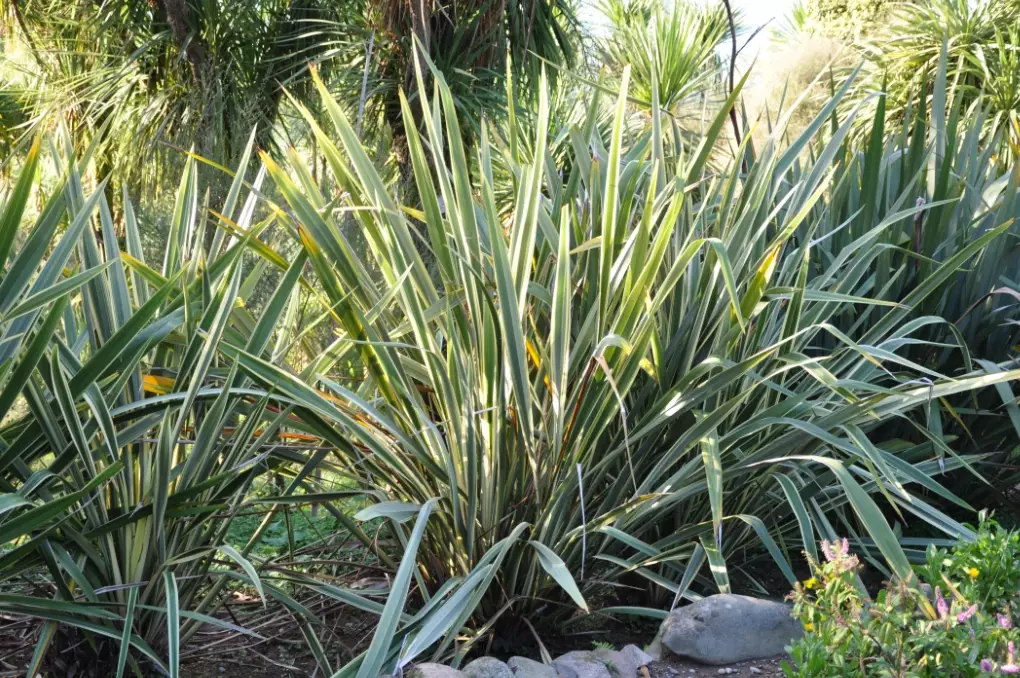
What's Inside This Guide
What Exactly is New Zealand Flax?
Let's clear up the confusion first. When we talk about New Zealand flax, we're primarily referring to Phormium tenax (harakeke) and Phormium cookianum (wharariki), and the hundreds of cultivated hybrids between them. It's not a true flax (that's Linum usitatissimum, grown for linen). It's a massive, clumping evergreen perennial in the Asphodelaceae family.
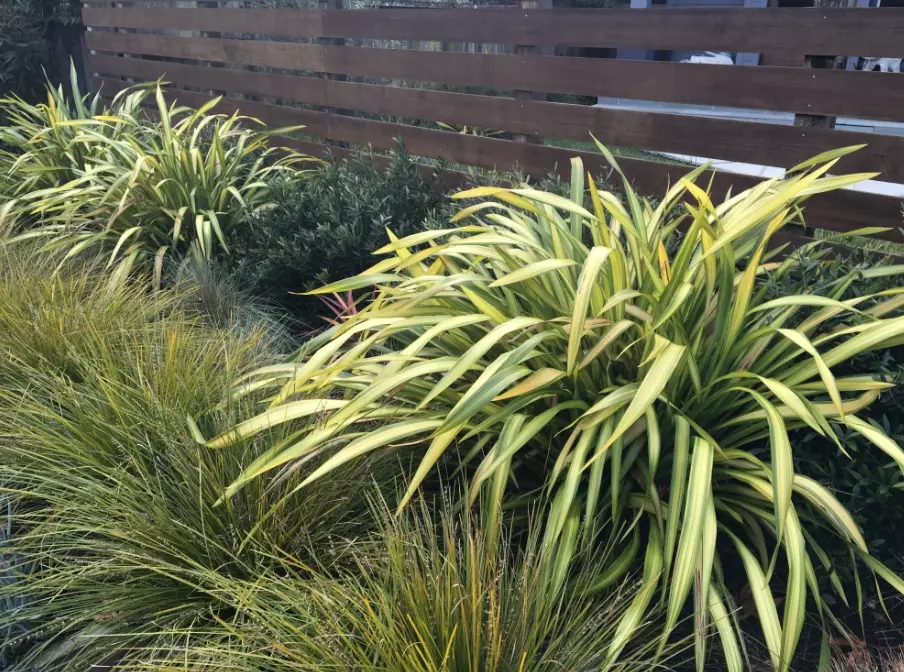
Its traditional Maori uses are incredible – the fibrous leaves were (and still are) used for weaving baskets, mats, and even fishing lines. But in your garden, it's all about that bold form. The leaves erupt from a central base, arching outwards. Modern cultivars range from compact 60cm mounds to towering 3-meter specimens, with colors spanning deep purples ('Purpureum'), vibrant reds ('Dazzler'), striped pinks ('Pink Panther'), and classic greens.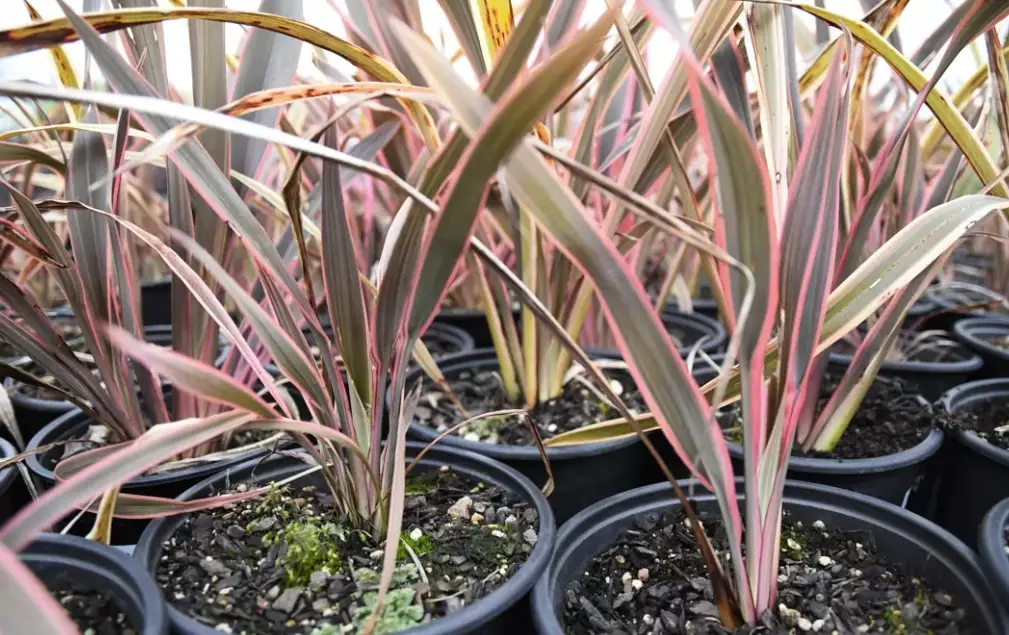
The Non-Negotiable Rules for Growing & Care
Forget the "plant it and forget it" myth. To get that lush, vibrant look, you need to understand what makes it tick.
Light and Location: The Biggest Decision
Most flaxes crave full sun. Six hours minimum. That's where the best leaf color develops, especially for the reds and purples. They'll tolerate light shade, but the growth will be looser, floppier, and the colors washed out. I've seen 'Bronze Baby' turn a sad olive-green in deep shade. There's one exception: in extremely hot, dry inland climates (think Arizona or parts of Australia), some afternoon shade can prevent leaf scorch.
Watering Wisdom: Drench, Then Drought
This is the number one killer. Yes, established flaxes are drought-tolerant. But newly planted flaxes need consistent moisture for their first year. Think of it like building a reservoir. Water deeply once or twice a week to encourage deep roots, then you can gradually back off. The worst approach is frequent, shallow sprinkling – it promotes weak surface roots. Once established, they can handle dry spells, but a deep soak during a prolonged drought will keep them looking pristine.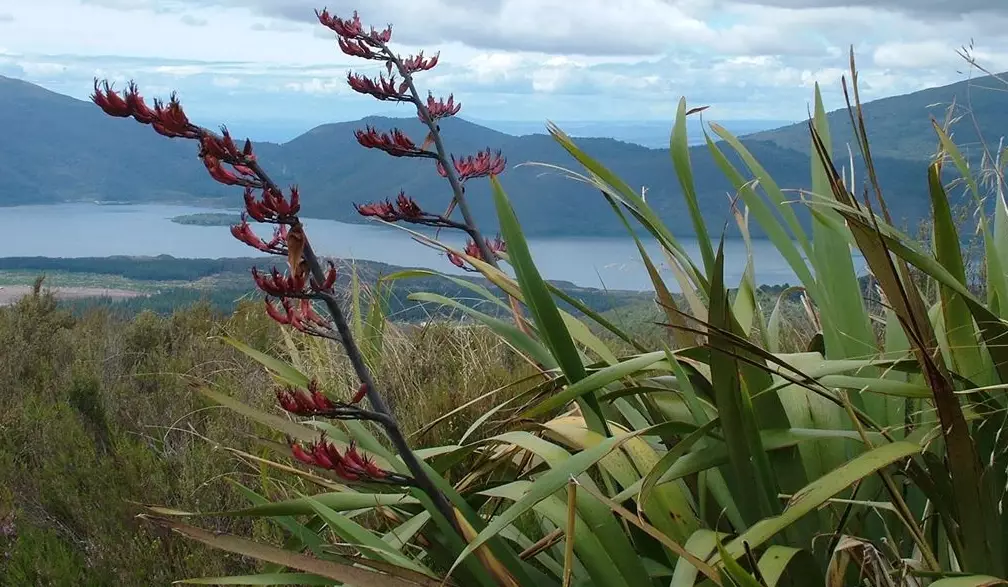
Soil and Feeding: Less is More
They despise wet feet. Well-draining soil is non-negotiable. If you have heavy clay, you must raise the planting bed or mix in plenty of grit. I add a 5cm layer of pumice or coarse sand to the planting hole in clay areas. As for food, they aren't heavy feeders. A light application of a balanced, slow-release fertilizer in early spring is plenty. Over-fertilizing, especially with high-nitrogen mixes, leads to soft, sappy growth that's prone to frost damage and pests.
The Art of the Prune (It's Mostly Cleaning)
You don't "prune" a flax like a hedge. You clean it. Once or twice a year, put on some sturdy gloves (the leaf edges can be sharp), and pull out the oldest, outermost leaves. Grasp them right at the base and give a firm, downward tug. They should come away cleanly. This removes tired foliage, opens up the center for air circulation, and encourages new growth. Never cut leaves halfway – it looks terrible and invites disease into the cut end.
Solving Common Flax Problems (Before They Start)
Here’s where experience pays off. Most issues are preventable.
| Symptom | Likely Cause | The Fix |
|---|---|---|
| Brown, crispy leaf tips | Wind scorch, salt spray, or underwatering (in containers). | Provide a windbreak if in an exposed site. For container plants, check soil moisture more frequently. Simply snip the brown tips off at an angle to follow the leaf shape. |
| Whole leaves turning yellow/brown from the base | Natural aging. Old leaves die back to make room for new ones. | This is normal! Just remove them by pulling as described in the pruning section. |
| Center of the plant rotting, leaves mushy at base | Crown rot from poor drainage or overwatering. | This is serious. Stop watering. Improve drainage immediately. You may need to lift the plant, cut away all rotten tissue, and replant in a drier spot or fresh mix. |
| Plant not flowering | Most modern colorful hybrids are bred for foliage and rarely flower. Some species types flower after many years. | Don't worry about it. The flowers (on tall spikes) are a bonus, not the main event. Lack of flowers isn't a sign of poor health. |
| Mealybugs or scale insects | Pests attracted to stressed or over-fertilized plants. | Blast with a strong jet of water. For persistent issues, use a horticultural oil or insecticidal soap, ensuring it gets into the leaf bases. Improve plant health to prevent recurrence. |
A specific pest to watch for is the New Zealand flax moth (or flax looper caterpillar). Its larvae chew notches out of the leaves. If you see this damage, inspect the undersides of leaves at dusk for green caterpillars and pick them off. In severe cases, a biological control like Bacillus thuringiensis (Bt) is effective.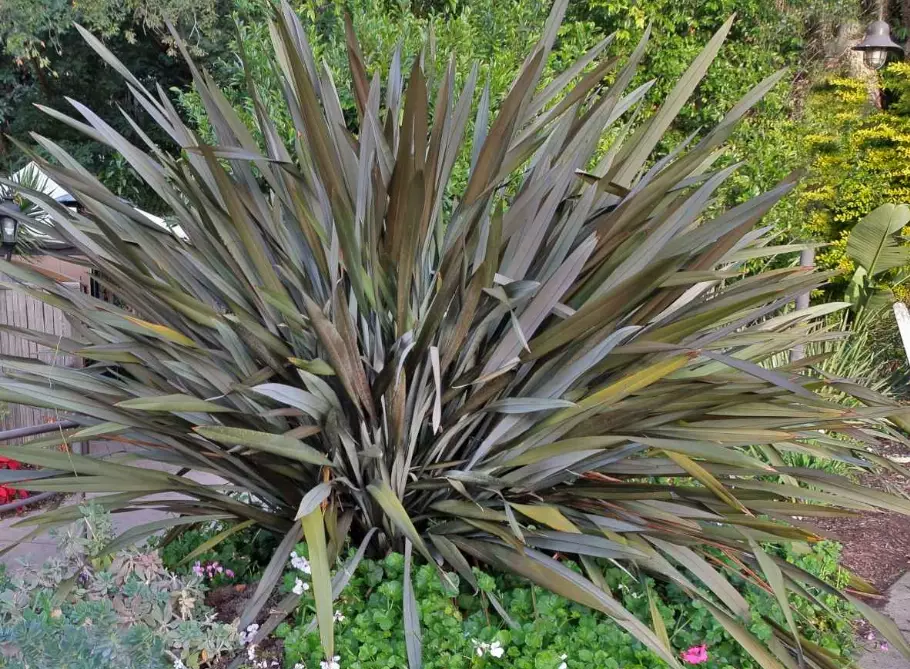
Beyond the Basics: Design & Inspiration
This is the fun part. Flax isn't just a solitary specimen. Use it to create rhythm and structure.
For Impact: Plant a single, large cultivar like 'Yellow Wave' as a focal point at the end of a path.
For Rhythm: Line a driveway with a repeating series of a medium-sized variety like 'Dark Delight'.
For Contrast: Pair the spiky, vertical form of a purple flax with the soft, mounding shape of silvery Artemisia or lavender.
In Containers: Dwarf varieties like 'Jack Sprat' (red) or 'Flamingo' (pink-striped) are perfect for modern patio pots. Use a premium, free-draining potting mix and ensure the pot has excellent drainage holes.
My personal favorite combo? Phormium 'Platt's Black' rising behind a drift of ornamental grasses like Stipa tenuissima. The contrast between the rigid black swords and the whispering, flowing grass is pure magic.
Your Flax Questions, Answered
 Why are the leaves on my prized red flax suddenly turning green?
Reader Comments