Let's be honest about wisteria. You've seen those breathtaking photos – cascades of purple or white flowers dripping from a pergola, a vision of springtime magic. Then you plant one. For years, you get a vigorous, leafy beast that climbs everything in sight but produces maybe three sad little flower clusters. I've been there. I've also seen wisteria vines pull gutters off houses and crush flimsy arbors. This plant is a beautiful, long-lived, and frankly, (that's Chinese for "domineering") perennial vine. The gap between the dream and the reality is where most gardeners fail. This guide isn't just about growing wisteria; it's about succeeding with it, on your terms, without letting it turn into a landscape monster.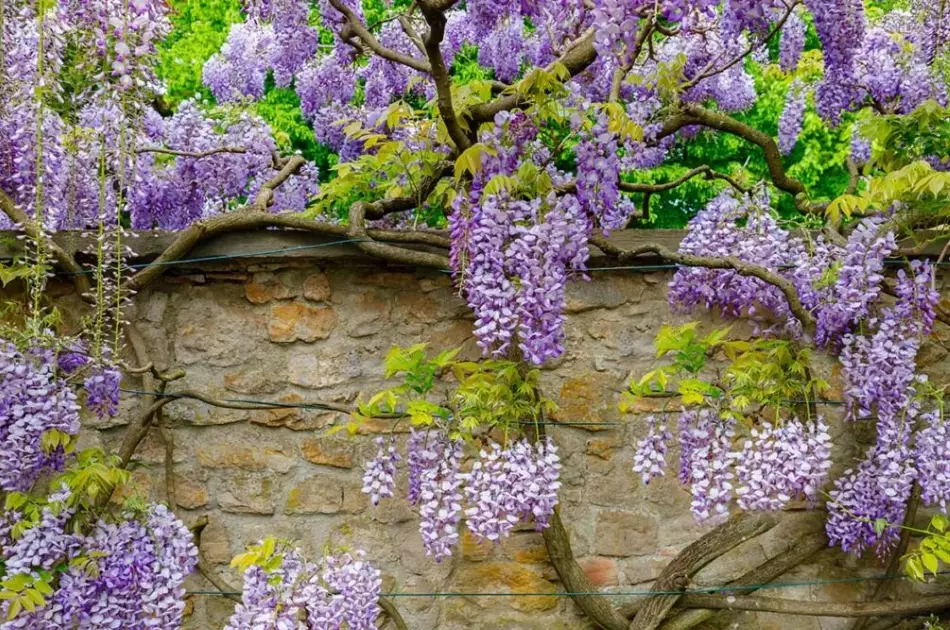
What You'll Learn About Wisteria Vines
Picking the Right Wisteria Vine for Your Garden
Your first and most critical decision happens before you even put a spade in the ground. Not all wisterias are created equal, and choosing wrong can mean a decade of waiting for flowers that never come. The main players are Chinese wisteria (Wisteria sinensis) and Japanese wisteria (Wisteria floribunda). But the real star for most North American gardeners is the often-overlooked American wisteria (Wisteria frutescens) and its cultivar 'Amethyst Falls'.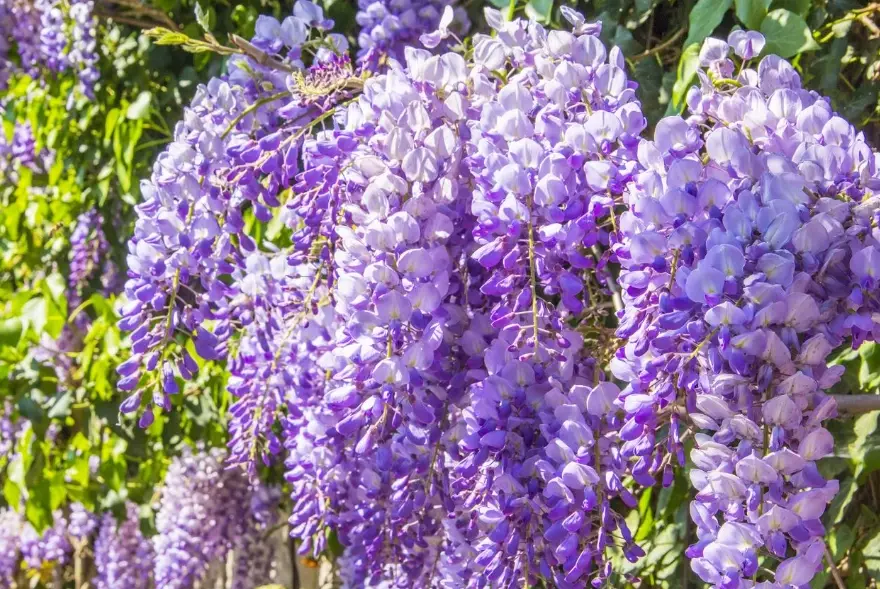
Here’s the breakdown that most garden centers won't give you:
| Type & Common Cultivars | Key Characteristics | Best For... | Bloom Time & Notes |
|---|---|---|---|
| Chinese Wisteria (e.g., W. sinensis) |
Extremely vigorous, twines counter-clockwise. Can become invasive. Flowers all at once before leaves. | Large, sturdy structures (stone, heavy steel) in spacious gardens. For the committed manager. | Mid-spring. Can take 7+ years to bloom from seed. Buy grafted plants. |
| Japanese Wisteria (e.g., W. floribunda 'Longissima Alba') |
Also very vigorous, twines clockwise. Known for incredibly long flower racemes (up to 3 feet!). | Dramatic, long-flowering displays on very strong supports. Requires diligent pruning. | Late spring, often with leaves. Bloom maturity similar to Chinese. |
| American Wisteria (e.g., W. frutescens 'Amethyst Falls') |
Less aggressive, more manageable size. Not invasive. Flowers after leaves appear. | Smaller gardens, pergolas, fences. Frustrated gardeners who want blooms sooner. | Late spring to summer, and may rebloom. Blooms at a younger age (2-3 years). |
The expert tip everyone misses? If you're east of the Mississippi, seriously consider the native American wisteria. It's a better ecological choice and far less likely to escape and damage natural areas, a documented problem with the Asian species. The National Invasive Species Information Center lists Chinese and Japanese wisteria as invasive in many regions. 'Amethyst Falls' gives you 6-12 inch lavender clusters on a vine you can actually control.
The Non-Negotiable Steps for Planting Wisteria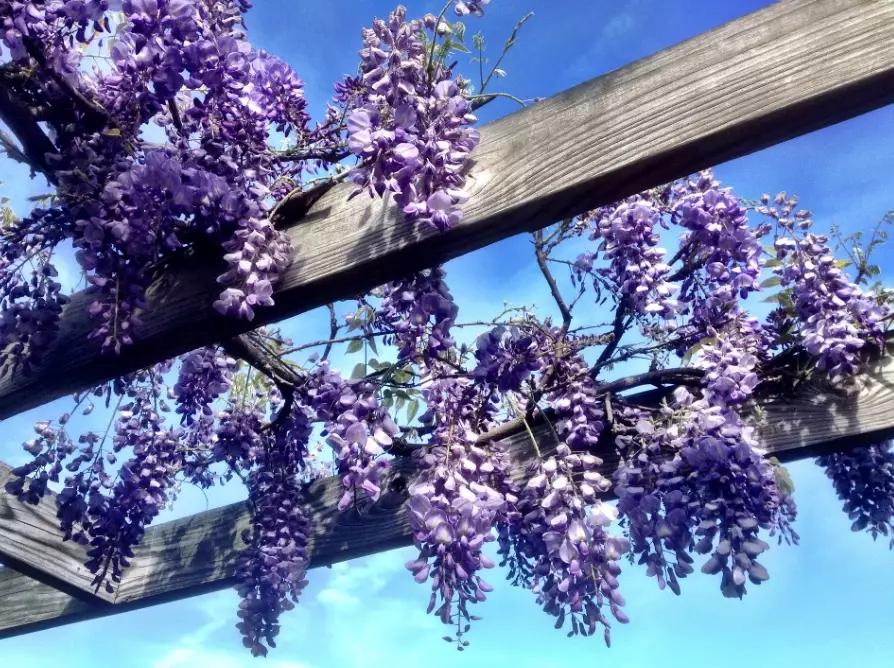
Planting wisteria isn't like planting a petunia. Get this wrong, and you're building a foundation for failure. Location is everything. Think of a spot that gets at least 6 hours of direct sun. More is better. Less than that, and you're basically growing a giant leafy vine that will never flower well.
The support structure is non-negotiable and must be installed before planting. This isn't a suggestion. A mature wisteria is heavy – hundreds of pounds heavy. I made the mistake of using a pre-fab cedar arbor for my first Chinese wisteria. Within five years, the main posts were buckling inward. You need something massively strong: treated 4x4 or 6x6 timber posts set in concrete, or heavy-gauge steel. A south or west-facing wall with strong, galvanized wires (like 12-gauge) spaced 18 inches apart is perfect.
The first two years are about root establishment, not top growth. Water regularly during dry spells. Train the main leader up your support, tying it loosely. Don't let it scramble everywhere. You're the boss from day one.
How to Prune Wisteria for Maximum Blooms
This is the secret. This is what separates the wisteria haves from the have-nots. Pruning is not optional; it's the language you use to tell the vine to make flowers instead of a jungle. The common advice is "prune twice a year." That's correct, but the timing and technique are where people mess up.
Wisteria flowers on short spurs made from the previous season's growth. Your job is to systematically shorten that long, whippy growth to create a framework of these spurs.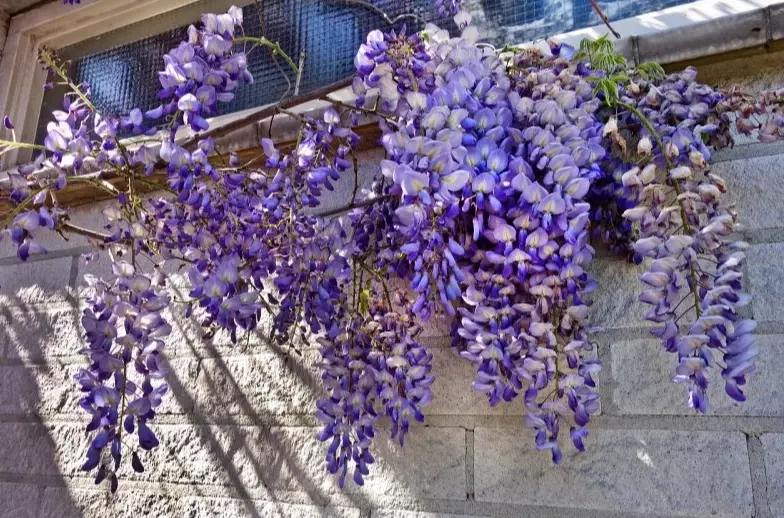
The Two-Step Pruning Process
Summer Pruning (Late July/August): This is the main event. Once the long, green, current-year shoots have extended, cut them back hard. Leave only 5-6 leaves or buds from the main framework. This looks brutal. You're cutting off feet of growth. This does two things: it lets sunlight into the plant to ripen the wood (essential for flower bud formation), and it converts that leafy shoot into a potential flowering spur.
Winter Pruning (January/February): When the plant is dormant and leafless, go back to those same spurs you created in summer. Now, cut them back even further, leaving only 2-3 buds. These fat, rounded buds are your flower buds for spring. The pointy, narrower ones are leaf buds.
I use a pair of sharp bypass pruners and a folding pruning saw for older wood. I also keep a small bottle of rubbing alcohol and a rag to wipe blades between cuts, especially if I'm dealing with any diseased wood. It's a simple habit that prevents spreading problems.
Why Isn't My Wisteria Blooming? The Real Reasons
You've done everything "right," and still no flowers. It's infuriating. Let's diagnose, moving past the generic advice.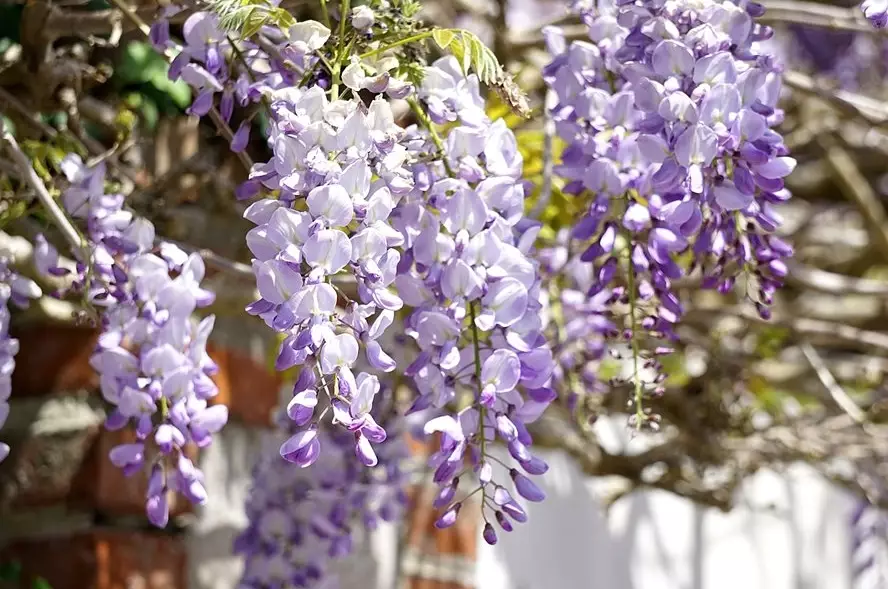
1. It's Too Young (But Maybe It Shouldn't Be): Asian wisterias from seed can take 10-15 years to bloom. That's insane. Did you buy a seed-grown plant from a cheap source? This is the most common trap. Always buy a grafted plant from a reputable nursery. Grafted wisterias are pieces of a mature, blooming vine attached to a rootstock. They should bloom within 3-4 years. Ask the nursery before you buy.
2. Incorrect Pruning (The Timing is Off): Pruning in late spring or early summer removes the wood that was preparing to form flower buds. Stick to the late-summer and winter schedule religiously.
3. Too Much Nitrogen / Rich Soil: Are you planting it near a lawn that gets fertilized? Is there a lot of compost in the soil? Excess nitrogen fuels leafy growth at the expense of flowers. Stop fertilizing. If the vine is overly lush, some gardeners even recommend root pruning – driving a spade in a circle about 2-3 feet from the main stem to sever some roots and stress the plant slightly. It sounds harsh, but it can shock a vegetative plant into reproductive mode.
4. Lack of Sun: Trees have grown and now shade it. A building shadow falls on it. There's no fix but to move the vine or remove the shade source. Wisteria is a full-sun addict.
Solving Common Wisteria Vine Problems
Beyond blooming, wisterias have other quirks.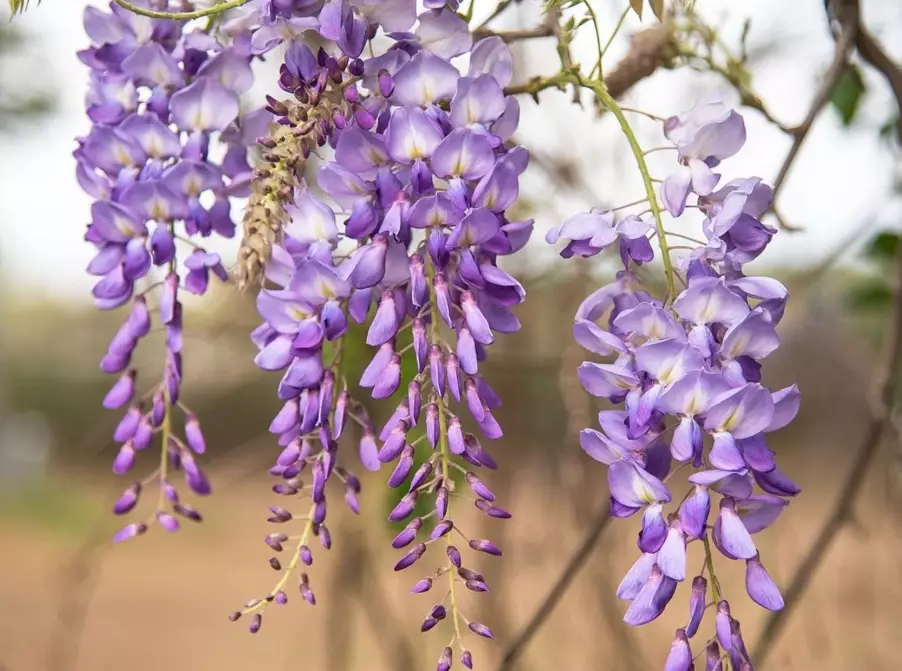
Dieback and Fungal Issues: Wisteria can get powdery mildew or leaf spots, especially in humid climates. Good air circulation (from proper pruning) is the best prevention. If needed, a fungicide containing potassium bicarbonate can help. More serious is crown gall or root rot from poorly drained soil – that's often fatal. Plant in well-drained ground from the start.
The Vine is Eating My House: It will. Those twining stems can work their way under siding and roof shingles. Maintain a strict 6-inch gap between the vine and any wooden structure. Train it onto a freestanding support system placed away from the house, or use a wall-mounted wire system that keeps it off the surface.
Managing Size on an Old, Overgrown Vine: You can renovate it. Do it in late winter. Identify the main framework branches you want to keep. Then, cut back all the tangled mess of side shoots to 2-3 buds from these main arms. You may lose a year's flowers, but you'll regain control. The Royal Horticultural Society has excellent diagrams on hard renovation pruning.
Wisteria Vine FAQs: Expert Answers to Thorny Questions
 Can I grow wisteria in a large container?
Reader Comments