Let's be honest. That north-facing wall, the area under the big oak tree, the narrow side yard between houses—we've all stared at these spots and felt a pang of gardening defeat. The instinct is to throw sun-loving petunias at the problem and hope for a miracle. They die. You feel like a failure. I've been there, wasting money on plants that were doomed from the start.
The real solution isn't a fight. It's a partnership. Shade tolerant plants are the unsung heroes of the gardening world, specialists evolved to thrive where others merely survive or perish. Working with them transformed my gloomy backyard from a mossy afterthought into my favorite room. This guide cuts through the generic advice. We'll move past just listing a few ferns and hostas (though we'll cover the great ones) and into the *how* and *why* of creating a vibrant, low-light garden that feels intentional, not accidental.
What's Inside This Guide
Understanding Shade: It's Not Just "Dark"
The biggest mistake I see? Using the word "shade" as a blanket term. It's like saying "weather." Is it a light drizzle or a hurricane? The type of shade dictates everything. Get this wrong, and your plants will struggle.
Quick Tip: Use your phone. On a bright day, take a time-lapse photo over a few hours or simply observe the light patterns. Does direct sun ever hit the spot? For how long? Is the light dappled through leaves? This simple observation is more valuable than any plant tag.
Here’s the breakdown I use:
Full Shade: Less than 3 hours of direct sun, often none. Think north-facing walls, under dense evergreens. This is the toughest, but not impossible. Plants here focus on foliage, not flowers.
Partial Shade (or Part Shade): The sweet spot for many. 3 to 6 hours of direct sun, preferably the gentler morning sun. Afternoon sun here can still be harsh. This category gives you the most options.
Dappled Shade: Sunlight filtering through high tree canopy (like under a birch or honey locust). The light moves and shimmers. This is premium real estate for shade plants, mimicking their native forest floor habitat.
Deep Shade: The final boss. No direct sun, often coupled with dry soil from tree root competition and poor air circulation. This requires the most careful plant selection and soil prep.
My Top 10 Shade Tolerant Plants (Beyond the Usual Suspects)
Sure, everyone says hostas and ferns. They're fantastic. But let's expand the palette. This table is my curated list from 10 years of trial, error, and watching what actually performs with minimal fuss.
| Plant Name | Best For Shade Type | Height/Spread | Why I Recommend It | One Caveat |
|---|---|---|---|---|
| Hosta | Partial to Full Shade | Varies (6" to 4') | Unbeatable foliage variety. 'Sum and Substance' is a giant lime-green beast. 'Mouse Ears' is tiny and perfect for edges. They're the backbone. | Slugs love them. Use iron phosphate bait, not the blue pellets. |
| Astilbe | Partial to Full Shade | 1-3' tall | Feathery plumes in pink, white, red. Adds vertical interest and a soft texture. Reliable if soil stays moist. | Will fry in dry shade. Needs consistent moisture. |
| Coral Bells (Heuchera) | Partial to Dappled Shade | 1' tall, 1-2' spread | Foliage color machine—purple, lime, silver, peach. Tiny flowers attract hummingbirds. Great for edging. | Can heave out of soil in winter freeze-thaw cycles. A light mulch helps. |
| Japanese Painted Fern | Partial to Full Shade | 1-2' tall | Silvery, burgundy-tinged fronds. Adds a cool, elegant tone. Slower spread than aggressive ferns. | Dislikes completely dry soil. A true gem for moist, rich spots. |
| Lungwort (Pulmonaria) | Partial to Full Shade | 1' tall | Early spring bloomer with cute pink/blue flowers. Spotted foliage looks great all season. Tough as nails. | Foliage can get mildewy in late summer if air circulation is poor. Just cut it back. |
| Toad Lily (Tricyrtis) | Partial to Full Shade | 2-3' tall | Orchid-like flowers in late summer/fall when shade gardens can look tired. A true conversation starter. | Slow to establish. Plant it and be patient—it's worth the wait. |
| Hakone Grass (Hakonechloa) | Partial to Full Shade | 1-2' tall, cascading | A grass that loves shade! Golden or variegated forms light up dark corners with a flowing, fountain-like habit. | Expensive for a grass. Buy a small one and let it fill in over a few years. |
| Brunnera 'Jack Frost' | Partial to Full Shade | 1.5' tall | Heart-shaped leaves look like they're dusted with silver frost. Tiny blue forget-me-not flowers in spring. Stunning. | Can look ratty by late summer if it's too dry. A mid-season trim rejuvenates it. |
| Foamflower (Tiarella) | Partial to Full Shade | 1' tall | Native woodland plant. Frothy white or pink spring flowers. Foliage often has attractive dark veining or markings. | Spreads politely by runners. A better-behaved ground cover than some. |
| Solomon's Seal (Polygonatum) | Partial to Full Shade | 2-4' tall, arching | Elegant, arching stems with hanging bell flowers. Variegated forms are spectacular. Adds architecture. | Disappears completely in winter (herbaceous). Mark its location so you don't dig it up. |
Notice something? Most of these are perennials. That's intentional. Shade gardening is about building layers and texture that return year after year. You're creating a permanent tapestry, not a temporary display.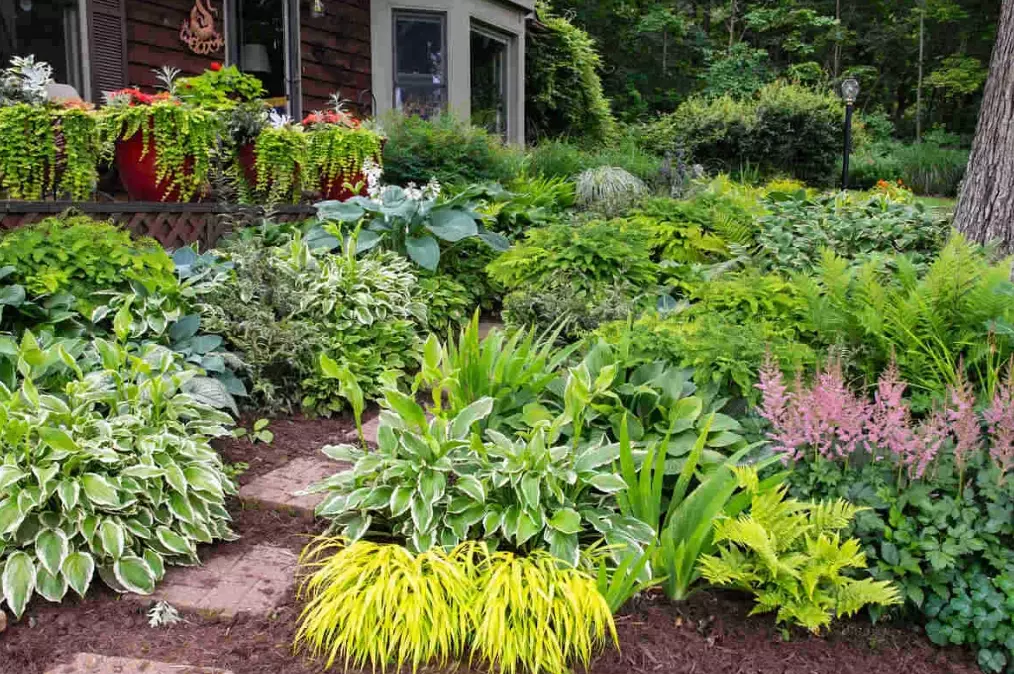
How to Choose the Right Plant for Your Specific Shade
Now, don't just pick plants because they're pretty. Match them to your specific conditions. Think like a plant detective.
Step 1: Diagnose Your Shade. Use the definitions above. Is it morning or afternoon sun? Is the soil also dry because of tree roots?
Step 2: Check the Soil. Is it soggy clay or dust-bowl dry? Most shade plants prefer moist, well-drained, humus-rich soil. If you have dry shade (under maples, for example), you need drought-tolerant shade specialists like Epimedium, Bergenia, or certain sedges.
Step 3: Read the Tag... Critically. "Part Shade" on a tag is a suggestion, not a law. If you're in a hot climate (Zone 7+), that plant might need full shade. If you're in a cool, cloudy climate (Pacific Northwest), "part shade" might tolerate more sun.
Step 4: Think About the Entire Year. A shade garden shouldn't be a one-season wonder. Combine early bloomers (Hellebores, Pulmonaria), summer foliage stars (Hostas, Heuchera), and late-season interest (Toad Lily, Autumn Fern).
The One Thing Everyone Forgets: Root Competition
This is my non-consensus, hard-won lesson. The light is only half the battle. In established shade, especially under trees, the real enemy is the mat of thirsty roots just below the surface. You can't just dig a hole and plop a plant in. It will be strangled.
Here's what works: Dig a wider hole than you think you need. Gently tease out and cut some of the smaller tree roots (cutting a few won't harm a mature tree). Mix a generous amount of compost into the native soil. When you plant, create a slight basin to funnel water to the new plant's roots. Then, apply a 2-3 inch layer of shredded bark mulch to retain moisture and suppress weeds. You're giving your newcomer a fighting chance.
The Shade Garden Planting & Care Guide
Shade gardening is lower maintenance than full sun, but it's not no-maintenance. The rules are just different.
Planting: Spring or early fall are ideal. The soil is cool and moist. Avoid the stress of midsummer. Water deeply at planting and for the first full growing season. Those new roots need to establish beyond the original root ball.
Watering: This is the subtle part. Shade areas dry out slower, so you water less frequently. But when you do water, water deeply. Shallow watering encourages roots to stay at the surface where they'll dry out faster. I use a soaker hose on a timer for 30-45 minutes once a week in dry spells, rather than a quick daily sprinkle.
Feeding: Go gentle. These aren't heavy feeders like tomatoes. A top-dressing of compost in spring is often enough. If you use fertilizer, choose a balanced, slow-release organic type. Too much nitrogen leads to soft, floppy growth that slugs adore.
Mulching: Non-negotiable. It conserves moisture, keeps roots cool, suppresses weeds, and feeds the soil as it breaks down. Shredded leaves are the perfect, free mulch for a shade garden—it's what happens naturally in a forest.
Design Ideas for a Stunning Shade Garden
Forget "green and boring." A shade garden is about subtlety, texture, and calm.
Create Layers: Put taller plants (Solomon's Seal, taller ferns) in back or center, mid-height (Hostas, Astilbe) in the middle, and low creepers (Foamflower, Ajuga) at the edges. This adds depth.
Play with Texture: Contrast the bold, corrugated leaves of Hosta with the fine, feathery fronds of a Fern or the grassy blades of Hakonechloa.
Use Foliage Color as Your Flower: Chartreuse (Hakone grass, 'Sum and Substance' hosta) acts like a spotlight. Dark purple (Heuchera 'Obsidian') adds depth. Variegated leaves (Brunnera, Variegated Solomon's Seal) break up green masses.
Add Hardscape: A simple bench, a birdbath, or a mossy stone path gives the eye a place to rest and makes the space feel like a destination.
Light It Up: Solar-powered LED lights tucked among ferns or aimed at a sculptural hosta can make a shade garden magical at night.
Expert Q&A: Your Shade Gardening Problems Solved
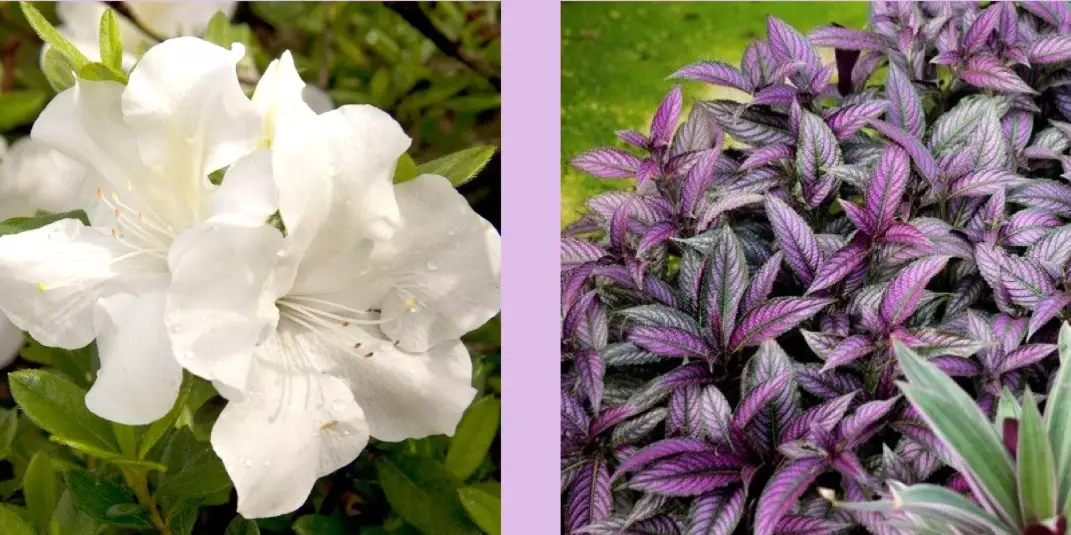 Can I have any color besides green and white in a full shade garden?
The goal isn't to conquer the shade, but to collaborate with it. By choosing the right specialists—the shade tolerant plants that have evolved for these very conditions—you turn a gardening challenge into its greatest opportunity for serenity and lush, cooling beauty. Start with one problem corner. Apply what you've learned here. You might just find it becomes your favorite part of the garden.
Reader Comments