You've seen it in pictures, maybe in a neighbor's shady corner: those delicate, heart-shaped pink and white flowers dangling from arching stems like something out of a fairy tale. The bleeding heart flower, or Lamprocapnos spectabilis (formerly Dicentra spectabilis), is a perennial that stops people in their tracks. But here's the thing many gardening sites gloss over: it's not a "set it and forget it" plant for every garden. I've killed a few before I figured out what they really want. They have a specific rhythm, and if you fight it, you'll end up with a disappointing patch of dirt by midsummer. This guide cuts through the fluff and gives you the straight talk on how to not just grow, but truly succeed with bleeding hearts, turning that shady problem spot into a springtime showstopper.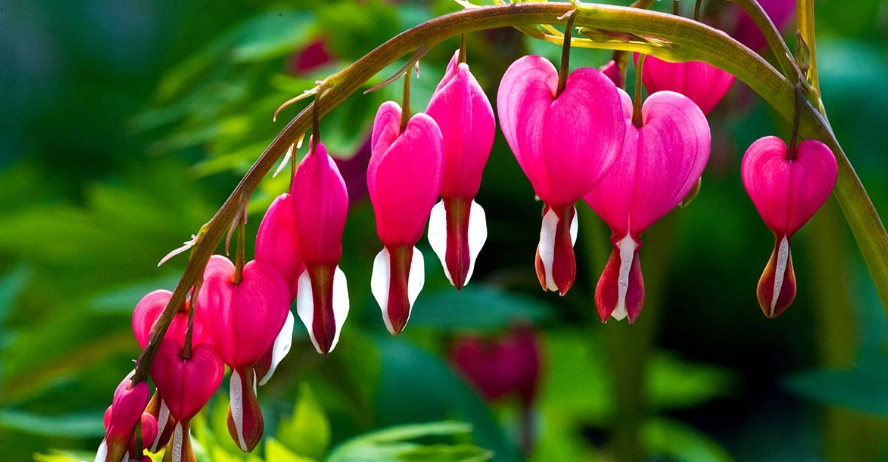
What’s Inside This Guide
What Exactly Is a Bleeding Heart Flower?
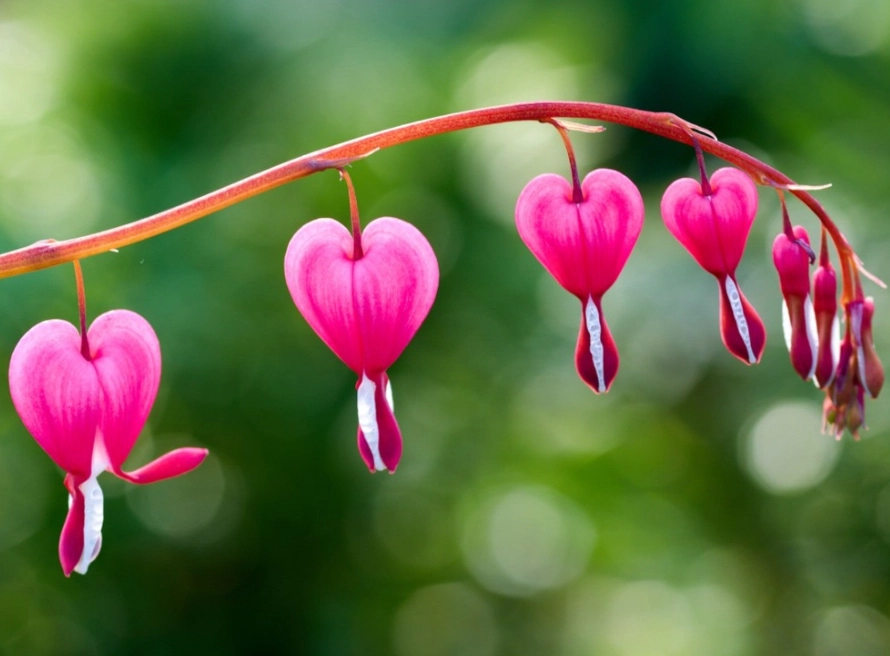
Let's clear up the name first. The common name "bleeding heart" comes from the unique shape of the flower. Each pink outer petal forms a heart, and a white, teardrop-shaped inner petal (the "corolla") protrudes from the bottom, looking like a drop of blood. It's dramatic, a bit romantic, and unforgettable. Botanically, it's had a name change. For over a century, it was known as Dicentra spectabilis. Modern genetic studies reclassified it into its own genus, Lamprocapnos. You'll see both names, but Lamprocapnos spectabilis is now correct. Knowing this helps when you're searching for specific information from authoritative sources like the Missouri Botanical Garden or the Royal Horticultural Society.
It's a herbaceous perennial, native to Siberia, northern China, Korea, and Japan. This origin is your first big clue about its preferences: cold winters and temperate summers. The plant grows from fleshy, brittle roots (technically rhizomes) and sends up 2-3 foot tall arching stems in early spring. The foliage is fern-like and attractive. Then comes the magic act: it blooms prolifically in mid-to-late spring for several weeks. And then, the second act that frustrates new gardeners: as temperatures rise in summer, the foliage yellows and the plant goes completely dormant. It disappears. This isn't a sign of death or your failure—it's just what old-fashioned bleeding hearts do. You plant something else over the spot and wait for its return next spring.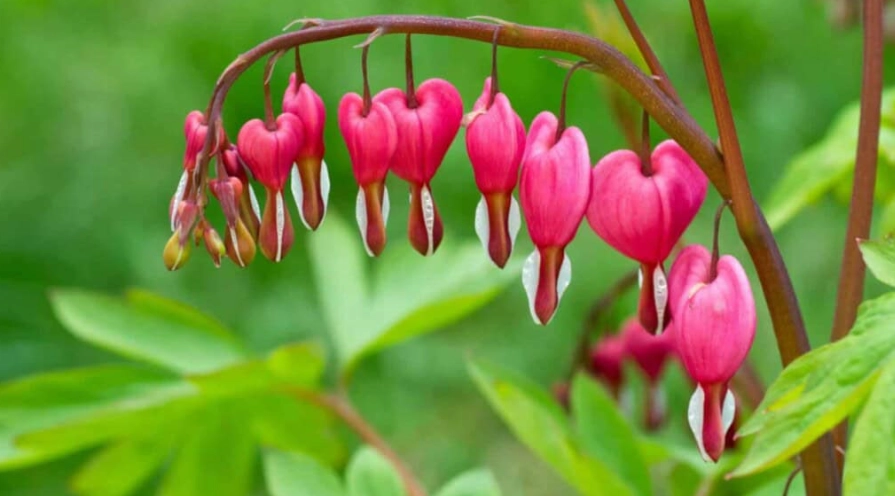
Key Takeaway: The classic bleeding heart (Lamprocapnos spectabilis) is a spring ephemeral in many climates. Its summer dormancy is a natural survival strategy, not a problem you need to fix.
How to Plant Bleening Hearts the Right Way
Getting the start right eliminates half your future problems. Most failures come from planting in the wrong spot.
Choosing the Perfect Location
Think of a forest floor. Dappled sunlight, cool roots, shelter from harsh winds. That's the ideal. Full sun in hot climates will scorch the leaves and speed up dormancy. Deep, full shade will result in weak growth and few flowers. Aim for partial to full shade. Morning sun with afternoon shade is perfect. The north or east side of a house or under the canopy of deciduous trees are classic winning spots.
Soil Preparation is Non-Negotiable
This is where I made my first mistake. I planted in average, somewhat clay soil. The plant survived but never thrived. Bleeding hearts demand rich, well-draining soil that stays consistently moist. "Well-draining" is critical—soggy soil rots those fleshy roots over winter. "Rich" means lots of organic matter.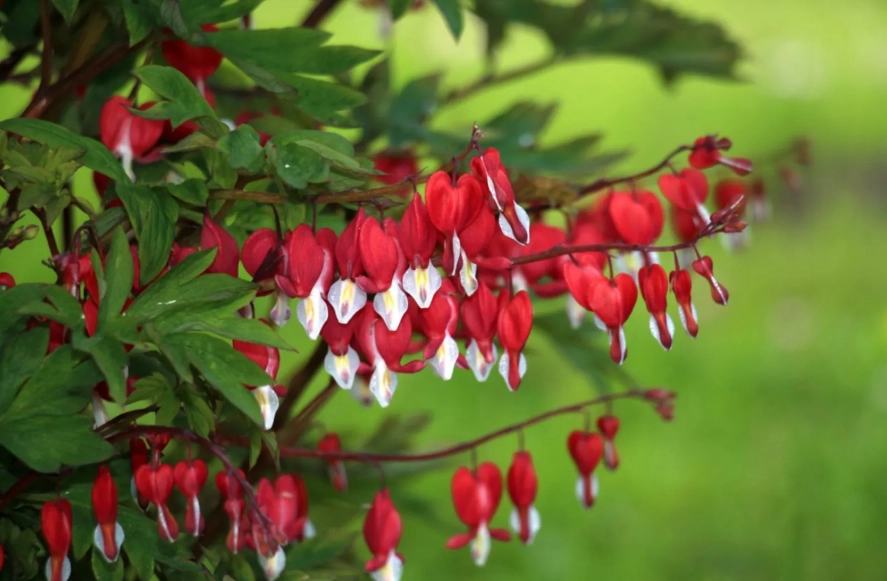
Here's my planting day routine:
- Dig a hole twice as wide and just as deep as the root ball or pot.
- Amend the native soil heavily. I mix in a 50/50 blend of compost and well-rotted leaf mold. If my soil is heavy clay, I also add a few handfuls of coarse sand or perlite to improve drainage.
- Plant at the same depth it was growing in the container. The crown (where stems meet roots) should be at soil level, not buried.
- Water deeply after planting to settle the soil and eliminate air pockets.
- Apply a 2-3 inch layer of mulch (shredded bark or leaves) to retain moisture and keep roots cool.
When to plant? Early spring or early fall are best. Fall planting gives roots time to establish before winter, leading to a stronger show the first spring.
Common Pitfall: Planting a pot-bound bleeding heart without teasing apart the roots. Those roots grow in a tight, circular mass. Gently loosen them with your fingers before planting to encourage them to spread outward into your prepared soil. If you don't, they may continue to grow in a circle and eventually strangle themselves.
The Real Care Guide: Water, Food, and Not Messing It Up
Once established, care is straightforward if you respect its lifecycle.
Watering: Consistency Beats Volume
The goal is evenly moist soil, not wet, not dry. During active growth in spring, check the soil weekly. If the top inch feels dry, give it a deep soak. A soaker hose or drip irrigation is ideal. The biggest mistake is letting it dry out completely during flowering—this stresses the plant and can trigger early dormancy. Conversely, overwatering in heavy soil leads to root rot. After the plant goes dormant in summer, you can largely stop watering unless there's a severe drought.
Feeding: Less is More
These aren't heavy feeders. If you prepared the soil well, a single annual feeding is enough. In early spring, as new growth emerges, apply a balanced, slow-release organic fertilizer (like a 5-5-5 or 10-10-10) around the base of the plant, following package rates. Alternatively, top-dress with a fresh inch of compost. That's it. Over-fertilizing, especially with high-nitrogen formulas, promotes lots of weak, leafy growth at the expense of flowers.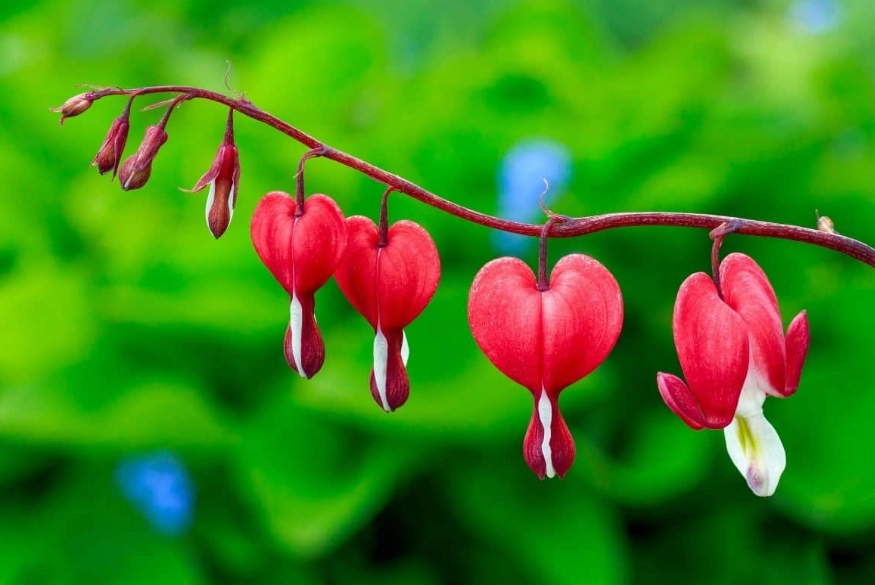
Pruning and Maintenance
Deadheading (removing spent flowers) can encourage a slightly longer bloom period. But the main task comes post-bloom. Do not cut back the foliage while it's still green. The leaves are photosynthesizing and sending energy down to the roots for next year's show. Let the leaves turn completely yellow and die back naturally. Then, you can cut the stems down to the ground. Mark the spot with a small stake so you don't accidentally dig there later.
Popular Bleeding Heart Varieties Compared
While the classic pink-and-white is iconic, breeders have introduced some stunning cultivars. Here’s a breakdown to help you choose.
| Variety Name | Flower Color | Foliage | Height/Spread | Special Notes |
|---|---|---|---|---|
| Lamprocapnos spectabilis (Classic) | Pink with white "drop" | Green, fern-like | 2-3' H / 1.5-2.5' W | The original. Goes summer dormant. |
| 'Alba' | Pure white | Green | 2-3' H / 1.5-2.5' W | Glows in shady spots. Slightly less vigorous than the pink type. |
| 'Gold Heart' | Bright pink | Golden-yellow | 2-2.5' H / 1.5-2' W | Stunning foliage lights up shade gardens even after blooming. My personal favorite. |
| 'Valentine' | Deep red with white tip | Blue-green | 2.5-3' H / 2-3' W | Vibrant, almost cherry-red flowers. Strong stems. |
| Dicentra eximia (Fringed Bleeding Heart) | Pink, heart-shaped | Grey-green, ferny | 1-1.5' H / 1-1.5' W | Native to eastern US. Does NOT go summer dormant if kept moist. Blooms sporadically all season. |
| Dicentra 'Luxuriant' | Cherry-red | Blue-green | 1-1.5' H / 1-1.5' W | A hybrid. Reliable rebloomer if deadheaded. Foliage remains attractive. |
Troubleshooting: Why Is My Plant Doing That?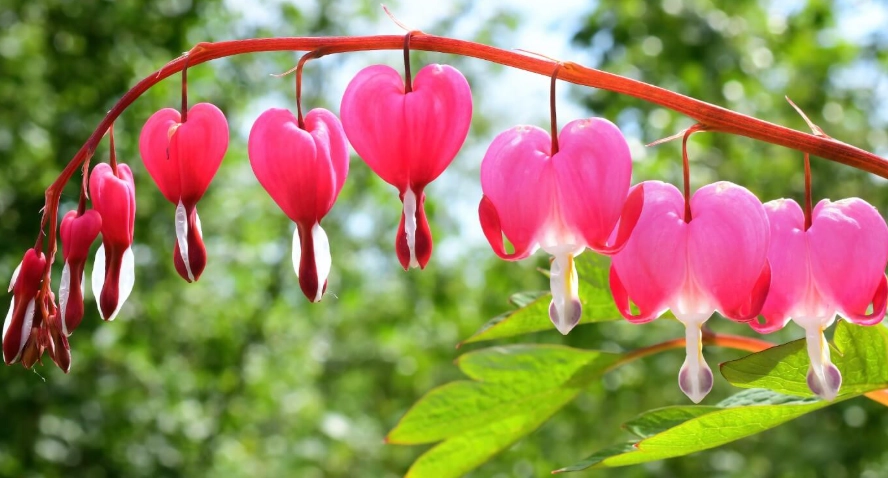
Let's diagnose common issues.
Yellowing leaves in spring or early summer: This is usually a watering issue. Too much water (root rot) or too little water (drought stress). Check soil moisture. Could also be a sign of excessive sun scorching the leaves.
No flowers: The classic culprits are too much shade, too much nitrogen fertilizer (all leaves, no blooms), or a plant that is too young/not yet established. Also, a late frost can damage flower buds.
Plant disappears/dies back in summer: For Lamprocapnos spectabilis, this is normal dormancy. For the fringed types (Dicentra eximia and hybrids), it likely means the soil got too dry and hot.
Stems flopping over: Could be due to excessive shade (stems grow weak and leggy), heavy rain on open flowers, or lack of support. Planting among other sturdy perennials can provide natural support.
Pests and Diseases: Remarkably trouble-free. Slugs and snails might nibble new growth in spring. Aphids can appear but are rarely serious. The main disease is root rot from poor drainage.
Your Bleeding Heart Questions, Answered
Reader Comments