You see those dreamy photos of lavender blooms cascading over pergolas and think, "I need that in my garden." Then you plant one. Years pass. You get leaves, lots of them, but no flowers. Sound familiar? The question "where does wisteria grow" isn't just about slapping a plant in the ground. It's a puzzle of climate, patience, and some counterintuitive gardening tricks. Get it right, and you have a breathtaking heirloom. Get it wrong, and you have a vigorous, flowering-challenged weed that might just pull your fence down. Let's cut through the fluff and talk about where wisteria truly thrives and how you can make it work.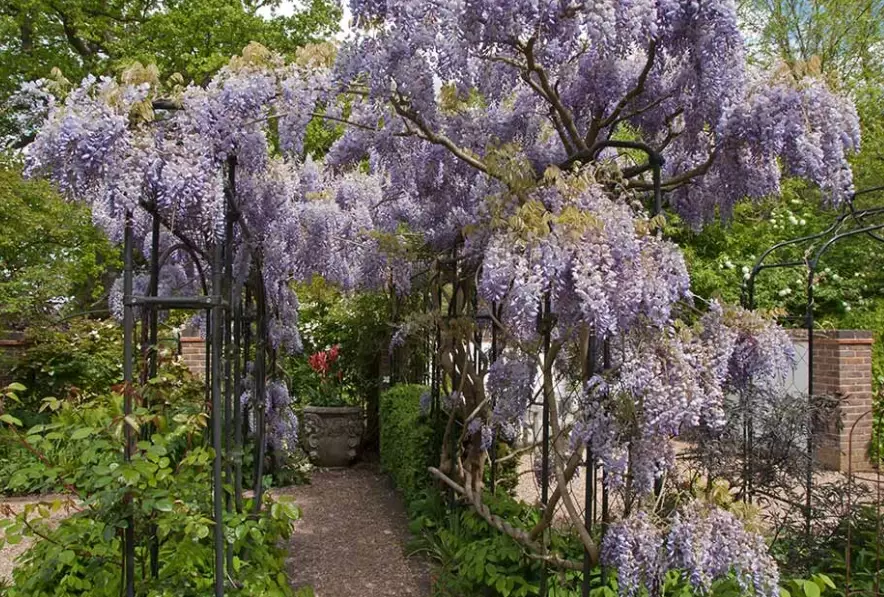
What You'll Find in This Guide
The #1 Factor: Wisteria Climate & Hardiness Zones
This is the non-negotiable starting point. Wisteria isn't a one-size-fits-all plant. Most of its growth and flowering success is dictated by winter chill. It needs a distinct cold period to set buds. If your winters are too warm, forget the flower show.
The two main types you'll find are Chinese Wisteria (Wisteria sinensis) and Japanese Wisteria (Wisteria floribunda). There's also a native North American species, American Wisteria (Wisteria frutescens), which is less aggressive but has shorter flower clusters.
Here’s a quick breakdown of where each type grows best:
| Wisteria Type | Best USDA Hardiness Zones | Key Climate Trait | Notes & My Experience |
|---|---|---|---|
| Chinese Wisteria (W. sinensis) | 5 through 9 | Needs a pronounced winter chill. | The classic, most common type. Blooms on bare wood before leaves emerge. In Zone 5, you must protect young plants. I've seen it struggle in the warmer parts of Zone 9 if there's no chill. |
| Japanese Wisteria (W. floribunda) | 4 through 9 | Slightly more cold-hardy than Chinese. | Known for incredibly long flower racemes (up to 3 feet!). Blooms with the leaves. In Zone 4, plant in a super sheltered spot. The 'Royal Purple' cultivar is a stunner but a beast to control. |
| American Wisteria (W. frutescens) | 5 through 9 | More tolerant of summer heat and humidity. | A better-behaved, native alternative. Flowers are smaller but come in summer after the plant is established. Less likely to destroy your structures. 'Amethyst Falls' is a popular, more compact variety. |
Let's get specific. If you're in the Midwest (Zones 5-6), you can grow Chinese or Japanese types, but site selection is critical—avoid frost pockets. In the Southeast (Zones 7-8), you're in the sweet spot. The Pacific Northwest (Zone 8) is wisteria heaven, but the vigor there is unreal; you'll be pruning constantly. Southern California and Florida (Zones 9-10) are tricky. You might get growth, but reliable flowering is a major challenge without sufficient chill hours. You're often better off with the American species there.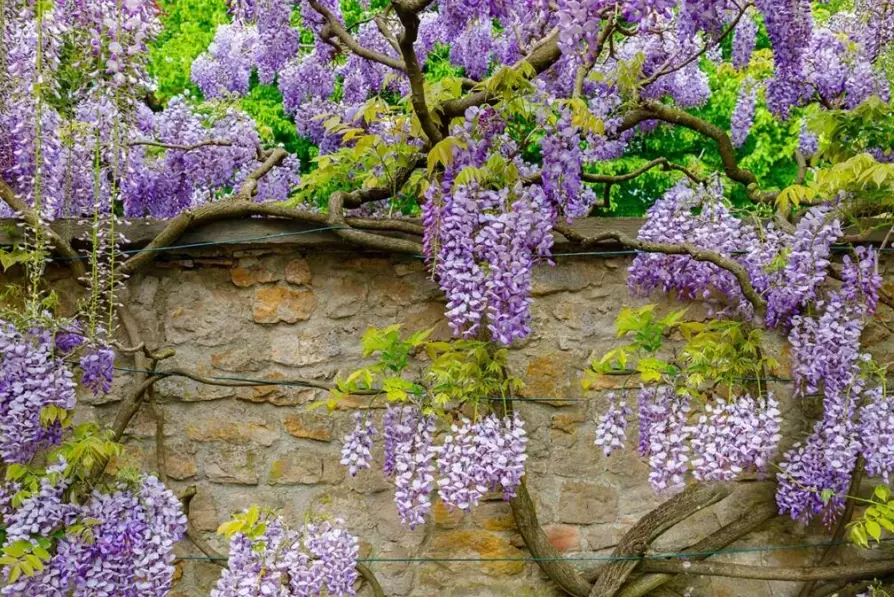
Choosing the Perfect Wisteria Planting Site
You've checked your zone. Now, where in your yard? This decision is more permanent than most. A mature wisteria is nearly impossible to move and can live for over 50 years.
Sunlight: The Non-Negotiable
Wisteria needs full sun. Period. That means a minimum of 6 hours of direct, unfiltered sunlight. 8+ hours is ideal for maximum flowering. I've consulted on dozens of "non-blooming wisteria" cases, and 70% of the time, the plant is getting shaded by a growing tree or the house itself. Morning sun with afternoon shade? You'll get leaves. Dappled light under a tree? Forget it.
Soil Conditions: They're Not That Picky (And That's a Problem)
Here's a surprise: wisteria grows in almost any soil. Sandy, clay, loam—it doesn't care. It's this adaptability that makes it invasive in some areas. But for optimal growth, aim for moderately fertile, well-drained soil with a slightly acidic to neutral pH (6.0-7.0).
The "well-drained" part is key. While established plants are drought-tolerant, young roots will rot in soggy soil. If you have heavy clay, don't just dig a hole and plop it in. You need to amend a much wider area or consider a raised bed.
My biggest mistake when I started: I planted one in rich, heavily amended garden soil and fed it. Big mistake. Lush growth, zero flowers for years. They actually flower more reliably in soil that's a bit lean. Too much nitrogen is the enemy of blooms.
The Support Structure: Plan for an Invasion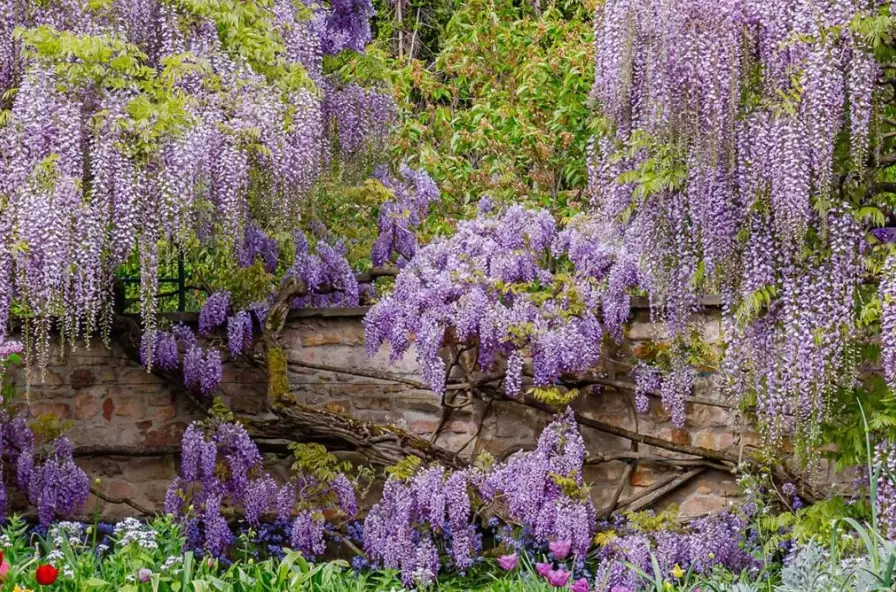
This is where people utterly underestimate wisteria. That cute little trellis from the garden center? It will be splintered within three years. Wisteria vines become heavy, woody trunks. You need a support built to last decades: a steel pergola set in concrete, a substantial arbor made of 4x4 or 6x6 lumber, or a very strong masonry wall.
Do not, under any circumstances, let it grow on your house. It will find its way under siding, into gutters, and pry apart shingles. The weight can damage structures. Always train it on a freestanding support placed at least a foot away from any building.
How to Plant Wisteria: A Step-by-Step Guide
Alright, let's get it in the ground. Timing matters. The best time is early spring or fall, when the plant is dormant or the weather is mild, giving roots time to establish without heat stress.
Step 1: Dig the Right Hole. Dig a hole as deep as the root ball and 2 to 3 times as wide. This loosens the soil for the roots to expand easily. Don't go deeper—planting too deep is a common cause of failure.
Step 2: Check the Roots. If the plant is pot-bound (roots circling tightly), you must score the root ball vertically in several places with a knife or tease them apart. If you don't, they may never grow outward, girdling and killing the plant years later.
Step 3: Position and Backfill. Place the plant in the hole so the top of the root flare is level with or slightly above the soil surface. Backfill with the native soil you dug out, maybe mixed with a little compost. Do not add fertilizer to the planting hole. Tamp down gently to remove air pockets.
Step 4: Water and Mulch. Water deeply to settle the soil. Apply a 2-3 inch layer of mulch (wood chips, bark) in a wide circle around the plant, keeping it a few inches away from the main stem. This conserves moisture and suppresses weeds.
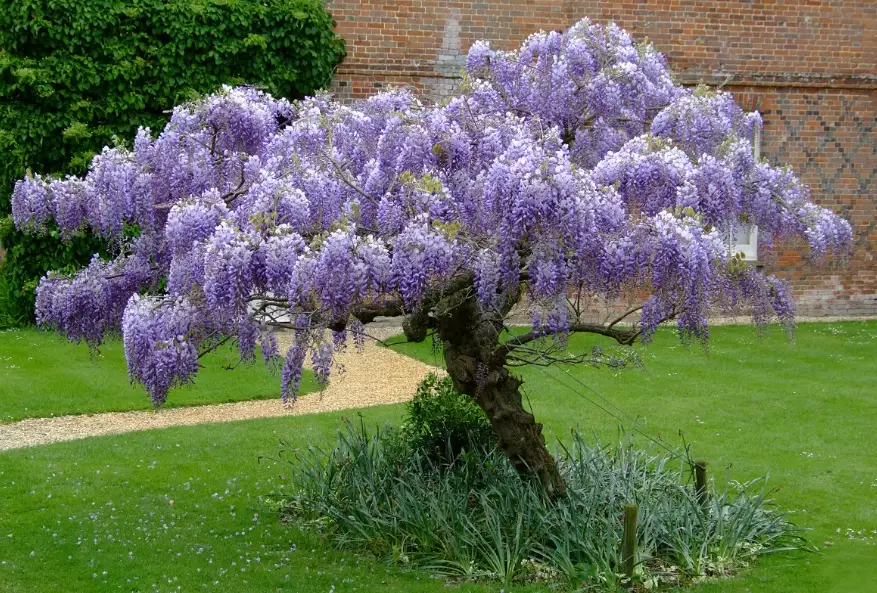
Step 5: The First Pruning (Critical!). Right after planting, select the strongest, most central stem to be the main trunk. Cut it back to about 3 feet tall. This seems brutal, but it encourages a strong, single leader. Remove any other weak shoots. Tie this leader to your support.
Now, patience. It can take 3 to 5 years, sometimes more, for a wisteria grown from a nursery pot to bloom. You're building a framework.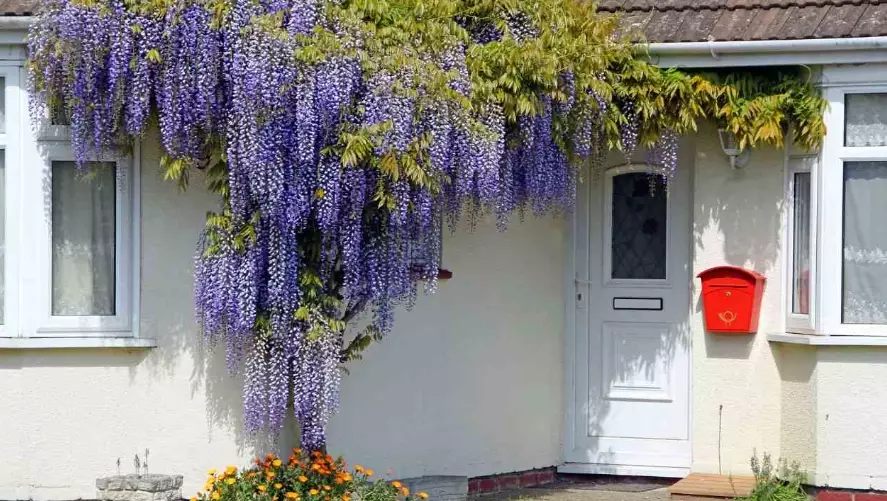
Solving Common Wisteria Growing Problems
Wisteria has a few classic issues. Let's diagnose them.
The Big One: No Flowers. This is the universal complaint.
- Age: Is it young? Wait. Seed-grown plants can take 10+ years. Always buy a grafted plant from a reputable nursery. Grafted plants bloom much sooner because they're taken from a mature flowering specimen.
- Pruning Wrong: You prune at the wrong time. Summer pruning (July-August) is for controlling size. Winter pruning (January-February) is for spur formation. If you cut all the growth back in fall, you're cutting off next year's flower buds.
- Too Much Nitrogen / Rich Soil: This promotes leafy growth at the expense of flowers. Avoid high-nitrogen lawn fertilizers nearby. If your soil is very rich, some gardeners even recommend root pruning (driving a spade in a circle around the plant) to stress it into flowering.
- Not Enough Sun: Re-evaluate. Has a tree grown and created shade? You might have to move the plant (if young) or accept fewer blooms.
Excessive Growth / Invasive Tendencies. Wisteria is a climber that wants to reach the light. You must commit to pruning it twice a year. Summer: cut back long whips to 5-6 leaves from the main branch. Winter: cut those same shoots back further to 2-3 buds. This builds a flowering spur system. If you let it go, it becomes an impenetrable thicket.
Pests and Diseases. Thankfully, these are minimal. Aphids might appear but are easily hosed off. Powdery mildew can coat leaves in late summer if air circulation is poor, but it's mostly cosmetic. The real "disease" is gardener neglect.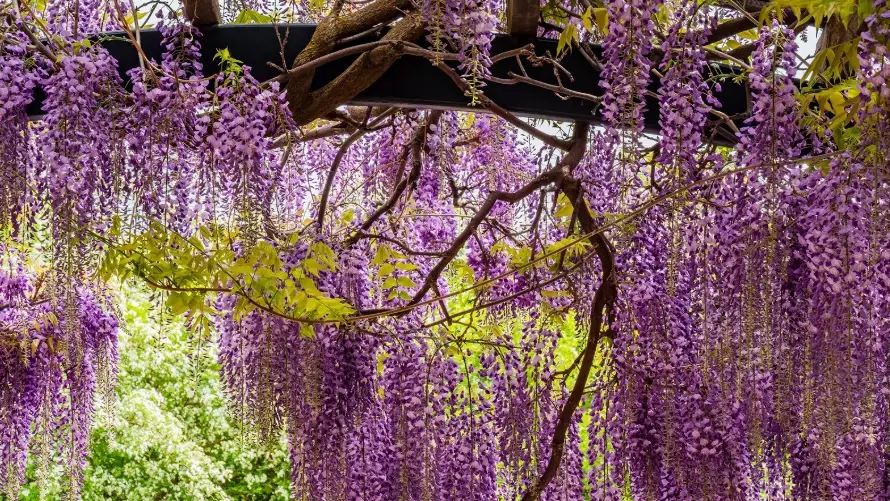
Your Wisteria Questions Answered
 Can I grow wisteria in a large container to control its size?
So, where does wisteria grow? It grows in zones with enough winter chill, in full baking sun, in soil that's not too rich, and under the care of a gardener who isn't afraid of a pair of sharp secateurs. It's a commitment. It's not a "plant it and forget it" vine. But when you stand under your own waterfall of perfumed blooms on a May afternoon, that yearly pruning ritual feels less like a chore and more like a partnership with a living sculpture. Just give it the right place to call home.
Reader Comments