If you're looking for a shade garden plant that delivers architectural drama and late-season blooms without the fuss, you've found it. Actaea, often called Bugbane or Baneberry, is that secret weapon many gardeners overlook. I've grown various Actaea species for over a decade, and I can tell you they're tougher than their delicate flowers suggest—provided you get a few key things right. Most failures come from treating them like sun-loving perennials or assuming they need constant swamp-like conditions. Let's fix that.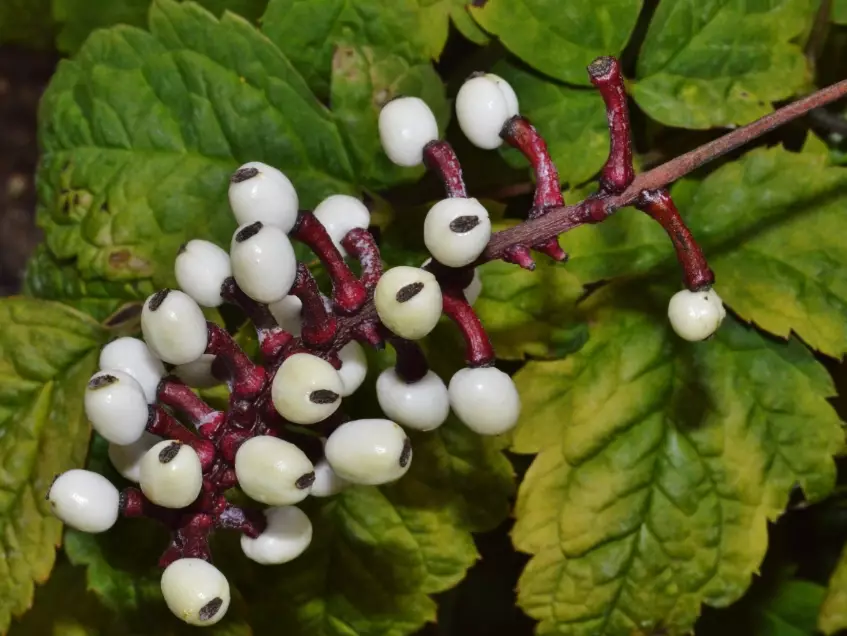
What You'll Learn in This Guide
What Exactly is Actaea? Clearing Up the Bugbane and Baneberry Confusion
Actaea is a genus of perennial plants native to temperate woodlands in North America and parts of Asia. For years, botanists played musical chairs with the names, which is why you might see older references to Cimicifuga. Today, they're all under the Actaea umbrella. This causes real confusion for gardeners trying to buy the right plant. Essentially, you're dealing with two main groups with very different personalities.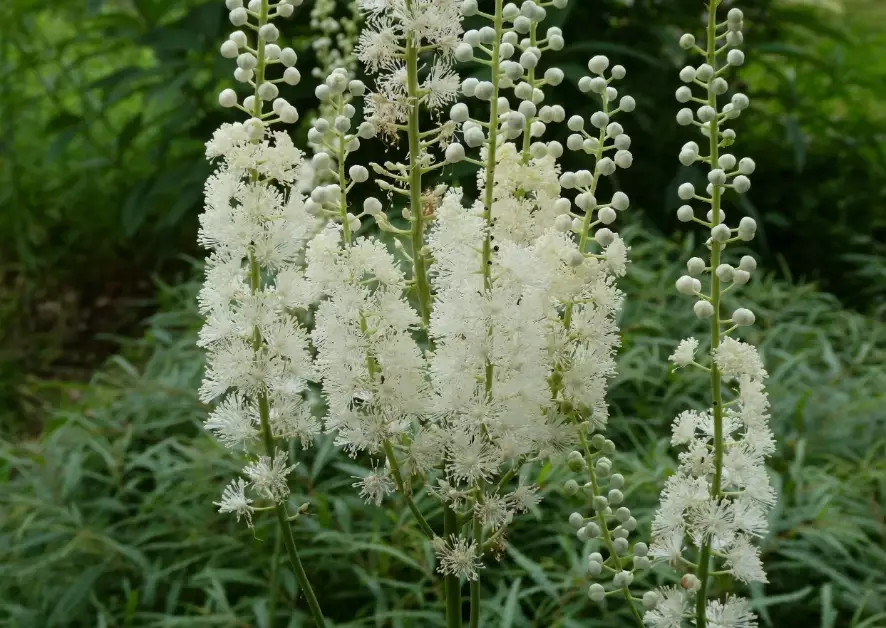
Gardeners' Note: The name "Baneberry" comes from the toxic berries. "Bugbane" comes from the historical belief that the plant's odor repelled insects. In my experience, the smell is faint and not unpleasant—more like a mild, medicinal scent when you crush the foliage.
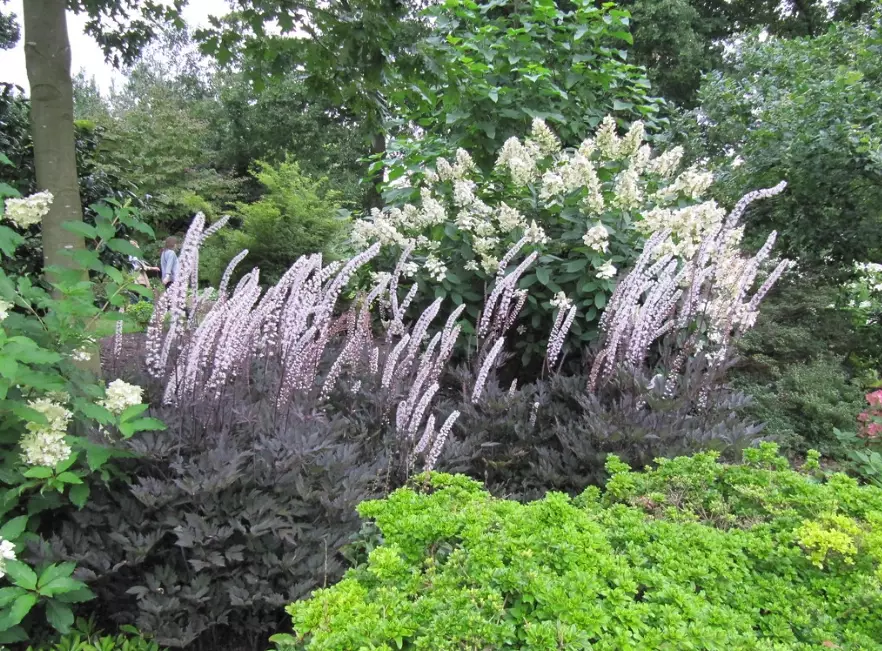
The first group is the Bugbanes (like Actaea racemosa, formerly Cimicifuga racemosa). These are the tall, showy ones you want for the back of the border. They send up magnificent, bottlebrush-like white flower spires in mid to late summer, often reaching 4 to 7 feet. The foliage is attractive, too—deeply cut, almost like a giant astilbe.
The second group is the Baneberries (like Actaea rubra or Actaea pachypoda). These are grown primarily for their extraordinary fruit. They produce clusters of shiny, porcelain-like berries in brilliant red or white with a distinctive black dot. The berries appear after modest spring flowers. The key thing here: every part of the Baneberry plant is poisonous if ingested, especially those attractive berries. This makes plant placement a critical consideration.
| Feature | Bugbane (e.g., Actaea racemosa) | Baneberry (e.g., Actaea rubra) |
|---|---|---|
| Primary Show | Tall, white flower spires (summer) | Brilliant red or white berries (late summer/fall) |
| Height | 4-7 feet | 1-2.5 feet |
| Best For | Back of shade border, vertical accent | Woodland underplanting, native gardens |
| Toxicity | Low to moderate (can cause irritation) | High (all parts, especially berries, are poisonous) |
| Key Requirement | Consistent moisture, rich soil | Cool, humus-rich soil in deep shade |
I made the mistake early on of planting a Baneberry (Actaea pachypoda, the White Baneberry or "Doll's Eyes") near a path where my friend's curious toddler often visited. I had to move it immediately. It's now thriving in a secluded, shady corner where its creepy-beautiful white berries with black pupils can be admired safely from a distance. Know what you're buying.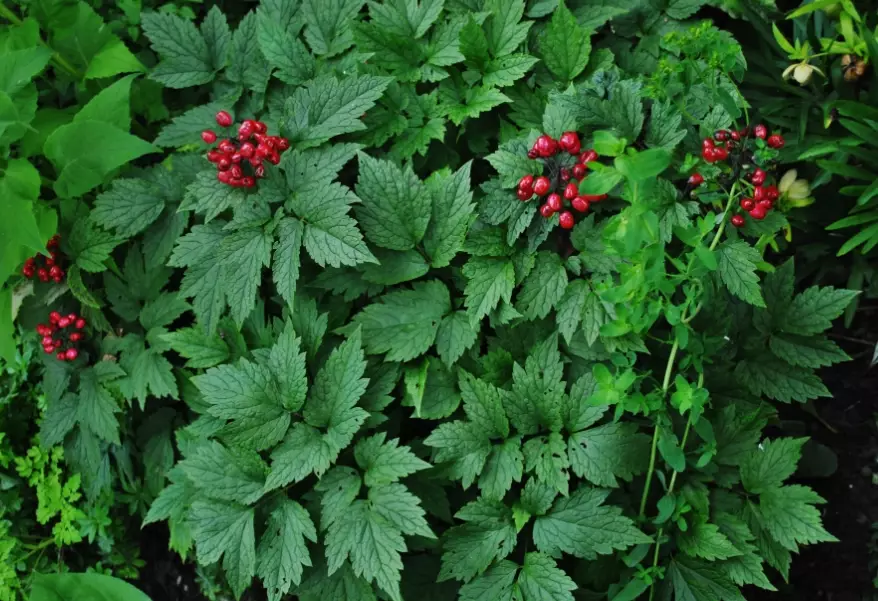
How to Plant Actaea Successfully: The Foundation Matters
Getting the planting site wrong is the number one reason Actaea fails. These are woodland plants at heart. They don't just "tolerate" shade; they often require it to look their best and avoid stress.
Choosing the Perfect Spot: Light and Companions
Light: Dappled shade or partial shade is ideal. Morning sun with afternoon shade works well for Bugbanes, especially in cooler climates. In hot southern zones, full shade is better. Baneberries demand deeper shade. Intense afternoon sun will scorch the leaves, causing crispy brown edges and general misery for the plant.
Companions: This is where Actaea shines. Pair Bugbane with other shade lovers that have contrasting textures. Hostas, ferns (like Ostrich or Japanese Painted fern), Astilbes, and Heucheras make fantastic partners. The vertical spikes of Bugbane rise beautifully above mounded foliage. For Baneberry, think of a natural woodland floor: ferns, wild ginger (Asarum), and Solomon's seal.
My Personal Planting Mix: I never plant Actaea in plain garden soil. My go-to recipe is 50% existing soil, 30% compost (for nutrients and moisture retention), and 20% leaf mold or finely shredded bark (to mimic forest duel and improve drainage). This creates the rich, humusy, well-draining yet moisture-retentive environment they crave.
The Planting Process: A Step-by-Step Scenario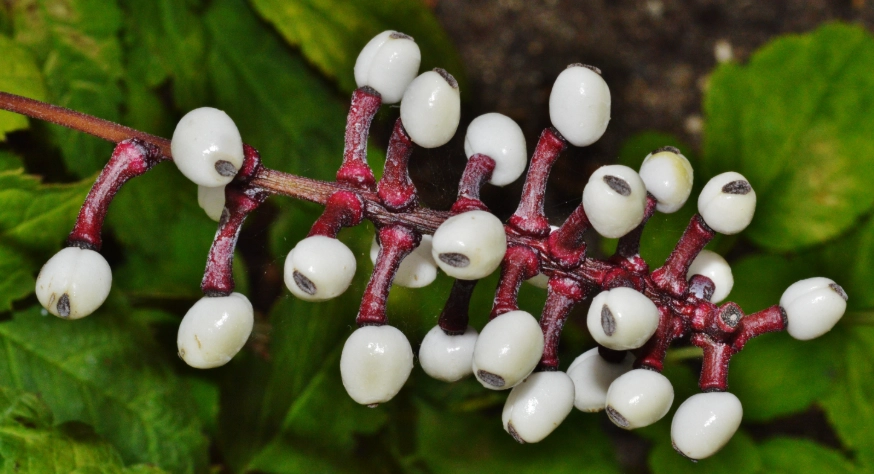
Let's say you just brought home a potted Actaea racemosa 'Hillside Black Beauty' (a stunning cultivar with dark purple foliage). Here's exactly what to do.
1. Timing is (Almost) Everything. Early spring or early fall are best. Planting in the cool seasons gives the roots time to establish without battling summer heat stress. I've planted in late spring, but it required vigilant watering.
2. Dig the Right Hole. Make it twice as wide as the pot but no deeper. You want the crown (where the stems meet the roots) to sit level with the soil surface. Planting too deep invites rot.
3. Amend the Soil. Mix that compost and leaf mold into the soil you removed from the hole.
4. Tease the Roots. Gently loosen any roots circling the root ball. This encourages them to grow outward into the new soil.
5. Plant, Backfill, and Water. Place the plant, backfill with your amended soil, firm gently, and water deeply. Soak the area to settle the soil and eliminate air pockets.
6. Mulch. Apply a 2-3 inch layer of shredded bark or leaf mulch around the plant, keeping it a few inches away from the crown. This is non-negotiable. It keeps the roots cool and moist.
The Simple Ongoing Care Routine for Actaea
Once established, Actaea is surprisingly low-maintenance. The care for Bugbane and Baneberry is similar, with slight nuances.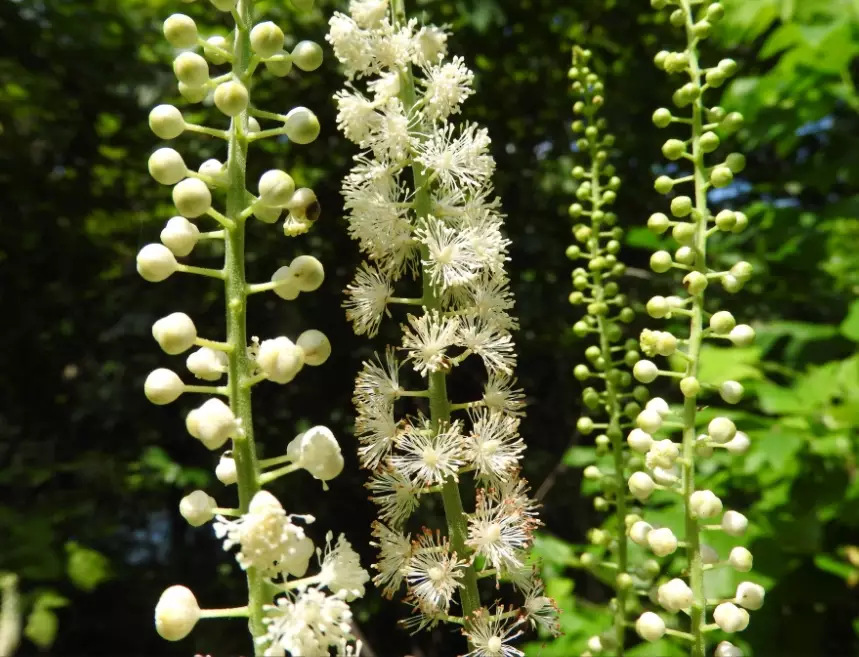
Watering: The Critical Balance
This is the most common point of failure. The advice "prefers moist soil" leads many to overwater. Soggy, waterlogged soil, especially in winter, will kill Actaea faster than drought. What they need is consistent, even moisture. Think of the soil in a mature forest—it's never dust dry, but it's also not a puddle.
During the first growing season, water deeply once or twice a week if there's no rain. Stick your finger in the soil. If the top inch is dry, it's time to water. Established plants are more drought-tolerant than you'd think, but they'll perform best with weekly deep watering during dry spells. The foliage will wilt dramatically if it gets too dry, a clear distress signal.
Feeding and Mulching
Actaea aren't heavy feeders. A top-dressing of compost in early spring is usually sufficient. If your soil is poor, you can use a balanced, slow-release organic fertilizer once in spring. Avoid high-nitrogen fertilizers, which promote weak, leafy growth at the expense of flowers and can make the tall Bugbane stems floppy.
Refresh the mulch layer annually in spring. This decomposes and feeds the soil while maintaining that crucial cool root zone.
Pruning and Winter Care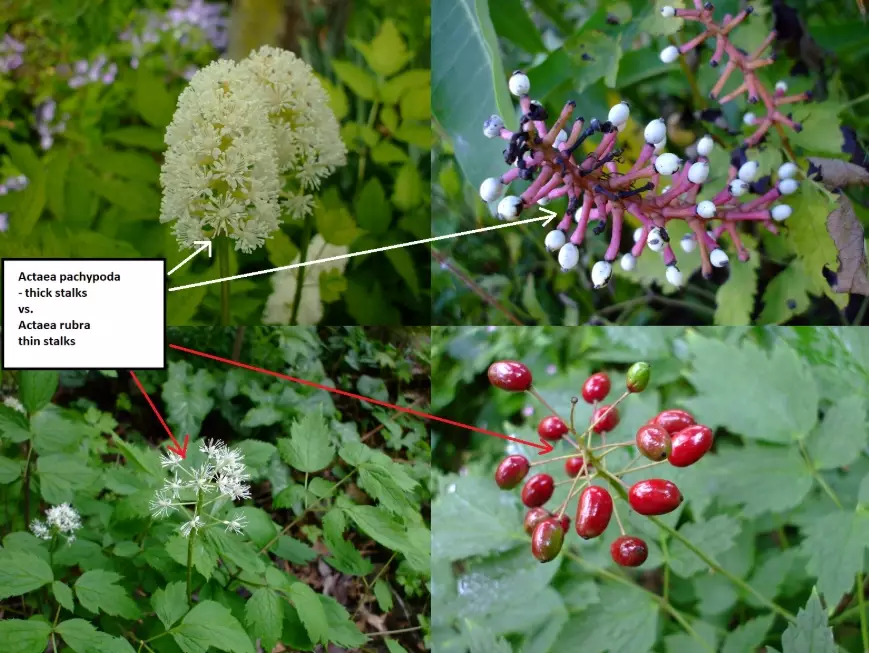
For Bugbane: Leave the flower spikes standing through winter. They provide architectural interest and catch the snow beautifully. Cut them down to the ground in late winter or early spring before new growth emerges.
For Baneberry: The foliage often turns an attractive yellow in fall. You can cut it back after it dies back or in early spring.
Neither plant requires division often. In fact, they resent being disturbed. Divide only if the clump becomes too large or the center dies out, and do it in early spring. Be prepared for the divided pieces to take a year or two to settle back in.
Solving Common Actaea Problems
Actaea is generally pest and disease resistant—deer and rabbits usually leave it alone, which is a huge plus. But a few issues can pop up.
Leaf Scorch: Brown, crispy leaf margins mean too much sun or wind, or inconsistent watering. Relocate the plant or improve watering habits.
Lack of Flowers on Bugbane: This usually means too much shade (yes, there's a limit), not enough moisture during the bud-forming period, or the plant is too young/just divided. Patience and proper siting are key.
Floppy Stems: Tall Bugbane cultivars can sometimes topple, especially after heavy rain. This is often due to overly rich soil, too much shade (causing them to stretch), or lack of support. Planting them among sturdier companions that provide subtle support is better than obvious staking. The Royal Horticultural Society notes that providing adequate light without scorch helps produce stronger stems.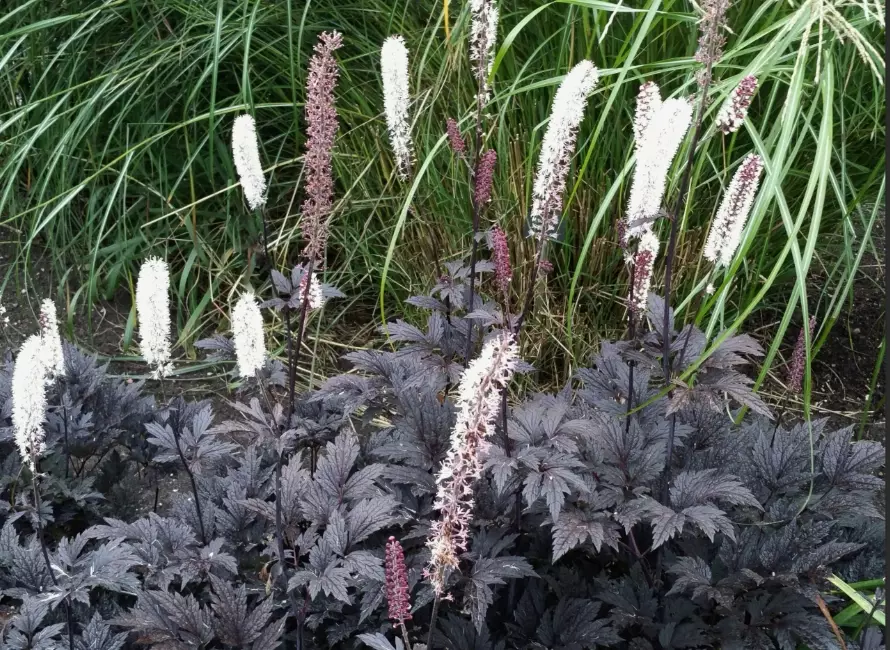
Serious Warning for Baneberry: The berries are highly toxic to humans and pets. Symptoms of ingestion include burning of the mouth, salivation, severe stomach cramps, headache, and dizziness. If you suspect ingestion, seek medical help immediately and bring a sample of the plant. This is not a plant for gardens with very young children who explore with their mouths unless it is in a completely inaccessible location.
Slugs and Snails: Young, tender foliage in spring can be attractive to them. Use organic deterrents like crushed eggshells or iron phosphate-based baits if you see damage.
Your Actaea Questions Answered
 Are there any Actaea varieties that can handle more sun?
Reader Comments