Jump to What You Need
Let's talk about the Styrax japonicus, or Japanese snowbell tree. If you're here, you've probably seen those delicate, bell-shaped flowers hanging like little white lanterns and thought, "I need that in my garden." I get it. I've been growing these trees for over a decade, and they're one of my favorites for adding elegance without a ton of fuss. But there's a catch – most guides online skip the gritty details that actually matter. We'll dive into everything from picking the right spot to avoiding the pruning mistake I made early on that set my tree back a year.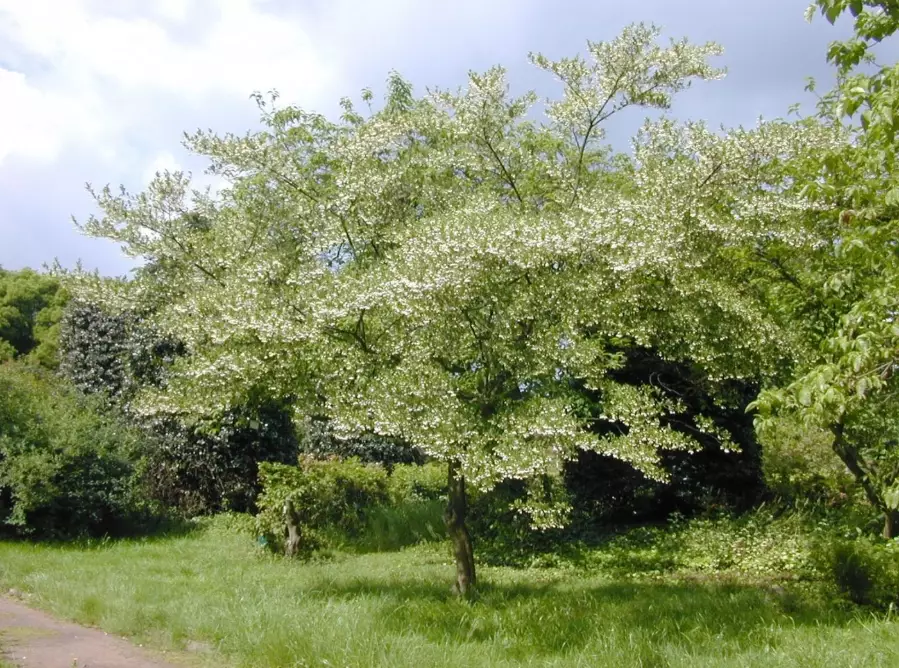
What Exactly is a Styrax Japonicus?
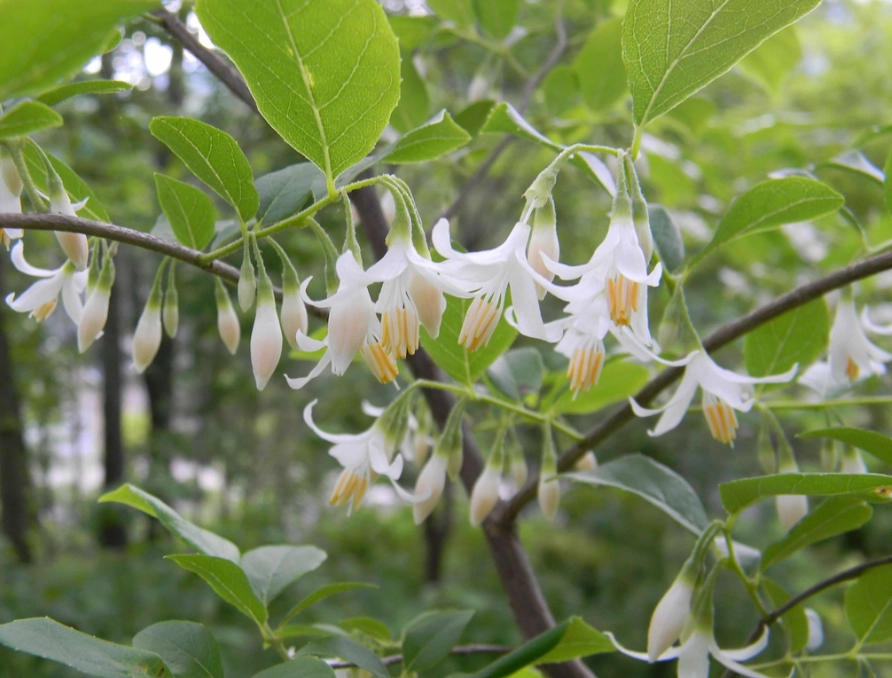
The Japanese snowbell is a small to medium-sized deciduous tree native to Japan, Korea, and parts of China. It typically grows 20 to 30 feet tall, with a spread of about 20 feet. The leaves are oval and green, turning yellow in fall. But the real show is in late spring to early summer, when it produces clusters of fragrant, white flowers that dangle from the branches. They look almost too perfect, like something out of a fairy tale.
There are a few cultivars you might come across. 'Pink Chimes' has pale pink flowers – it's lovely, but in my experience, it's a bit less vigorous than the standard white. 'Emerald Pagoda' is known for larger leaves and flowers; it's a stunner but can be harder to find. Most garden centers stock the straight species, and that's perfectly fine for most homeowners.
One thing people rarely mention: the bark. On mature trees, it develops a gray, slightly fissured texture that adds winter interest. It's not flashy, but it gives the tree character year-round.
Planting Your Japanese Snowbell: A Step-by-Step Walkthrough
Planting is where most folks go wrong. They treat it like any other tree, but snowbells have specific preferences. Get this right, and you'll save yourself headaches later.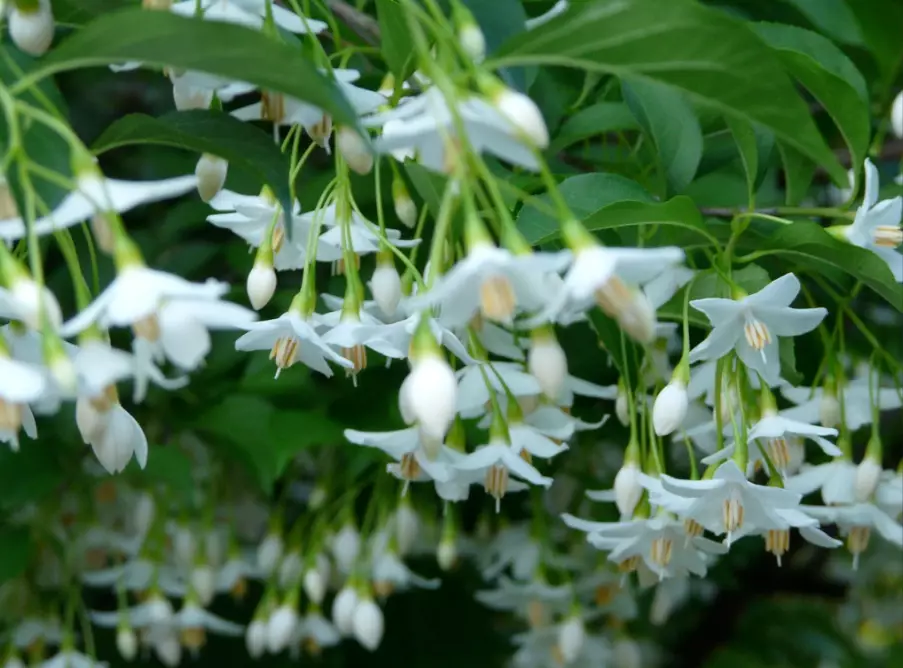
Choosing the Perfect Location
Sunlight is key. These trees prefer full sun to partial shade. In hotter climates (USDA zones 8 and above), afternoon shade can prevent leaf scorch. I learned this the hard way in North Carolina – a tree I planted in full sun struggled until I added some dappled shade.
Soil matters more than you think. Styrax japonicus likes moist, well-drained, acidic soil. It tolerates a range, but heavy clay or constantly wet feet will lead to root rot. If your soil is alkaline, consider amending it with peat moss or using a raised bed. A soil test isn't a bad idea; local extension offices often offer them for free or cheap.
The Planting Process: No Guesswork
Here's my method, refined after planting dozens of these trees:
- Timing: Early spring or fall. Avoid summer heat stress.
- Hole size: Dig a hole twice as wide as the root ball, but no deeper. Planting too deep is a common killer.
- Root inspection: Gently tease out any circling roots. If the tree is pot-bound, make a few vertical cuts on the root ball to encourage outward growth.
- Backfill: Mix the native soil with compost (about 25%). Don't use pure compost – it can create a "bathtub effect" where water pools.
- Watering in: Water thoroughly after planting. I add a layer of mulch, but keep it away from the trunk to prevent rot.
Spacing? Give it at least 15 feet from structures or other trees. They're not aggressive, but they need room for that graceful, spreading canopy.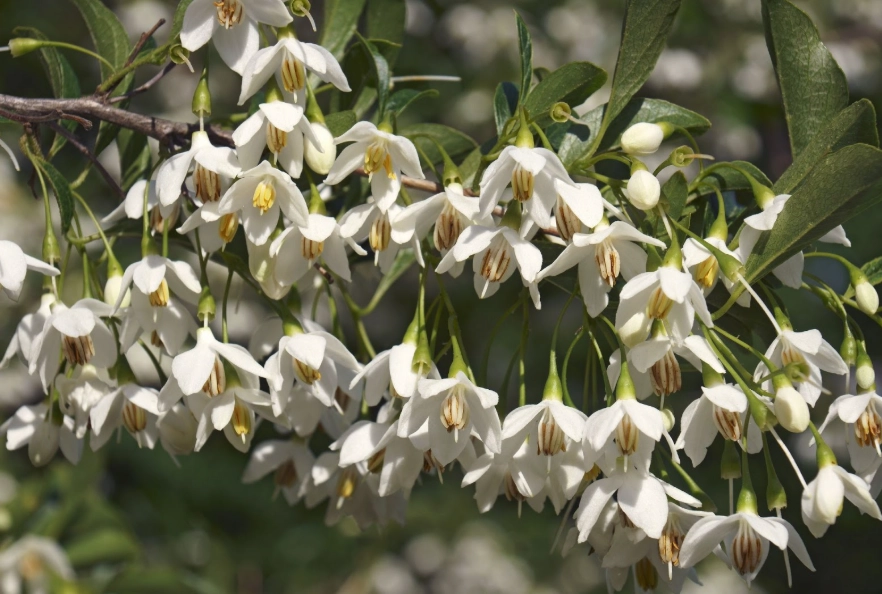
Pro tip from the trenches: Staking is usually unnecessary for snowbells. They establish better if allowed to move slightly in the wind, which strengthens the trunk. Only stake if it's in a very windy spot, and remove stakes after one year.
The Real Deal on Care and Maintenance
Once planted, snowbells are relatively low-maintenance, but neglect a few things and you'll see it in the growth.
Watering and Feeding: Less is More
Water deeply once a week during the first growing season. After establishment, they're somewhat drought-tolerant, but they perform best with consistent moisture. In dry spells, a good soak every two weeks helps.
Fertilizing is simple. In early spring, apply a balanced, slow-release fertilizer formulated for acid-loving plants. I use something like a 10-10-10 at half the recommended rate. Over-fertilizing leads to weak, leggy growth – I made that mistake early on, and the tree became more prone to pests.
Pruning: The Art of Subtlety
Pruning is where I see the most confusion. Snowbells have a natural, elegant shape, so heavy pruning ruins it. Here's what to do:
- When: Late winter or early spring, before new growth starts.
- Focus: Remove dead, damaged, or crossing branches. Thin out crowded areas to improve air circulation.
- Avoid: Topping or severe cutting back. It stimulates unsightly water sprouts.
If you need to shape it, make cuts just above a bud facing outward. And always use clean, sharp tools to prevent disease entry.
One non-consensus point: many experts say to prune minimally, but I've found that light annual thinning actually promotes better flowering. It lets more light into the canopy, which encourages more bloom buds.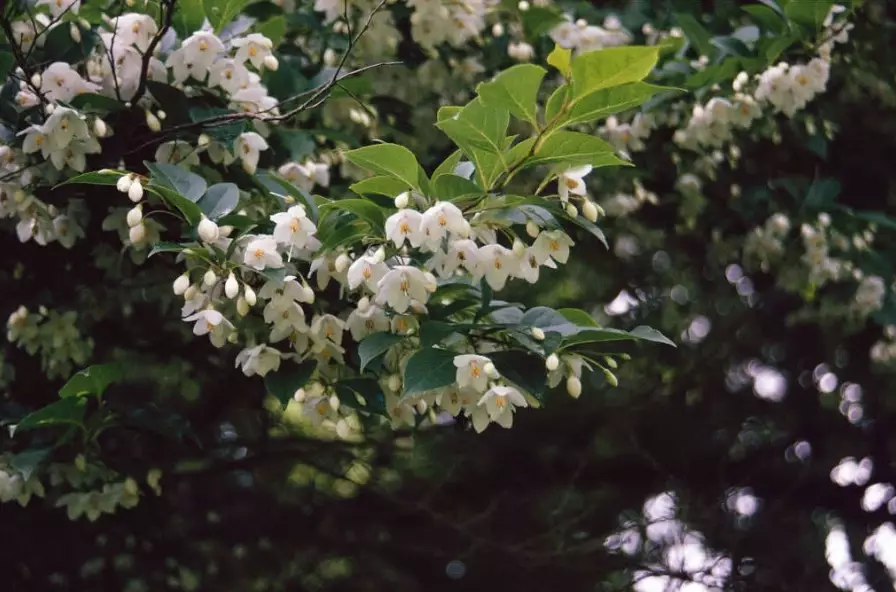
Using Snowbell Trees in Your Landscape Design
Snowbells aren't just trees; they're design elements. Their moderate size makes them versatile.
Consider them as focal points in small gardens. Plant one near a patio or walkway where you can enjoy the fragrance. Underplant with shade-tolerant perennials like hostas or ferns – the contrast in texture works well. I paired mine with blue hydrangeas, and the white flowers against blue blooms is stunning.
For larger properties, use them in groupings or as part of a mixed border. They combine beautifully with other Japanese garden staples like Japanese maples or azaleas. But avoid planting under large trees; they don't compete well with aggressive roots.
Here's a quick comparison of popular uses:
| Landscape Use | Why It Works | Potential Pitfall |
|---|---|---|
| Specimen Tree | Showcases flowers and form; ideal for small yards | Can look lonely if not complemented with underplanting |
| Woodland Garden | Naturalistic setting; thrives in dappled shade | Needs soil rich in organic matter |
| Urban Garden | Tolerates pollution; provides seasonal interest | Requires consistent watering in confined spaces |
I've seen them used in parking lot islands, but honestly, it's a waste. The stress from heat and compacted soil often stunts them.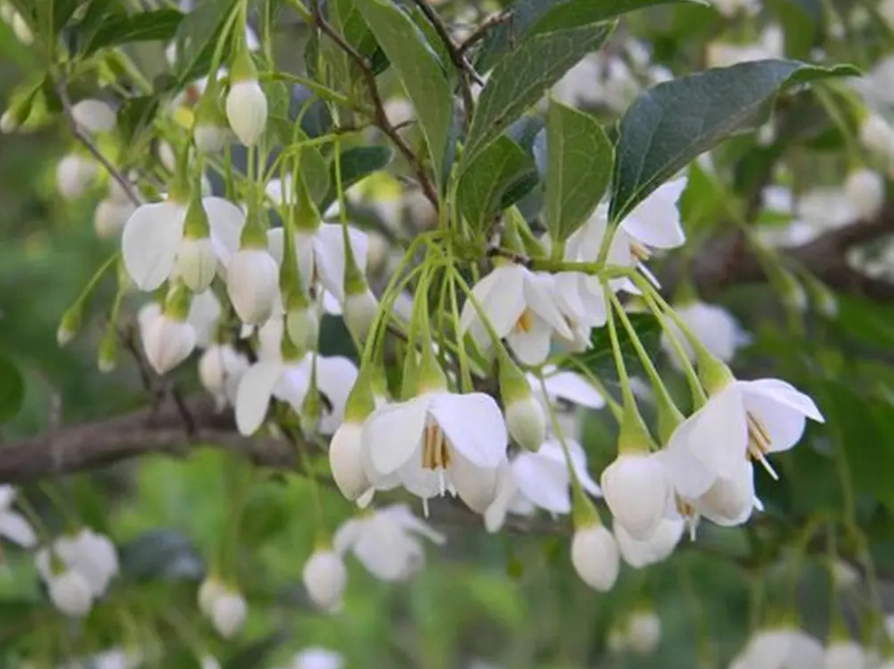
Common Problems and How to Fix Them
Snowbells are generally pest-resistant, but they're not immune to issues. Here's what to watch for.
Pests: The Usual Suspects
Aphids might show up, especially on new growth. A strong blast of water usually knocks them off. If persistent, insecticidal soap works. Scale insects can be trickier – look for small, bumpy spots on branches. Horticultural oil applied in dormant season helps.
Deer? In my area, they mostly leave snowbells alone, but if deer pressure is high, they might nibble young shoots. A physical barrier is the best deterrent.
Diseases: Prevention Over Cure
Powdery mildew can occur in humid conditions with poor air circulation. It looks like white powder on leaves. To prevent it, ensure proper spacing and avoid overhead watering. If it appears, a fungicide labeled for mildew can help, but improving airflow is more effective.
Root rot is the big one. Caused by waterlogged soil, it leads to wilting and dieback. If you suspect it, check drainage. Sometimes, lifting the tree and replanting in a better-drained spot is the only solution. I lost one tree to this before I learned to test soil drainage before planting.
Leaf scorch in hot, dry winds isn't a disease but a stress response. Mulching and adequate watering mitigate it.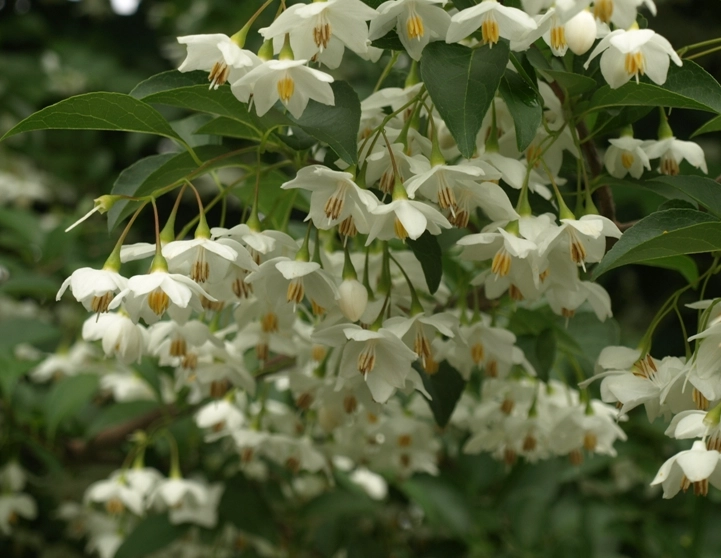
My personal struggle: Early in my gardening days, I assumed yellowing leaves meant nutrient deficiency. For snowbells, it's often a sign of overwatering or poor drainage. Adding iron didn't help; fixing the soil did.
Answers to Your Burning Questions
 The leaves are turning brown and dropping in summer. Is it dying?
Growing a Japanese snowbell tree is a rewarding journey. It teaches patience and attention to detail. Start with the right spot, go easy on the fertilizer, and enjoy the process. For more authoritative info, check resources like the Missouri Botanical Garden or your local agricultural extension office. They have solid, research-backed guides that complement hands-on experience.
Reader Comments