If you've ever seen a redbud tree (Cercis canadensis) in full spring bloom, you know the magic. It's not just a tree; it's a lavender-pink cloud that seems to float right on the branches before the leaves even appear. I planted my first one over a decade ago, convinced it was the perfect small ornamental tree. It died within two years. That failure taught me more about redbuds than any book ever could—they have specific needs that, if ignored, lead to a disappointing, short-lived specimen. This guide is everything I wish I'd known then, distilled from years of trial, error, and conversations with master arborists.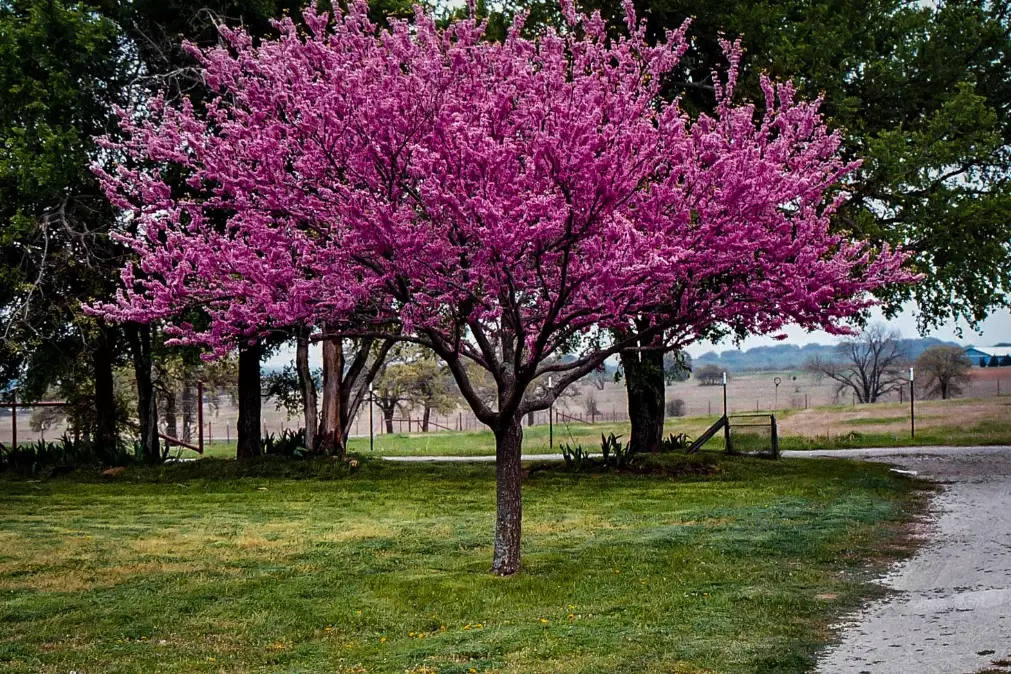
What's Inside This Guide?
What Exactly is a Redbud Tree?
Let's clear up the basics. When people say "redbud," they're usually talking about the Eastern Redbud (Cercis canadensis), a native superstar across much of the eastern and central United States. It's a small to medium-sized deciduous tree, typically maturing at 20 to 30 feet tall with a graceful, often multi-trunked, spreading canopy.
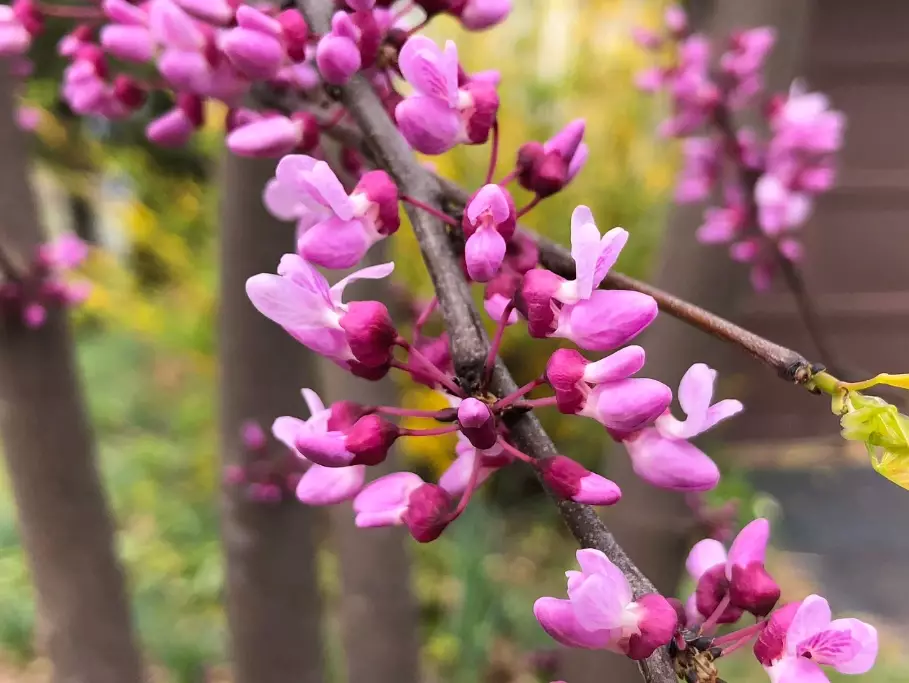
The "red" in its name is a bit misleading. It refers to the reddish-purple buds, not the famous flowers. Those flowers are a stunning magenta-pink and have a unique trait: they emerge directly on the branches and even the main trunk in a phenomenon called "cauliflory." After the flowers fade, heart-shaped leaves unfurl, turning a bright green. In fall, they often shift to a pleasant yellow.
Here's a nuance most beginners miss: the Eastern Redbud is an understory tree in the wild. This is the single most important fact for its care. It evolved under the partial shade of taller oaks and maples. While it tolerates full sun, especially in cooler climates, in hotter zones (7 and above), that afternoon sun can scorch the leaves and stress the tree, making it more susceptible to disease. It prefers the dappled light it was born under.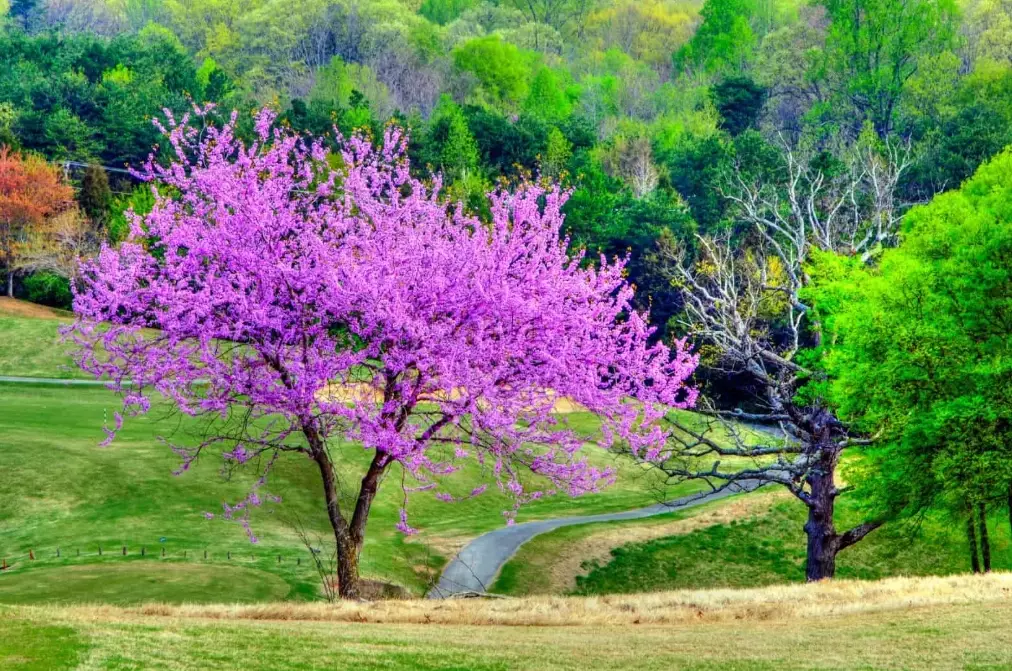
How to Plant a Redbud Tree: A Step-by-Step Guide
Planting is where you set the stage for decades of health. Get this wrong, and you'll be fighting an uphill battle.
The Best Time to Plant
Fall is king. Planting in early autumn allows the redbud's roots to establish in the cool, moist soil without the stress of supporting top growth in summer heat. Spring is the second-best option, but you must be diligent with watering through the first summer. Avoid summer planting unless you're prepared for a high-maintenance relationship with your hose.
Site Selection: More Than Just a Pretty Spot
Think like a redbud. It wants:
- Well-drained soil, above all else. Soggy roots are a death sentence. If your soil is heavy clay, you must amend it generously or plant on a slight mound.
- Partial sun to full sun (with a caveat). Morning sun with afternoon shade is ideal in warmer areas. In cooler zones, full sun is fine.
- Space to spread. Its canopy often becomes as wide as it is tall. Don't cram it next to a building or under power lines.
The Planting Process: A 5-Step Checklist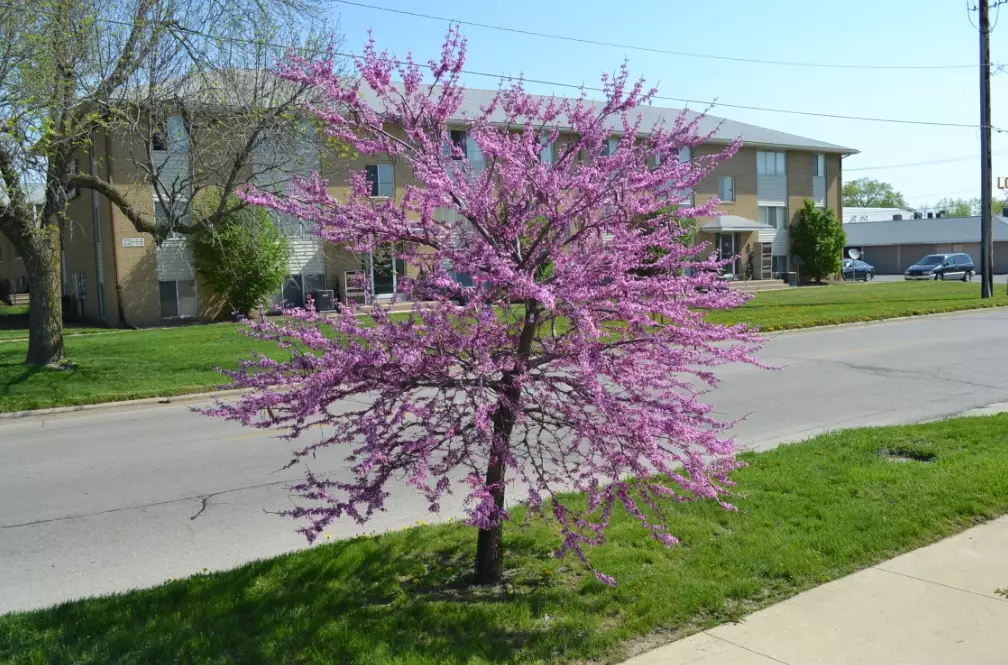
- Dig a wide, shallow hole. Make it 2-3 times wider than the root ball, but only as deep as the root ball itself. Planting too deep is a classic, fatal error.
- Inspect and tease the roots. If the tree is pot-bound, gently loosen the outer roots. For balled-and-burlapped trees, remove any wire or synthetic burlap after placing it in the hole.
- Backfill with native soil. Don't create a "bathtub effect" with rich potting mix in the hole. Mix in some compost with the soil you removed, but use mostly the native dirt.
- Water deeply and mulch. Soak the soil to settle it. Apply a 2-3 inch layer of organic mulch (shredded bark, wood chips) in a wide ring around the tree, but keep it a few inches away from the trunk. No "volcano mulching."
- Skip the stake. Unless the site is very windy, a young redbud doesn't need staking. A little movement helps the trunk strengthen.
Pruning Your Redbud: Timing and Techniques Matter
Redbuds have a naturally attractive form, so less is usually more. But strategic pruning is crucial for health and structure.
When to Prune: The absolute best time is right after it finishes blooming in late spring. This gives it the whole growing season to heal cuts and set buds for next year. You can do light corrective pruning in late summer, but avoid fall or winter pruning, as it can make the tree more vulnerable to disease entry.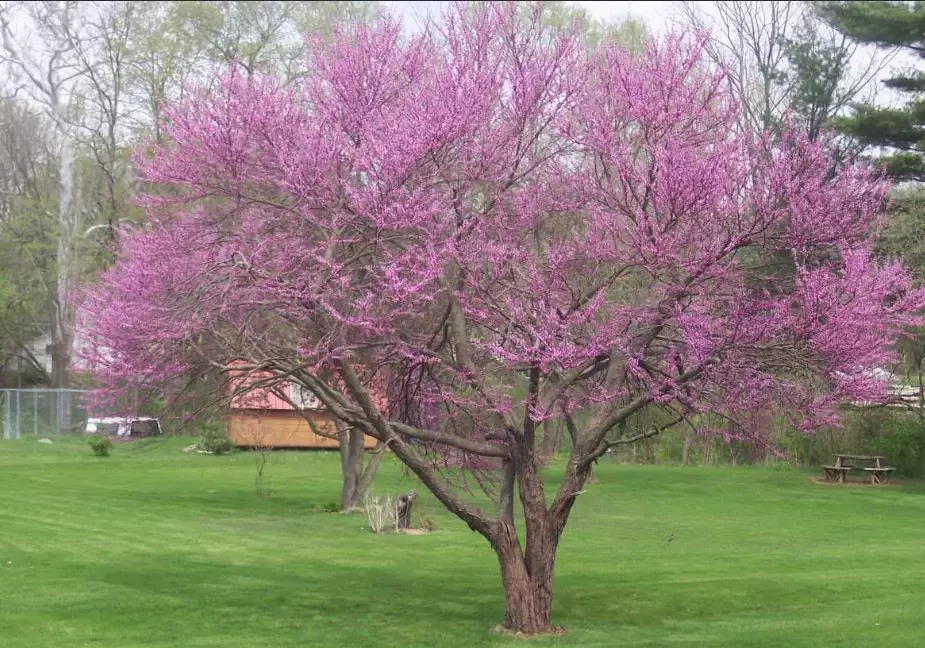
What to Cut:
Focus on these three things:
Dead, damaged, or diseased wood: This is non-negotiable. Cut it back to healthy tissue.
Crossing or rubbing branches: Remove the weaker of the two to prevent wounds and improve air circulation.
Suckers and water sprouts: Those fast-growing vertical shoots from the base or trunk drain energy and look messy.
Avoid the temptation to "top" the tree or give it a severe haircut. Redbuds don't respond well to heavy pruning and can look butchered for years.
Solving Common Redbud Tree Problems
Redbuds are tough but not invincible. Here are the issues you're most likely to face, ranked by how often I see them.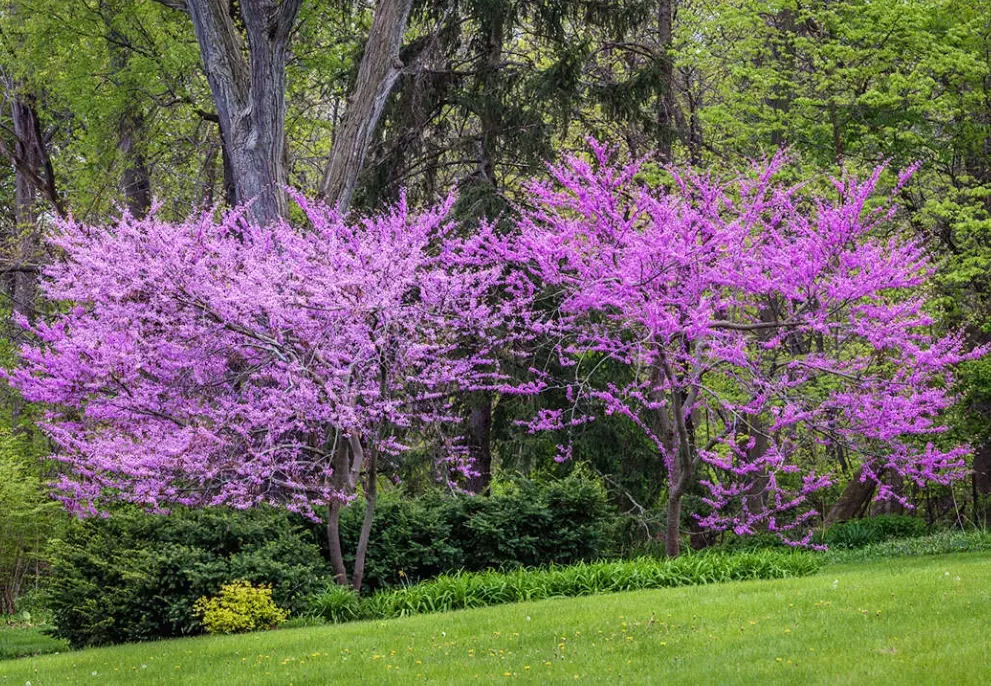
| Problem | Symptoms | Cause & Solution |
|---|---|---|
| Verticillium Wilt | Sudden wilting and yellowing of leaves on one side of the tree, often followed by branch dieback. Streaking in the inner wood if you cut a branch. | A soil-borne fungus. There is no cure. The best action is prevention: plant in well-drained soil, avoid wounding the tree, and choose resistant varieties like 'Forest Pansy'. Remove severely infected trees. |
| Canker Diseases | Sunken, darkened areas on branches or the main trunk. Bark may crack and peel around the area. Leaves beyond the canker wilt and die. | Often fungal, entering through wounds or stressed trees. Prune out infected branches well below the canker, sterilizing tools between cuts. Keep the tree healthy and unstressed to improve its defenses. |
| Leaf Spots | Small, round, brown or purple spots on leaves, sometimes with a yellow halo. Can cause early leaf drop. | Fungal, exacerbated by wet foliage and poor air circulation. Rake and destroy fallen leaves. Ensure proper spacing and prune for airflow. Fungicides are rarely needed for healthy trees. |
| Poor or No Blooms | The tree looks healthy but produces few or no flowers in spring. | Usually due to too much shade or pruning at the wrong time (you cut off the flower buds formed the previous summer). Ensure it gets enough light and only prune right after blooming. |
Insect problems are less common. You might see leafrollers or scale, but they rarely threaten a healthy tree. A strong blast of water from a hose often does the trick.
Choosing the Right Redbud Variety for Your Garden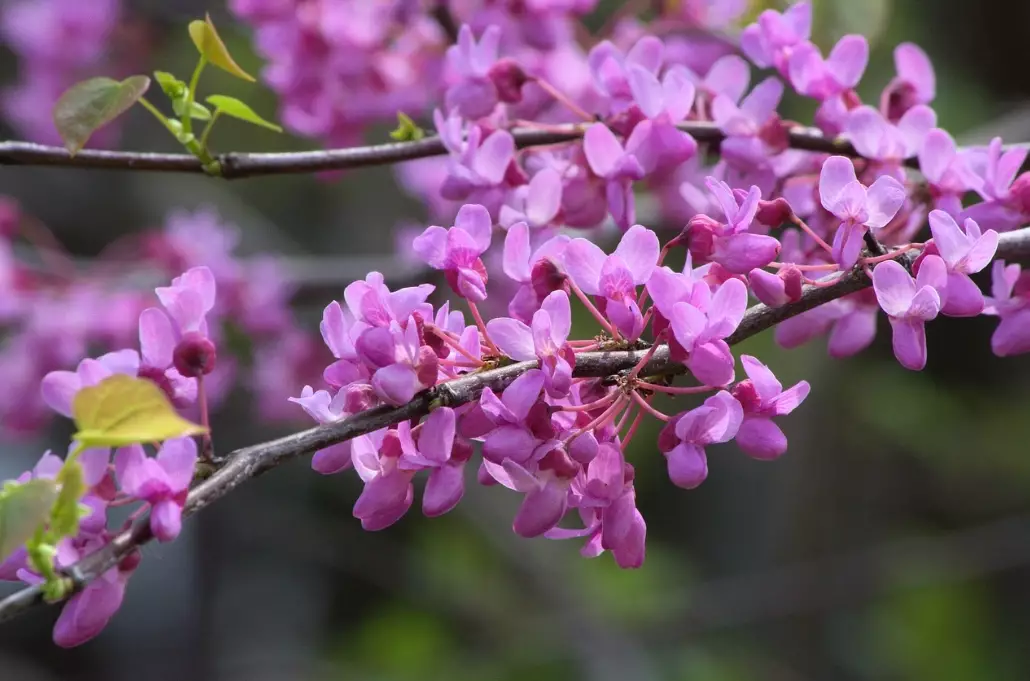
Not all redbuds are created equal. Breeders have developed stunning cultivars for different effects. Here's a quick rundown of the most popular ones you'll find at nurseries.
'Forest Pansy': The classic purple-leaf redbud. Its heart-shaped leaves emerge a deep, shimmering purple-red, fading to a bronzy green in summer heat. It's spectacular. Drawback? It can be slightly less vigorous than the green types and may scorch in very hot, full sun. Best with some afternoon shade.
'Lavender Twist' (Covey): A weeping form with twisted branches. It stays small (6-10 feet tall) and is perfect for a focal point in a tight space or over a wall. It's all about the architecture, especially in winter.
'Rising Sun': A personal favorite. The new growth is a brilliant apricot-orange, maturing to chartreuse and then green. It's like having a sunset in your garden all season long. It's also more compact and sun-tolerant than 'Forest Pansy'.
'Alba' (or var. alba): A white-flowering form. It offers a more subtle, elegant look than the pink types and can light up a shady corner beautifully.
When choosing, consider your space, color scheme, and local climate. A local independent nursery will have the varieties best suited to your area.
Your Redbud Questions, Answered
 I see splits in the bark on my young redbud's trunk. Should I panic?
Reader Comments