If you've got a shady corner in your garden that you've written off as a lost cause, I'm here to change your mind. For over a decade, I've watched gardeners struggle with dim, north-facing beds or areas under dense trees. They try hostas, they try ferns, and then they discover astilbe. This isn't just another shade plant; it's the solution for adding vibrant color, texture, and life where most flowering plants give up. Forget the bland, green-only shade garden. With the right know-how, your astilbe can become a stunning, feathery focal point that comes back bigger and better every year. Let's get into the details most generic guides skip.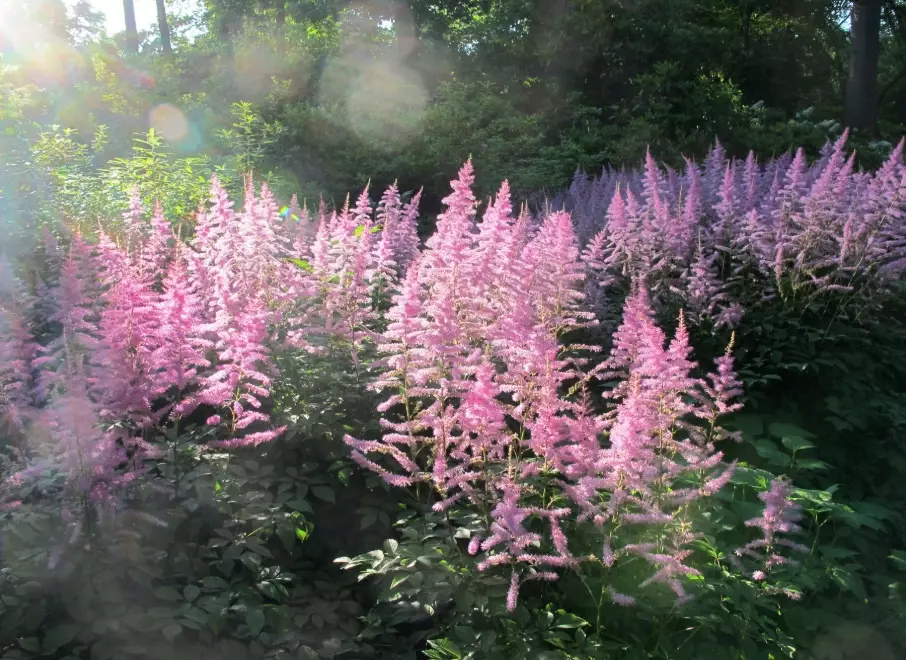
What You'll Find in This Guide
Why Astilbe is a Shade Garden Superstar
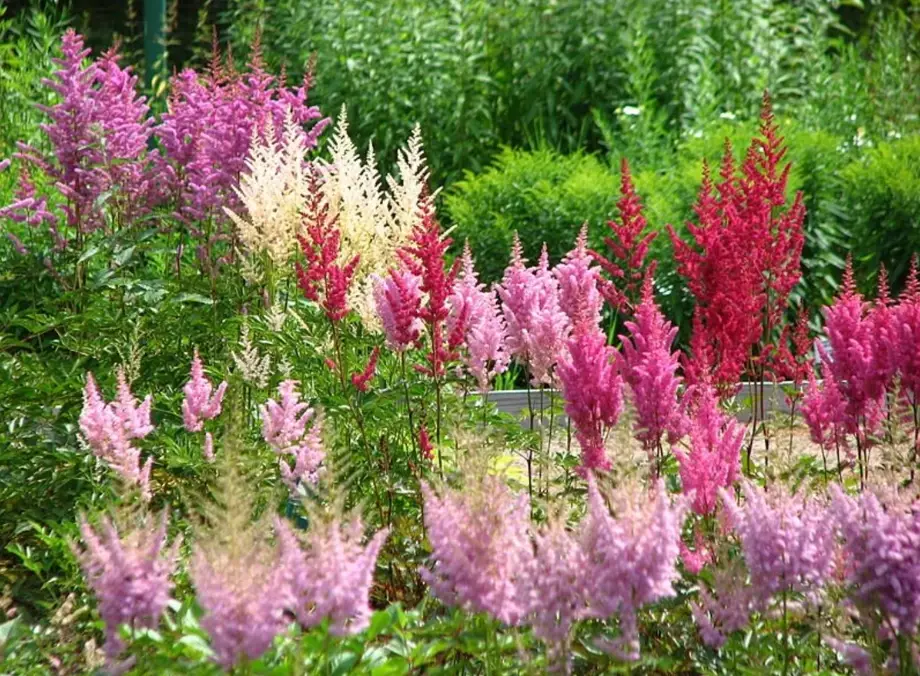
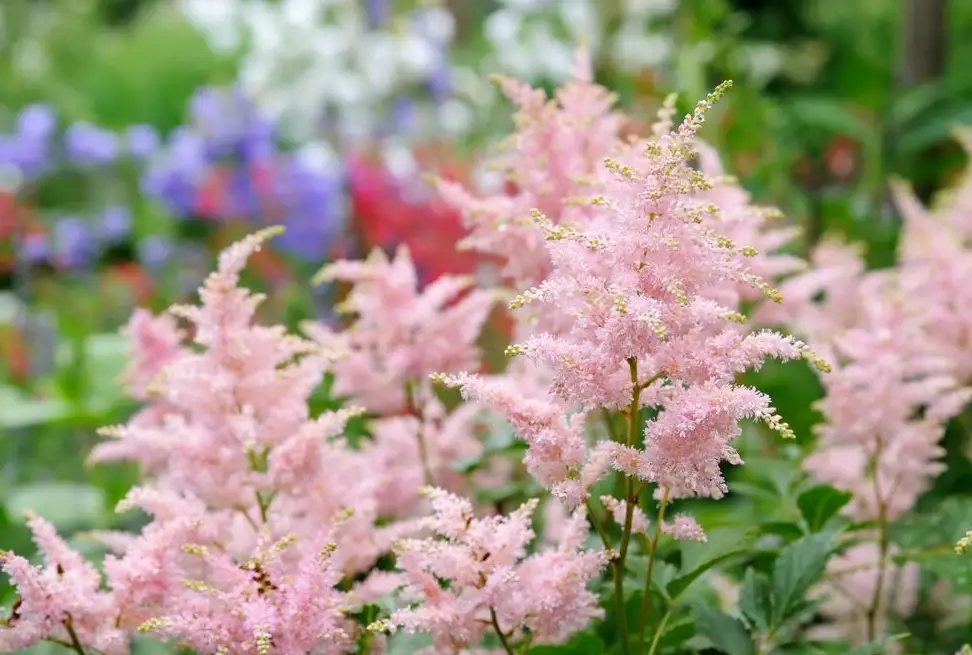
Most articles will tell you astilbe is a "shade-loving perennial." That's true, but it undersells why they're so valuable. The real magic is in their timing and texture. While spring bulbs fade and summer's full sun bloomers are just getting started, astilbe hits its stride in early to mid-summer. Those plumes—ranging from cotton-candy pink and deep crimson to pure white and lavender—rise above fern-like foliage, catching any available light and seeming to glow.
They're not divas. Once established in the right spot, they're remarkably resilient. They form dense clumps that slowly expand, suppressing weeds. The foliage remains attractive even after the flowers fade, often turning rich bronze or copper in the fall. The Royal Horticultural Society consistently gives them an Award of Garden Merit, which is a solid stamp of approval for garden performance.
But here's the non-consensus bit everyone misses: astilbe isn't just for deep, dark shade. Many varieties, particularly the Chinese astilbe (Astilbe chinensis) types, can handle a surprising amount of morning sun or dappled light all day. This opens up way more planting options than the classic "plant it under a pine tree" advice.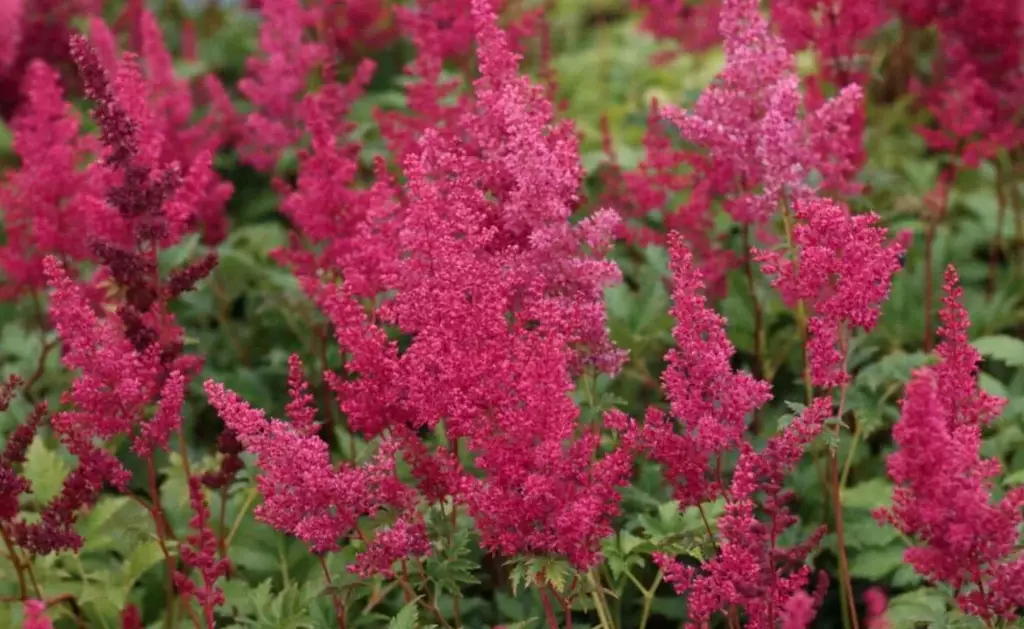
How to Plant Astilbe for Success
Planting is where most failures happen. It's not complicated, but getting two things wrong guarantees struggle.
Site and Soil: The 80% Rule
Listen, if you remember one thing, make it this: astilbe hates "wet feet" but loves consistent moisture. It's a paradox that trips people up. They hear "moisture-loving" and plant it in a boggy spot where the crown sits in soggy soil all winter. Rot city.
The ideal is rich, humusy soil that holds moisture like a sponge but drains excess water away. Think forest floor. If your soil is heavy clay, you must amend it. Dig in a generous amount of compost, leaf mold, or well-rotted manure. A 3-4 inch layer worked into the top 12 inches of soil makes all the difference.
Light needs depend on your climate. In cooler northern zones (like USDA zones 3-5), astilbe can handle a few hours of gentle morning sun, which often leads to more prolific blooms. In hotter southern zones, stick to full or partial shade. The afternoon sun is a killer, bleaching and crisping the leaves.
The Planting Process, Step-by-Step
- Timing: Early spring or early fall. Fall planting gives roots time to establish before winter, leading to a stronger show the first summer.
- Spacing: Give them room. Most varieties need 18 to 24 inches apart. They look sparse the first year but will fill in beautifully by year two.
- Depth: This is critical. Plant the crown (where the roots meet the stems) at soil level, not below. Burying it invites rot.
- Watering In: Soak the area thoroughly after planting. Then, maintain consistent moisture, especially for the first growing season. A 2-inch layer of mulch (shredded bark or leaf mold) is your best friend here—it conserves moisture and keeps roots cool.
The Simple, Non-Negotiable Care Routine
Astilbe care is straightforward but non-negotiable. Skip these, and you'll see the decline.
Watering: This is the big one. They need about 1 inch of water per week, either from rain or you. During hot, dry spells, you might need to water deeply twice a week. Wilting leaves are a late sign of stress; try to water before that point.
Feeding: They're not heavy feeders, but they appreciate an annual boost. In early spring, as new growth emerges, scratch a balanced, slow-release granular fertilizer (like a 10-10-10) into the soil around the plant. Alternatively, a top-dressing of compost works wonders.
Deadheading and Pruning: You don't have to deadhead (remove spent flowers), but it keeps the plant looking tidy. I often leave some plumes for winter interest—they hold their shape surprisingly well and look beautiful touched by frost. In late winter or very early spring, cut all the old foliage back to the ground before new growth starts. It's satisfyingly quick.
Dividing: Every 3-4 years, clumps can become crowded in the center, leading to weaker flowering. The fix is easy. In spring or fall, dig up the clump, use a sharp spade to chop it into 2-3 smaller pieces (each with several healthy buds), and replant. It's free plants.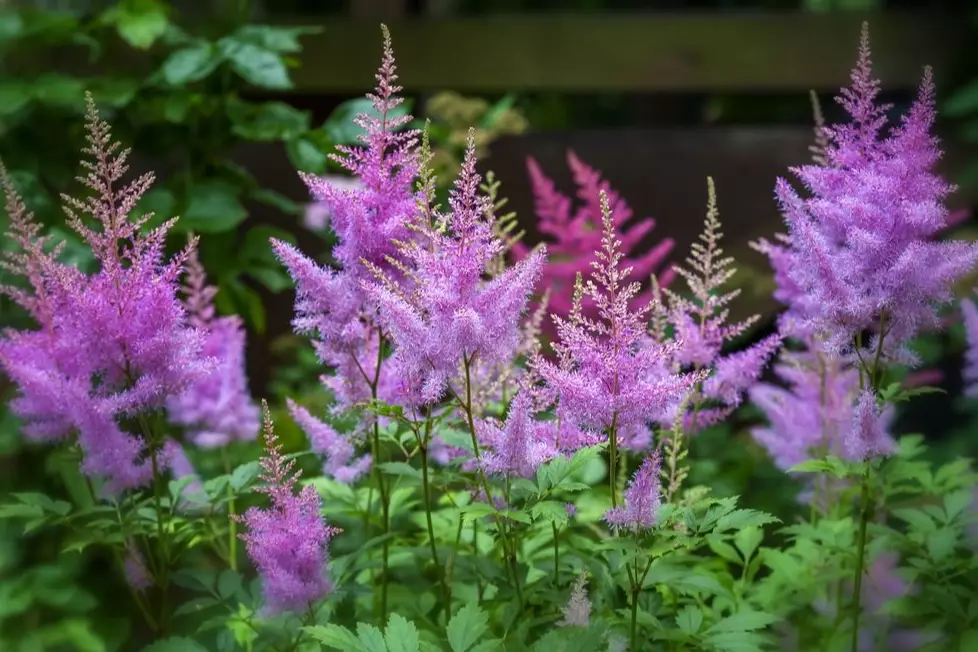
Choosing the Right Astilbe Variety for Your Garden
Picking a random astilbe at the garden center is a gamble. Different series and species have different heights, bloom times, and tolerances. Here’s a breakdown of top performers I've relied on for years.
| Variety / Series | Height | Bloom Color & Time | Key Feature & My Notes |
|---|---|---|---|
| Astilbe 'Visions' | 12-18" | Deep pink to red, Early Summer | Dwarf, compact. Perfect for the front of borders or containers. Exceptionally sturdy and long-blooming. |
| Astilbe chinensis 'Pumila' | 10-12" | Lavender-pink, Late Summer | A ground-cover type. Tolerates drier soil than most once established. Great for tricky spots. |
| Astilbe 'Bridal Veil' | 24-30" | Pure white, Mid-Summer | Classic, elegant white plumes. Strong stems. Looks amazing against dark green foliage or paired with blue hostas. |
| Astilbe 'Fanal' | 24" | Deep crimson-red, Early Summer | Stunning dark red flowers with bronze-tinged foliage. One of the earliest to bloom. A real showstopper. |
| Astilbe 'Sprite' | 12-18" | Shell-pink, Mid-Summer | Known for its delicate, airy plumes and fine, dark green foliage. Award-winner. Very graceful. |
My personal workhorse is the 'Visions' series for small spaces. For big impact, you can't beat a drift of 'Bridal Veil'. Want to extend the season? Combine early 'Fanal' with late-blooming Astilbe simplicifolia 'Sprite'.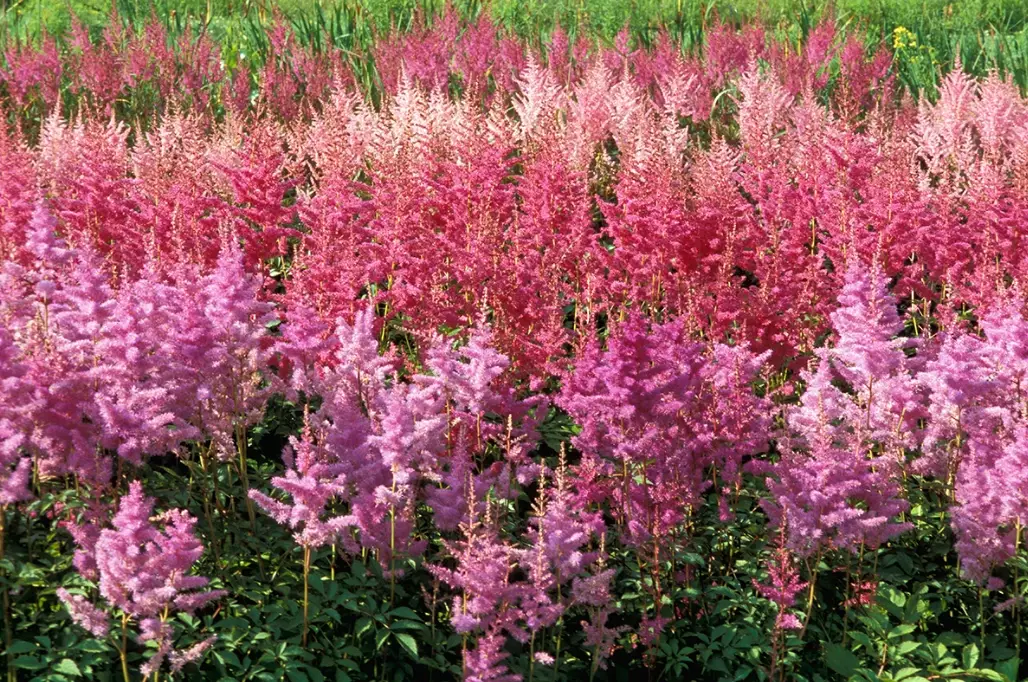
Designing with Astilbe: Beyond the Basics
Don't just plant them in a lonely row. Think in layers and partnerships.
Classic Companions:
- Hostas: The broad leaves provide a perfect textural contrast to astilbe's feathery plumes and ferny foliage.
- Ferns: Creates a layered, woodland feel. Japanese painted fern is a particularly gorgeous partner.
- Hakonechloa (Japanese Forest Grass): The flowing, arching grass form complements astilbe's upright plumes beautifully.
- Heuchera (Coral Bells): Plant Heuchera in front. Their colorful foliage (purples, limes, oranges) provides interest before, during, and after astilbe blooms.
Designing for Succession: Pair early-blooming astilbe with late-emerging perennials. The astilbe flowers and fills the space in June/July. As its plumes fade, something like a Toad Lily (Tricyrtis) or a late-blooming Anemone can take over the show in late summer and fall.
Astilbe Troubleshooting: Solving Common Problems
Even with good care, issues can pop up. Here's how to diagnose and fix them fast.
Brown, Crispy Leaf Edges: Almost always a sign of too much sun or, more commonly, underwatering. Astilbe's roots are shallow. Check soil moisture 2 inches down. Increase watering frequency and mulch heavily.
Weak, Floppy Stems or Poor Flowering: Usually one of three things: 1) Too much shade (yes, there is such a thing—they need some filtered light to bloom well), 2) Overcrowding (time to divide), or 3) Hunger (poor soil that needs amending or feeding).
Crown or Root Rot: The plant collapses, and the base feels mushy. This is from poor drainage and/or planting too deep. It's often fatal. Prevention is key—ensure good drainage from the start.
Pests are rarely a serious issue. Deer and rabbits generally leave them alone, which is a huge plus. You might see some flea beetle damage (tiny holes in leaves) or sawfly larvae, but it's seldom severe enough to require action beyond picking them off.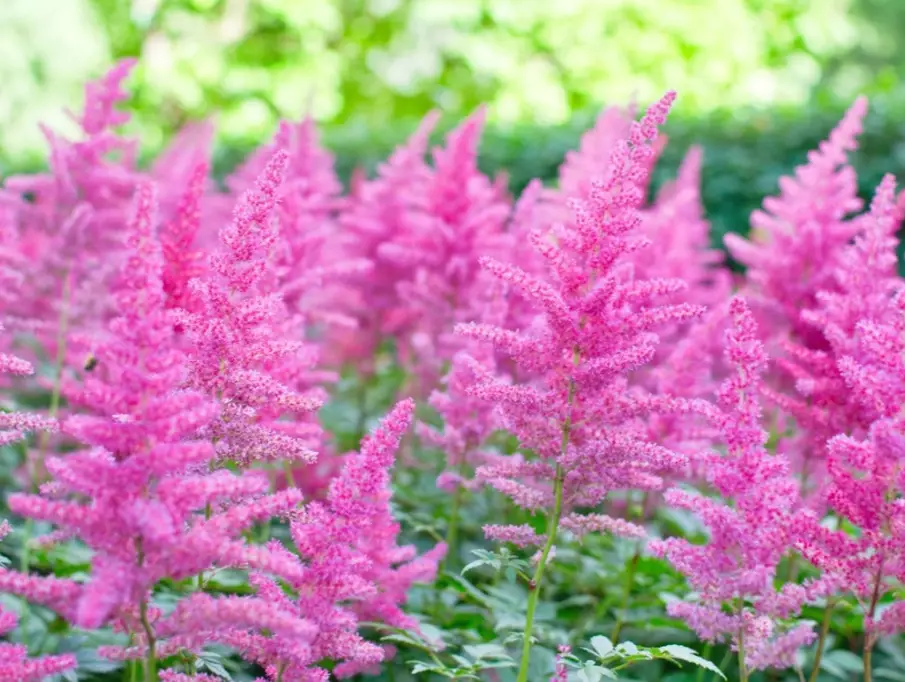
Your Astilbe Questions Answered
 Astilbe isn't a "set it and forget it" plant, but its needs are simple and predictable. Give it the right home—cool, moist, rich soil in gentle light—and it will reward you with years of effortless, elegant color. It turns a problem area into a highlight. Start with one or two varieties that catch your eye, follow the planting steps closely, and you'll see why this shade garden superstar has such a devoted following.
Reader Comments