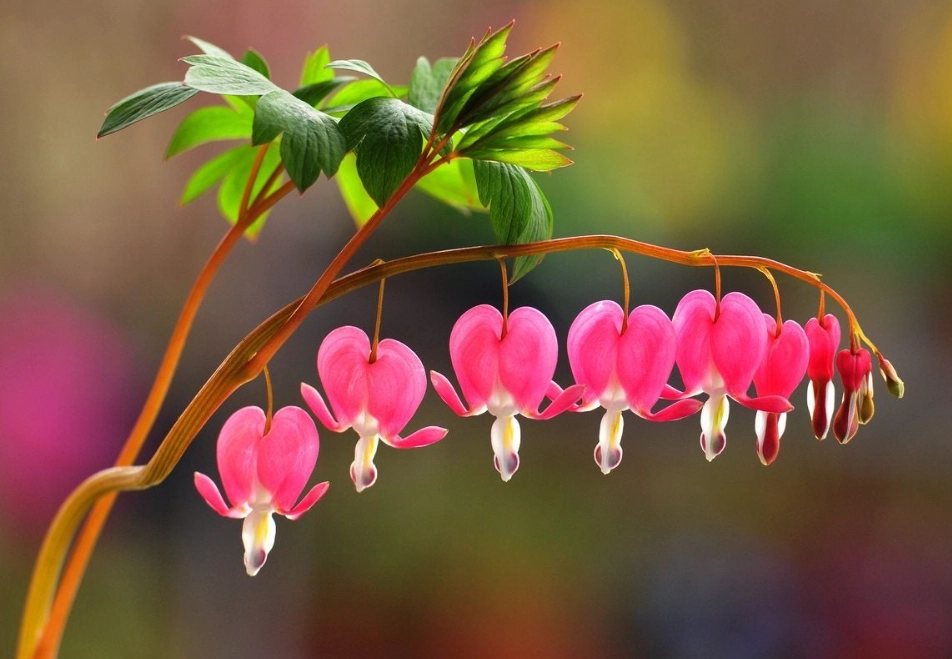
Let's be honest. Bleeding hearts are stunning. Those heart-shaped pink and white flowers dangling from arching stems look like something from a fairy tale. But if you've ever planted one only to watch it vanish by mid-summer or stubbornly refuse to bloom, you know they can be frustrating. This isn't just another generic plant care sheet. This guide pulls from years of trial, error, and observing what these plants actually want, beyond the basic "partial shade and moist soil" advice you see everywhere.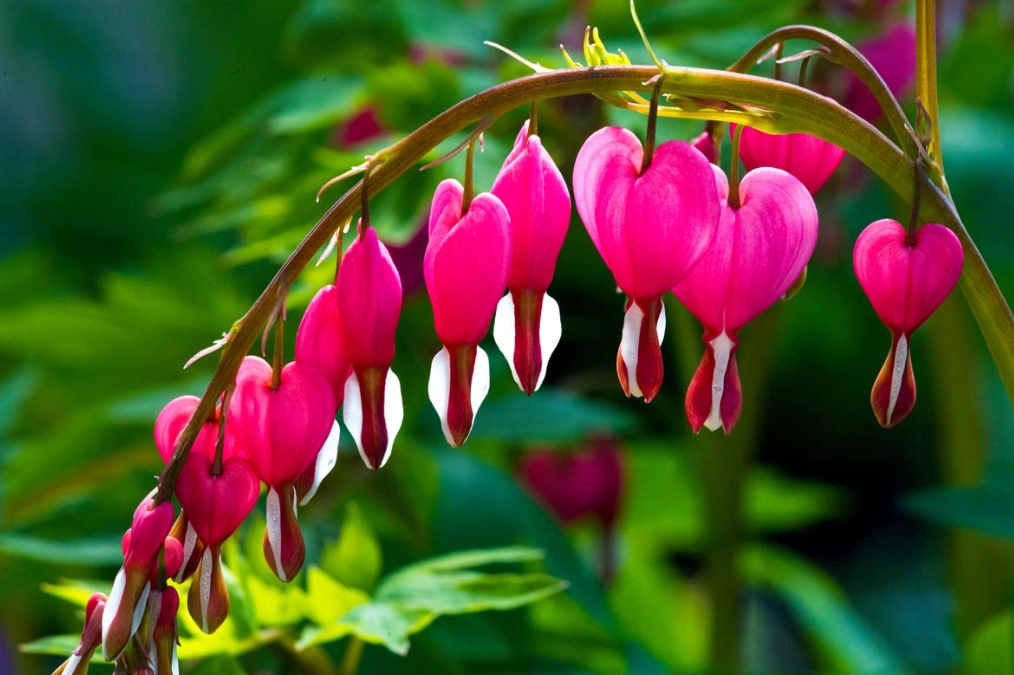
What You'll Find in This Guide
What Are Bleeding Hearts? A Botanical Profile
First, the name game. The classic garden plant is Lamprocapnos spectabilis. You might still see it called Dicentra spectabilis in older books. It's a herbaceous perennial, meaning the foliage dies back completely in winter or, more notably, in summer dormancy. That's the first big surprise for new gardeners – it's not dead, it's just taking a nap.
You have options beyond the classic pink-and-white. 'Alba' is a pure white form that glows in shade. 'Gold Heart' has stunning golden-yellow foliage that lights up dark corners even before it blooms. There are also related species like the fringed bleeding heart (Dicentra eximia) and the western bleeding heart (Dicentra formosa), which are smaller, have fern-like foliage, and often bloom sporadically all summer without going fully dormant.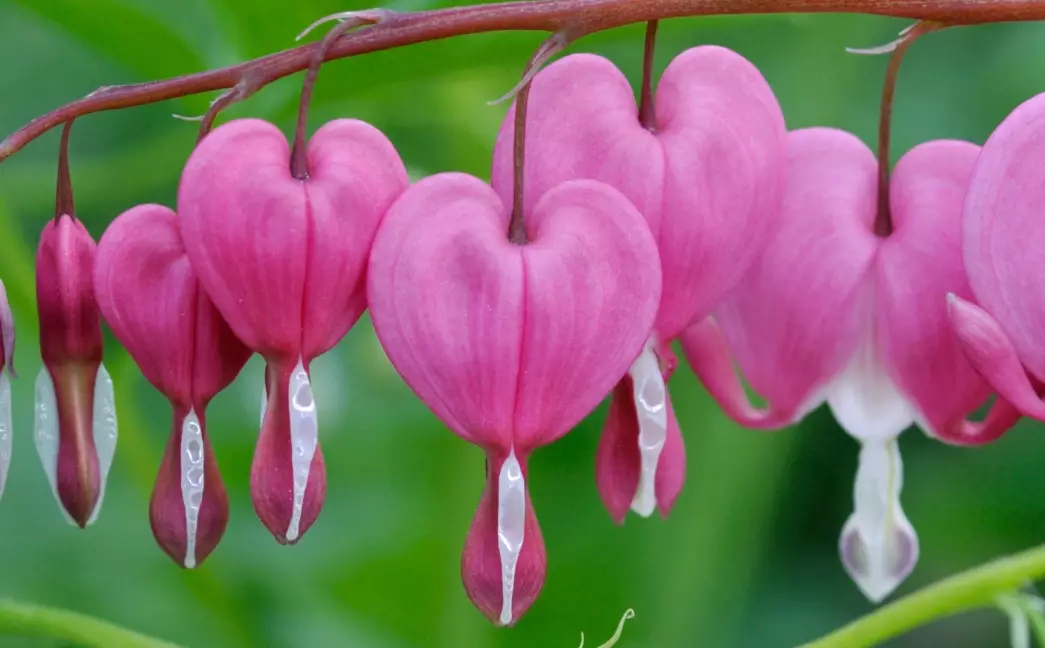
Here’s a quick comparison of the main types you'll find at nurseries:
| Variety/Cultivar | Key Features | Best For |
|---|---|---|
| Lamprocapnos spectabilis (Common) | Classic pink & white "hearts", 2-3 ft tall, goes summer dormant. | Dramatic spring display, traditional shade gardens. |
| 'Alba' | Pure white flowers, green foliage. Same size and habit as common type. | Brightening deep shade, moon gardens. |
| 'Gold Heart' | Brilliant gold-yellow foliage with pink flowers. More sun tolerant. | Adding foliage contrast, lighting up dark areas. |
| Dicentra eximia (Fringed) | Fern-like blue-green leaves, smaller pink flowers. Blooms on/off all summer. | Longer bloom time, rock gardens, front of borders. |
How to Grow Bleeding Hearts Successfully
Getting the start right is 80% of the battle. Most failures happen in the first season because of poor siting or planting.
Soil and Light: The Non-Negotiables
The mantra is "moist, well-drained, rich soil." But what does that mean on a Tuesday in your yard? It means soil that holds moisture like a wrung-out sponge but never sits soggy. If you have heavy clay, you must amend it. I mix in a generous amount of compost and leaf mold. For sandy soil, compost is even more critical to retain moisture.
Light is where many guides are too simplistic. "Partial to full shade" is the standard line. In my experience, that's a recipe for lush leaves and few flowers. Bleeding hearts need a solid dose of gentle morning sun or dappled light all day to bloom their hearts out. Deep, dark shade under evergreens leads to weak, floppy growth. 'Gold Heart' can handle nearly half a day of sun if the soil moisture is consistent.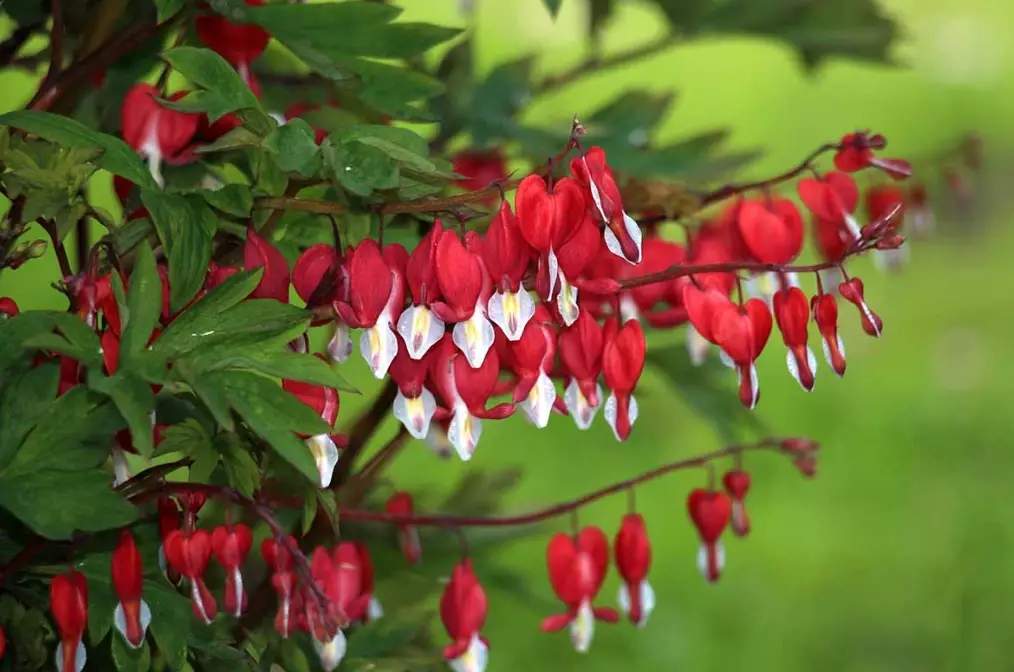
When and How to Plant
The best time is early spring or early fall. Avoid the heat of summer. You're usually planting dormant bare-root divisions or potted plants.
Dig a hole twice as wide as the root ball but only as deep. A common mistake is planting too deep. The crown (where stems meet roots) should be level with or just barely below the soil surface. Backfill with your amended soil, water deeply to settle, and mulch with 2-3 inches of shredded bark or leaves to conserve moisture. Don't pile mulch against the stems.
Bleeding Hearts Plant Care: Watering, Feeding, and Maintenance
Consistency is key, especially in the first year while the plant is establishing.
Watering: Keep the soil consistently moist in spring and early summer. This usually means a deep watering once a week if there's no rain. Stick your finger in the soil. If the top inch is dry, it's time. The biggest shift happens when they start to yellow and go dormant. Do not keep watering heavily. Gradually reduce watering as the foliage yellows. The roots are still alive but need the soil to be just slightly moist, not wet, during dormancy.
Feeding: These aren't heavy feeders. A single application of a balanced, slow-release fertilizer or a top-dressing of compost in early spring as growth emerges is plenty. More fertilizer, especially high-nitrogen ones, promotes leaves at the expense of flowers.
Pruning and Cleanup: Don't cut back the foliage while it's still green. Let it yellow and wither naturally—this process sends energy back to the roots for next year. Once it's completely brown, you can gently pull it away or cut it at the base. In late fall or early spring, a light mulch refresh is a good idea.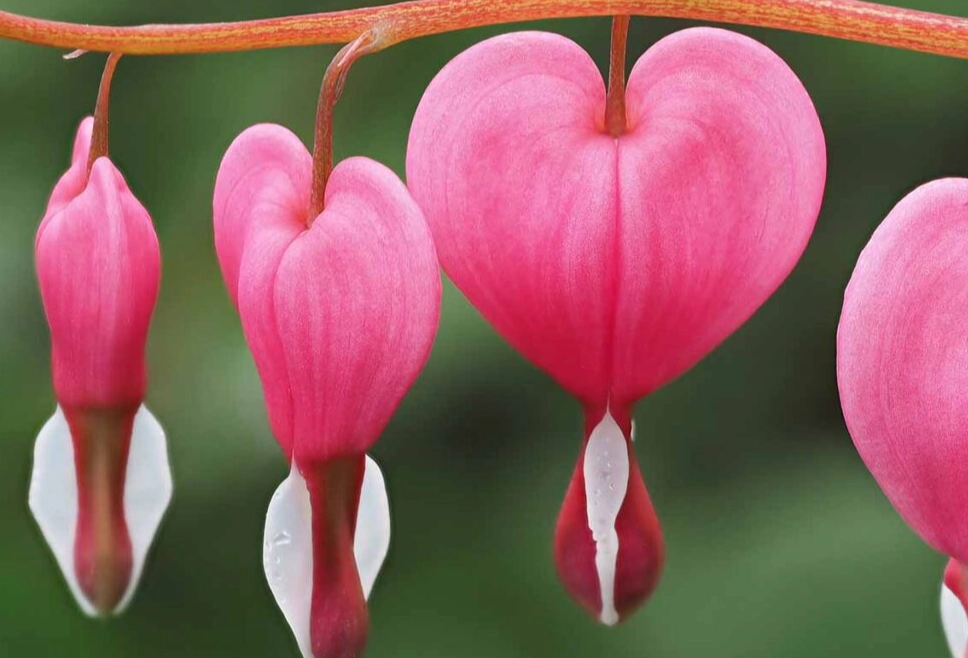
Common Bleeding Hearts Problems and Solutions
Here’s where experience talks. These are the issues that make gardeners pull their hair out.
Bleeding Heart Not Flowering: This is the number one complaint. The culprits are usually:
1. Too much shade. Move it to a brighter spot with morning sun.
2. Excess nitrogen. Switch to a low-nitrogen, bloom-booster fertilizer or just use compost.
3. The plant is too young or recently divided. It may need another season to settle in.
Yellow Leaves (Early Summer): If it's late spring or early summer and leaves are yellowing from the bottom up, don't panic. This is likely the start of its natural dormancy, especially if it's been hot and dry. It's not a disease.
Yellow Leaves (Spring) or Stunted Growth: This is a problem. It often points to waterlogged soil (root rot) or, surprisingly, excessive heat on the soil surface. A thick mulch layer helps keep roots cool and moist. Check drainage immediately.
Wilting or Collapsing Stems: Usually a sign of underwatering in hot weather. Give it a deep soak. It could also be fusarium wilt, a fungal disease. If the inside of the stem near the base is discolored, remove and destroy the plant; don't replant bleeding hearts there.
Beyond the Basics: Advanced Tips and FAQs
Once you've mastered the basics, here's how to truly coexist with these plants.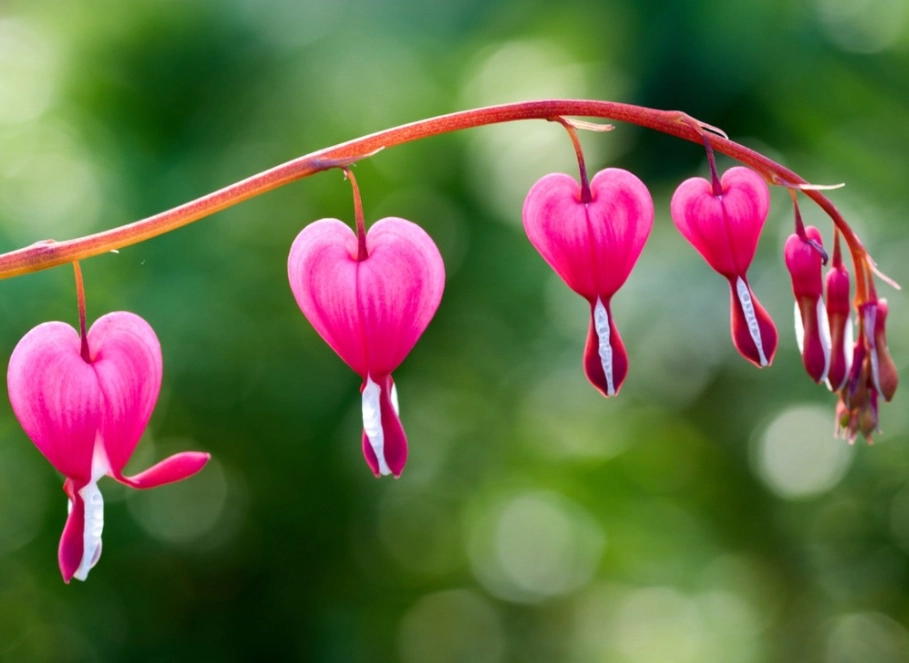
Dividing and Propagating: Bleeding hearts have brittle, fleshy roots. The best time to divide is in early spring as the "eyes" or pink buds just emerge from the soil, or in late summer/early fall when dormant. Use a sharp knife, ensure each division has 2-3 eyes, and replant immediately. Don't let the roots dry out. You can also try taking stem cuttings in spring, but division is more reliable.
Companion Planting: They play well with other spring shade lovers that can fill the gap when they go dormant. Think hostas, ferns, astilbes, hellebores, and lungwort (Pulmonaria). Planting spring bulbs like daffodils or tulips around them gives early color before the bleeding hearts leaf out fully.
Frequently Asked Questions (Answered by a Gardener Who's Killed a Few)
Can I grow bleeding hearts in a container?
You can, but it's a high-maintenance endeavor. Choose a large, deep pot with excellent drainage. Use a high-quality potting mix with extra compost for moisture retention. Container plants dry out and freeze faster. You'll need to water diligently in spring and likely move the pot to a sheltered, cool spot (like an unheated garage) over winter to protect the roots from freeze-thaw cycles. It's often easier to plant them in the ground.
My bleeding heart disappeared in June. Is it dead?
Probably not. Summer dormancy is its survival strategy. It hates heat. Once temperatures consistently climb, the foliage yellows and dies back. The plant retreats underground to wait for cooler fall and spring weather. Keep the area lightly marked, don't water heavily, and resist the urge to dig around. It should return faithfully next spring.
 Are bleeding hearts deer and rabbit resistant?
Yes, they are generally considered resistant due to the toxic compounds. Deer and rabbits typically avoid them. However, in times of extreme hunger, a desperate animal might sample them, so no plant is 100% safe. They are a good choice for gardens with wildlife pressure.
Where is the best place to buy healthy bleeding heart plants?
Avoid the tired, bone-dry pots at big-box stores in mid-summer. Look for local nurseries or specialized perennial growers in spring. They'll have fresh, actively growing stock. You can also order bare-root plants from reputable online nurseries like Bluestone Perennials or American Meadows for planting in early spring. For authoritative information on the plant, consult resources like the Missouri Botanical Garden's Plant Finder.
Why are the flowers on my bleeding heart so small or pale?
This often ties back to stress. Inadequate water during the bloom period, poor soil nutrition (not enough phosphorus), or too much intense afternoon sun can cause this. Ensure consistent moisture during spring growth and flowering, and consider a light feed with a fertilizer higher in phosphorus (the middle number on the bag).
The bottom line? Bleeding hearts aren't fussy if you understand their rhythm. Give them cool roots, gentle light, consistent spring moisture, and the grace to disappear in summer. Do that, and they'll reward you with one of the most breathtaking spring displays in the garden, year after year.
Reader Comments