Let's talk about mint. You've probably heard it's the easiest herb to grow, a beginner's dream. That's true, but it's also the plant most likely to stage a hostile takeover of your flower bed. I learned this the hard way when a single peppermint plant I put in the ground years ago now sends up shoots three meters away, popping up between my patio stones with relentless enthusiasm. But here's the thing – when you understand mint, you stop fighting it and start using it. This isn't just a plant; it's a versatile, fragrant, and incredibly useful garden companion. Forget the basic advice. We're going deep into what makes mint tick, how to keep it in check, and transform that aggressive grower into your most valuable herb.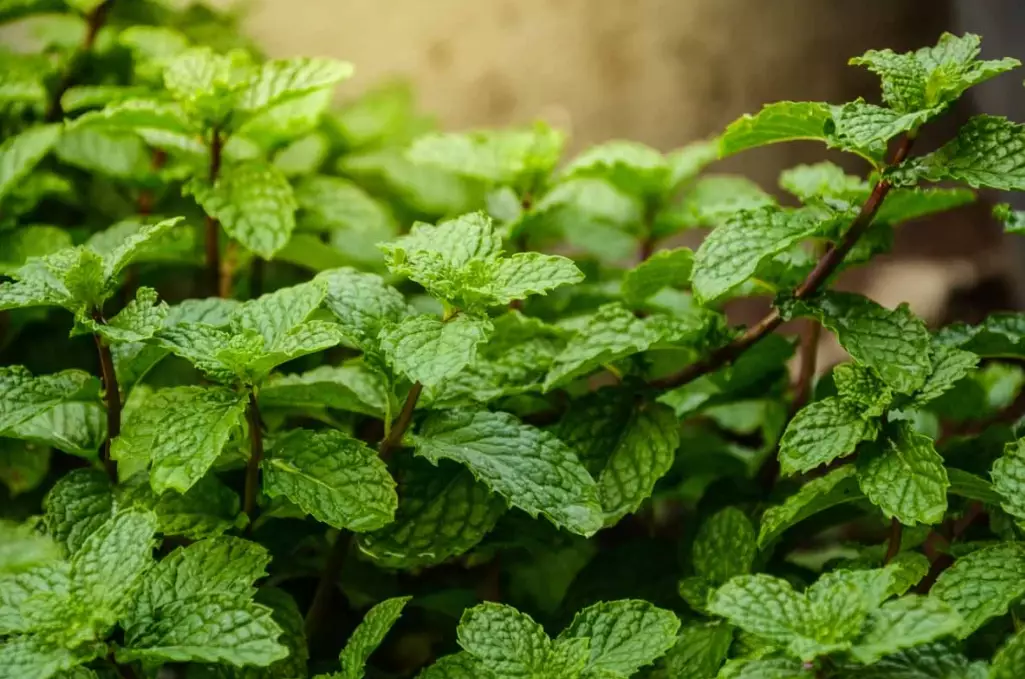
Your Mint Growing Roadmap
Picking the Right Mint for Your Garden
Not all mints are created equal. Going to the nursery and grabbing the first "mint" you see is a mistake. The flavor, growth habit, and even hardiness can vary wildly. The Royal Horticultural Society lists dozens of cultivars, but you only need to know a few key players.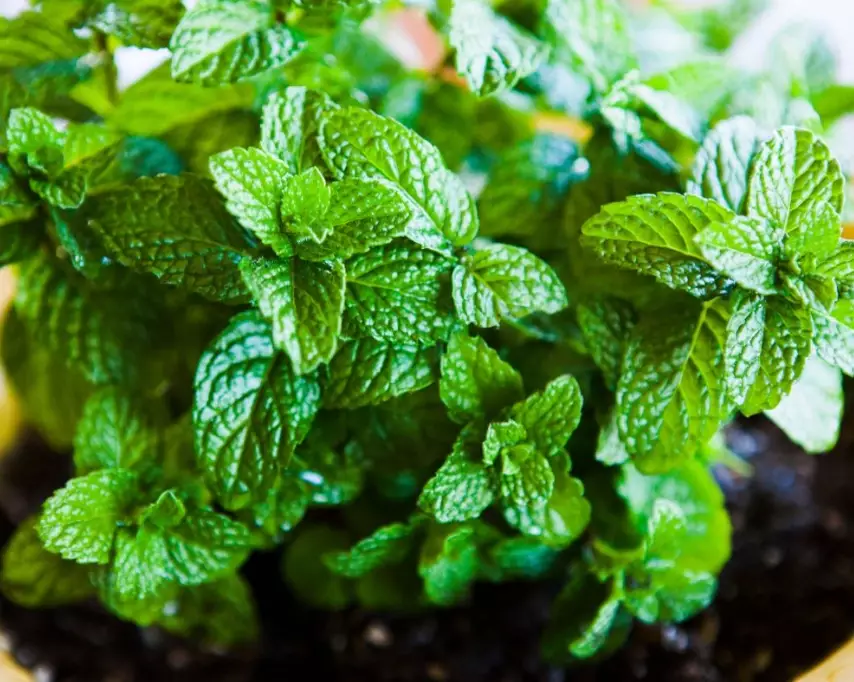
| Mint Variety | Flavor Profile & Best Use | Growth Habit & Notes |
|---|---|---|
| Spearmint (Mentha spicata) | The classic. Sweet, mild, perfect for mojitos, teas, and Middle Eastern cuisine. | Vigorous spreader. The standard by which all other mints' invasiveness is measured. |
| Peppermint (Mentha × piperita) | Strong, sharp menthol flavor. Ideal for desserts, candies, and soothing teas. | Equally vigorous. Prefers slightly more moisture than spearmint. |
| Apple Mint (Mentha suaveolens) | Fuzzy leaves with a subtle, fruity aroma. Excellent for fruit salads and garnishes. | Still spreads, but slightly less aggressively. The fuzzy leaves can hold soil splashes. |
| Chocolate Mint (Mentha × piperita 'Chocolate') | Peppermint base with a hint of dark cocoa. Amazing in desserts and hot chocolate. | Vigorous. The "chocolate" scent is most potent when you brush the leaves. |
| Pineapple Mint (Mentha suaveolens 'Variegata') | Mild, fruity flavor with beautiful cream-edged leaves. Great for looks and taste. | Less vigorous, often grown as much for its ornamental foliage as its flavor. |
My personal favorite for cooking is spearmint – it's versatile. But if I'm making tea to settle my stomach, nothing beats a strong peppermint. A tip most guides miss: if you have limited space, go for the variegated varieties like Pineapple Mint. They're naturally less rampant, giving you more flavor with less fight.
How to Plant Mint the Right Way
This is where most people fail. They plant mint directly in their garden soil and regret it for years. Mint spreads via underground runners called rhizomes. These things are relentless. The single most important piece of advice I can give you is this: always, always contain your mint.
Container Planting (The Safest Bet)
Use a pot that's at least 12 inches deep and wide. Mint isn't deep-rooted, but it likes room to sprawl horizontally. Ensure the pot has excellent drainage holes. I've had mint rot in a pot that didn't drain fast enough after a week of rain.
Soil Mix: Don't use heavy garden soil. A good quality, well-draining potting mix is perfect. You can mix in a handful of compost for nutrients, but mint isn't picky.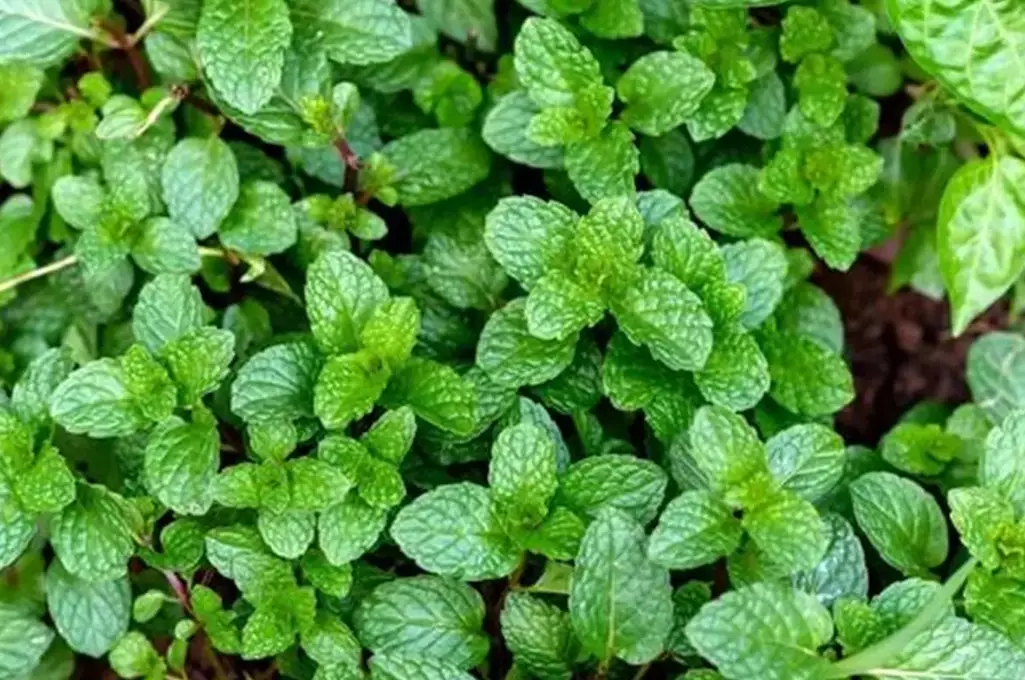
In-Ground Planting (With Extreme Caution)
If you must plant in-ground, sink a large, bottomless plastic pot or a 5-gallon bucket with the bottom cut out into the soil. Leave at least 2 inches above ground to act as a barrier for the runners. It's not foolproof, but it helps.
Location: Mint adapts. It can handle full sun to partial shade. In hot climates, afternoon shade prevents the leaves from scorching. In cooler climates, full sun gives you the strongest oils and flavors.
Mint Care Simplified: Sun, Water, and Food
Mint care is straightforward, but a few subtle shifts make a big difference in plant health and flavor intensity.
Sunlight: Aim for 4-6 hours of sunlight daily. More sun equals more potent oils. If your mint tastes weak, it probably needs more light.
Watering: This is the tricky one. Mint likes consistently moist soil, but not soggy, waterlogged roots. The classic mistake is daily light watering. Instead, water deeply when the top inch of soil feels dry. For a potted plant, that might mean a thorough soak every 2-3 days in summer. The plant will tell you – if it's wilting in the heat of the day but perks up in the evening, it's okay. If it's still limp in the morning, it's thirsty.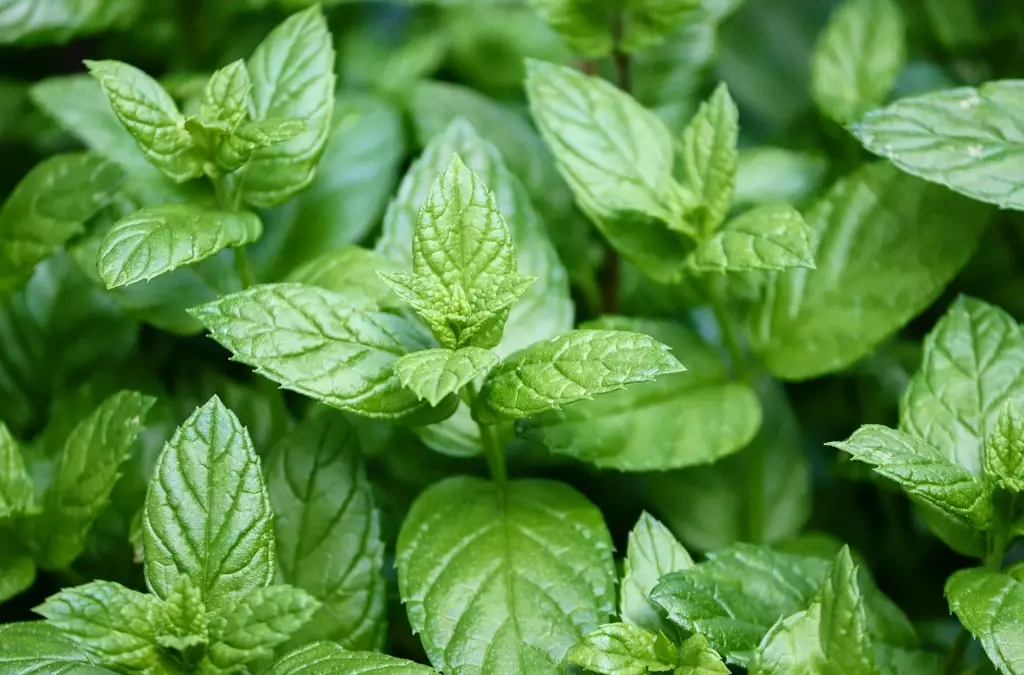
Feeding: Mint isn't a heavy feeder. A light application of a balanced, organic fertilizer (like a fish emulsion or compost tea) once at the start of spring and once in mid-summer is plenty. Over-fertilizing gives you lots of soft, lush growth that's more susceptible to pests like aphids and has weaker flavor.
Pruning and Pinching: This is non-negotiable for a bushy plant. Regularly pinch off the top sets of leaves. This encourages the plant to branch out sideways instead of growing one tall, leggy stem. Just use your fingers and snip right above a set of leaves.
What Are the Most Common Mint Plant Problems?
Mint is tough, but it's not invincible. Here’s how to handle the usual suspects.
Rust (Orange spots on underside of leaves): This fungal issue loves damp, crowded conditions. Improve air circulation by thinning the plant. Avoid overhead watering. Remove and destroy affected leaves immediately. A bad case means starting over with a new plant in fresh soil.
Powdery Mildew (White powdery coating): Another sign of poor air flow and humidity. Thin the plant, water at the base, and ensure it gets enough sun. A spray of 1 part milk to 9 parts water can help suppress it.
Aphids & Spider Mites: These sap-sucking pests love tender new growth. A strong blast of water from the hose knocks most off. For persistent problems, insecticidal soap or neem oil works. The best defense is a healthy, not over-fertilized plant.
Leggy, Sparse Growth: This isn't a disease; it's a care issue. The plant isn't getting enough light, or you're not pinching it back enough. Move it to a sunnier spot and get pinching.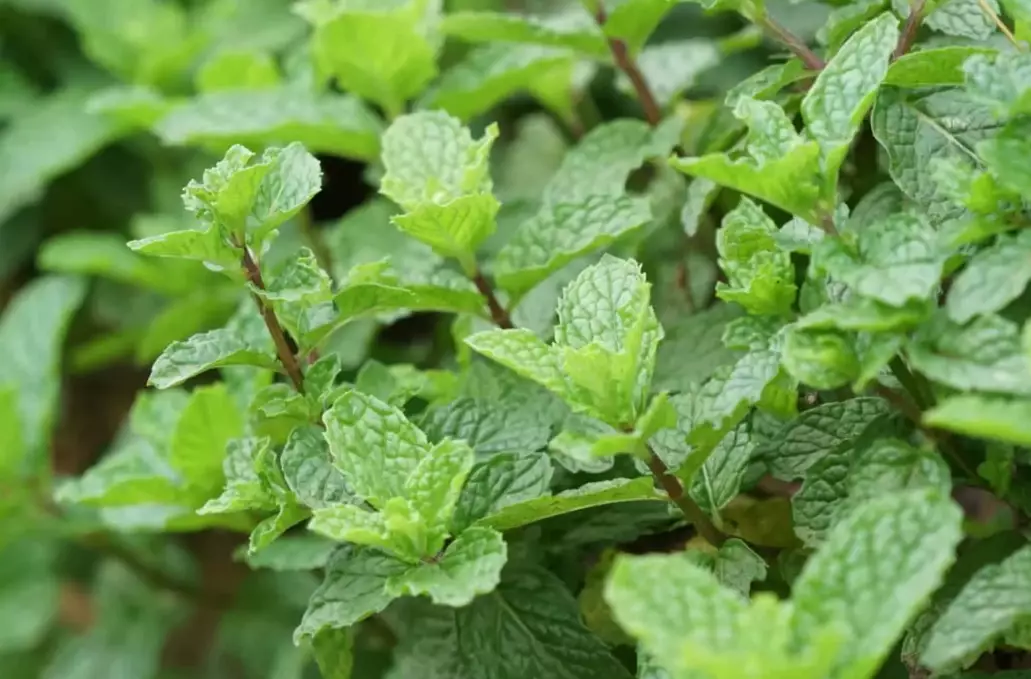
Harvesting and Using Your Mint Bounty
You can start harvesting once the plant is about 6-8 inches tall. Never take more than one-third of the plant at a time. Cut stems just above a leaf node – this encourages new growth from that point.
Fresh Use: Nothing beats it. Rinse and pat dry. Use in drinks, salads, sauces like mint chimichurri, or as a garnish.
Drying: Tie small bunches upside down in a warm, dry, dark place with good air circulation. Once crisp, strip the leaves and store in an airtight jar. The flavor is muted but good for tea blends.
Freezing: My preferred method for long-term cooking use. Chop the mint finely, pack it into ice cube tray compartments, top with water or olive oil, and freeze. Pop out a cube for instant mint flavor in soups, stews, or pasta.
Beyond the Kitchen: This is where mint shines. Crush a handful of leaves and rub them on your skin as a natural mosquito repellent (it works for a short while). Make a strong mint tea, let it cool, and use it as a hair rinse for a refreshing scalp. A few sprigs in a small vase can help clear odors in a room.
Your Mint Questions Answered
Can mint grow in full shade, or does it absolutely need sun?
It will survive in full shade, but it won't thrive. You'll get elongated, weak stems with pale leaves and very little of that signature minty aroma. The plant is stretching for light. For any usable harvest, some direct sunlight is crucial. Dappled shade or morning sun with afternoon shade is a great compromise in hot areas.
My mint in a pot keeps dying. I water it regularly. What's wrong?
Overwatering is the most likely killer of potted mint, especially if the pot lacks drainage. "Regularly" is the problem. Don't water on a schedule. Stick your finger into the soil. If the top inch is dry, water thoroughly until it runs out the bottom. If it's still damp, wait. Also, check that the pot isn't root-bound. If roots are circling tightly, the plant can't take up water effectively. Time to repot into a slightly larger container.
 Is it true mint keeps pests away from other plants?
Yes, to a degree. This is the concept of companion planting. Mint's strong scent can help mask the smell of vegetables like cabbage and tomatoes, confusing pests like cabbage moths and aphids. However, you must still contain the mint—plant it in a pot and place the pot near your veggies. Never plant it freely among them, or you'll be dealing with a mint invasion instead of a pest invasion.
How do I revive an old, woody mint plant?
Mint plants can get woody and less productive after a few years. The easiest solution is to start fresh. Take 4-6 inch cuttings from the healthiest, greenest tips, remove the lower leaves, and place them in a glass of water. They'll root in a week or two. Plant the rooted cuttings in new soil, and you have a vigorous young plant. You can also try cutting the entire old plant back to just an inch above the soil in early spring. It may resprout with fresh, tender growth.
What's the best way to stop mint from spreading in the garden if it's already out of control?
This is a battle of persistence. You need to physically remove the rhizomes. Dig out the entire area, sifting the soil to remove every white, stringy runner you can find. Even a small piece can regrow. After digging, you can lay down a thick barrier of cardboard or landscape fabric, cover it with mulch, and monitor relentlessly for any new shoots, pulling them immediately. It can take a full season of vigilance to fully eradicate an established patch.
Reader Comments