Let's clear this up right at the start. If you're searching for "filbert nut," you're looking for a hazelnut. The names are used interchangeably, though "filbert" pops up more in older texts and certain regions like the Pacific Northwest. It's the same delicious, roundish-brown nut from the Corylus tree. I've been buying, cracking, roasting, and baking with them for over a decade, and the biggest mistake I see isn't about the name—it's about how people buy and store them, leading to expensive, rancid disappointments. This guide cuts through the confusion and gives you the actionable details you need.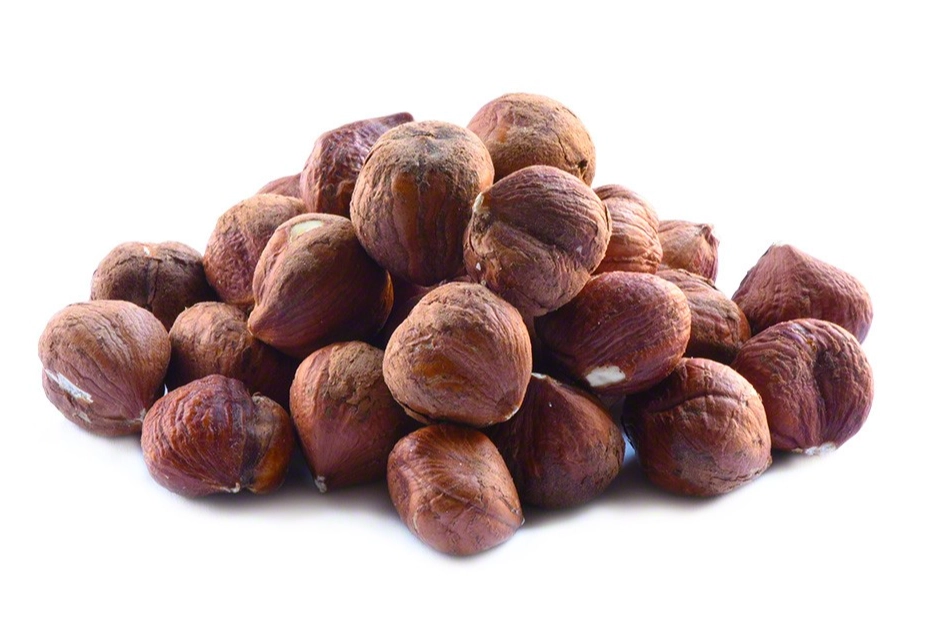
What's Inside This Guide
What Exactly Is a Filbert Nut?
Botanically, it's the nut of shrubs or small trees in the genus Corylus. The two main commercial species are the European hazel (Corylus avellana) and the larger, easier-to-shell filbert (Corylus maxima). The term "filbert" is said to come from St. Philibert's Day (August 22), which coincides with the nut's ripening time in parts of Europe. In Oregon, which produces 99% of the U.S. crop, they're almost exclusively called hazelnuts. The name difference is purely cultural, not botanical.
How to Select and Buy Filbert Nuts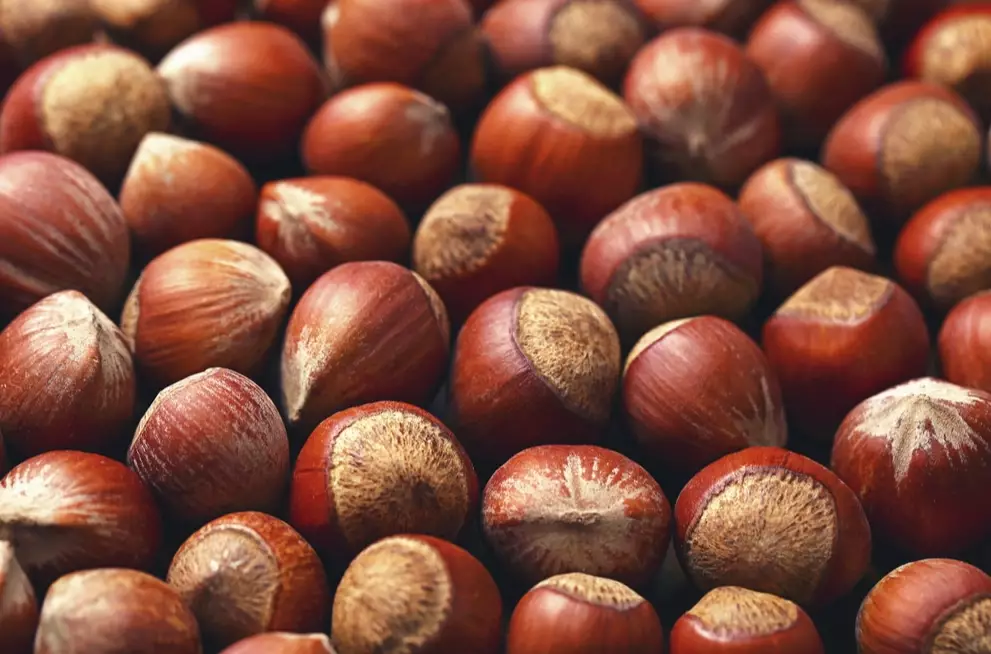
This is where most people go wrong. They grab the first bag off the bulk bin or supermarket shelf without a second thought. Here’s what you should actually do.
Visual and Tactical Inspection
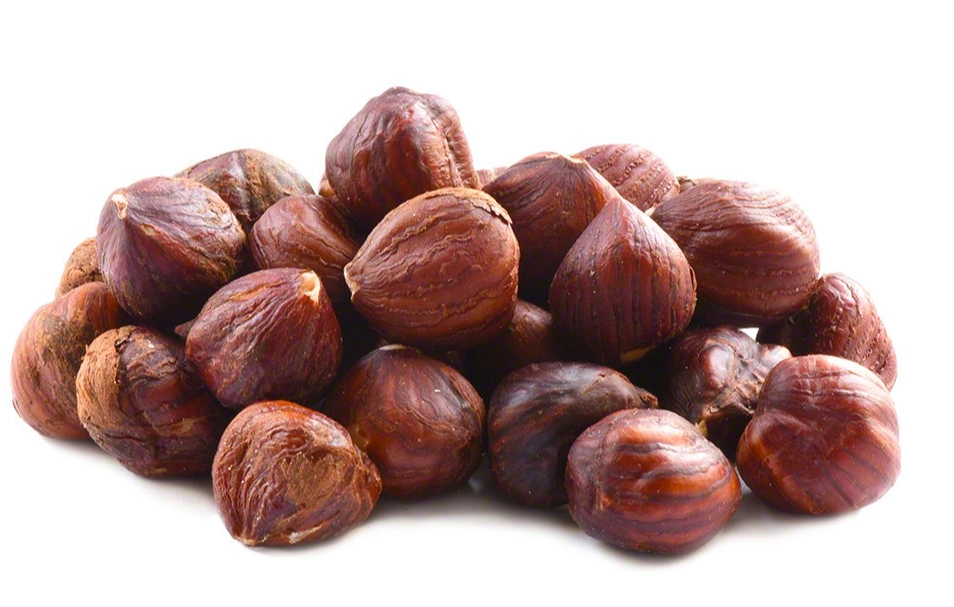
If buying in-shell, the shells should be clean, without excessive cracks or holes. Give them a shake—you shouldn't hear a loud rattle, which means the kernel has shrunk away from the shell (a sign of age). For kernels (shelled nuts), color is your first clue. They should be a uniform creamy-beige. Dark spots, yellowing, or a greyish cast are red flags for staleness or mold. They should feel firm, not rubbery or shriveled.
Now, the most underrated step: smell them. Fresh hazelnuts have a faint, sweet, nutty aroma. If you get a whiff of paint, cardboard, or what I can only describe as "old cupboard," put them back. That's rancidity setting in, and no amount of roasting will fix it.
Source and Form Matters
- Buy from high-turnover sources. A specialty nut shop or online retailer focused on nuts will have faster inventory turnover than a generic grocery store's baking aisle. I've had consistently better luck with nuts from nuts.com or local co-ops than from big-box stores.
- Consider the form. In-shell nuts stay fresh longest but require work. Raw kernels are versatile. Roasted kernels save time but check the roast date, not just the best-by date. Pre-chopped or ground nuts have more surface area exposed to air and go rancid fastest.
- Check the harvest. The new crop typically arrives in autumn. If you're buying in spring or summer and the packaging doesn't mention the harvest year, assume it's from the previous year.
Storage Methods Compared: What Actually Works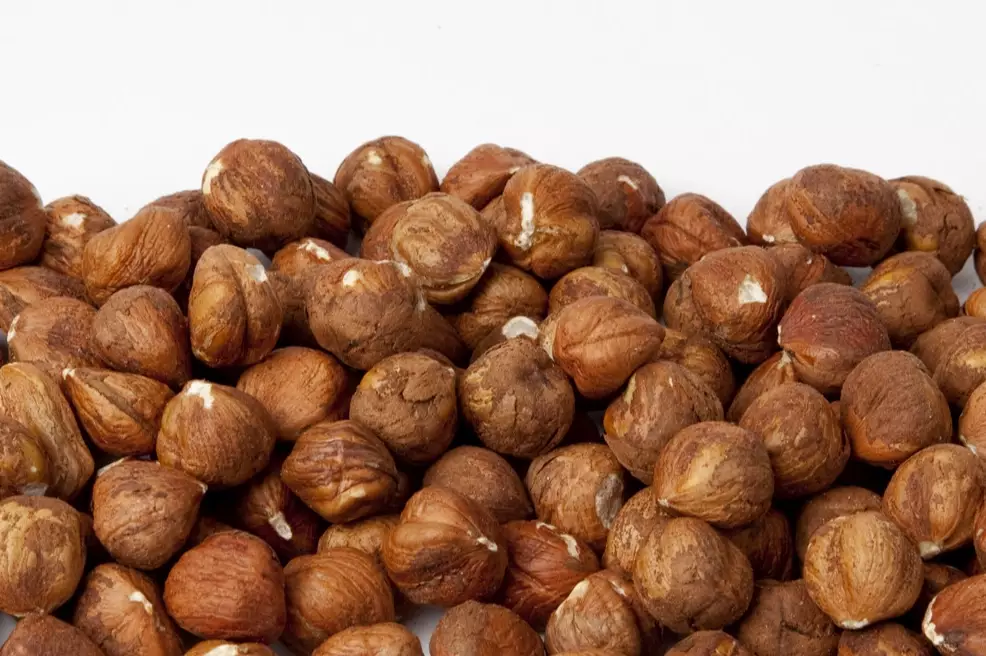
This is the heart of preserving quality. Heat, light, air, and time are the enemies. That flimsy plastic bag they come in? It's a one-way ticket to stale city. Here’s a breakdown of what works, based on my own kitchen experiments and data from the Almond Board of California (their storage science applies broadly to tree nuts).
| Storage Method | Expected Shelf Life (Kernels) | Best For | The Real-World Catch |
|---|---|---|---|
| Pantry (Cool, Dark) In airtight glass jar |
1-3 months | Nuts you'll use quickly within weeks. | Only reliable in consistently cool kitchens ( |
| Refrigerator In airtight container or sealed bag |
6-12 months | Your default method for all shelled nuts. | Prevents absorption of fridge odors. A mason jar is perfect. |
| Freezer In heavy-duty freezer bag, air squeezed out |
2+ years | Bulk purchases, seasonal stocking. | You can use them straight from frozen for baking or cooking. No need to thaw. |
| In-Shell In a mesh bag in a cool place |
6-12 months | Long-term storage with minimal quality loss. | The shell is nature's perfect barrier. Crack as needed. |
My personal rule? Anything not used within a month goes into the freezer. I portion them into half-cup amounts in small bags. It sounds fussy, but it beats throwing out a $12 bag of rancid nuts.
Culinary Uses Beyond Nutella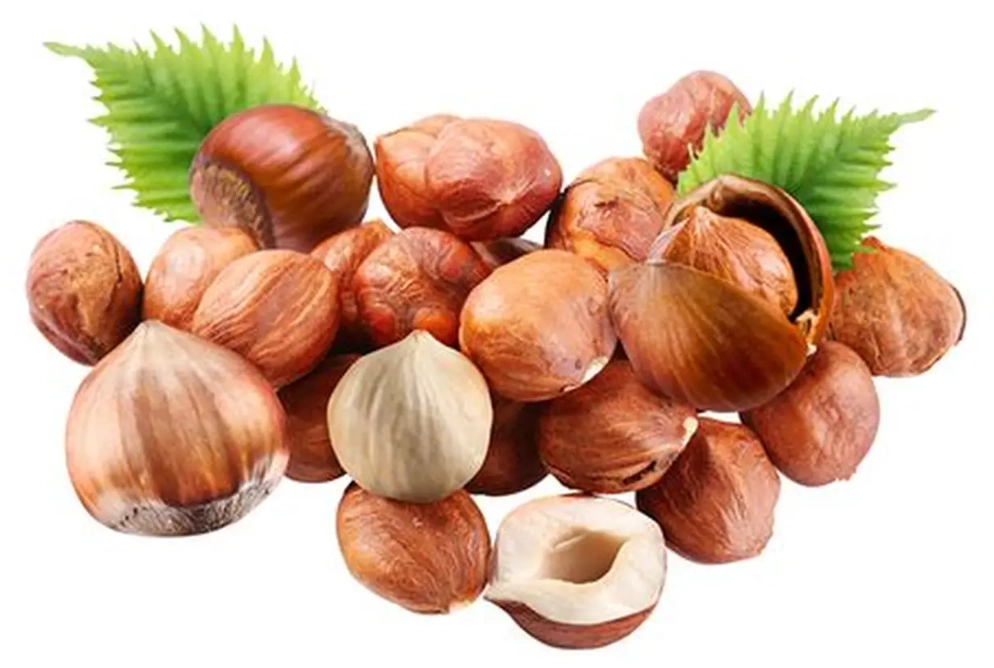
Sure, they're famous for chocolate spreads. But that's just the opening act. Their high oil content and rich flavor make them incredibly versatile.
Toasting is non-negotiable. Raw hazelnuts are fine, but toasting unlocks a deeper, richer, almost buttery flavor and improves texture. Spread kernels on a baking sheet at 350°F (175°C) for 10-15 minutes, shaking once, until fragrant and golden. Let them cool. For an extra step, rub the toasted nuts in a clean kitchen towel—most of the bitter skins will come right off.
- Finishing Salads & Vegetables: A handful of chopped, toasted filberts on roasted Brussels sprouts or a beet salad adds crunch and richness that croutons can't match.
- Pesto Reinvented: Swap half the pine nuts in your pesto with toasted hazelnuts. The flavor is earthier and more complex. It's a game-changer for pasta or as a sandwich spread.
- Crusts and Coatings: Ground hazelnuts mixed with breadcrumbs make an incredible crust for fish (especially trout) or chicken. It adds a nutty flavor that plain breading lacks.
- Dessert Star: Obviously, in pralines, tortes, and biscotti. But try making hazelnut butter: blend toasted nuts in a food processor with a pinch of salt until smooth. It's superior to peanut butter on apples.
Health & Nutrition Profile
According to the USDA FoodData Central, a 1-ounce (28g) serving of raw hazelnuts provides about 180 calories, 4g of protein, and 17g of fat—mostly the heart-healthy monounsaturated kind. They're an excellent source of vitamin E, manganese, and copper.
What's less discussed is the fiber content—about 3g per ounce, which aids satiety. They also contain proanthocyanidins, the same antioxidants found in grapes and cocoa. The research, including studies referenced by the National Institutes of Health, suggests regular nut consumption is linked to improved heart health markers.
But here's the practical bit: because they're energy-dense, measure your portions if you're watching calorie intake. A "handful" can easily be two or three servings.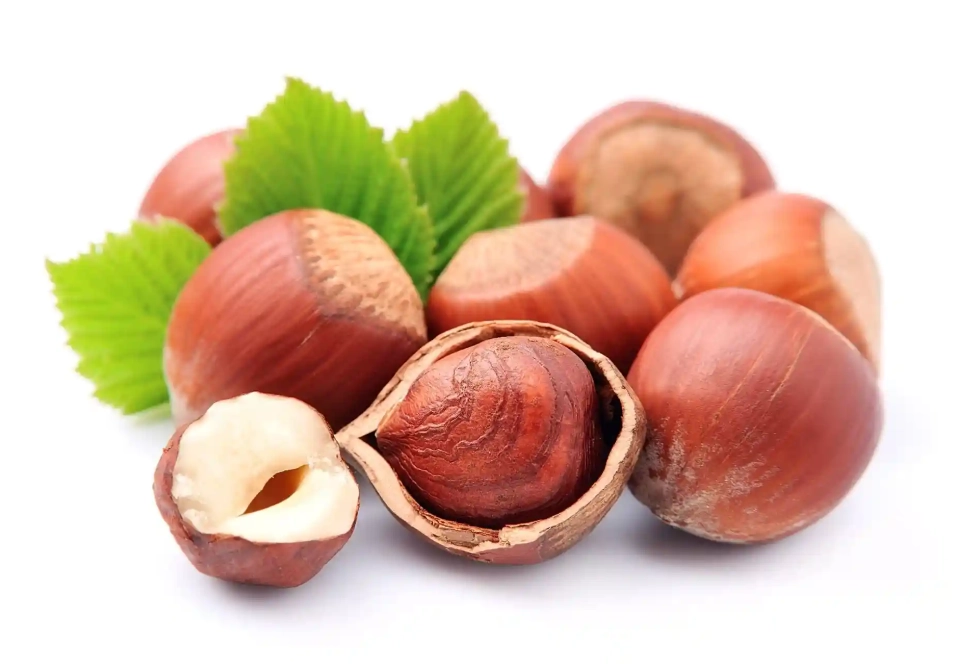
Your Filbert Questions, Answered
 I bought a bag of in-shell filberts. What's the easiest way to crack them without a fancy nutcracker?
Reader Comments